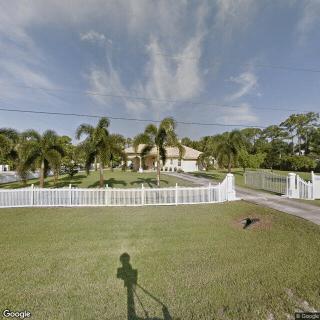
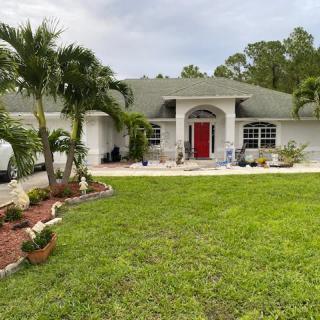
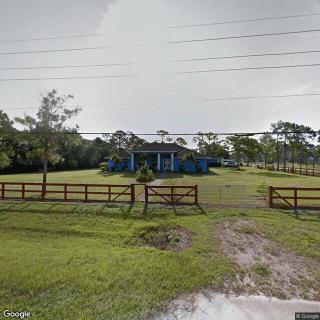
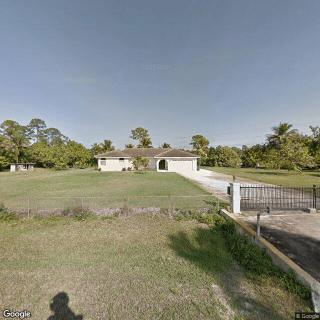
17189 92Nd Lane N, Loxahatchee, FL 33470
To contact a resident: (786) 367-6349
For more information about senior living options: (866) 208-4318
Helping Hands Adult Care Facility Costs & Pricing
Helping Hands Adult Care Facility offers competitive pricing for its services compared to the broader market in Palm Beach County and the state of Florida. For a semi-private room, residents pay $3,000 monthly, which is notably lower than the county average of $3,592 and aligns closely with the state average of $3,009. The facility's one-bedroom option is available for $3,750, again presenting a more affordable choice than both the county rate of $4,362 and the state figure of $3,864. When it comes to private rooms, Helping Hands charges $4,250 - a reasonable price compared to the county's average of $4,444, yet slightly higher than Florida's overall average of $3,699. Overall, Helping Hands Adult Care Facility positions itself as a value-oriented alternative in a market where costs can often be prohibitively high.
| Floor plans | Helping Hands Adult Care Facility | Palm Beach County | Florida |
|---|---|---|---|
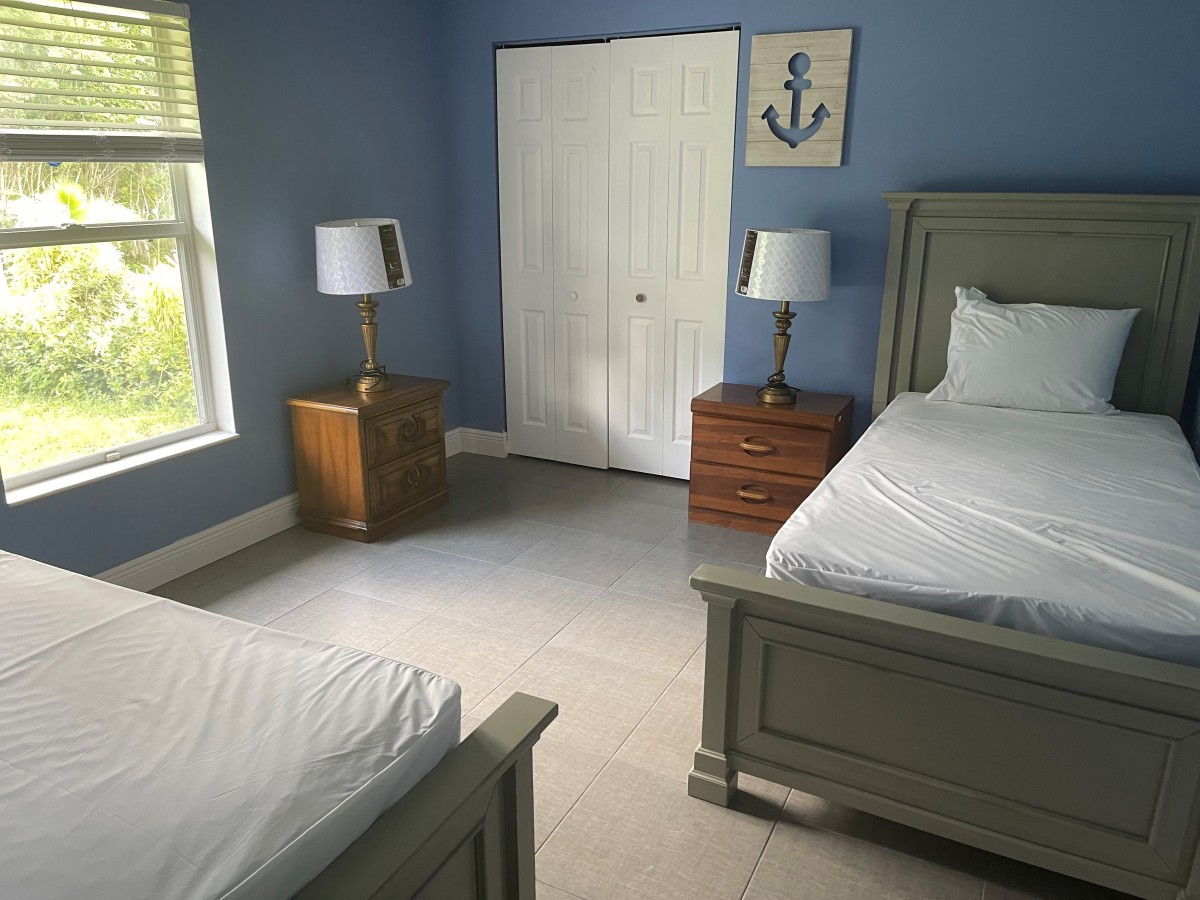
| Semi-Private | $3,000 | $3,592 | $3,009 |
| 1 Bedroom | $3,750 | $4,362 | $3,864 |
| Private | $4,250 | $4,444 | $3,699 |
Overall Review of Helping Hands Adult Care Facility
Pros
 Helping Hands Assisted Living is an exceptional facility with professional, compassionate, and knowledgeable staff.
- It fosters a loving, family-like atmosphere where residents are treated with genuine care and respect.
- The caregivers are kind, gentle, and attentive to each resident’s well-being.
- Families feel at ease knowing their loved ones are in capable, patient hands.
- The administrator is caring and informative, guiding placements smoothly and meeting individual needs.
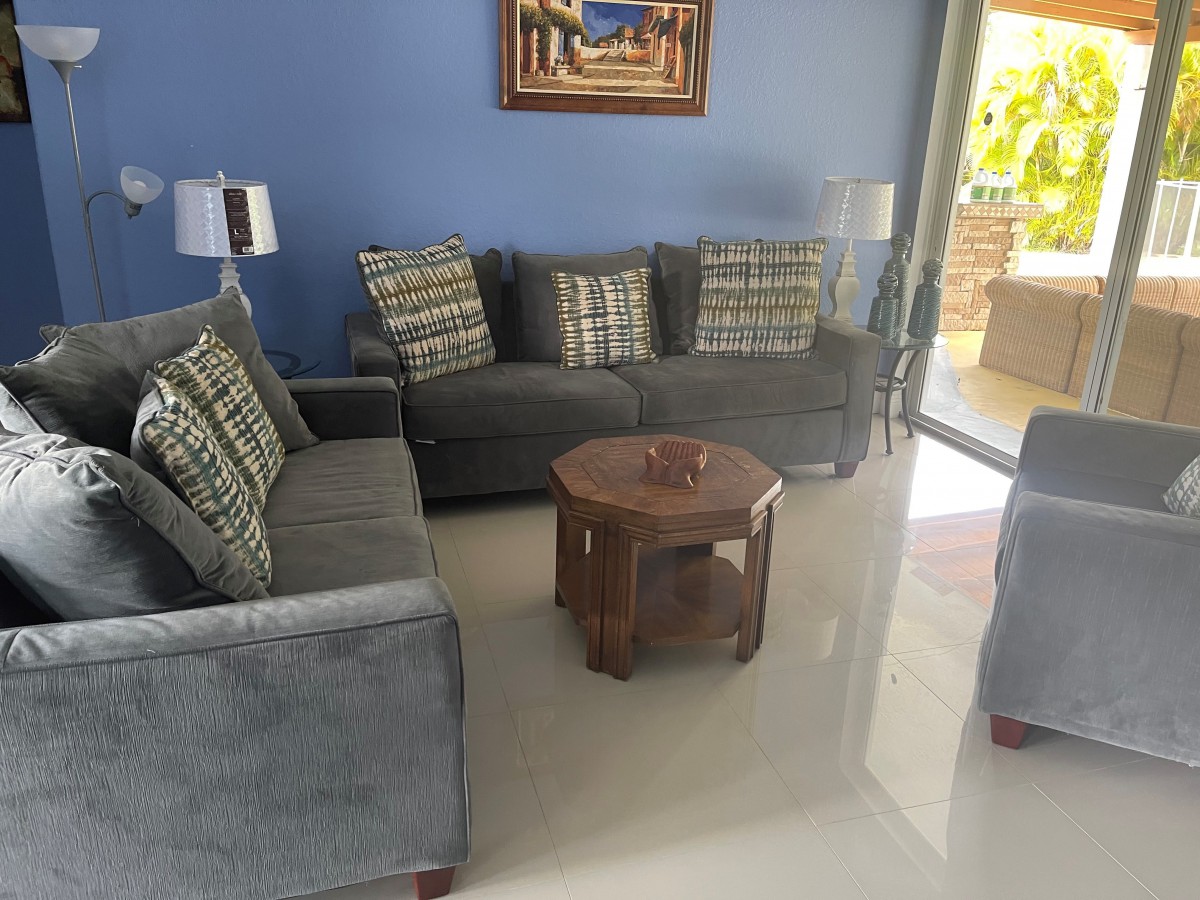
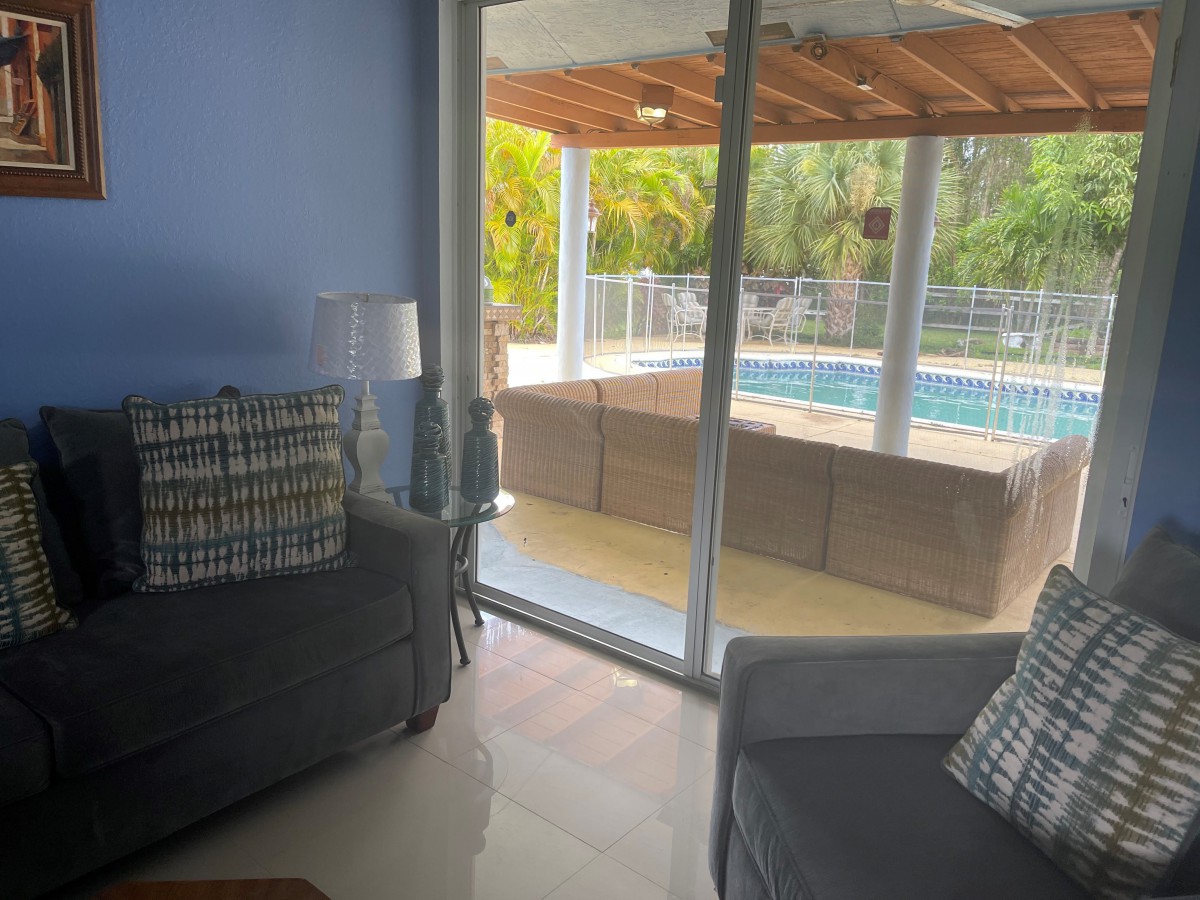
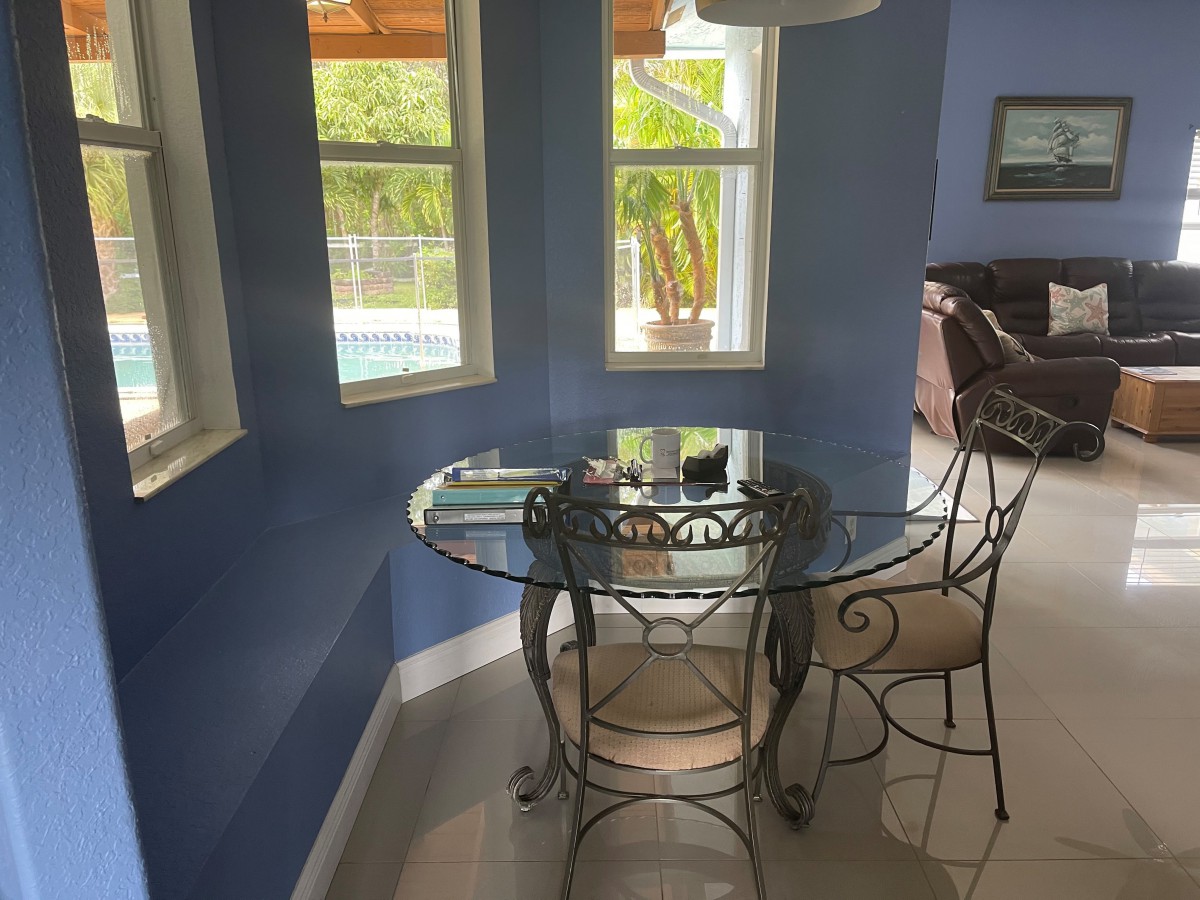
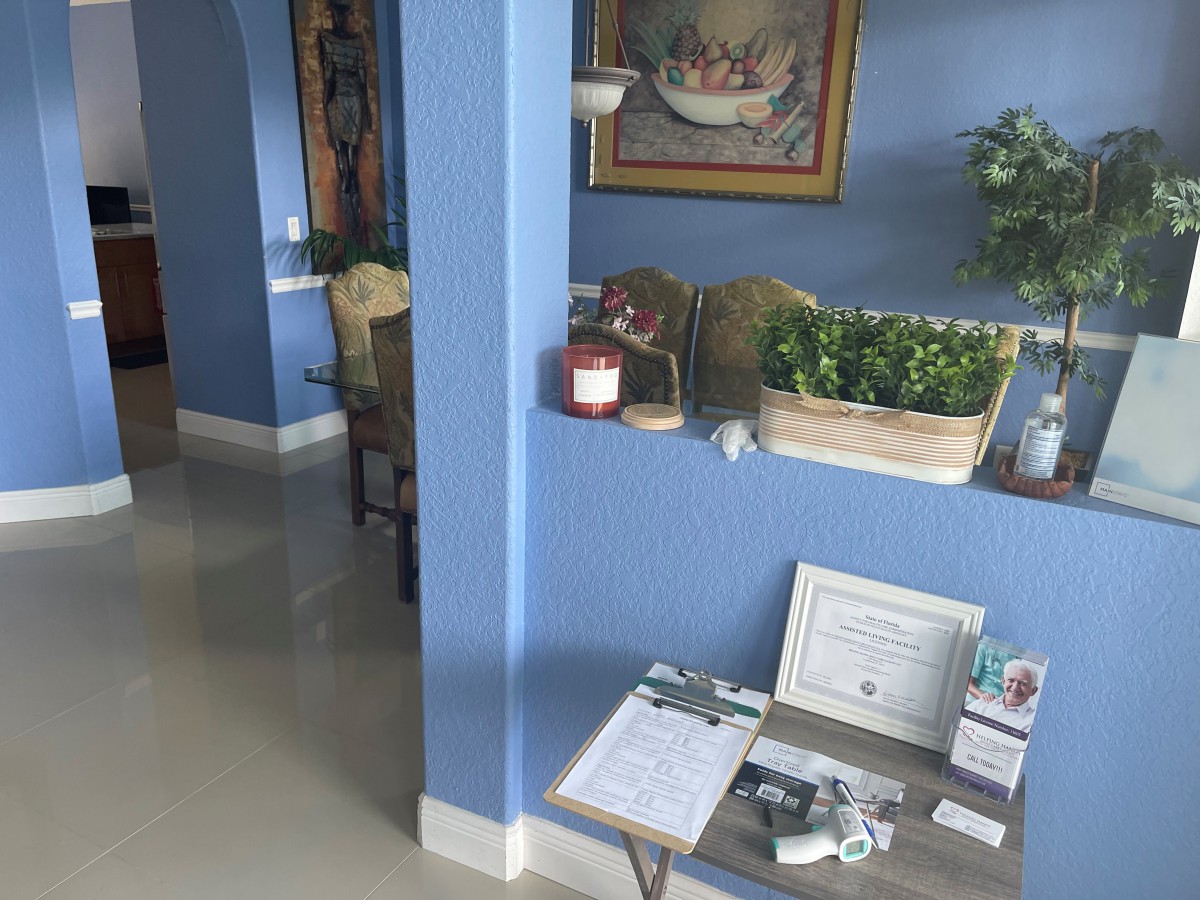
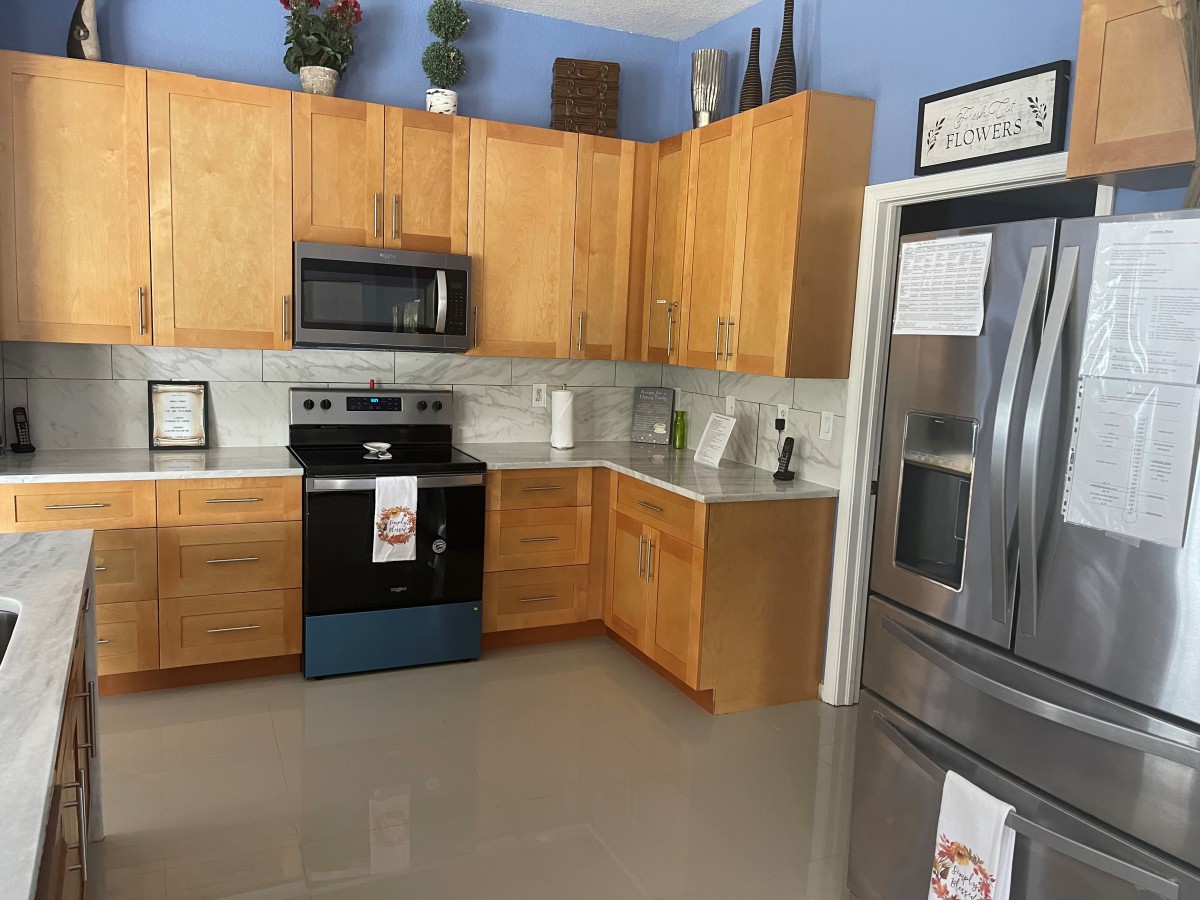
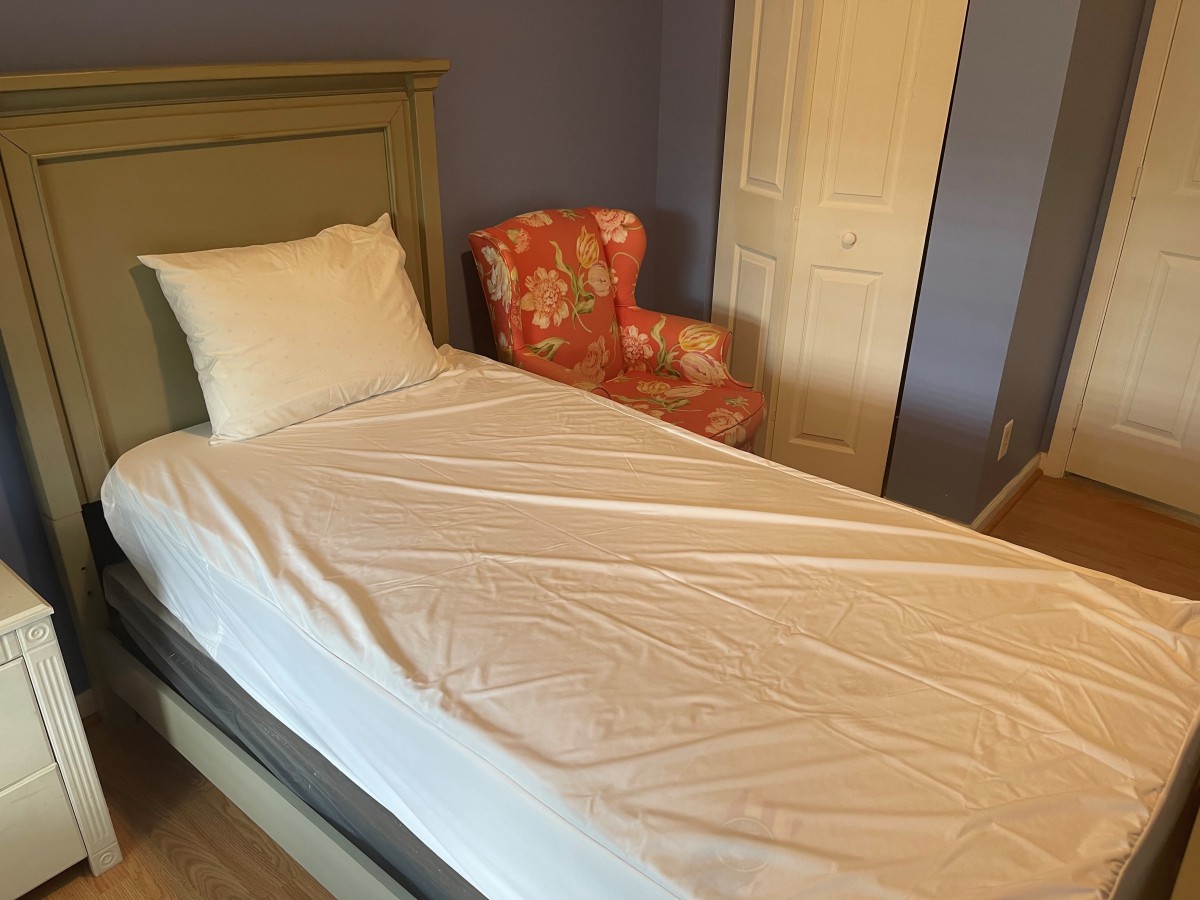
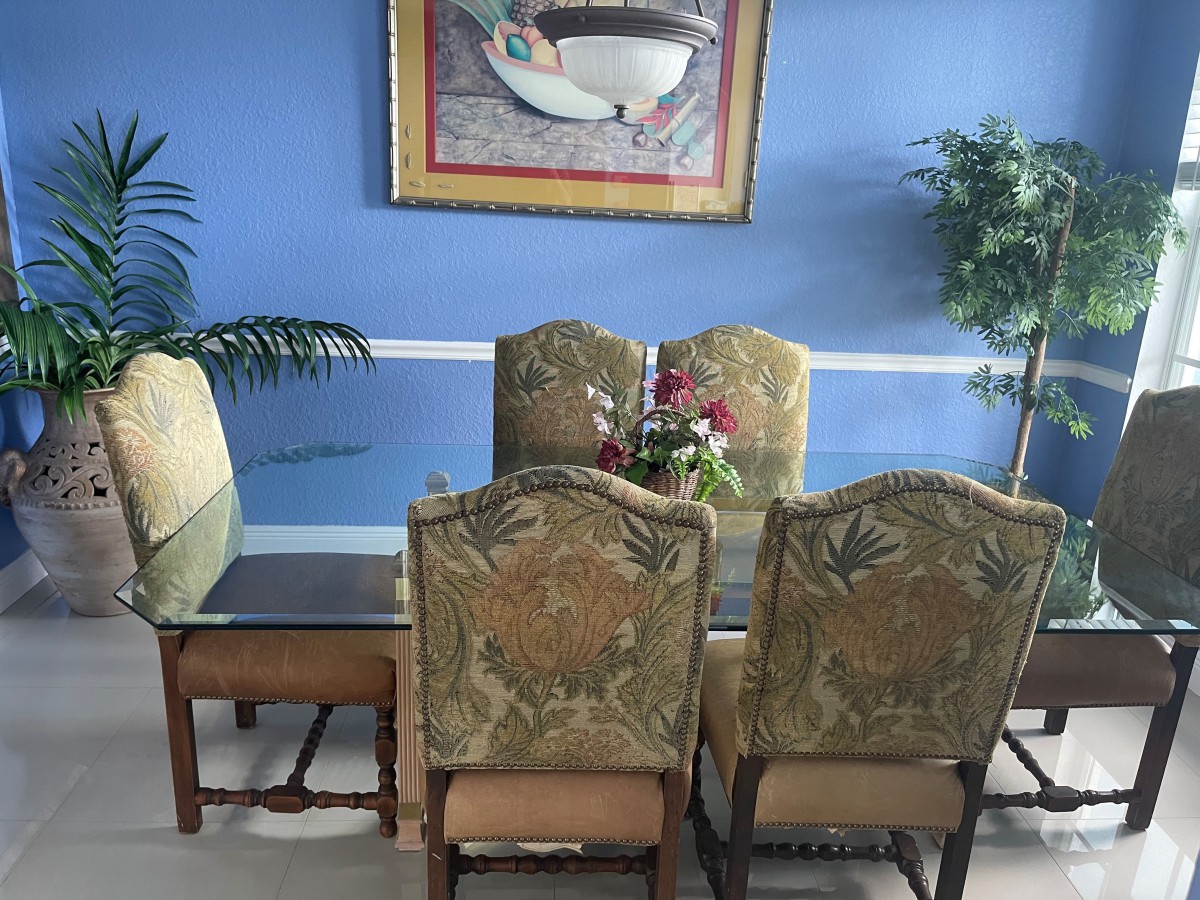
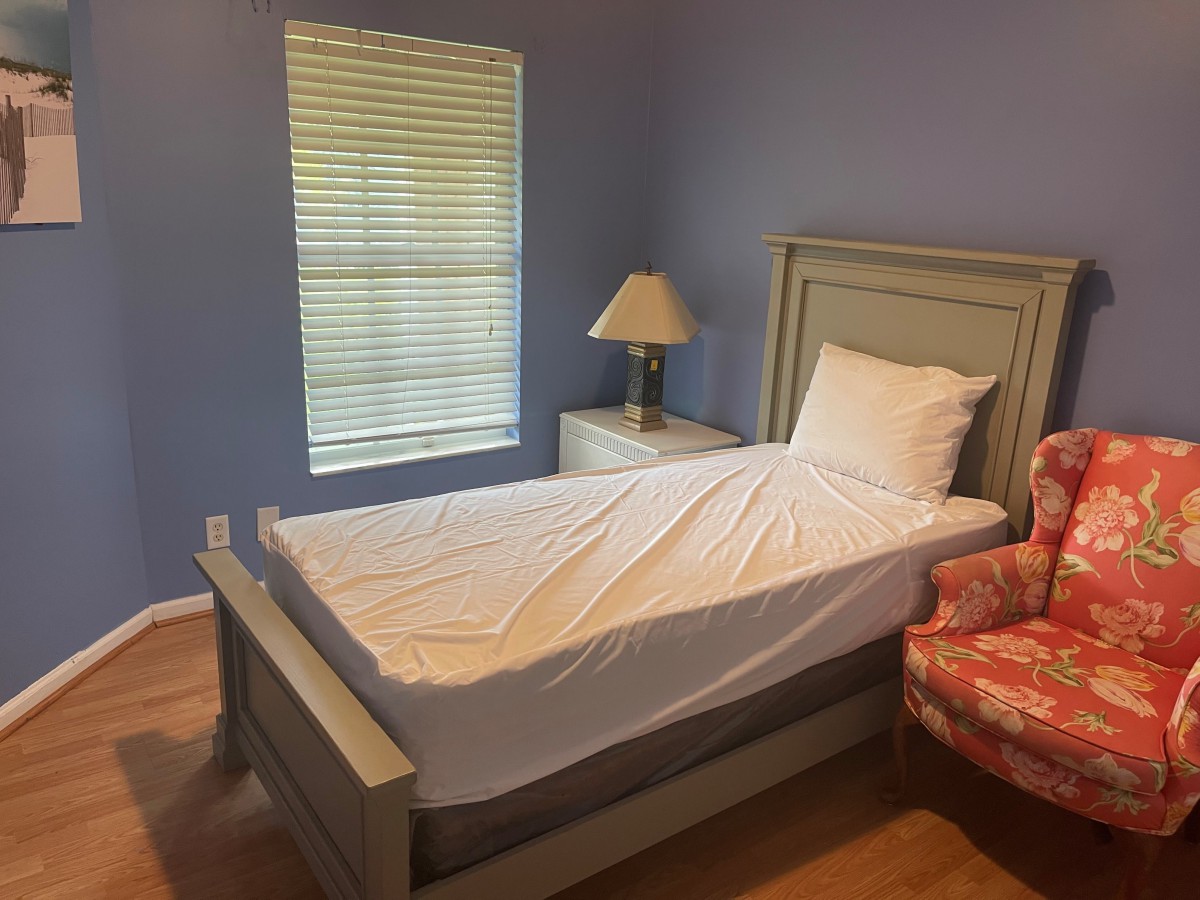
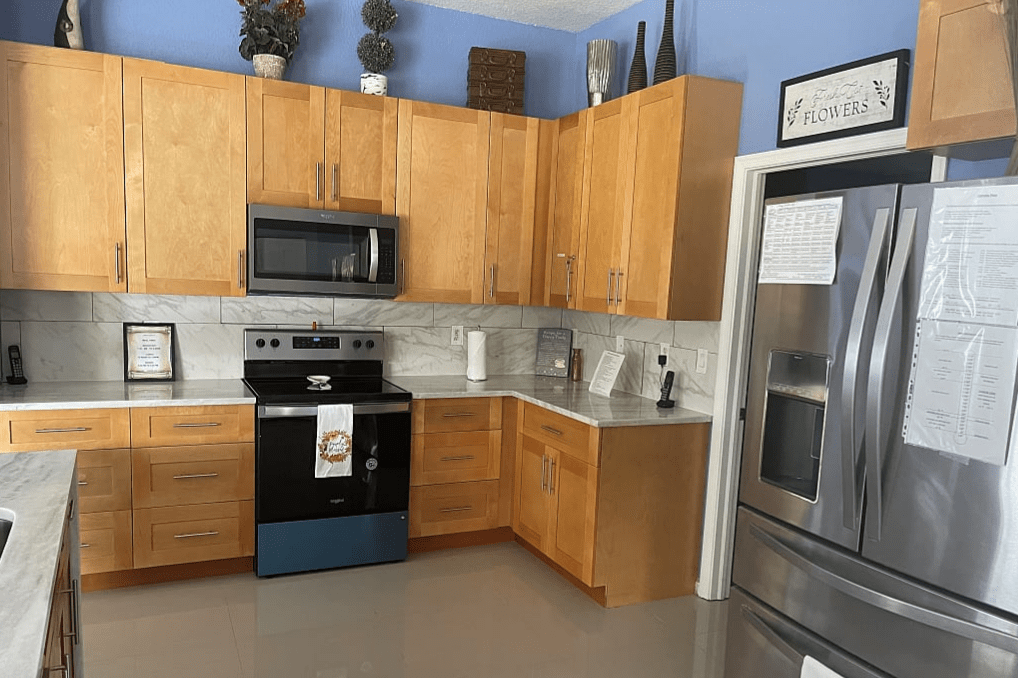
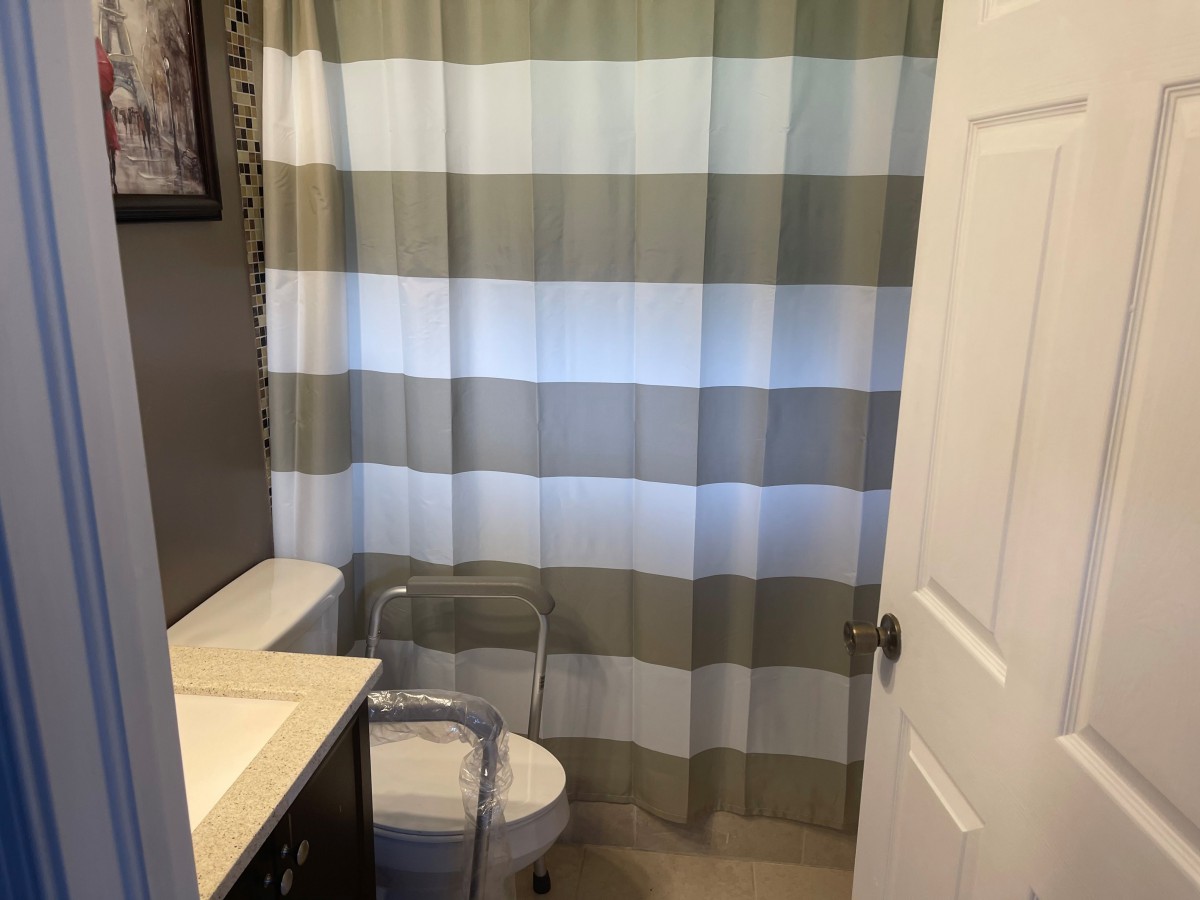
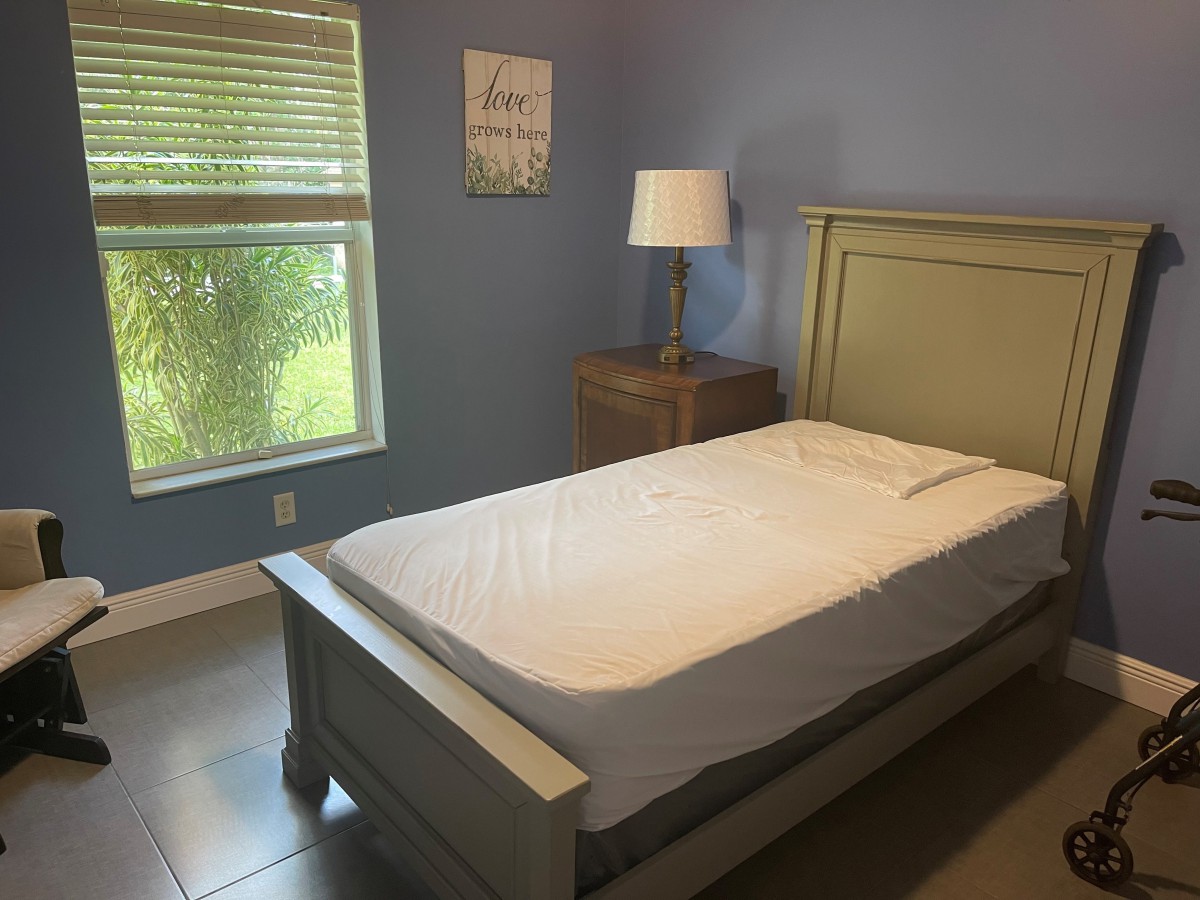
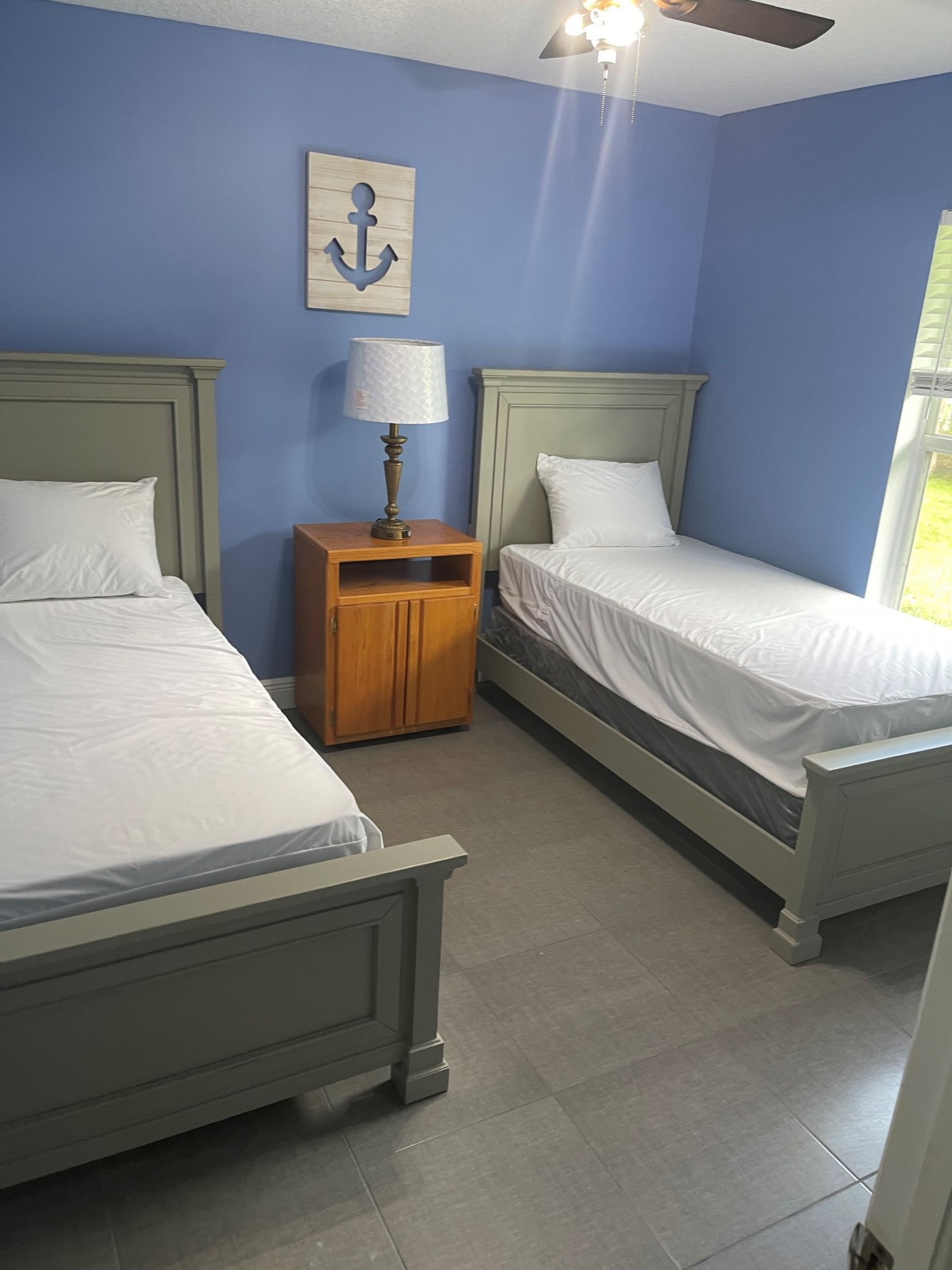
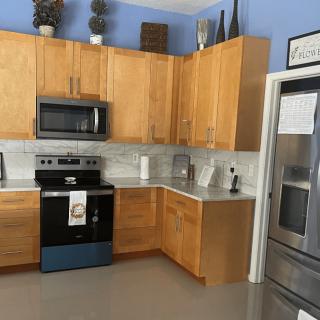
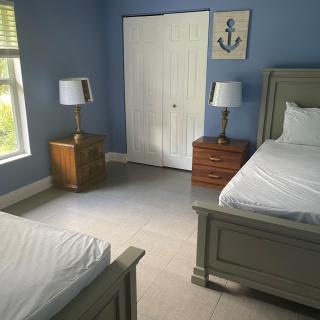
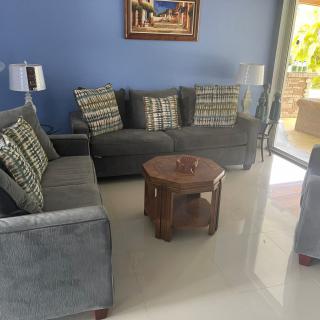
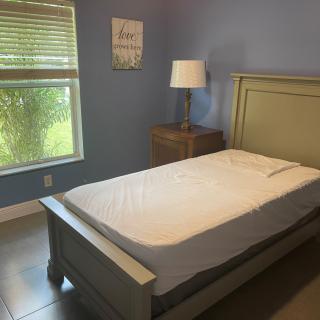
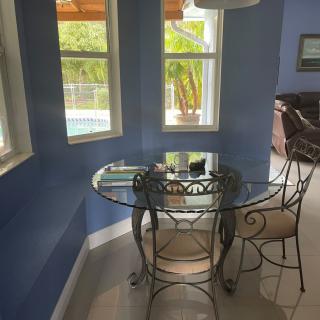
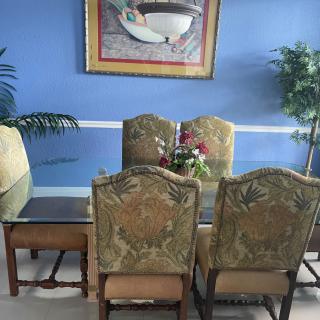
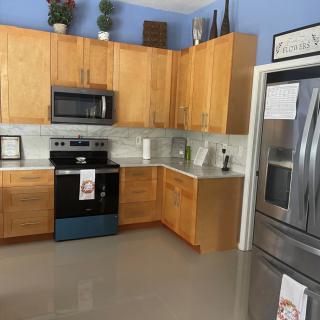
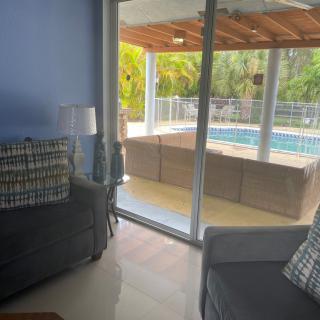
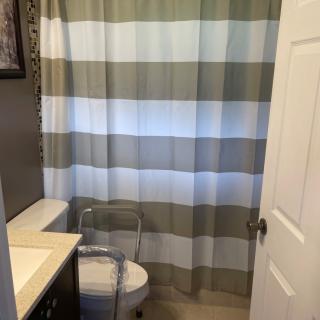
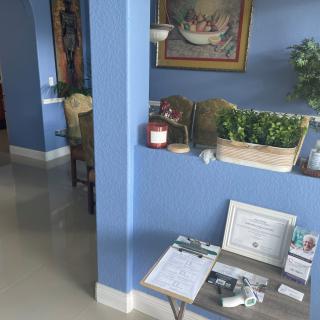
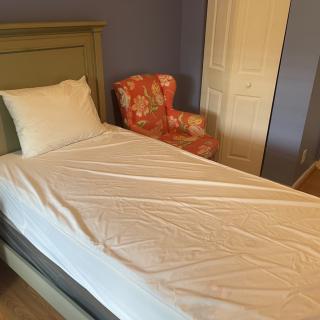
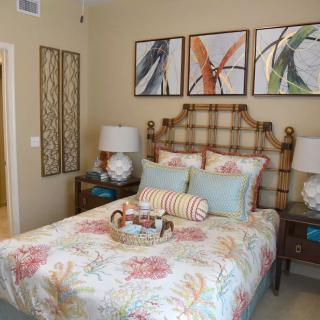
- The home is clean, well-kept, and aesthetically pleasing, contributing to a comfortable living environment.
- Families consistently recommend Helping Hands Assisted Living for its dedication and quality of care.
Review
Helping Hands Assisted Living in Loxahatchee is best suited for families seeking a warm, home-like setting where an elderly loved one can receive steady, compassionate assistance with daily living. The facility earns strong marks for creating a family atmosphere rather than a clinical, impersonal environment. Residents benefit from patient caregivers who know their routines, preferences, and medical needs, and from a leadership that emphasizes continuity and personal connection. The reviews consistently highlight a long-standing commitment from the owner and staff, professional, but deeply humane, delivering care that feels individualized rather than scripted. This is especially valuable for seniors who thrive on predictable routines, meaningful interactions, and the sense that care is tailored to the person, not the chart.
However, for clients who require heavy medical oversight or specialized memory care, alternatives with larger medical staffs or dedicated dementia units might be worth considering. Helping Hands shines in tenderness, attention, and ADL support, but the intimate, home-based model may not match the capabilities of facilities that offer 24/7 skilled nursing, on-site rehabilitative therapy, or more robust hospital-level monitoring. Families should assess whether the level of clinical coverage aligns with the loved one’s current medical needs and future trajectory. If a preferred environment emphasizes a broader array of services or more formal programming, a bigger nearby community could be a better fit.
The core strengths are unmistakable: a professional yet deeply compassionate team, and a setting that feels like family. Families report that staff treat residents with genuine kindness, patience, and respect, and that transitions, whether moving in or navigating ADLs, are handled smoothly by an administrator who is both informative and approachable. The home environment is described as clean, well-kept, and aesthetically pleasing, contributing to a sense of safety and dignity. Perhaps most compelling is the way caregivers anticipate needs and respond with warmth, enabling loved ones to maintain dignity in daily routines. Residents seem to thrive socially in a climate that emphasizes quiet, consistent routines.
The upside of this model is the trade-off: significant personal attention against a possibly narrower service scope. The strongest advantage, the family-like culture, remains the decisive factor for many, offsetting the absence of expansive clinical amenities. For families, the result is peace of mind: their relative receives patient, respectful care in a setting that feels like home. The main caveat is the potential need to relocate if medical complexity escalates beyond what’s manageable on-site, or if memory care needs outgrow the current setup. In such cases, the decision may hinge on whether the proven compassion and stability compensate for fewer high-tech resources.
To make a confident choice, visit with questions tailored to the loved one’s needs: care planning, help with ADLs, mealtime assistance, mobility support, and social activities. Observe interactions between staff and residents, and ask about staff-to-resident ratios and turnover. Speak with the administrator about transition processes, family communication, and how the home handles end-of-life care, an area consistently praised in testimonials. Look for a facility where the administration is proactive, transparent, and accessible, because that dynamic strongly correlates with consistent quality across shifts. Read current family feedback to gauge whether the tone matches expectations.
For families prioritizing a warm, home-like ALF with deeply devoted caregivers, Helping Hands stands out as a top option in Loxahatchee. It earns its five-star reputation through compassionate care, professional leadership, and a setting that treats residents with dignity and respect. It particularly suits seniors who need reliable help with daily living, a steady routine, and social engagement in a nurturing environment. Those who require intensive skilled nursing, rapid-response medical oversight, or specialized dementia programs should weigh alternatives with broader clinical offerings. In the end, the strongest recommendation is to align expectations with this community’s strengths: heart-led care, a true home feel, and a proven track record of family confidence.
 5 resident community capacity
 Assisted Living
 Board and Care Home
 Memory Care
 Activities on-site
 Beautician on-site
 Cable or satellite TV
 Devotional services on-site
 Dining room
 Fully furnished
 Garden
 Housekeeping services
 Indoor common areas
 Move-in coordination
 Outdoor common areas
 Private
 Respite or short term stays offered
 Swimming pool / hot tub
 Telephone
 Wi-Fi/high-speed internet available
 Palm Beach International (16 miles away)
 24-hour supervision
 Ambulatory care
 Assistance with bathing
 Assistance with dressing
 Assistance with transfers
 Diabetes diet
 Diabetic care
 High acuity care
 Incontinence care
 Meal preparation and service
 Medication management
 Special dietary restrictions
 Transportation arrangement (medical)
 Transportation to doctors appointments
 Light therapy programs
 Montessori programs


 Dementia-Related Hallucinations: Causes, Experiences, and Practical Approaches
 Illuminating Insights About Alzheimer's Disease: Ten Crucial Realities
 A Thorough Discussion of Medications Potentially Linked to Dementia Risk