
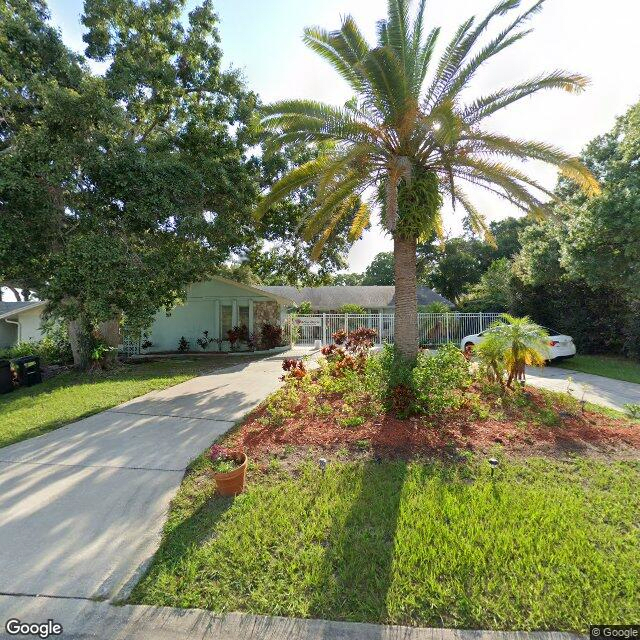
1138 Rosemary Drive, Largo, FL 33770
For more information about senior living options: (866) 208-4318
Belle Vista Bluffs Costs & Pricing
Belle Vista Bluffs offers competitive pricing for its residential options compared to both Pinellas County and the broader state of Florida. For a semi-private room, residents can expect to pay $2,200 per month, which is significantly lower than the county's average of $2,765 and the state average of $3,009. This trend continues with private rooms as well; at Belle Vista Bluffs, the monthly cost is $3,200, whereas Pinellas County averages $3,602 and Florida overall sits at $3,699. These rates reflect not only a cost-effective choice for potential residents but also emphasize Belle Vista Bluffs' commitment to providing quality care without compromising affordability in an increasingly challenging market.
| Floor plans | Belle Vista Bluffs | Pinellas County | Florida |
|---|---|---|---|
| Semi-Private | $2,200 | $2,765 | $3,009 |
| Private | $3,200 | $3,602 | $3,699 |
Memory care communities with a similar price nearby
-
from -$200 / mo
Caregivers Touch ALF
$2,000 to $3,000 / month19.3 miles away -
from -$305 / mo
Grand Villa of New Port Richey
$1,895 to $3,595 / month24.6 miles away -
from -$210 / mo
Cabot Cove of Largo Assisted Living & Memory Care
$1,990 to $3,145 / month4.6 miles away -
from +$300 / mo
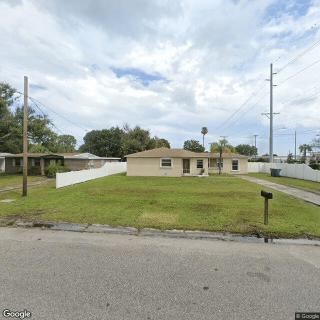
Consuelo's Assisted Living Facility
$2,500 to $4,500 / month18.5 miles away -
from +$400 / mo
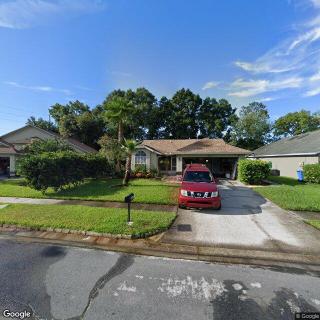
Hilda's Home Care Alf
$2,600 to $2,800 / month18.2 miles away
Overall Review of Belle Vista Bluffs
Pros
 The mother liked the place.
- The mom liked the place.
Cons
 The experience was bad.
- The owner has mental problems.
- It was a dangerous place; the mom escaped twice, once found on the road and the other time miles away in the middle of the night.
- The owner is money-hungry.
- It is not suitable for their parents because it is a secured facility for individuals with advanced dementia or Alzheimer's.
- The residents were left idle; only one staff member tried to cook and take care of all residents; it wasn’t clean and there was nothing going on.
Review
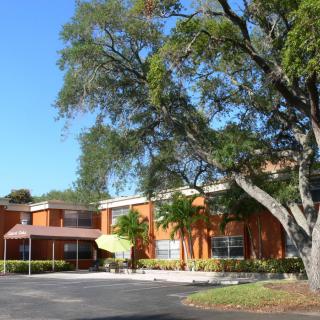
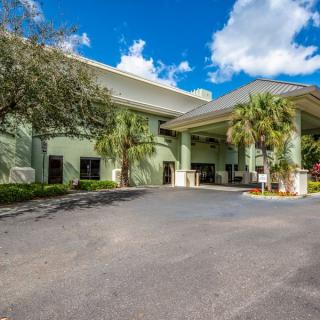
Belle Vista Bluffs in Largo is best suited for families seeking a highly secure, dementia-focused environment where containment and safety are the primary necessities. The reviews clearly position this community as a secured facility aimed at individuals with advanced dementia or Alzheimer's, rather than a broad-based assisted living community. For families whose loved ones require tight wander protection and a controlled setting, this may feel appropriate on paper. However, the same reviews warn that beyond security, residents often face a void of engagement, limited activity, and a sense of monotony, which makes it a poor fit for those hoping for a more vibrant daily routine.
Those who may want to consider alternatives are families prioritizing socialization, meaningful daily activities, and a larger, more inviting living space. The feedback highlights a small footprint with scant programming, which clashes with expectations for regular enrichment and interaction. If a resident is not in the advanced stages of memory loss or does not require strict containment, another community offering broader activities, cleaner surroundings, and more expansive common areas would almost certainly deliver a better quality of life. In short, this is not the right choice for most typical independent or early-to-mid-stage memory care needs.
The pros, limited as they are in the reviews, are overshadowed by significant red flags. The primary upside is the facility’s dementia-focused design, which, in theory, should minimize wandering risks and provide a secure habitat. Yet the reports of residents escaping, found on roads and miles away at night, directly counter any security claim and raise genuine concerns about supervision, perimeter integrity, and response protocols. That fundamental safety risk undermines any potential peace of mind a family might seek from a secured setting, making the perceived advantages hollow without corroborating, transparent safety data and a proven track record.
On the other hand, the major cons hit hard and consistently. Descriptions of dangerous conditions, a reputation for money-driven administration, and accusations of the owner’s instability erode trust at a moment when trust is paramount. Cleanliness and upkeep are also questioned, with comments that the environment feels unclean and lacking in purposeful activity. The allegation that “the residents were just sitting around” and that there is “nothing going on” suggests staff engagement and programming gaps that are incompatible with families who expect regular, meaningful activity as part of dementia care. Small size compounds these issues by limiting variety and opportunities for social interaction.
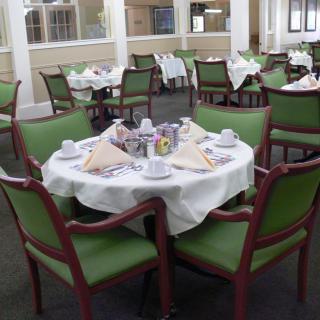
Practical evaluation steps should guide any family considering Belle Vista Bluffs. Request recent wander-management data, incident logs, and details on safety systems, such as door alarms and staff patrols. Ask for staffing ratios across shifts and evidence of ongoing training in dementia care, de-escalation, and safety protocols. Seek a current schedule of daily activities and opportunities for resident engagement to verify whether a truly active environment exists. Inspect cleanliness, meal quality, and dining comfort; note the condition of common areas and room sizes. Finally, talk to current residents or family members to hear about day-to-day life, responsiveness of staff, and the facility’s transparency on concerns.
Bottom line: Belle Vista Bluffs represents a high-stakes choice. It may suit a family that must prioritize a secured, dementia-specific setting above all else and is willing to accept questions about safety records, limited programming, and a small footprint. For most families seeking a balanced mix of safety, engagement, and livable space, alternatives will likely offer a more reliable quality of life. Prospective residents should compare this community to other memory-care options with stronger activity programming, clearer safety assurances, and larger, cleaner environments, and proceed only after thorough, face-to-face evaluations with independent confirmation of safety and care standards.
 6 resident community capacity
 Assisted Living
 Board and Care Home
 Day Program
 Memory Care
 Respite Care
 Cable or satellite TV
 Devotional services off-site
 Dining room
 Fully furnished
 Garden
 Housekeeping services
 Indoor common areas
 Move-in coordination
 Outdoor common areas
 Private
 Telephone
 Wheelchair accessible showers
 Wi-Fi/high-speed internet available
 St. Petersburg-Clearwater International (8 miles away)
 24-hour supervision
 Ambulatory care
 Assistance with bathing
 Assistance with dressing
 Assistance with transfers
 Diabetes diet
 Diabetic care
 Meal preparation and service
 Medication management
 Special dietary restrictions
 Transportation arrangement (medical)
 Transportation to doctors appointments
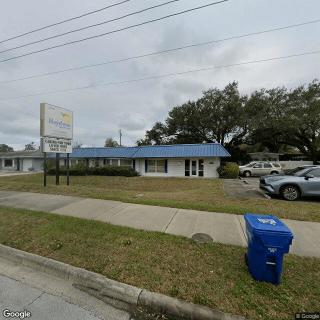
 Dementia-Related Hallucinations: Causes, Experiences, and Practical Approaches
 Illuminating Insights About Alzheimer's Disease: Ten Crucial Realities
 A Thorough Discussion of Medications Potentially Linked to Dementia Risk