
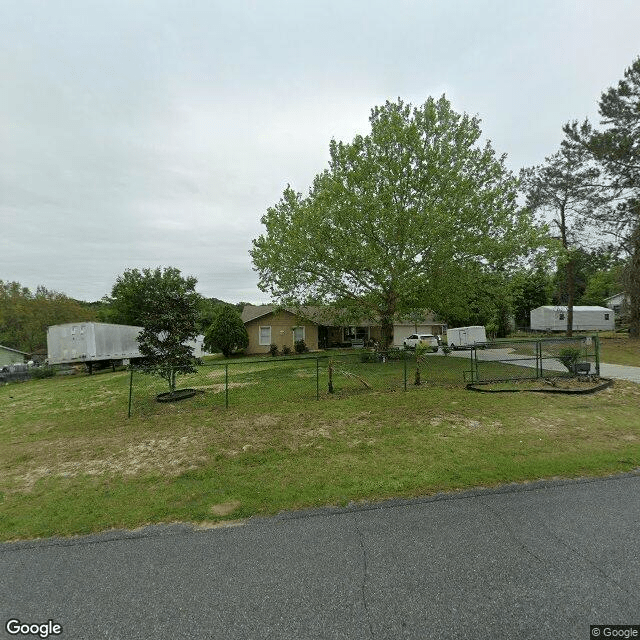
37122 Grays Airport Rd, Lady Lake, FL 32159
To contact a resident: (352) 314-2289
For more information about senior living options: (866) 208-4318
Overall Review of Welcome Home Assisted Living
Pros
 The place is always clean and well maintained.
- The caregivers Marlene and Rosina at Welcome Home were amazing and a blessing to the family, ensuring he was happy and well cared for.
- He was loved and well cared for, with nutritious meals and clean, fresh clothes.
- The staff and management are very accommodating.
- Residents have a lot of fun and are treated like family.
- He lived there for three years and was very happy and well cared for.
- The grandfather enjoyed the staff and the food.
Cons
 The owner insisted they would keep her when Medicaid approved her, and for 2.5 years they pretended that was so.
- When she qualified for Medicaid, they could not accept her because Medicaid was not contracted with them.
- They did nothing to rectify this.
- Stay away from the facility.
- The mother was in awful shape there due to neglect and carelessness, including a year with no functioning stove.
- The care was not of quality.
Review
This community is best suited for families seeking a warm, home-like environment where care teams treat residents like family and daily life centers on companionship, meals, and personal attention. Welcome Home Assisted Living shines for seniors who value a clean, well-kept setting, consistent daytime routines, and staff who go above and beyond to ensure residents are happy, well fed, and properly dressed. It works well for those who do not require intensive medical oversight on a minute-by-minute basis and who prioritizes a community feel over hospital-style care. In short, it fits better for relatively independent seniors or those with manageable caregiving needs who want a strong, personal touch from caregivers and a facility that feels like a welcoming home away from home.
There are clear reasons to consider alternatives, especially for families navigating Medicaid planning or higher medical needs. A significant caution centers on the Medicaid issue that arose in one account: promises about keeping a resident once Medicaid qualified were not honored because the facility does not contract with Medicaid. That kind of discrepancy directly affects planning and trust, and it is not easy to overlook for families who are counting on long-term coverage or who must align funding with availability. Families relying on strict Medicaid guidance or who anticipate requiring ongoing, formal Medicaid support should scrutinize how the facility handles admissions, contracts, and transfers, and should insist on written, binding assurances. For residents with complex medical conditions, or for those who demand a facility with robust, transparent escalation of medical needs, this community may fall short if the administrative framework cannot deliver reliable cross-coverage and clear accountability.
On the plus side, the living environment and interpersonal care stand out. The facility is described as consistently clean and well maintained, which matters immensely for infection control, comfort, and daily satisfaction. The caregiving team is repeatedly praised for warmth and dedication; specific staff names appear in multiple accounts as going the extra mile to keep residents happy, well fed, and properly clothed. That level of attentiveness translates into a high quality of daily life: nutritious meals, careful hygiene, and a sense of being cherished. The social fabric is another strong point, with residents reportedly enjoying lively, family-like interactions and daily activities that make the days feel meaningful rather than routine. For families prioritizing companionship, consistent presence, and a pleasant dining experience, these are material benefits that can meaningfully offset lesser medical oversight.
The most troubling element in the collective feedback is the serious accusation that care and administration failed in at least one critical instance. The claim that a resident nearly suffered neglect, and that an extended period had a nonfunctional stove, cannot be dismissed lightly. Even if that account stands alone among several positive testimonials, it suggests a potential gap in oversight, responsiveness, or reliability that families must probe. It raises legitimate questions about incident reporting, maintenance follow-through, and the ability of leadership to honor commitments around safety and resource availability. Such concerns underscore the need for prospective residents or their families to demand transparent records, to review incident histories, and to verify how swiftly and effectively the facility corrects problems when they arise.
Despite the troubling note, the offsetting strengths are meaningful enough to shape a practical decision framework. The robust praise for staff warmth, cleanliness, and daily care represents real, tangible quality of life advantages that many families seek when choosing assisted living. The 24/7 readiness implied by the positive reviews, caregivers who stay attentive around the clock, alongside accommodating management, can reduce anxiety for families and provide a predictable rhythm for residents. If Medicaid alignment is not a priority, and if the resident does not require high-acuity medical management, the strengths here can deliver a satisfying living experience. The key is ensuring that the administrative side respects commitments, maintains consistent service levels, and remains transparent about any limitations in funding or coverage.
For families weighing their options, a disciplined, plan-driven approach is essential. Visit the community with a checklist focused on staffing patterns, supervisor accessibility, and how the facility documents and communicates any care changes or maintenance issues. Request a candid discussion about Medicaid policies, present and future, to avoid ambiguity about eligibility and acceptance. Inspect the kitchen and dining areas for sanitation, meal variety, and portion control, and talk to current residents about their daily routines, social activities, and perceived safety. Review state inspection reports for recent deficiencies, and ask how incidents are tracked and resolved. Above all, request contact with residents or families willing to share unfiltered experiences, so the overall impression is grounded in real, current day-to-day living conditions rather than isolated anecdotes.
In the end, Welcome Home Assisted Living can offer a genuinely warm, well-maintained home with attentive, caring staff, and a community atmosphere that many seniors prize. Those who prize a nurturing environment, reliable daily routines, and strong interpersonal bonds will likely find it a rewarding fit. However, for families whose priorities include strict Medicaid acceptance, ironclad assurances about funding, or a proven track record of preventing any form of neglect or safety lapse, this option warrants caution and further validation. The prudent course is to pursue a thorough due diligence plan: confirm Medicaid eligibility status in writing, verify staffing levels and turnover, review maintenance protocols, and gather current resident feedback beyond a single glowing testimonial. If these checks align with the family’s expectations and risk tolerance, the residence can be a solid match; if not, it is wise to explore alternatives with clearer funding guarantees and demonstrable, ongoing clinical oversight.
 Assisted Living
 Activities on-site
 Devotional services off-site
 Indoor common areas
 Ambulatory care
 Diabetic care
 Meals provided



 Exploring the Contrasts Between Assisted Living and Skilled Nursing
 8 Key Indicators That Suggest It May Be Time to Transition from Assisted Living to Skilled Nursing Care
 Vibrant Senior Living: A Comprehensive Guide for Active Older Adults