
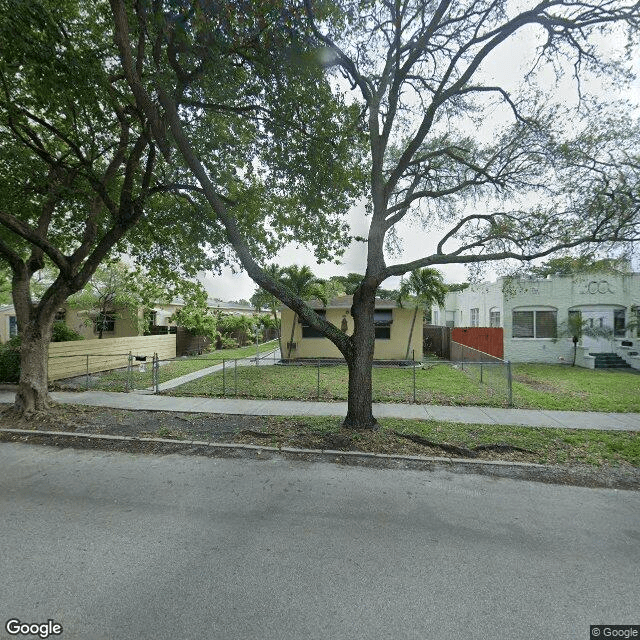
1928 Washington Street, Hollywood, FL 33020
For more information about senior living options: (866) 208-4318
Hollywood Manor Assisted Living Costs & Pricing
Hollywood Manor Assisted Living offers competitive pricing compared to the broader market in Broward County and Florida as a whole. For semi-private accommodations, residents can expect to pay $1,500 per month, significantly lower than the county average of $2,902 and the state average of $3,009. For those seeking more privacy, both the one-bedroom and private room options at Hollywood Manor are priced at $2,800 per month. This is notably less than Broward County's average of $3,651 for a one-bedroom and $3,725 for a private room. Even against Florida's statewide averages of $3,864 for a one-bedroom and $3,699 for a private room, Hollywood Manor represents an exceptional value while maintaining quality care and comfortable living arrangements.
| Floor plans | Hollywood Manor Assisted Living | Broward County | Florida |
|---|---|---|---|
| Semi-Private | $1,500 | $2,902 | $3,009 |
| 1 Bedroom | $2,800 | $3,651 | $3,864 |
| Private | $2,800 | $3,725 | $3,699 |
Memory care communities with a similar price nearby
-
from -$200 / mo
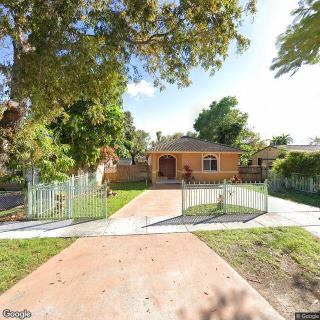
Caring for You #1 Assisted Living Facility, INC
$1,300 / month18.4 miles away -
from -$100 / mo
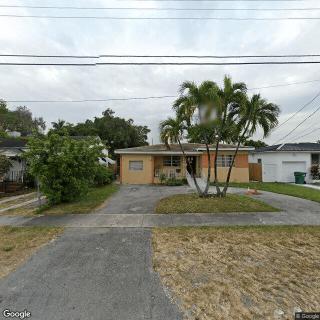
Gonzalez & Sons Home Care
$1,400 to $2,500 / month18.1 miles away -
from -$100 / mo
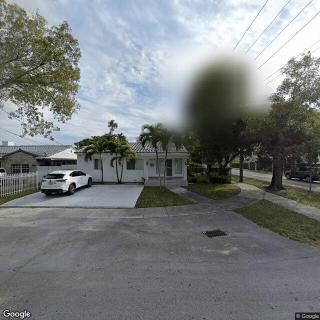
Gonzalez & Sons Home Care II
$1,400 to $2,500 / month17.9 miles away -
About the same
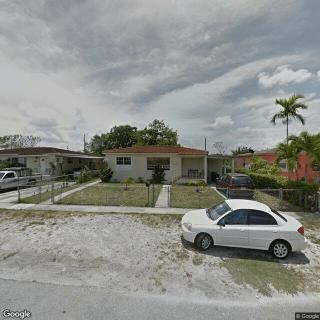
Hogar De Amable Consuelo
$1,500 to $3,000 / month12.4 miles away -
from +$100 / mo
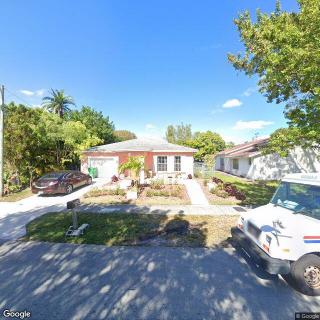
The Caring Place
$1,600 to $2,000 / month9.5 miles away
Overall Review of Hollywood Manor Assisted Living
Pros
 She is being cared for at the assisted living home.
- The staff take care of her, including feeding her and washing her clothes.
- They arrange for her to see the doctor when she is sick.
- She says that everything is going well.
- For the price, the care is as good as can be expected.
Cons
 She can't afford much; she's on a very limited income.
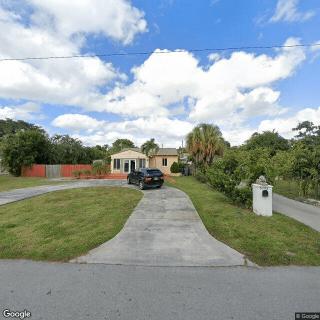
- There is no handicap ramp, so she has to go up a step to get inside and she fell once.
- She has been regressing.
- She has been to the hospital several times in a very short amount of time.
- If she could afford more, she'd be in a much nicer place.
Review
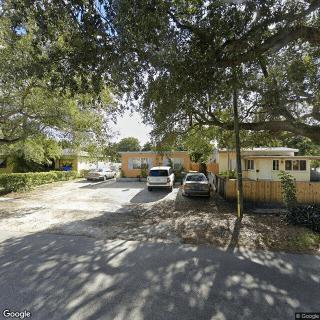
Hollywood Manor Assisted Living in Hollywood is best suited for a senior on a tight budget who needs reliable daily care and basic support, but who can tolerate an older-like residence with limited accessibility. The welcome reality here is affordability paired with essential services: meals, laundry, and help coordinating medical appointments. The facility is not new or flashy; it functions as a practical option where price governs the environment, not a high-end setting. For a resident using a wheelchair, however, the current layout and entrance barriers markedly constrain safety and independence, making this a choice that carries notable risk.
Families weighing alternatives should seriously consider options with stronger safety features and more modern infrastructure. If the budget allows, a newer building with accessible entrances, ramps, updated bathrooms, and robust fall-prevention measures can dramatically reduce hospital visits and the emotional strain of ongoing mobility challenges. Those with higher expectations for social programming, more responsive staffing, and staff trained in geriatrics may find better fit elsewhere. In short, virtually any family prioritizing seamless accessibility and a lower risk of injury will want to compare other communities.
The core positives here, consistent meals, laundry service, and dependable help getting to doctor visits, address the most immediate daily needs and can offset some financial constraints. For a resident who simply requires routine support and basic supervision, these services deliver tangible value: someone to ensure meals are eaten, clothes are cared for, and medical appointments are attended. The consistency of care in these basic areas should not be underestimated when evaluating a low-cost option. However, these advantages do not fully mitigate the serious downsides tied to safety and mobility.
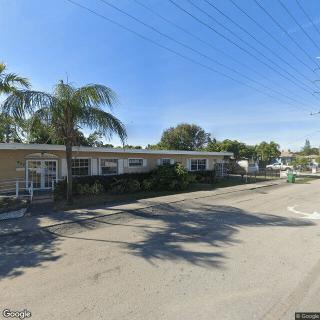
The main drawbacks are structural and safety-related. An older home presenting with no handicap ramp and a step at the entrance creates a clear fall hazard for wheelchair users and others with limited mobility. The described need to traverse that step, coupled with the resident’s fall and subsequent hospital visits, highlights a gap in risk mitigation that cannot be dismissed, even if daily care routines are being met. The note of “regressing” adds a troubling dimension: if cognitive or functional decline accelerates, the environment may fail to support more intensive needs that could arise. In short, the facility meets basic care expectations but falls short on crucial safety infrastructure and proactive medical support.
From a decision-making standpoint, the prudent path is to verify the facility’s current accessibility plan and staffing capabilities before committing. Prospective residents should request a formal assessment of mobility needs, a concrete safety plan (including railing, non-slip surfaces, and a ramp or alternative entry solution), and a detailed care plan that specifies how medical issues will be managed on a day-to-day basis. It is essential to confirm what is included in the rate, what triggers additional charges, and whether there is any room for adjustments if a higher level of care becomes necessary. A tour should be used to inspect entry points, common areas, and emergency response systems, and to assess whether staff presence feels adequate for supervision and quick reaction times.
Ultimately, Hollywood Manor Assisted Living functions as a practical, budget-conscious option for seniors who value dependable daily care over upscale amenities. It may be the right choice for someone who prioritizes affordability and basic support, provided the family accepts the safety limitations and remains vigilant about ongoing risk management. If safety and mobility assurance are non-negotiable, or if hospitalizations become more frequent, alternatives with stronger accessibility and more robust clinical oversight should be pursued. A disciplined tour, direct conversations about safety upgrades, and a clear, written care plan will determine whether this community can bridge the gap between affordability and safety for the resident in question.
 9 resident community capacity
 Assisted Living
 Board and Care Home
 Memory Care
 Respite Care
 Activities off-site
 Cable or satellite TV
 Dining room
 Fully furnished
 Garden
 Housekeeping services
 Indoor common areas
 Move-in coordination
 Outdoor common areas
 Private
 Telephone
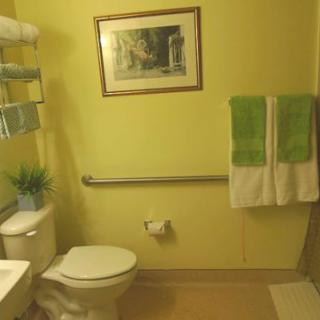
 Wheelchair accessible showers
 Wi-Fi/high-speed internet available
 Fort Lauderdale-Hollywood International (5 miles away)
 24-hour supervision
 Ambulatory care
 Assistance with bathing
 Assistance with dressing
 Assistance with transfers
 Diabetes diet
 Diabetic care
 Incontinence care
 Meal preparation and service
 Medication management
 Special dietary restrictions
 Transportation arrangement (medical)
 Transportation to doctors appointments



 Assisted Living and Memory Care: Understanding Their Core Differences
 Choosing the Right Senior Care: A Detailed Exploration of Assisted Living and Nursing Homes
 Safeguarding Your Memory Through the Golden Years: Eight Ways to Preserve Cognitive Health