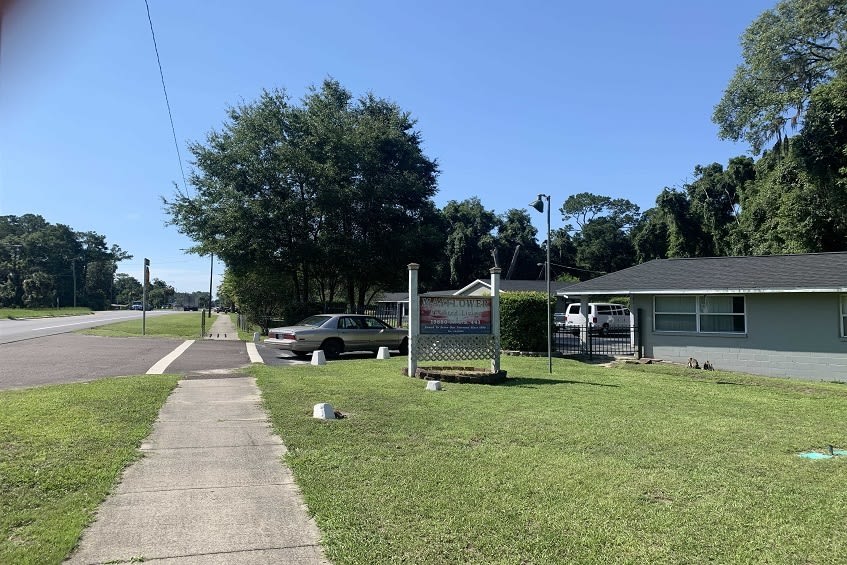
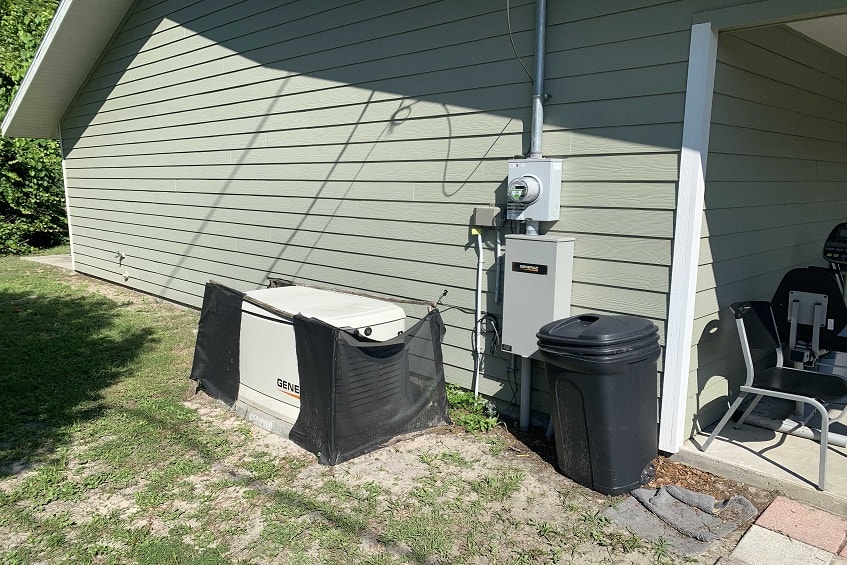


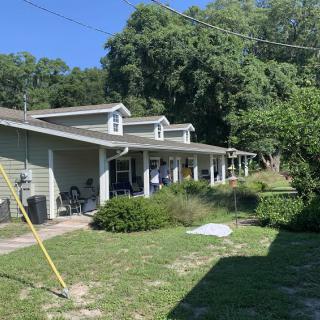


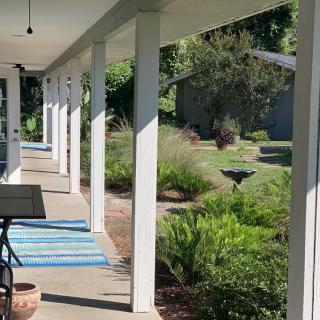
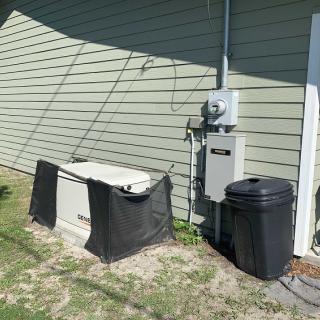

19880 NW US Hwy 441, High Springs, FL 32643
To contact a resident: (850) 418-8588
For more information about senior living options: (866) 208-4318
Mayflower ALF Costs & Pricing
Mayflower Assisted Living Facility offers competitive pricing for its residents when compared to both Gilchrist County and the broader state of Florida. For semi-private rooms, the facility charges $2,800 per month, which is slightly higher than the county's average of $2,473 yet notably more affordable than the state average of $3,009. In contrast, for one-bedroom accommodations, Mayflower aligns with the local market at $3,600 but remains below Florida's state average of $3,864. This positioning not only highlights Mayflower ALF's commitment to providing high-quality care and comfortable living spaces but also reflects a strategic approach in catering to both local and state-wide demands for assisted living services.
| Floor plans | Mayflower ALF | Gilchrist County | Florida |
|---|---|---|---|
| Semi-Private | $2,800 | $2,473 | $3,009 |
| 1 Bedroom | $3,600 | $3,600 | $3,864 |
Assisted Living communities with a similar price nearby
-
from +$550 / mo
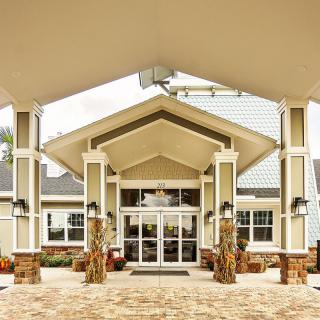
The Canopy of Harper Lake
$3,350 to $4,350 / month24.1 miles away -
from -$220 / mo

Riverwood Lodge Assisted Living
$2,580 to $3,180 / month8.2 miles away
Overall Review of Mayflower ALF
Pros
 The tour at Mayflower was great.
- The people were nice.
- They seemed to accommodate the needs of their residents.
Cons
 The community was smaller and consisted only of retired military men, leaving the mother as the only woman.
- There were not as many activities.
Review
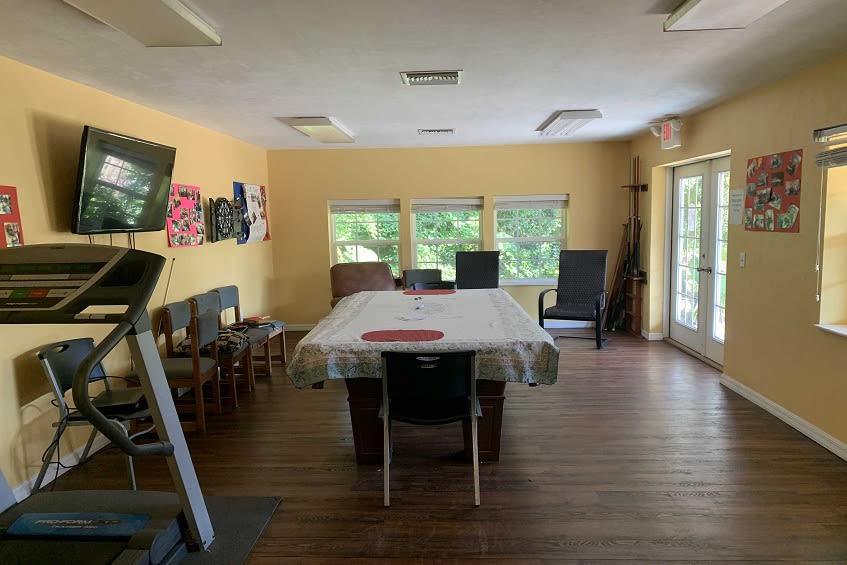
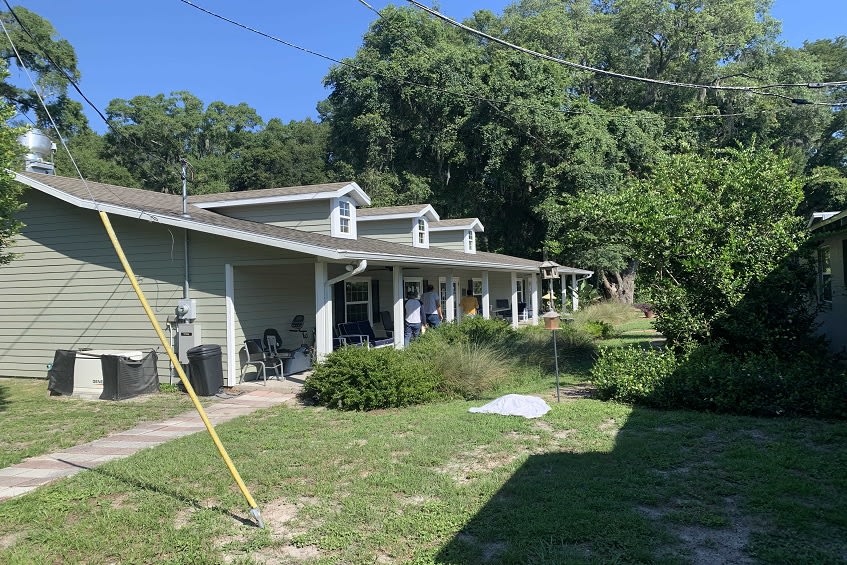
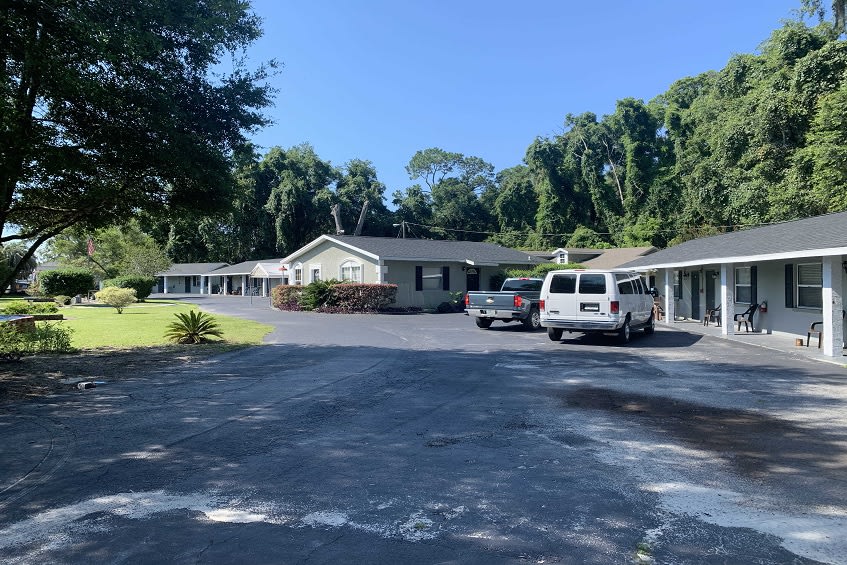
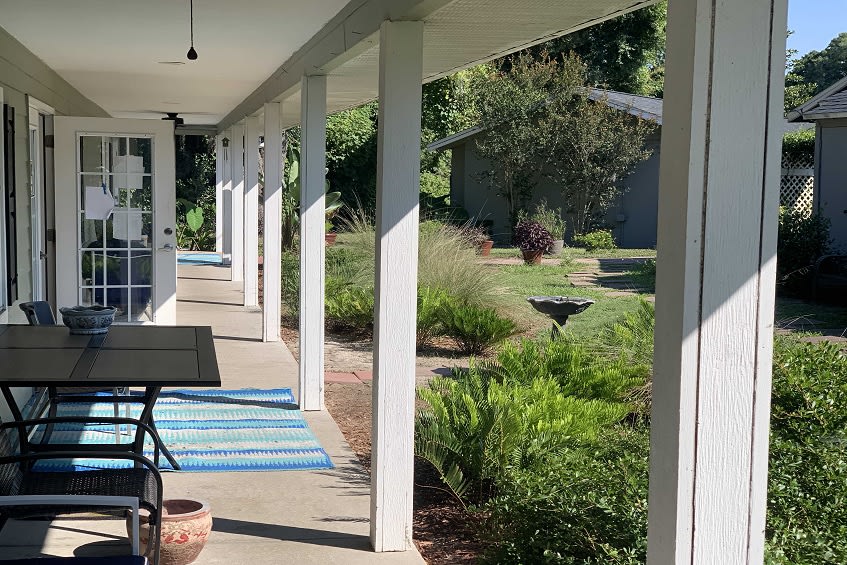
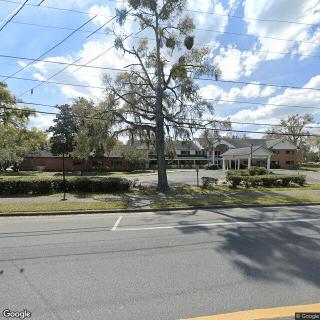
This community is best suited for families seeking a small, intimate assisted living option with a calm, predictable environment. Mayflower ALF in High Springs, Florida presents as a compact, neighborly house that prioritizes personal attention and ease of management. The resident community skews toward a veteran demographic, which can foster easy camaraderie and respectful routines. For seniors who value a quiet pace, straightforward care, and staff who know residents by name, this setting delivers with a notable degree of warmth. The smaller size translates into quicker responses to requests and more visible oversight, a meaningful asset for families prioritizing safety and individualized attention.
Consider alternatives if the priority includes a more diverse, dynamic social life. The tour notes a small, male-dominated resident base, retired military men with very few women in residence, raising questions about social balance and gender-specific programming. If a loved one thrives on ongoing activities, varied outings, and broader peer interactions, Mayflower may feel limited. For families seeking a campus with a broader activity calendar, more opportunities for female companionship, or a more mixed population, exploring other small-to-mid-size or larger communities would be prudent.
From the positive side, the experience conveyed by reviewers centers on hospitality and responsiveness. The tour left a favorable impression as staff were described as nice, and the environment as welcoming. The core benefit of Mayflower lies in its compact footprint: staff can tailor routines, monitor wellness, and accommodate individual preferences with less bureaucracy. That ability to adapt to residents’ needs, without a sprawling organizational ladder, helps offset a lean activities lineup and reduces the risk of residents feeling overlooked. In this sense, Mayflower’s strengths are practical, not flashy, and they align with families seeking dependable, person-centered care.
Nevertheless, the lean activities calendar is a real consideration. Without a large resident pool, opportunities for varied engagement may lag behind larger communities, and the social mix can feel static. For someone who places high value on daily enrichment, clubs, outings, and a more diverse peer group, the tradeoffs could be substantial. The absence of a more gender-balanced environment may also matter to residents who rely on broad social interaction or wish for friendships outside a male-focused network. These factors do not negate care quality, but they influence ongoing satisfaction and perceived quality of life.
To decide, prospective families should verify several practical details during a tour. Request a current activity calendar and observe how staff facilitate participation; ask about transportation to events, appointments, and social visits; and confirm the level of care Mayflower can sustain over time, including how mobility or memory-related needs are handled. It is also wise to discuss how families are integrated into daily life, meal choices, guest policies, and visiting hours, and to probe for any plans to diversify programming or resident demographics. Because the setting thrives on close-knit relationships, firsthand observation of staff-resident interactions is especially telling.
Overall, Mayflower ALF presents a sensible option for seniors who prize quiet consistency, individualized attention, and a veteran-friendly atmosphere in a compact setting. It excels when the priority is safety, predictability, and responsive caregiving delivered in a small-community frame. Those seeking a more animated social life, broader programming, or a gender-diverse resident population should compare alternatives with richer calendars and larger scale. For families willing to trade some activity variety for a dependable, person-centered environment, Mayflower ALF deserves careful consideration and a detailed, on-site visit to confirm that it matches the loved one’s preferences and care needs.
 Assisted Living
 Activities on-site
 Devotional services off-site
 Indoor common areas
 Gainesville Regional (22 miles away)
 Ambulatory care
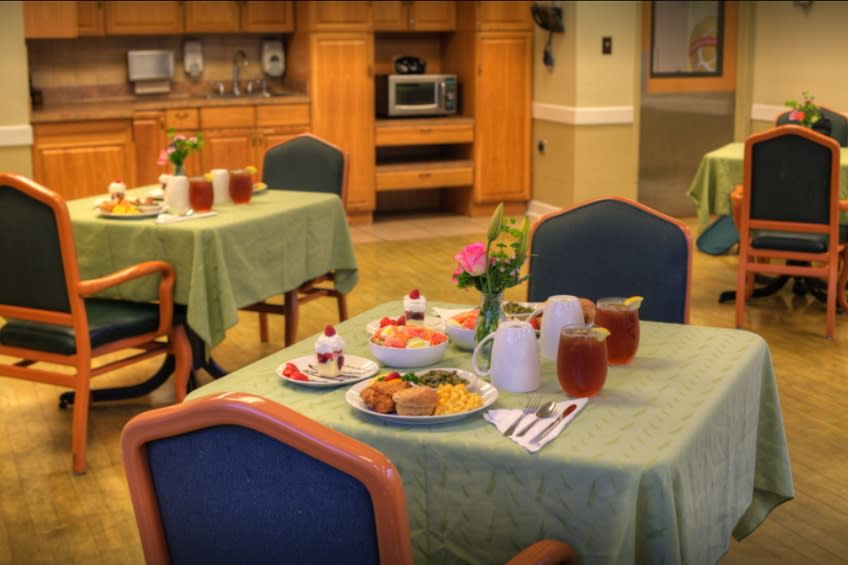
 Meals provided



 8 Key Indicators That Suggest It May Be Time to Transition from Assisted Living to Skilled Nursing Care
 Vibrant Senior Living: A Comprehensive Guide for Active Older Adults
 When to Transition from Assisted Living to Memory Care: Key Indicators, Steps, and Finding the Right Community