
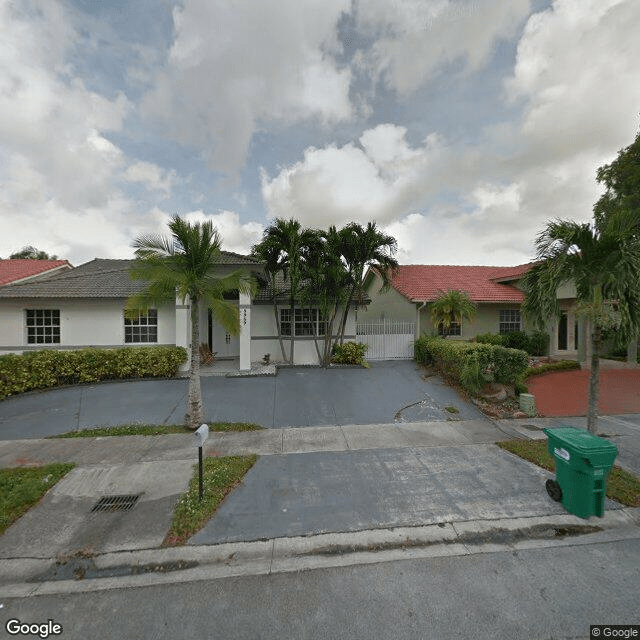
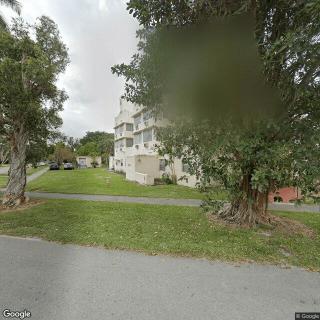
8969 North West 152 Lane, Hialeah, FL 33016
For more information about senior living options: (866) 208-4318
Maggy's Home Care Costs & Pricing
Maggy's Home Care offers a range of room types with pricing that reflects the unique services and quality of care provided. For a studio, residents can expect to pay $4,330 per month, which is higher than both Miami-Dade County's average of $3,886 and the state average of $3,823. The one-bedroom accommodation is priced at $6,700, significantly exceeding local rates of $3,775 and the state average of $3,864. For those seeking more privacy with a private room option, the cost at Maggy's is $7,530, well above Miami-Dade's average of $3,304 and Florida's overall average of $3,699. While Maggy's rates may be on the higher end compared to county and state averages, they reflect a commitment to superior care and individualized attention that many families find invaluable in ensuring their loved ones receive exceptional support.
| Floor plans | Maggy's Home Care | Miami-Dade County | Florida |
|---|---|---|---|
| Studio | $4,330 | $3,886 | $3,823 |
| 1 Bedroom | $6,700 | $3,775 | $3,864 |
| Private | $7,530 | $3,304 | $3,699 |
Assisted Living communities with a similar price nearby
-
from +$515 / mo

The Sheridan At Cooper City
$4,845 to $6,100 / month9.8 miles away -
from +$170 / mo

Bay Oaks
$4,500 to $7,000 / month12.2 miles away -
from -$530 / mo
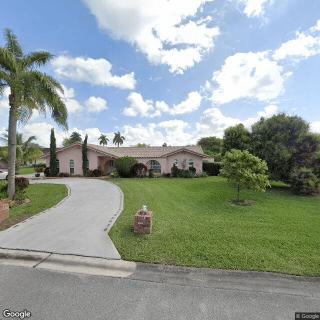
Coral Springs Country Club for Seniors
$3,800 to $4,500 / month24.8 miles away -
About the same

Vi at Aventura, a CCRC
$4,440 to $7,638 / month13.3 miles away -
from +$170 / mo

The Oasis at Coral Reef
$4,500 to $5,700 / month19.5 miles away
Overall Review of Maggy's Home Care
Pros
 They felt blessed to have found Maggy’s Home Care, praising the owners and staff as beyond wonderful to their mother-in-law.
- They valued the team’s excellent communication and being kept informed of her health at all times until her last days.
- They appreciated Maggy’s focus on Spanish-speaking staff and Latin food, which helped the family feel understood and cared for.
- They highly recommend Maggy’s Home Care, noting that they were treated like family.
- They praised the nurses as loving and compassionate, and appreciated the staff’s availability to answer questions and check on their loved one.
- They were grateful for proactive care and timely follow-up, including hospital assessments when needed.
Review
Maggy’s Home Care in Hialeah is best suited for families seeking a warm, culturally attuned care option where language, food, and personal touch matter as much as clinical oversight. The models of care shown in the reviews point to a setting that feels like family, not a sterile institution. It is especially well-matched for Spanish-speaking seniors and multi-lingual families who want clear, ongoing communication, easy access to caregivers, and daily life that respects Latin culture, including familiar meals. For families prioritizing comfort, relational trust, and visible owner involvement, this community stands out as a practical, emotionally supportive choice.
Those who may want to consider alternatives are typically families pursuing a more clinical, hospital-like atmosphere with a broader breadth of medical therapies or a setting designed for higher levels of specialized care. If English-only environments, fewer cultural accommodations, or larger, more protocol-driven facilities are important, other options may offer the scale and range of services needed. Likewise, when the priority is a neutral, non-personalized atmosphere or a setting with vast institutional resources, exploring other providers could be sensible.
The strongest positives, cultural and linguistic alignment, compassionate staffing, and active owner involvement, create a powerful offset to potential drawbacks inherent in smaller, home- or boutique-style care operations. The ability to speak with caregivers in the patient’s language reduces miscommunication, enhances dietary satisfaction, and improves overall care coordination. The owners’ direct engagement translates into consistent accountability; questions are answered promptly, and care plans feel personally tailored rather than outsourced. Those factors collectively mitigate the sense that a smaller operation must trade depth of resources for intimacy.
Equally compelling are the caregivers themselves: nurses described as loving and compassionate, with a readiness to take decisive steps when a health change is observed. One of the clearest advantages is the proactive hospital liaison, family members report that when a patient isn’t doing well, the team immediately recommends the best next move and continues to monitor and follow up afterward. This combination of bedside warmth and practical medical advocacy helps families sleep better at night, knowing there is a vigilant, holistic approach to daily wellness and safety. The communication pattern, ongoing, transparent, and available, builds trust and reduces ambiguity during health concerns.
In practical terms, families should verify a few core elements before deciding. Confirm the languages spoken by the care team and whether Spanish and cultural preferences can be consistently supported in daily routines. Inquire about meal plans and whether Latin dishes are standard or adaptable to dietary needs. Ask how care coordination works with external medical providers and what the process looks like for hospital transfers or escalations. Request examples of typical updates provided to families and the expected frequency of communication. Lastly, assess whether the intimate, family-like environment aligns with long-term expectations, if a broader spectrum of therapies or a larger clinical footprint is required, exploring alternatives remains prudent.
Overall, Maggy’s Home Care offers a compelling fit for families who prize language comfort, cultural resonance, and a visibly hands-on, family-centered care model. The combination of responsive owners, genuinely caring nurses, and clear communication creates a reliable foundation for entrusted elder care. For those whose priorities align with these strengths, the decision becomes straightforward: this community delivers a practical, emotionally supportive care experience that often feels like a trusted extension of home. For others, a careful comparison against larger, more facility-driven options will ensure the choice fully matches clinical needs and long-term care goals.
 6 resident community capacity
 Assisted Living
 Board and Care Home
 Respite Care
 Cable or satellite TV
 Dining room
 Fully furnished
 Garden
 Housekeeping services
 Move-in coordination
 Outdoor space
 Telephone
 Wi-Fi/high-speed internet available
 Miami International (9 miles away)
 24-hour supervision
 Activities of daily living assistance
 Assistance with bathing
 Assistance with dressing
 Assistance with transfers
 Diabetes diet
 Meal preparation and service
 Medication management
 Special dietary restrictions
 Transportation arrangement (medical)
 Transportation to doctors appointments

 How and When Medicaid May Cover Assisted Living Costs
 A Detailed Exploration of Assisted Living Medicaid Waivers Across the United States
 Comprehensive Residential Support and Assisted Living Solutions for Individuals with Disabilities