
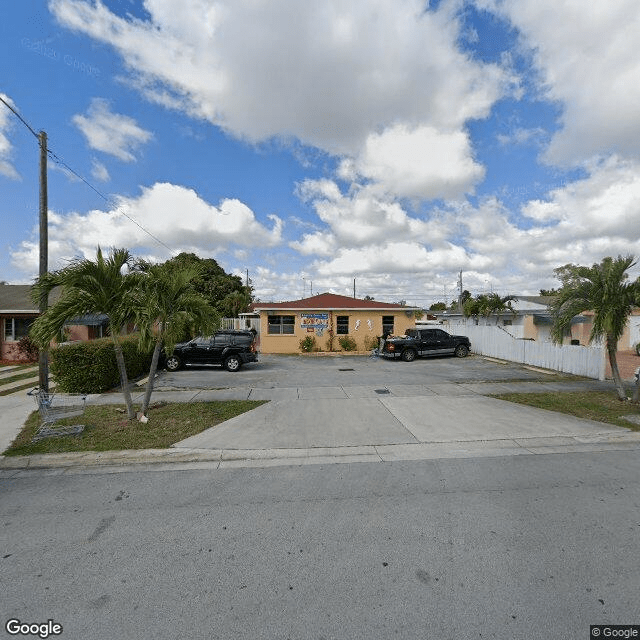
461 East 31St Street, Hialeah, FL 33013
For more information about senior living options: (866) 208-4318
Charity Care Costs & Pricing
In evaluating the costs associated with Charity Care, it is evident that the program provides a more affordable alternative compared to the prevailing rates in Miami-Dade County and across Florida. For instance, the cost for a semi-private room under Charity Care stands at $2,300, which is slightly higher than the county's average of $2,250 but considerably lower than the state average of $3,009. Similarly, when looking at one-bedroom accommodations, Charity Care's rate of $3,000 is more economical than Miami-Dade's average of $3,775 and remains competitive against Florida's overall rate of $3,864. This illustrates Charity Care's commitment to making essential health services accessible without imposing excessive financial burdens on individuals seeking assistance.
| Floor plans | Charity Care | Miami-Dade County | Florida |
|---|---|---|---|
| Semi-Private | $2,300 | $2,250 | $3,009 |
| 1 Bedroom | $3,000 | $3,775 | $3,864 |
Memory care communities with a similar price nearby
-
from +$100 / mo
Ana's Assisted Living Facility
$2,400 / month11.3 miles away -
from +$200 / mo
La Casita Nuestra Home
$2,500 to $3,500 / month12.5 miles away -
from +$200 / mo
Anne Adult Family Care Home
$2,500 / month19.0 miles away -
from -$300 / mo
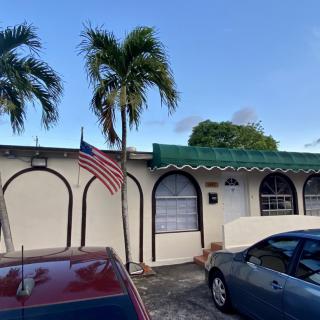
Care and Love Retirement Home
$2,000 to $2,500 / month0.7 miles away -
from -$80 / mo

Miami Jewish Home & Hospital for the Aged
$2,220 to $7,500 / month5.4 miles away
Overall Review of Charity Care
Pros
 The staff are caring and easy to work with.
- They take really good care of residents.
- The community is very clean and has a pleasant atmosphere.
- The facility offers activities for residents.
- The meals offer variety and residents seem pleased.
- The care and value of the community are recommended to other families.
- Residents enjoy a variety of foods, including familiar options like Hispanic dishes.
Cons
 The facility is horrible.
- The staff pulled the grandfather across the floor by his arm, causing him pain.
- The staff claimed he could walk, which contradicts his condition.
- The place makes residents sit down and basically give up.
- The grandfather deteriorated drastically after being there and is now in a wheelchair and barely talks.
- The worst place ever to take care of a loved one.
- The facility takes advantage of Medicare/Medicaid and shuffles patients between facilities, leaving families unsure where their loved one is.
- They collect insurance money while neglecting care, which is immoral.
Review
Charity Care in Hialeah is best suited for families who want a nearby, clean, and socially oriented environment and who can devote time to active oversight. The most reliable experiences здесь come when staff communicate and respond, meals are varied, and residents have access to meaningful activities. This community is not a hands-off option for those requiring consistent, high-touch medical supervision or for families unwilling to frequently check in and participate in care planning. The practical outcome depends on ongoing family involvement and a readiness to insist on accountability when concerns arise.
Alternatives become reasonable considerations for seniors with advanced medical needs or cognitive impairment that requires steady, skilled staffing and tightly controlled routines. If safety concerns or risk of mismanagement weigh heavily, a facility with a clearer track record of regulatory compliance and stable caregiving should be evaluated. For households unable to visit regularly or engage daily in care decisions, prioritizing communities with transparent incident reporting and more predictable staffing assignments is prudent.
On the positive side, several residents benefit from a clean environment, approachable staff, and engaging activities, with families valuing proximity for frequent visits and a dining program that offers variety. These elements can materially elevate quality of life and help sustain a sense of normalcy. Yet the strongest threads in the feedback point to inconsistent care, episodes that sound like mistreatment, and questions about staff responsiveness and patient safety. When these concerns arise, the facility’s ability to address them swiftly and openly becomes the decisive factor, often outweighing the pleasant atmosphere and good meals.
Decision-minded families should demand concrete assurances: current staffing ratios by shift, the model for assigning caregivers, and how care plans are updated for conditions such as dementia or mobility limitations. Insist on access to incident and medical logs, licensing status, and a transparent policy on patient transfers between facilities. Schedule multiple tours at different times, speak privately with frontline staff and residents, and request references from recent families. Confirm that care planning includes timely pain management, mobility support, and activities aligned with the loved one’s interests and cultural preferences.
The reviews show a stark divergence: some families report excellent care, attentive communication, and a nurturing environment; others allege systemic abuse concerning Medicare/Medicaid and ongoing patient shuffling with little certainty about a loved one’s location. That split underscores the danger of assuming uniform quality and the necessity of verifiable commitments from leadership. When care teams truly engage, residents often enjoy community, language- and culturally appropriate meals, and reliable housekeeping; when management is opaque or defensive, those positives rapidly fade.
Bottom line: Charity Care can be a viable choice for families prioritizing proximity, cleanliness, and social programming, provided there is a readiness to supervise care very closely. For those needing consistent, high-stakes medical oversight or who cannot commit to regular supervision, exploring stronger-safety-record alternatives is wise. If choosing Charity Care, implement a rigorous due-diligence process, secure clear care-planning and oversight structures, and maintain proactive, ongoing communication with the facility to maximize the chances of a safe, dignified experience for the loved one.
 20 resident community capacity
 Assisted Living
 Board and Care Home
 Day Program
 Memory Care
 Respite Care
 Beauty salon
 Cable or satellite TV
 Devotional services off-site
 Dining room
 Fully furnished
 Garden
 Housekeeping services
 Indoor common areas
 Kitchenette
 Move-in coordination
 Outdoor common areas
 Telephone
 Wheelchair accessible showers
 Wi-Fi/high-speed internet available
 Miami International (4 miles away)
 24-hour call system
 Ambulatory care
 Assistance with bathing
 Assistance with dressing
 Assistance with transfers
 Diabetes diet
 Diabetic care
 Incontinence care
 Meal preparation and service
 Medication management
 Mental wellness program
 Special dietary restrictions
 Transportation arrangement (medical)
 Transportation to doctors appointments


 How and When Medicaid May Cover Assisted Living Costs
 A Detailed Exploration of Assisted Living Medicaid Waivers Across the United States
 Exploring the Contrasts Between Assisted Living and Skilled Nursing