
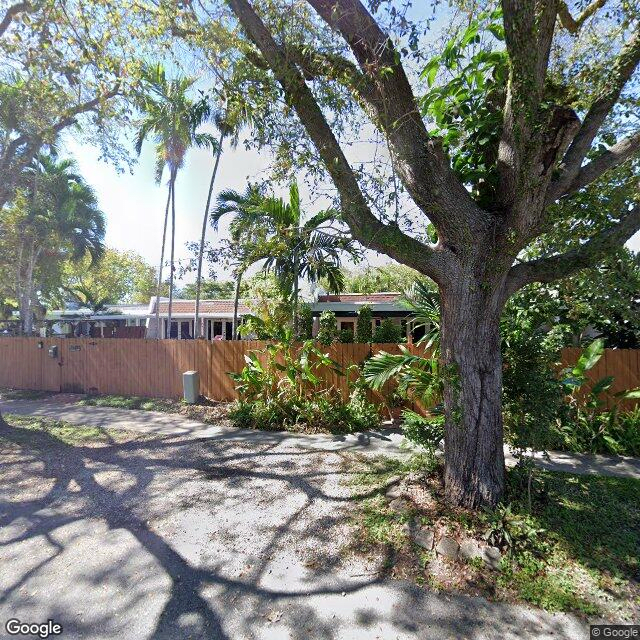
7361 Pine Valley Dr, Miami Lakes, FL 33015
To contact a resident: (786) 208-1442
For more information about senior living options: (866) 208-4318
Overall Review of Brito's Home ALF
Pros
 Mr. Brito seems very decent.
- Virginia is very caring.
- The reviewer notes that their mother has lived there for over four years and is lovingly cared for.
- This ALF is regarded as the best of the three by location.
Cons
 The staff and doctors at Miami Shoes Regan & Nursing do not recommend this place.
- They do not recommend anyone to that rehab or Britos ALF or any of its ALFs.
- What the reviewer’s mother went through there with their creations was horrible.
- The mother arrived and within 24 hours sustained a sprained foot and was unable to walk.
- She did not recover from rehab.
- The rehab had no cameras, and the employees denied everything, with the employees deciding everything.
- The owner demanded an excessive monthly fee, making it not worth the price for the small facility.
- The rooms smelled dirty like poop.
Review
Brito's Home ALF in Miami Lakes is best suited for families seeking a small, home-like environment where caregiving can feel personal and where a steady, familiar staff presence has earned trust over time. The most compelling case for this community is the longevity of residence and the sense of continuity some families describe, including a resident who has lived there for several years and a staff member, Virginia, who is repeatedly praised for genuine care. For households prioritizing easy family access and a setting that feels intimate rather than institutional, Brito's offers a recognizable, low-key atmosphere that can be comforting.
That said, serious considerations point to alternatives for residents who require more robust medical oversight, stricter accountability, or greater transparency in operations. The most emphatic warning signs concern safety, cleanliness, and pricing, all of which can be make-or-break factors for seniors with complex needs or families watching every dollar. If the resident relies on consistent medical management, clear documentation of care, or formal oversight by licensed professionals, it may be wiser to compare larger, more regulated options with visible staffing ratios, cameras, and documented policies. In short, this is not a universal fit, it's a choice with clear potential downsides for certain needs.
On the plus side, the positives cluster around personalized attention and a sense of belonging. The aligned testimony from residents who have found stability and feel cared for over multiple years is meaningful: visitors are welcomed, and family members can drop in without bureaucratic hurdles. Virginia, described as compassionate and attentive, embodies the kind of caregiver presence that can make daily life easier for residents who thrive on consistent, familiar routines. The proximity to family and the ability to visit freely also contribute to a feeling of security for some households, underscoring why this setting can work when trust in the daily caregiving relationship is well established.
However, the strongest cons are weighty and non-negotiable for many families. A separate, conflicting account describes a traumatic rehab experience with alleged mistreatment and miscommunication, casting a long shadow over the facility, especially when medical decisions appear to be driven by staff without transparent oversight. Additional concerns include a back-entrance layout that feels unconventional, a noticeable odor in resident rooms, and a perception that pricing is steep for the space offered. The absence of cameras or robust monitoring compounds distrust for families who want verifiable accountability. Taken together, these factors erode confidence in consistent safety, which is central to choosing any assisted-living option.
The key to navigating Brito's decision is weighing the hard realities against the personal, home-like appeal. The pros, familiar faces, accessible visitation, and a localized, intimate environment, can offset some anxieties if the resident thrives on routine, connection, and low-stress logistics. Yet the main cons, potential gaps in medical oversight, questionable transparency, cleanliness concerns, and high cost for a small footprint, are not easily dismissed. For households where medical needs may escalate or where accountability and clear pricing are non-negotiable, these red flags argue strongly for comparing other options before committing.
In practical terms, families considering Brito's should demand concrete, written assurances before any commitment: a detailed care plan with responsibilities assigned to licensed professionals, a transparent monthly fee breakdown, and documented policy on emergencies, incident reporting, and resident rights. Request to tour at different times, meet multiple staff members, and observe during routine care to gauge cleanliness and interaction quality. Speak with other families about consistency of care and any adverse experiences, and verify licensing status with the state. If the resident requires more comprehensive medical supervision or if pricing feels opaque or inflated, it is prudent to keep searching for alternatives with stronger oversight, clearer communication, and demonstrably consistent care.
The bottom line: Brito's Home ALF can be a suitable home for seniors who value a compact, family-like setting and have confidence in a stable, personally attentive staff. For those who cannot tolerate ambiguity, require rigorous clinical support, insist on transparent operations, or prioritize value alongside safety, alternative options are likely a better long-term fit. The decision should hinge on the resident’s care needs, the family's tolerance for risk, and the clarity of the facility’s policies, not on sentiment alone.
 Board and Care Home
 Miami International (11 miles away)



 Ten Vital Duties of a Senior Caregiver: A Comprehensive Guide
 9 Stimulating Memory Activities for Seniors: Puzzles, Cards, and Much More
 Managing Nursing Home Expenses After Medicare Coverage Ends