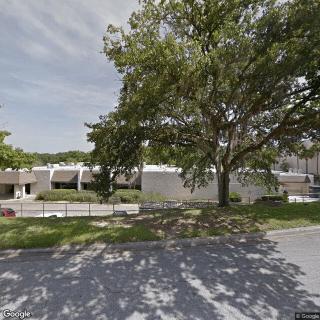
The Village At Gainesville

Save

The Village At Gainesville

8000 North West 27Th Boulevard, Gainesville, FL 32606

For more information about senior living options: (844) 490-3973

4.1 from 92 reviews
5 stars
59
4 stars
13
3 stars
4
2 stars
1
1 stars
15

Assisted Living Independent Living Memory Care Respite Care

Overall Review of The Village At Gainesville

Pros

  • pro The Village at Gainesville has a beautiful, well-maintained campus with supportive staff.
  • pro Residents enjoy a carefree, resort-like lifestyle with a wide range of activities and social opportunities.
  • pro The staff are courteous, friendly, and consistently go out of their way to help, making residents feel cared for.
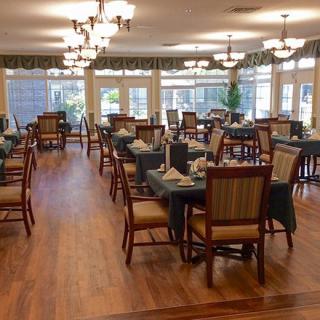
  • pro The dining program offers multiple venues and a variety of delicious, high-quality menu options.
  • pro The campus provides extensive walking areas, gardens, and scenic lakes for residents to enjoy.
  • pro Families feel reassured by the safety and staff availability for assistance when needed.
  • pro The Village offers a broad spectrum of care options, from independent living to memory care, with on-site therapies and transportation.
  • pro The community is described as friendly, welcoming, and engaging, with many resident-led groups and events.
  • pro Administration is praised for transparency, responsiveness, and effective communication with residents.
  • pro The Village is recognized for its caring culture, strong sense of community, and high overall satisfaction.

Cons

  • pro The staff are rude and aren't the people you want to leave your loved ones with.
  • pro Short-staffed employees mean residents aren't getting the attention and care they need.
  • pro The management yells a lot and has not solved the food situation, only made it worse.
  • pro The food is subpar or merely adequate for the price.
  • pro There is very little assisted living presence; staff or help are scarce.
  • pro The facility is fairly expensive.

Review

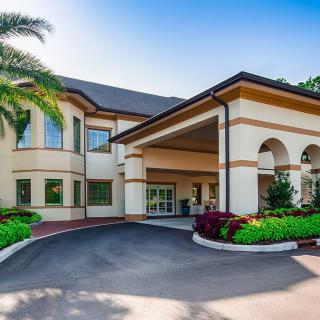
The Village at Gainesville is best suited for active seniors who want a spacious, resort-like campus with seamless access to a full spectrum of care options - from independent living to memory care - without relocating when needs change. It works especially well for couples who wish to remain together as care needs evolve, thanks to multiple living options on one 104-acre campus, on-site dining venues, transportation, and a robust slate of activities. The grounds and on-site amenities create a livable, energetic environment where social engagement and daily variety can be part of everyday life, allowing residents to age in place with support close at hand.

That said, some buyers should consider alternatives. The Village's breadth and scale can feel overwhelming, and price sensitivity is a real factor for many families. A portion of reviewers flag price increases and what they perceive as value tied to ongoing costs, which can strain budgets over time. Others seek a smaller, quieter setting or a community with unusually consistent service across all departments; in those cases, the size and pace of The Village may feel less intimate. Finally, families prioritizing flawless, restaurant-restaurant-quality dining or uniformly seamless customer service at all times may want to verify current staffing levels and communication norms during an in-depth tour.

The core strengths - outstanding campus beauty, a wide array of activities, multiple dining venues, and on-site care - often offset the most significant drawbacks. Residents repeatedly praise the friendly, courteous staff, the sense of community, and the ease of moving from independent living to assisted living or memory care without leaving the campus. The diversity of programs - from lectures and arts to fitness, gardening, and social clubs - creates a dense social fabric that makes boredom unlikely and meaningful connection more likely. Clean, well-maintained grounds, reliable transportation around the campus, and strong maintenance responsiveness further reinforce the feeling of a well-managed, resident-centered environment.

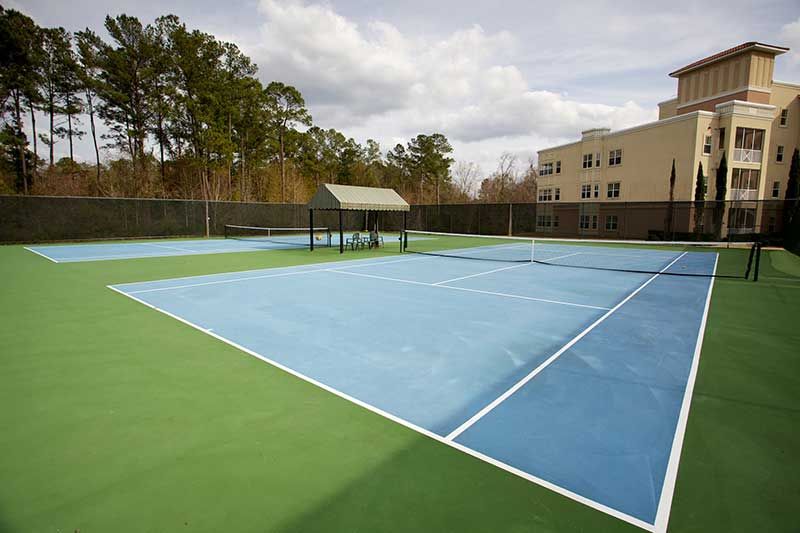
Dining and amenities are a standout advantage, contributing to overall satisfaction for many residents and families. The on-site dining options are plentiful, with several venues and menus that rotate, which matters when one is trading cooking and cleaning duties for convenience. The campus also features a therapy pool, walking trails, gardens, and even niche touches like a dog park and a pond with wildlife, all of which support an active lifestyle. While some critics note variability in food quality and preparation, the general consensus remains that residents enjoy substantial dining variety and an environment that supports engagement, learning, and recreation, which can significantly boost quality of life for long-term stays.

Risks worth weighing include perceptions of uneven responsiveness and communications at times, and the price/value calculus that some families find unfavorable. A minority of reviews describe experiences with management or staffing that feel distant or inconsistent, and a few note feeling rushed or overextended staff during busy periods. These concerns do not negate the many positive experiences but do underscore the importance of conducting a rigorous, firsthand assessment - talking to current residents, reviewing a sample activity calendar, sampling each dining venue at different times, and requesting transparent cost projections with any anticipated increases.

For families leaning toward The Village, a disciplined, decision-focused approach is essential. Prioritize a comprehensive tour that includes a candid conversation with independent living residents, assisted living neighbors, and memory-care families about day-to-day staffing, response times, and communication channels. Insist on site-specific pricing, including monthly increases, and request a written, current services/amenities list with no hidden fees. If affordability and consistent service are non-negotiables, compare with smaller, non-profit communities or facilities with tighter patient-to-staff ratios and more predictable pricing. Yet for those who prize a vibrant social milieu, varied dining, and the flexibility to transition care on campus, The Village at Gainesville remains a compelling, well-regarded choice when due diligence is met and expectations are aligned with the community's scale and pace.

Features

Housing

  • 140 resident community capacity 140 resident community capacity

Types of Care

  • Assisted Living Assisted LivingAssisted living facilities provide crucial support and care for seniors who may need help with daily tasks such as medication management, bathing, and meal preparation. These communities offer a safe and comfortable environment where seniors can maintain their independence while receiving the assistance they need to thrive in their golden years.
  • Independent Living Independent LivingIndependent living communities are important for seniors because they offer a safe and supportive environment where older adults can live independently while still having access to amenities and services that enhance their quality of life. These communities provide social opportunities, recreational activities, and assistance with daily tasks, promoting overall well-being and allowing seniors to maintain their independence for as long as possible.
  • Memory Care Memory CareMemory care is crucial for seniors as it provides specialized support and services for individuals with dementia or Alzheimer's disease. These programs offer a safe and secure environment where residents receive personalized care, cognitive stimulation, and help with daily activities. Memory care helps seniors maintain their independence, quality of life, and dignity while also providing peace of mind for their families.
  • Respite Care Respite CareRespite care provides temporary relief for caregivers, allowing them to recharge and attend to their own needs. It also gives seniors the opportunity to socialize, receive professional care, and experience a change of scenery, promoting overall well-being and reducing feelings of isolation.

Amenities

  • Air-conditioning Air-conditioningAir conditioning is important for seniors as they are more vulnerable to heat-related illnesses and may have underlying health conditions that make it difficult for them to regulate their body temperature. It helps to keep them comfortable, safe, and healthy in hot weather.
  • Beauty salon Beauty salonBeauty salons are important for seniors because they provide a space for them to feel pampered, socialize, and maintain their personal grooming and hygiene. Regular visits to a beauty salon can help boost seniors' self-esteem and overall well-being.
  • Cable or satellite TV Cable or satellite TVCable or satellite TV is important for seniors because it provides entertainment, news, and companionship, helping to combat loneliness and boredom. It also offers a wide range of programming options tailored to different interests and preferences.
  • Computer center Computer centerA computer center is essential for seniors as it provides access to technology, communication tools, and resources that can enhance their daily lives. It allows them to stay connected with loved ones, engage in online activities, and learn new skills, ultimately promoting socialization and mental stimulation.
  • Dining room Dining roomDining rooms are important for seniors as they provide a space for socialization, connection, and nutritious meals. They offer opportunities for residents to bond over shared meals, foster a sense of community, and promote healthy eating habits. Dining rooms also ensure that seniors have access to well-balanced meals tailored to their dietary needs and preferences.
  • Fitness room Fitness roomHaving a fitness room in a senior living community is essential for seniors to stay active, maintain their physical health, and improve their overall well-being. Regular exercise can help prevent falls, reduce the risk of chronic diseases, and promote mental sharpness. It also provides social opportunities for residents to connect with others and enjoy a sense of community.
  • Fully furnished Fully furnishedFully furnished senior living communities are important for seniors because they provide convenience, comfort, and a hassle-free moving experience. Seniors can easily settle into their new living space without the stress of having to buy and move furniture. This allows them to focus on enjoying their new home and community.
  • Gaming room Gaming roomGaming rooms are important for seniors as they provide a fun and engaging environment for socializing, cognitive stimulation, and physical activity. Games can improve memory, problem-solving skills, and overall mental well-being while fostering friendships and reducing feelings of isolation.
  • Garden GardenGardens are important for seniors as they provide a peaceful and therapeutic environment for relaxation, physical activity, and socialization. Being in nature has been shown to reduce stress, improve mood, and promote overall well-being. Gardens also offer opportunities for seniors to engage in gardening activities, which can improve mobility, flexibility, and cognitive function. Additionally, gardens create a sense of community and connection with others who share a passion for plants and outdoor spaces.
  • Housekeeping services Housekeeping servicesHousekeeping services are important for seniors because they help maintain a clean and safe living environment, promote independence, and reduce the risk of accidents or illnesses. Additionally, having assistance with household chores can alleviate physical strain and allow seniors to focus on other aspects of their well-being.
  • Kitchenette KitchenetteKitchenettes are important for seniors living in senior living communities because they provide the convenience and independence of being able to prepare simple meals and snacks in the comfort of their own living space. This can help promote a sense of autonomy and well-being for seniors, allowing them to maintain some level of control over their dietary choices and daily routines.
  • Move-in coordination Move-in coordinationMove-in coordination is important for seniors because it helps ease the transition into their new living environment. It ensures that all logistics, such as packing, organizing movers, and setting up utilities are taken care of, allowing seniors to focus on settling in and adjusting to their new home. Having a smooth move-in process can alleviate stress and anxiety, making the transition smoother and more enjoyable for seniors.
  • Outdoor space Outdoor spaceOutdoor spaces are important for seniors as they provide opportunities for physical activity, social interaction, exposure to natural light and fresh air, and a sense of connection to nature. Having access to outdoor spaces can improve overall well-being and quality of life for older adults living in senior communities.
  • Private bathrooms Private bathroomsPrivate bathrooms are important for seniors in senior living communities because they provide independence, dignity, and comfort. Having a private bathroom allows seniors to maintain their personal hygiene routines without the need for assistance, promoting a sense of autonomy and privacy. Additionally, private bathrooms help prevent the spread of infections and provide a safe and clean environment for seniors to navigate safely.
  • Restaurant-style dining Restaurant-style diningRestaurant-style dining is important for seniors because it allows them to enjoy delicious, nutritious meals in a social and upscale setting. This enhances their dining experience, promotes healthy eating habits, and fosters socialization with fellow residents, ultimately contributing to their overall well-being and quality of life.
  • Small library Small librarySmall libraries are important for seniors as they provide access to a variety of reading materials, including books, newspapers, and magazines. This can help stimulate their minds, keep them engaged, and provide a sense of community through book clubs and other social activities. Additionally, reading has been shown to improve cognitive function and overall mental well-being in older adults.
  • Telephone TelephoneTelephones are important for seniors as they provide a lifeline for communication with loved ones, emergency services, and healthcare providers. They offer a sense of security and independence, enabling seniors to stay connected and access assistance when needed.
  • Wellness center Wellness centerWellness centers are important for seniors because they offer a variety of programs and services that promote physical, mental, and emotional well-being. These centers provide opportunities for exercise, socialization, education, and relaxation, helping seniors maintain their overall health and quality of life.
  • Wi-Fi/high-speed internet available Wi-Fi/high-speed internet availableWi-Fi/high-speed internet is important for seniors to stay connected with loved ones, access online resources, and participate in virtual activities to combat feelings of loneliness and isolation. It also allows them to easily manage healthcare needs, access entertainment, and engage in lifelong learning opportunities.

Transportation

  • Gainesville Regional (9 miles away) Gainesville Regional (9 miles away)
  • Community operated transportation Community operated transportationCommunity operated transportation is crucial for seniors as it provides them with the means to access essential services, social activities, and medical appointments. It allows seniors to maintain their independence and quality of life by ensuring they can participate in activities outside of their homes. Additionally, community-operated transportation services offer a safe and reliable way for seniors to travel without having to rely on family or friends for assistance.
  • Transportation arrangement Transportation arrangementTransportation arrangements are crucial for seniors as they may face challenges with driving, mobility, or access to public transportation. Having reliable transportation services ensures that seniors can easily attend appointments, social activities, and maintain their independence and quality of life.
  • Transportation arrangement (non-medical) Transportation arrangement (non-medical)Transportation arrangements are essential for seniors as they provide access to essential services, activities, and social interactions outside the home. This service helps maintain independence, mobility, and overall well-being for seniors who may have limited transportation options.
  • Transportation to doctors appointments Transportation to doctors appointmentsTransportation to doctors appointments is crucial for seniors as it ensures they have access to necessary medical care and support, promoting their health and well-being. It allows them to receive timely treatment, monitor existing conditions, and address any new health concerns efficiently. Additionally, transportation services can help seniors maintain their independence and quality of life by enabling them to stay connected with their healthcare providers.

Care Services

  • 12-16 hour nursing 12-16 hour nursing12-16 hour nursing care is crucial for seniors in order to ensure around-the-clock monitoring, timely medication administration, and prompt response to any health concerns or emergencies. This level of care helps to promote the overall well-being and safety of seniors living in senior living communities.
  • 24-hour call system 24-hour call system24-hour call systems are important for seniors because they provide peace of mind and immediate assistance in case of emergencies. This technology ensures that help is always available, promoting safety and security for elderly individuals living alone or in assisted living facilities.
  • 24-hour supervision 24-hour supervision24-hour supervision is important for seniors to ensure their safety, well-being, and access to immediate assistance in case of emergencies or health issues. This constant support provides peace of mind for both seniors and their loved ones, allowing them to age in place with dignity and security.
  • Activities of daily living assistance Activities of daily living assistanceActivities of daily living assistance are important for seniors because they provide essential support with tasks such as eating, bathing, dressing, and mobility. This assistance helps seniors maintain their independence, dignity, and overall quality of life as they age.
  • Assistance with bathing Assistance with bathingAssistance with bathing is crucial for seniors as it helps maintain personal hygiene, prevents infections, and ensures their overall well-being and comfort. It also provides a sense of dignity and independence for seniors who may struggle with this task on their own.
  • Assistance with dressing Assistance with dressingAssistance with dressing is important for seniors because it helps maintain their independence, promotes personal hygiene, prevents accidents and injuries, and improves overall quality of life. This service ensures that seniors can continue to dress comfortably and confidently, despite any physical limitations they may have.
  • Assistance with transfers Assistance with transfersAssistance with transfers is crucial for seniors as it helps prevent falls and injuries, maintains their independence, and ensures they can safely navigate their living environment. It also provides peace of mind for both seniors and their loved ones.
  • Diabetes diet Diabetes dietA diabetes diet is crucial for seniors as it helps manage blood sugar levels, reduce risks of complications, and improve overall health and well-being. By following a balanced and nutritious diet tailored to their specific needs, seniors can better control their diabetes and enhance their quality of life.
  • Meal preparation and service Meal preparation and serviceMeal preparation and service are crucial for seniors as they may have limited mobility or energy to cook nutritious meals. Having access to healthy and convenient food options can ensure they are getting the proper nutrition needed to maintain their overall health and well-being.
  • Medication management Medication managementMedication management is crucial for seniors to ensure they are taking the right medications at the correct dosages and times. This helps prevent adverse drug interactions, reduces the risk of medication errors, and promotes overall health and well-being. Proactive management also allows for adjustments as needed based on changing health conditions or new prescriptions.
  • Mental wellness program Mental wellness programMental wellness programs are essential for seniors as they promote cognitive stimulation, emotional support, and social engagement. These programs help prevent isolation, depression, and cognitive decline, ultimately enhancing the overall quality of life for older adults.
  • Mild cognitive impairment Mild cognitive impairment"Mild cognitive impairment" is important for seniors because it is an early stage of cognitive decline that can potentially progress to more severe conditions such as dementia. Recognizing and addressing mild cognitive impairment can help seniors receive appropriate care and support to maintain their quality of life and independence for as long as possible.
  • Special dietary restrictions Special dietary restrictionsSpecial dietary restrictions are important for seniors because age-related changes in metabolism and health conditions can make it difficult for their bodies to process certain foods. By following a diet tailored to their specific needs, seniors can maintain their overall health and well-being, manage chronic conditions, and reduce the risk of complications such as malnutrition or food interactions with medications.
  • Specialized memory care programming Specialized memory care programmingSpecialized memory care programming is crucial for seniors with cognitive impairments such as dementia or Alzheimer's disease. These programs provide a safe and supportive environment tailored to the unique needs of individuals with memory loss, helping them maintain their independence, dignity, and quality of life.

Dining

  • Diabetes diet Diabetes dietA diabetes diet is crucial for seniors as it helps manage blood sugar levels, reduce risks of complications, and improve overall health and well-being. By following a balanced and nutritious diet tailored to their specific needs, seniors can better control their diabetes and enhance their quality of life.
  • Special dietary restrictions Special dietary restrictionsSpecial dietary restrictions are important for seniors because age-related changes in metabolism and health conditions can make it difficult for their bodies to process certain foods. By following a diet tailored to their specific needs, seniors can maintain their overall health and well-being, manage chronic conditions, and reduce the risk of complications such as malnutrition or food interactions with medications.

Activities

  • Community-sponsored activities Community-sponsored activitiesCommunity-sponsored activities are important for seniors as they provide opportunities for social interaction, mental stimulation, and physical activity. These activities can help improve overall well-being, combat loneliness and isolation, and promote a sense of belonging and purpose among older adults.
  • Concierge services Concierge servicesConcierge services are essential for seniors as they provide assistance with daily tasks and errands, enhance their quality of life by offering convenience and personalized care, and promote a sense of safety and security.
  • Fitness programs Fitness programsFitness programs are crucial for seniors as they help improve strength, flexibility, balance, and overall well-being. Staying active can reduce the risk of chronic diseases, improve mental health, and enhance quality of life in older adults.
  • Planned day trips Planned day tripsPlanned day trips are important for seniors because they offer opportunities for socialization, mental stimulation, and physical activity. They provide a change of scenery and help seniors stay engaged and connected to their community, promoting overall well-being and quality of life.
  • Resident-run activities Resident-run activitiesResident-run activities are important for seniors as they encourage social interaction, creativity, and a sense of autonomy. These activities empower seniors to stay engaged and active in their community while fostering meaningful connections with their peers.
  • Scheduled daily activities Scheduled daily activitiesScheduled daily activities are important for seniors because they provide structure, socialization, mental stimulation, and physical activity. Engaging in regular activities can improve overall well-being and quality of life for seniors living in a community setting.

Description

The Village At Gainesville in Gainesville, FL offers a variety of care options to suit the unique needs of its residents. With Independent Living, Memory Care, and Respite Care services available, individuals can find the level of support they require while enjoying a vibrant and engaging community.

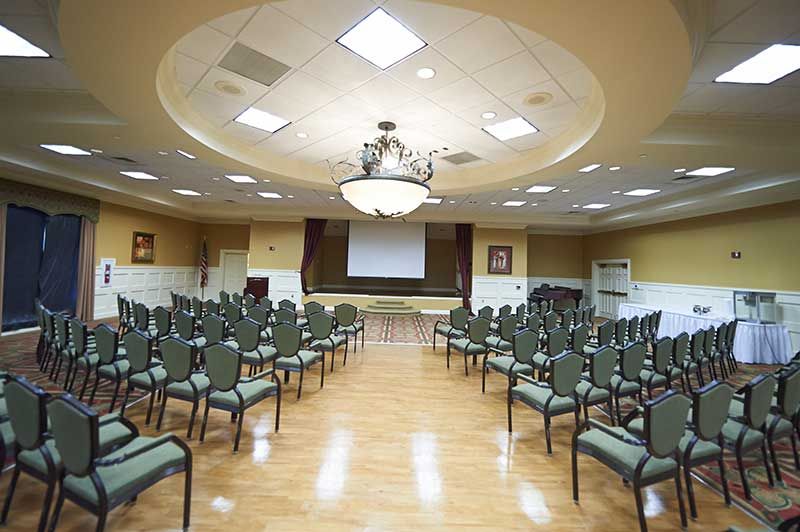
A wide range of amenities are provided to enhance the comfort and convenience of residents. These include a beauty salon for pampering and grooming needs, cable or satellite TV for entertainment, community-operated transportation for easy access to local attractions, a computer center for staying connected with loved ones, and a dining room offering restaurant-style meals. The fitness room allows residents to stay active and maintain their physical well-being, while the gaming room provides opportunities for social interaction. A beautiful garden and outdoor space allow individuals to enjoy nature.

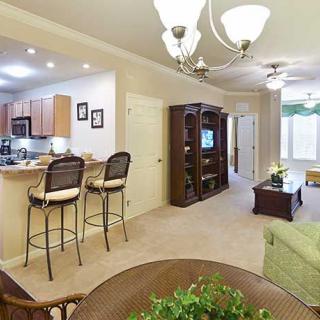
Housekeeping services ensure that living spaces are clean and tidy, while fully furnished accommodations provide comfortable living arrangements. Each resident has their own private bathroom for added privacy and convenience. A small library offers reading materials for leisurely pursuits, and telephone access allows easy communication with family and friends. Wi-Fi/high-speed internet is available throughout the community.

Care services at The Village At Gainesville are comprehensive and personalized. A 24-hour call system ensures that assistance is always just a button away, while 24-hour supervision provides peace of mind for both residents and their families. Trained staff members offer assistance with activities of daily living such as bathing, dressing, and transfers. Special dietary restrictions such as diabetes diets are accommodated during meal preparation and service.

Medication management is provided to ensure that residents take their medication correctly and on time. Mental wellness programs promote emotional well-being, especially in cases of mild cognitive impairment. Specialized memory care programming is available to support those with memory loss conditions.

Engaging activities are offered at The Village At Gainesville to enrich the lives of residents. Concierge services help plan outings and day trips for exploration beyond the community. Fitness programs encourage physical activity, while resident-run activities empower individuals to take an active role in shaping their community experience. Scheduled daily activities offer a variety of options for residents to participate in according to their interests and preferences.

The Village At Gainesville also benefits from its convenient location, with three cafes, three parks, eight pharmacies, 50 physicians, 27 restaurants, three places of worship, and six hospitals nearby. This allows for easy access to amenities and essential services within the local area.

Overall, The Village At Gainesville provides a supportive and engaging assisted living community where residents can enjoy a comfortable lifestyle with personalized care services and a wide range of amenities and activities.

Virtual Tour

Nearby Places of Interest

This part of Gainesville, Florida, offers a convenient and diverse range of amenities that cater to senior living. With multiple pharmacies, physicians' offices, and hospitals within close proximity, residents can easily access healthcare services. The area also features a variety of dining options including fast-food restaurants and sit-down establishments for those looking to enjoy a meal out. Additionally, there are cafes like Starbucks and Panera Bread for casual outings. Places of worship such as Grace United Methodist Church and Queen of Peace Catholic Church provide spiritual support for those seeking it. For outdoor enthusiasts, parks like Cofrin Nature Park and Albert “Ray” Massey Park offer opportunities for leisurely walks and enjoying nature. Overall, this neighborhood in Gainesville presents a well-rounded and accessible environment for seniors looking to settle down in the area.

Pharmacies

  • Barnes Healthcare of Gainesville (0.5 miles)
  • Walgreens (1 miles)
  • Walgreens (1.4 miles)
  • CVS Pharmacy (2.1 miles)
  • Wise's Drug Store (2.4 miles)
  • CVS Pharmacy (3 miles)
  • Walgreens (3.1 miles)

Physicians

  • Columbia Eye Associates & Family Focus Eye Care (0.8 miles)
  • UF Health Cardiology (0.8 miles)
  • Gainesville ENT & Allergy Associates PA (0.8 miles)
  • Community Cancer Center of North Florida (0.8 miles)
  • John William Tyrone (0.8 miles)
  • Dr John A Dryfuss (0.8 miles)
  • Gainsville Gynecology (0.9 miles)

Restaurants

  • Krystal (1 miles)
  • Taco Bell (1 miles)
  • Hardee's (1 miles)
  • Bangkok Square (1 miles)
  • Hurricane BTW (1 miles)
  • Red Lobster (1 miles)
  • Wendy's (1.1 miles)

Hospitals

  • Uf Health Shands Emergency Center Springhill (1.1 miles)
  • Demetree, Julie Dr-UF Springhill Health Center (1.3 miles)
  • North Florida Regional Medical Center 2nd Floor (1.3 miles)
  • Shands At Vista (1.4 miles)
  • Uf Health Psychiatric Hospital (1.4 miles)
  • Anthem Motorsports (3.3 miles)

Cafes

  • Starbucks (1.2 miles)
  • Panera Bread (1.4 miles)
  • CYM Coffee Co. (1.7 miles)

Places of Worship

  • Night to Shine Prom at Grace United Methodist Church (1.5 miles)
  • Unitarian Universalist Fellowship (3.4 miles)
  • Queen of Peace Catholic Church (3.6 miles)

Parks

  • Cofrin Nature Park (2.8 miles)
  • Possum Creek Park (3 miles)
  • Albert “Ray” Massey Park (3.4 miles)

Frequently Asked Questions

Where is The Village At Gainesville?
Does The Village At Gainesville provide care for residents with dementia or Alzheimer's disease?
What photos are available for The Village At Gainesville in Gainesville, Florida?

Nearby Communities

  • North Florida Retirement Village

    North Florida Retirement Village

    Gainesville, FL

    3 from 2 reviews
    $1,804 to $3,450 / month

    pro Independent living and memory care with on-site amenities.


  • HarborChase Of Gainesville

    HarborChase Of Gainesville

    Gainesville, FL


    pro Memory-care focused with 24/7 supervision, personalized care, and engaging activities.

  • HarborChase of Gainesville,  an ECC licensed Community

    HarborChase of Gainesville, an ECC licensed Community

    Gainesville, FL

    4.1 from 74 reviews
    $4,295 to $6,895 / month

    pro Friendly staff; clean, engaging environment

  • The Windsor of Gainesville

    The Windsor of Gainesville

    Gainesville, FL

    4.5 from 91 reviews
    $5,370 to $7,645 / month

    pro Upscale, home-like setting with attentive staff and rich activities.

  • North Florida Special Care Ctr

    North Florida Special Care Ctr

    Gainesville, FL

    3.6 from 105 reviews
     

    pro Attentive staff with strong diabetes management and physical therapy.

  • North Florida Rehabilitation And Specialty Care

    North Florida Rehabilitation And Specialty Care

    Gainesville, FL


    pro Comprehensive 24/7 nursing care with extensive on-site amenities and social activities.

  • Palm Garden Of Gainesville

    Palm Garden Of Gainesville

    Gainesville, FL

    4.8 from 100 reviews
     

    pro Extensive amenities and comprehensive care.

  • Holiday The Atrium at Gainesville

    Holiday The Atrium at Gainesville

    Gainesville, FL

    4.2 from 188 reviews
    $1,495 to $2,869 / month

    pro Friendly, attentive staff; well-maintained, pet-friendly community with active amenities.

  • Charter Senior Living Of Gainesville

    Charter Senior Living Of Gainesville

    Gainesville, FL

    4.4 from 227 reviews
     

    pro Friendly staff, engaging activities, and a clean, home-like environment.

Assisted Living in Nearby Cities

Related Resources

  • dementia stagesUnderstanding Dementia Through Its Seven Stages: A Comprehensive Look at Progression and Expectations

    Dementia encompasses a range of cognitive impairments characterized by types such as Alzheimer's and vascular dementia, and follows a seven-stage progression model known as the Global Deterioration Scale (GDS), highlighting varying symptoms and decline timelines. Early detection allows for lifestyle adjustments to potentially slow progression, while caregivers need support and resources to manage the challenges involved in caring for affected individuals.

  • dementia careA Holistic Dementia Care Guide: Effective Strategies for Memory Support

    The guide on holistic dementia care outlines the complexity of dementia and stresses the need for individualized caregiver strategies that include medical treatment, psychological support, and environmental adaptations, while emphasizing early detection, various therapeutic options, and caregiver support to enhance quality of life and maintain dignity.

  • activities of daily livingComprehensive Insights into Activities of Daily Living (ADLs) and Their Assessment

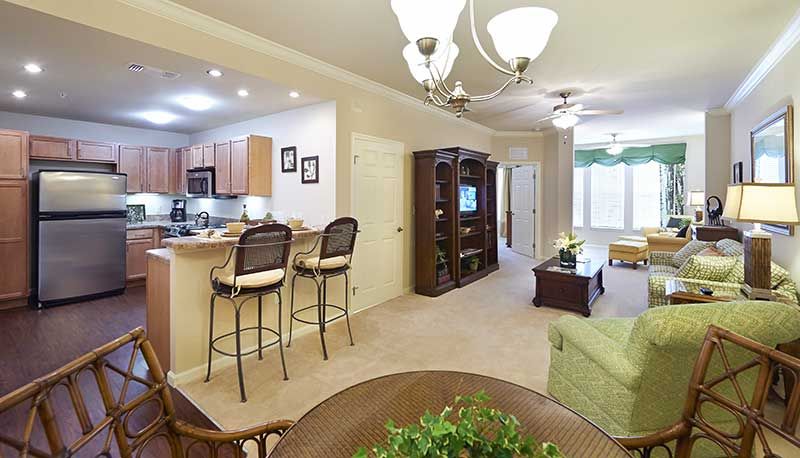
    Activities of Daily Living (ADLs) are fundamental tasks vital for an individual's independence, particularly in older adults over 85, and include functions like bathing and dressing; assessing ADLs alongside Instrumental Activities of Daily Living (IADLs) helps determine the level of required assistance due to age-related health challenges. Tailored support plans, involving family and community resources, are essential for maintaining dignity and autonomy in assisted living environments.