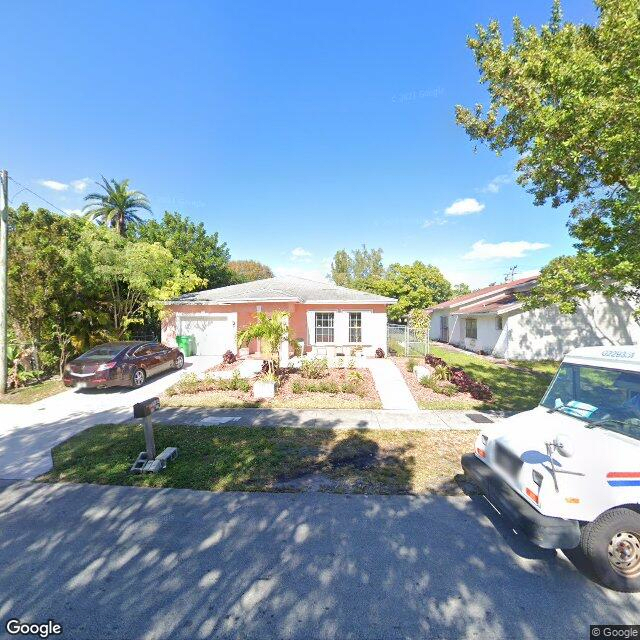
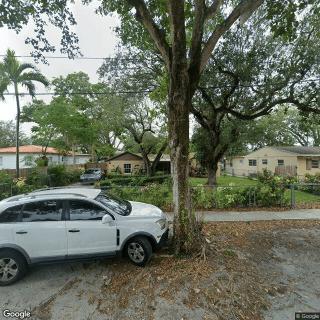
2953 North West 10Th Court, Fort Lauderdale, FL 33311
For more information about senior living options: (866) 208-4318
4.2 from 118 reviews
5 stars
79
4 stars
18
3 stars
5
2 stars
2
1 stars
14
The Caring Place Costs & Pricing
The Caring Place offers competitive pricing for its services, particularly when compared to both Broward County and the broader state of Florida. For a semi-private room, residents can expect to pay $1,600 per month, significantly lower than the county average of $2,902 and the state average of $3,009. Similarly, private rooms at The Caring Place are priced at $2,000 - again more affordable than the county's rate of $3,725 and the state's average of $3,699. In terms of one-bedroom accommodations, The Caring Place remains consistent with its value proposition at $2,000 per month, well below Broward County's average of $3,651 and Florida's statewide average of $3,864. Overall, these figures indicate that The Caring Place provides an economical option for individuals seeking quality care in a supportive environment.
Floor plans
The Caring Place
Broward County
Florida
Semi-Private
$1,600
$2,902
$3,009
Private
$2,000
$3,725
$3,699
1 Bedroom
$2,000
$3,651
$3,864
Memory care communities with a similar price nearby
Many reviewers describe staff who are welcoming and supportive.
A recurring theme is how approachable the people working there feel to families, volunteers, and residents. Reviewers mention being greeted kindly, treated with patience, and getting help that moves things forward. Even when experiences are mixed, multiple comments single out staff members and how they show up day to day.
caveat9 reviews mention this
Food support gets mixed reviews
Residents and guests report inconsistent experiences with food quality and availability.
Some reviewers criticize the meals they received, describing food as bad, expired, or difficult to get, while others say they were able to serve or receive hot meals. There are also comments saying meal service stopped for long periods, plus complaints about diets not being helpful. The result is a wide range of experiences around what is actually provided and how it meets needs.
common22 reviews mention this
Donations and volunteering are key
Donating and volunteering show up as a common reason people engage with the community.
Many reviewers talk about dropping off donations and being able to volunteer or help with meals. They describe using donated items to support people in need, including clothing and other household essentials. Reviews also mention that the organization makes time to receive donations and encourages community involvement.
caveat7 reviews mention this
Case management is uneven
Several reviewers say case managers can be hard to rely on.
Some people report feeling stuck or not properly supported when they needed help finding services, handling paperwork, or getting to appointments. At the same time, other comments highlight specific case managers in a positive way and describe receiving guidance that helped. Overall, reviewers signal that the quality of support can vary depending on the person and the situation.
caveat6 reviews mention this
Program availability and rules vary
Reviewers mention limits on stays, space, or help depending on timing and rules.
A few reviewers describe not getting help when they arrived, being told to leave early, or running into capacity limits. Others mention being asked to follow certain steps or meeting requirements before receiving assistance. Together with comments about inconsistent meal service schedules, this points to rules and availability affecting outcomes.
common4 reviews mention this
Lower costs than local benchmarks
Pricing shown for multiple unit types is substantially below county and state benchmarks.
The posted pricing ranges well below county and state benchmark levels across the unit types shown. While many reviews focus more on shelter and service experiences than on unit pricing, the listing includes cost ranges for semi-private, private, and one-bedroom options. If pricing is a priority, the listingā€™s displayed numbers suggest affordability relative to those benchmarks.
How we summarize
Counts show how many written reviews mention each theme; a review can touch several themes, and only frequently mentioned themes are displayed.
Features
Housing
9 resident community capacity
Types of Care
Assisted Living
Board and Care Home
Memory Care
Respite Care
Amenities
Cable or satellite TV
Dining room
Fully furnished
Garden
Housekeeping services
Move-in coordination
Outdoor space
Private
Telephone
Wi-Fi/high-speed internet available
Transportation
Fort Lauderdale-Hollywood International (5 miles away)
Miami International (25 miles away)
Care Services
24-hour supervision
Activities of daily living assistance
Ambulatory care
Assistance with bathing
Assistance with dressing
Assistance with transfers
Coordination with health care providers
Diabetes diet
Diabetic care
Incontinence care
Meal preparation and service
Medication management
Special dietary restrictions
Transportation arrangement (medical)
Transportation to doctors appointments
Dining
Diabetes diet
Special dietary restrictions
Activities
Community-sponsored activities
Scheduled daily activities
Nearby Places of Interest
This particular neighborhood in Fort Lauderdale, Florida offers a wide range of amenities and services that cater to the needs of seniors. With several parks in close proximity, such as Central Broward Regional Park and George English Park, residents can enjoy outdoor activities and stay active. The area also boasts multiple pharmacies and medical facilities, including Pom MRI and Imaging Center and Care Resource, ensuring easy access to healthcare services. In terms of transportation, the Brightline station is nearby for convenient travel options. There are plenty of dining options available in the neighborhood, ranging from casual eateries like Matty's to upscale establishments like YOT Bar & Kitchen. Additionally, there are theaters like AMC DINE-IN Coral Ridge 1 for entertainment options. Overall, this part of Fort Lauderdale provides seniors with a well-rounded community that prioritizes their health and wellness needs while offering opportunities for social engagement and leisure activities.
Parks
Central Broward Regional Park (0.8 miles)
Royal Palm Park (2.7 miles)
Holiday Park (2.9 miles)
George English Park (4.2 miles)
Hugh Taylor Birch State Park (4.9 miles)
Fort Lauderdale Beach Park (5.1 miles)
Pharmacies
Walgreens (1.5 miles)
Walgreens (2.2 miles)
Walgreens (2.3 miles)
CVS Pharmacy (2.3 miles)
Walgreens (2.4 miles)
Winn-Dixie (3 miles)
CVS Pharmacy (3 miles)
Physicians
Pom MRI and Imaging Center (1.5 miles)
Care Resource (2.7 miles)
Midland Medical Center (4 miles)
Arnoldo Ghitis, MD (4.8 miles)
Eye Centers Of South Florida (5 miles)
Miami Cancer Institute | Plantation (5.3 miles)
Transportation
Brightline (2.5 miles)
Cypress Creek Station (4.9 miles)
TSA Security Checkpoint (5.1 miles)
Terminal 3 (5.1 miles)
Fort Lauderdale Airport- Arrivals Pickup (5.1 miles)
The Caring Place offers competitive pricing for its services, particularly when compared to both Broward County and the broader state of Florida. For a semi-private room, residents can expect to pay $1,600 per month, significantly lower than the county average of $2,902 and the state average of $3,009. Similarly, private rooms at The Caring Place are priced at $2,000 - again more affordable than the county's rate of $3,725 and the state's average of $3,699. In terms of one-bedroom accommodations, The Caring Place remains consistent with its value proposition at $2,000 per month, well below Broward County's average of $3,651 and Florida's statewide average of $3,864. Overall, these figures indicate that The Caring Place provides an economical option for individuals seeking quality care in a supportive environment.
The features offered by The Caring Place are vital in supporting residents with dementia and Alzheimer's disease, as they address the unique challenges these individuals face in their daily lives. Assistance with dressing and bathing promotes dignity and personal hygiene, while medication management ensures adherence to prescribed treatments, minimizing health risks. Meal preparation and service cater to nutritional needs tailored to individual preferences, enhancing overall well-being. Transportation arrangements facilitate access to medical appointments, ensuring consistent healthcare follow-up. Coordinating with health care providers fosters a holistic approach to care that is mindful of each resident's medical history. Activities of daily living assistance allows residents to maintain their independence as much as possible while receiving necessary support for tasks like transfers and incontinence care. Finally, 24-hour supervision provides a secure environment where staff can monitor safety and respond promptly to any changes or emergencies, offering peace of mind for both residents and their families.
Nearby Communities
Touched By Angels Assisted of Care
Fort Lauderdale, FL
5 from 1 review
$1,800 to $2,500 / month
Small, memory-care focused community with affordable private/semi-private options.
Good Shepherd - ALF
Fort Lauderdale, FL
Homelike environment with furnished rooms and daily activities.
Woods Family Care Home
Fort Lauderdale, FL
Convenient location with access to parks, dining, healthcare, transportation, and cultural venues.
Henry's Retirement Ctr
Fort Lauderdale, FL
4.6 from 36 reviews
Vibrant assisted living with ample nearby amenities and healthcare access.
Caring Inc A Home Health Care
Lauderhill, FL
5 from 20 reviews
Convenient access to healthcare, dining, and transportation options.
Plantation Nursing and Rehabilitation Center
Plantation, FL
3.7 from 118 reviews
Effective physical therapy and generally caring staff.
Broward Nursing and Rehabilitation Center
Fort Lauderdale, FL
3.6 from 150 reviews
Caring staff with strong rehabilitation services and generally clean surroundings.
Oasis Living Quarters
Fort Lauderdale, FL
3.9 from 150 reviews
$3,195 to $5,295 / month
Friendly staff across dining, cleaning, activities, and maintenance; clean, recently renovated apartments with engaging activities.
Villa Rio Vista
Fort Lauderdale, FL
4.7 from 69 reviews
$3,000 to $3,750 / month
Attentive, compassionate staff in a clean, secure, resort-like setting with engaging activities and home-cooked meals.
Dementia, influenced by aging and certain medications, may be exacerbated by drug classes such as anticholinergics, benzodiazepines, and antipsychotics, which are associated with cognitive impairment. Regular medication reviews by healthcare professionals are crucial for older adults to manage risks and optimize cognitive health.
Dementia often results in disrupted sleep patterns, leading to excessive daytime sleeping due to factors like brain damage affecting circadian rhythms, medication side effects, and lack of structure in daily activities. Caregivers must monitor these changes closely, as oversleeping can increase risks such as malnutrition or dehydration, and provide necessary support and routines to enhance patient engagement and well-being.
The transition from assisted living to skilled nursing care is often prompted by complex medical needs that assisted living cannot meet, with key indicators including frequent health declines, increased falls, severe memory issues, and caregiver burnout. Families should recognize these signs early to discuss options with healthcare providers and prepare for the emotional and logistical aspects of moving to a facility that offers comprehensive medical support.
Get PricingAsk A QuestionSchedule A TourContact Senior Advisor
By clicking submit, you agree to our Partner's Terms of Use. You
also consent to receive calls and texts, which may be autodialed, from our Partner. Your consent is not a condition to
using our Partner's service. Please visit our Partner's Privacy Policy for information about their privacy practices.

 9 resident community capacity
 Assisted Living
 Board and Care Home
 Memory Care
 Respite Care
 Cable or satellite TV
 Dining room
 Fully furnished
 Garden
 Housekeeping services
 Move-in coordination
 Outdoor space
 Private
 Telephone
 Wi-Fi/high-speed internet available
 Fort Lauderdale-Hollywood International (5 miles away)
 24-hour supervision
 Activities of daily living assistance
 Ambulatory care
 Assistance with bathing
 Assistance with dressing
 Assistance with transfers
 Diabetes diet
 Diabetic care
 Incontinence care
 Meal preparation and service
 Medication management
 Special dietary restrictions
 Transportation arrangement (medical)
 Transportation to doctors appointments
 Small, memory-care focused community with affordable private/semi-private options.

 A Thorough Discussion of Medications Potentially Linked to Dementia Risk
 Why Do Dementia Patients Sleep So Much? Understanding Oversleeping, Stages, and Care Approaches
 8 Key Indicators That Suggest It May Be Time to Transition from Assisted Living to Skilled Nursing Care