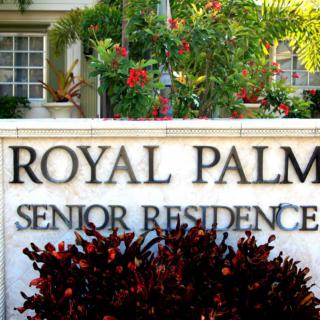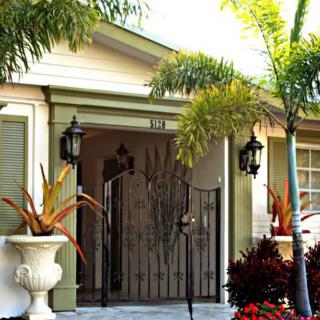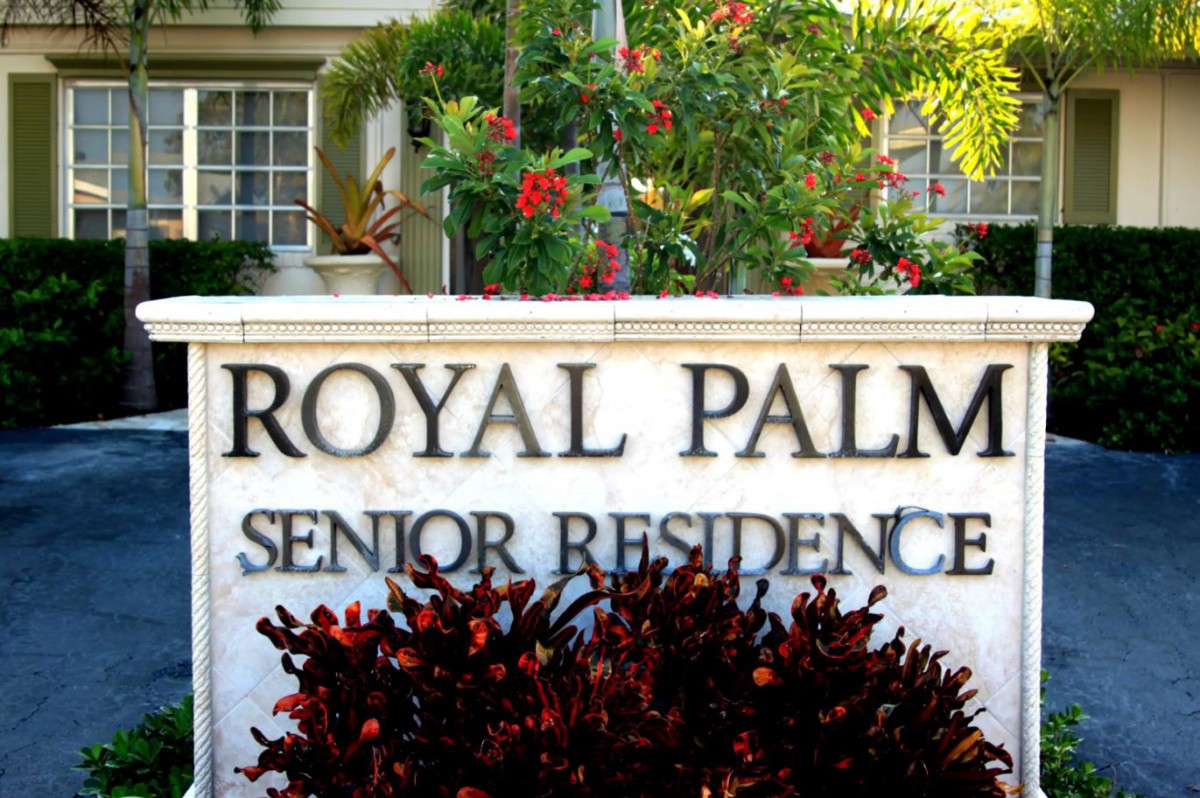
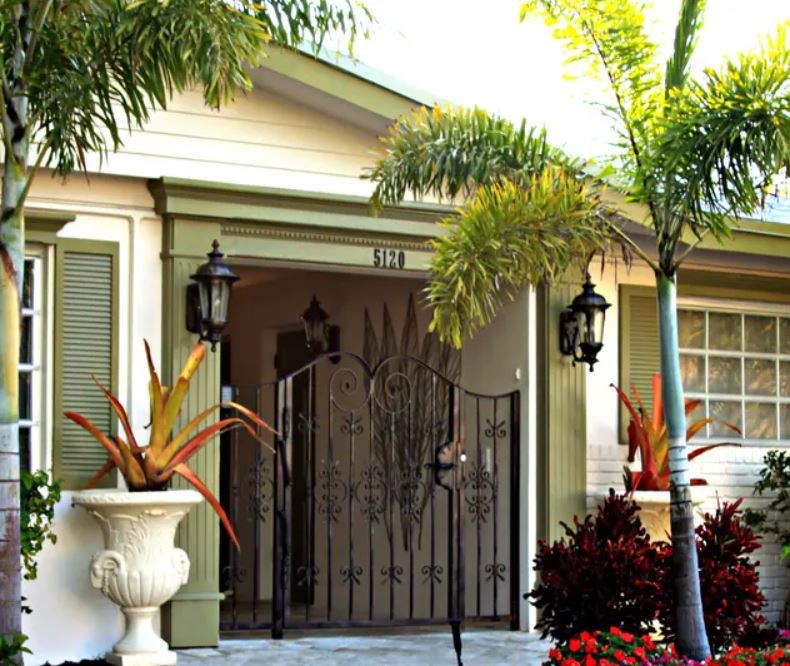


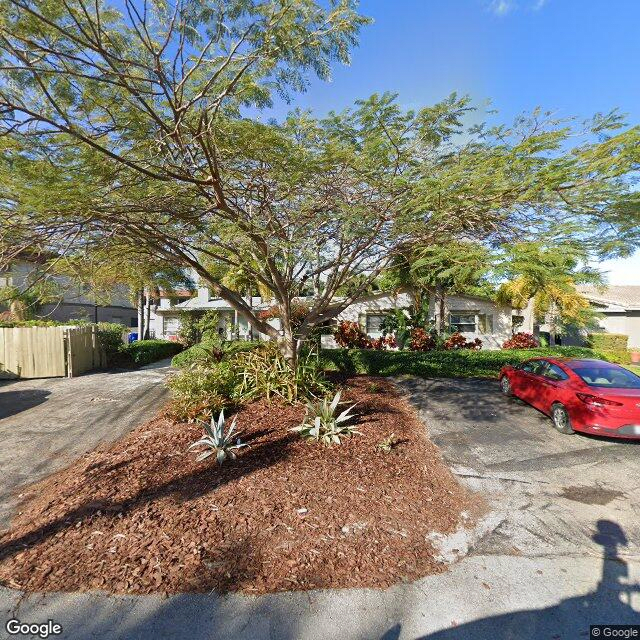
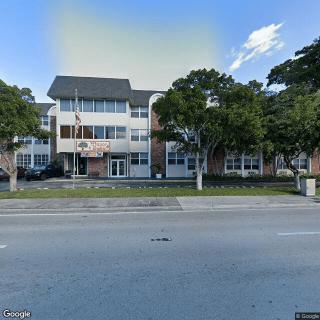
5121 NE 19th Ave, Fort Lauderdale, FL 33308
To contact a resident: (954) 491-4041
For more information about senior living options: (866) 208-4318
Royal Palm Senior Residence Costs & Pricing
Royal Palm Senior Residence offers a range of accommodations at competitive prices, with monthly costs that reflect the quality of care and services provided. For a semi-private room, residents can expect to pay $3,200, which is notably higher than the average cost in Broward County at $2,902 and the statewide average of $3,009. The one-bedroom option at Royal Palm is priced at $4,950, significantly above both the county's average of $3,651 and Florida's overall average of $3,864. This pricing structure suggests that while Royal Palm may be on the higher end compared to its peers, it may also offer enhanced amenities or personalized services that justify the investment for potential residents seeking a premium living experience.
| Floor plans | Royal Palm Senior Residence | Broward County | Florida |
|---|---|---|---|
| Semi-Private | $3,200 | $2,902 | $3,009 |
| 1 Bedroom | $4,950 | $3,651 | $3,864 |
Assisted Living communities with a similar price nearby
-
from +$600 / mo
Coral Springs Country Club for Seniors
$3,800 to $4,500 / month11.2 miles away -
from -$182 / mo

Williamsburg Landing
$3,018 to $5,500 / month2.1 miles away -
from -$300 / mo
Independence Hall
$2,900 to $4,572 / month2.1 miles away -
About the same
Aston Gardens at Parkland Commons
$3,250 to $5,805 / month11.3 miles away -
from -$500 / mo
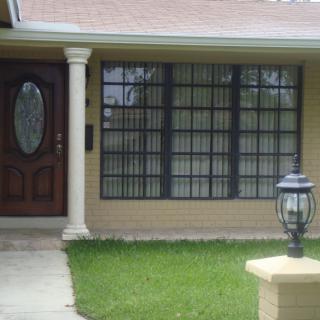
Flamingo Assisted Living
$2,700 to $4,500 / month7.5 miles away
Overall Review of Royal Palm Senior Residence
Pros
 The staff at Royal Palm Assisted Living is compassionate, attentive, and genuinely cares for residents like family.
- The facility is consistently clean, well maintained, and has a warm, welcoming atmosphere that puts people at ease.
- Communication with families is excellent, reflecting pride in providing quality care and comfort.
- Residents are supported in a safe, respectful, and nurturing environment.
- Royal Palm Assisted Living is highly recommended as an exceptional assisted living community.
Review
This community is best suited for seniors who want a warm, home-like atmosphere in Fort Lauderdale where staff attention feels personal, and where families can trust that communication will be clear and ongoing. Royal Palm Senior Residence appeals to households prioritizing a nurturing environment, safety, cleanliness, and a sense of belonging, with caregivers who treat residents with genuine kindness and respect. It is particularly well-suited for families that value a “care like family” culture, where residents are seen as individuals and daily routines are delivered with steadiness and attentiveness. For seniors who fear feeling like a number in a larger system, this community offers the reassuring presence of staff who remember names, preferences, and histories, which in turn eases transition anxiety for relatives.
Those who may want to consider alternatives are clear about their own non-negotiables. If high-acuity medical needs, extensive memory-care programming, or robust, round-the-clock nursing oversight are non-negotiable, other communities with specialized dementia care or greater medical staffing may be a more fitting match. Families working within tight budgets or seeking fully itemized, transparent pricing with a broad range of included services might also want to compare options. Additionally, if a resident requires a more expansive menu of daily enrichment activities, broader social programming, or more varied on-site amenities, a larger or more resource-rich facility could deliver those expectations more consistently. In short, for those who prioritize specialized care depth or cost transparency over the intimate, family-first vibe, alternatives deserve consideration.
The standout pros are concrete and resonant: staff that is compassionate, attentive, and genuinely caring, operating in a clean, well-maintained setting with a warm, welcoming atmosphere. This combination reduces the common anxiety families feel when entrusting a loved one to care, because the environment itself reinforces daily safety and comfort. The sense that residents are treated like family translates into predictable, respectful interactions that can significantly lower stress for relatives during transitions and ongoing care. Communication with families is described as excellent, which is rarely optional in senior care; when families are informed promptly and clearly, it transforms caregiving from a source of worry into a collaborative process. The pride in quality care that staff members convey through their actions and words creates a reliable, reassuring presence that many families prize highly.
Despite the absence of explicit drawbacks in the available feedback, prudent decision-making requires acknowledging the limited sample. Only two reviews exist, both glowing, which means the picture may not fully reflect every resident’s daily experience or every potential nuance of operations. Families should verify details that matter in practice: exact staffing ratios on evenings and weekends, the scope of on-site medical services, availability of respite or short-term stays, and how care plans are updated and shared with families. It is also wise to confirm meal quality and dietary accommodations, the cadence of activity programming, and the facility’s processes for handling emergencies. Prospective residents should probe whether the level of daily structure aligns with personal routines and interests, and whether the community can flexibly adjust as needs evolve.
The core strengths, compassionate staff, a clean and inviting setting, and strong family communication, create a credible hedge against common pitfalls in assisted living. When the primary concerns revolve around how residents are treated, how well they are engaged, and how transparently families are kept in the loop, Royal Palm Senior Residence delivers measurable relief. The lack of negative feedback in the brief data pool should be weighed against the reality that a small sample cannot capture every possible experience; nonetheless, those two high ratings signal a consistent quality of care that aligns with the expectations of households prioritizing relationship-driven service, dignity, and predictability. In practice, this means real value for families who want peace of mind that their loved one is not just supervised, but valued.
For decision-makers, the practical course of action is clear. Schedule a visit to observe how staff interact with residents, take note of daily routines, and request candid conversations with both the administrator and several current families or residents. Prepare a targeted checklist: care planning protocol, medication management, incident reporting, emergency responsiveness, meal options, and activity calendars. Compare Royal Palm’s demonstrated strengths with nearby communities that offer more expansive medical oversight or dementia-specific programs, and measure cost transparency against those options. If the aim is a nurturing, low-stress environment where communication with families is prioritized and staff treatment feels consistently respectful, Royal Palm Senior Residence stands out as a compelling choice in Fort Lauderdale.
In the end, Royal Palm Senior Residence represents a high-value option for families seeking an intimate, family-forward assisted living experience in Fort Lauderdale. It excels where relationships matter most: compassionate staff, a clean and welcoming atmosphere, and clear, proactive family communication. Those whose loved ones require specialized memory-care programming, heavy medical oversight, or a more expansive activity ecosystem may find alternatives more aligned with their goals. Nonetheless, for seniors who prize dignity, consistency, and a sense of belonging, this community offers a credible, practical solution that reduces the typical anxieties of transition and ongoing care. A thoughtful next step remains a focused tour combined with direct questions about care depth, costs, and customization, to confirm that Royal Palm fits precisely with the resident’s care trajectory and family expectations.
 Assisted Living
 Cats allowed
 Dogs allowed
 Activities on-site
 Devotional services off-site
 Indoor common areas
 Wheelchair accessible showers
 Fort Lauderdale-Hollywood International (8 miles away)
 Ambulatory care
 Diabetic care
 Incontinence care
 Medication management
 Anytime dining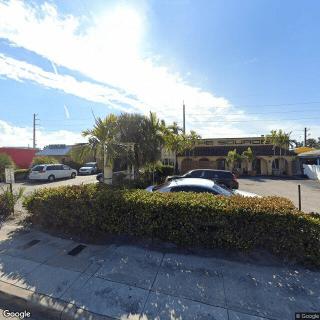



 Comprehensive Residential Support and Assisted Living Solutions for Individuals with Disabilities
 Comprehensive Supportive Living Arrangements for Adults with Disabilities
 Funding and Affording Assisted Living: A Thorough Overview