
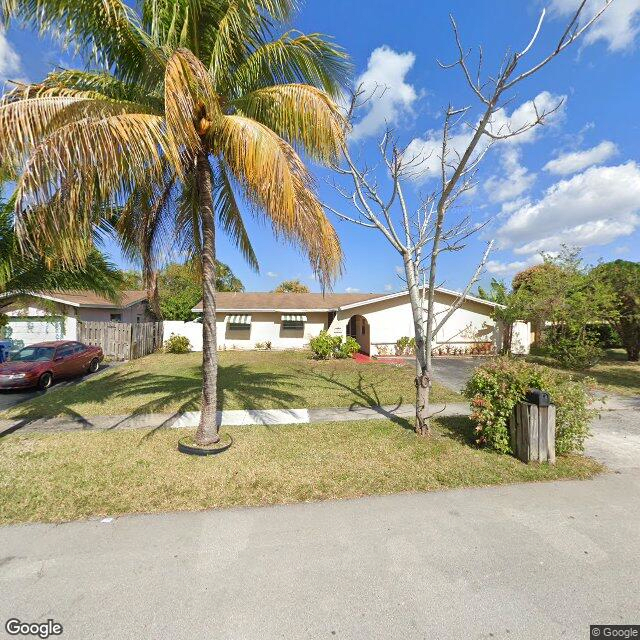
7801 Northwest 45th Court, Lauderhill, FL 33351
To contact a resident: (954) 748-9279
For more information about senior living options: (866) 208-4318
Hampton Court Assisted Living Costs & Pricing
Hampton Court Assisted Living offers semi-private accommodations at a monthly cost of $3,000, which positions it slightly above the average for Broward County at $2,902 and just below the state average for Florida at $3,009. This pricing reflects not only the quality of care and amenities provided at Hampton Court but also underscores its commitment to fostering a supportive environment for residents. While it is important to consider costs in relation to available services and community atmosphere, Hampton Court maintains a competitive pricing structure within the local market, ensuring that residents receive excellent value for their investment in assisted living.
| Floor plans | Hampton Court Assisted Living | Broward County | Florida |
|---|---|---|---|
| Semi-Private | $3,000 | $2,902 | $3,009 |
Senior living communities with a similar price nearby
-
About the same
LB Solution Care Group Homes
$3,000 / month11.5 miles away -
from -$500 / mo
Anne Adult Family Care Home
$2,500 / month7.6 miles away -
from -$300 / mo
Portland Assisted Living Facility
$2,700 to $4,400 / month7.8 miles away -
About the same
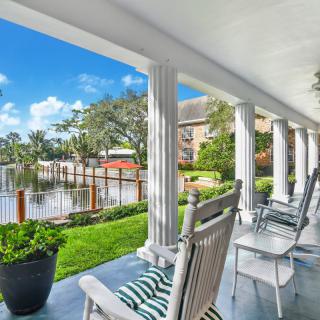
Williamsburg Landing
$3,018 to $5,500 / month8.3 miles away -
from -$100 / mo
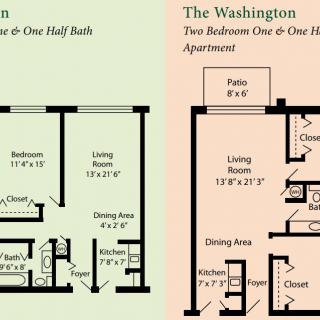
Independence Hall
$2,900 to $4,572 / month8.1 miles away
Overall Review of Hampton Court Assisted Living
Pros
 The staff was extremely helpful and understanding of his needs.
- They ensured that he was comfortable and felt at home while recovering.
- The facility itself was a very positive, clean, and well-kept environment.
- The service was wonderful.
- She is totally adjusted after six weeks.
- It is a true blessing.
- They gave the family peace of mind.
Cons
 She has always been a wonderful lady, but that could really change at her age after a change.
- There was no other nice option.
Review
Hampton Court Assisted Living in Lauderhill is best suited for families seeking a warm, home-like setting where an older adult can receive supervised, supportive care without requiring intensive medical intervention. The strongest testimonials highlight staff who are attentive, understanding individual needs, and a environment that feels clean, well-kept, and comfortable for recovery or settled living. This community excels for cases where a loved one is coming from or transitioning to care and where daily routines, reassurance, and human connection matter most. A notable practical advantage is the proximity to family, roughly a 15-minute drive, facilitating regular visits and ongoing involvement in care decisions.
Those who may want to consider alternatives are seniors with more specialized or intensive needs. If memory care, ongoing skilled nursing, or complex medical oversight is essential, the available information does not confirm explicit capabilities in these areas, so a different community with dedicated dementia programs or on-site nursing resources may be a safer fit. Prospective residents should insist on clarity around on-site therapy, nurse staffing levels, and whether a memory-care option exists. Price transparency and contract terms also aren’t addressed in the reviews, making long-term affordability an area to verify before committing. For families seeking a broader amenity slate or a campus with more varied programming, exploring nearby options with clearly defined medical and cognitive-support services is prudent.
The primary advantages, exceptional staff responsiveness and a home-like, meticulously maintained environment, offer a meaningful offset to common transition anxieties. When caregivers sense that staff truly understands needs and can make a loved one feel at ease, practical burdens lighten significantly; this translates into better routines, fewer care-gap worries, and more stable day-to-day life for residents. The second testimonial underscores this impact: a mother adjusts within six weeks, and family members sleep easier knowing she is safe, cared for, and close by. Coupled with a conveniently short drive from home, these positives collectively reduce the emotional toll on families and enhance overall satisfaction with the move to assisted living.
Yet the narrative leaves several practical questions unspoken, which should temper expectations. The reviews do not spell out medical acuity limits, the presence of memory-specific programming, or the breadth of on-site rehabilitation and social activities. Details about dining quality, transportation options, and the exact cost structure remain unclear. Without concrete answers in these areas, a family could discover after move-in that certain needs fall outside the facility’s core offerings. This is not a verdict against Hampton Court, but a clear reminder to verify the essentials that align with individual care plans before making a decision.
In decision-making terms, Hampton Court stands out for families prioritizing dignity, warmth, and dependable daily supervision within a compact, manageable setting. The combination of attentive staff, a clean and homelike atmosphere, and the peace of mind that accompanies near-home visitation creates a strong case for transitional care or steady, non-acute aging in place. The real-world outcomes described, effective recovery support for a grandfather and a quick, positive adjustment for a mother, demonstrate that emotional well-being and practical safety are being actively safeguarded. Those factors should weigh heavily in favor of considering this community when alignment on care scope is clear.
Practical next steps are straightforward. Schedule a guided tour with a focus on care capabilities, staff interactions, and the daily rhythm of residents. Probe specifically for the levels of care offered (assisted living, rehab services, memory care), on-site nursing presence, therapy availability, meal quality, activity calendars, and transportation arrangements. Request transparent pricing, contract terms, and a glimpse of what a short-term stay would feel like. Hampton Court is a compelling option for families seeking reliable, compassionate, and clean living with visible oversight and easy family access. For residents whose needs include more extensive medical or cognitive-specific support, however, exploring alternatives with explicit dementia programs and stronger medical staffing is advisable.
 Board and Care Home
 Activities off-site
 Bath tubs
 Devotional services on-site
 Indoor common areas
 Outdoor common areas
 Respite or short term stays offered
 Fort Lauderdale-Hollywood International (10 miles away)
 Ambulatory care
 Diabetic care
 High acuity care
 Incontinence care
 Medication management
 Meals provided

 Understanding the Nuances of Palliative Care and Hospice: A Comprehensive Exploration
 Is In-Home Healthcare Tax Deductible? Your Comprehensive Guide
 Nurturing Well-Being Through Gardening: A Detailed Guide for Senior Enthusiasts