
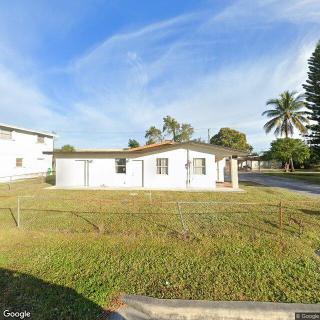
2251 North West 29Th Ct, Fort Lauderdale, FL 33311
For more information about senior living options: (866) 208-4318
Good Hope Manor Costs & Pricing
Good Hope Manor offers competitive pricing for its accommodations, particularly when compared to both Broward County and the broader Florida market. The semi-private room at Good Hope Manor is priced at $2,000 per month, significantly lower than the average cost of $2,902 in Broward County and $3,009 across the state. Similarly, the one-bedroom option at Good Hope Manor is available for $2,300, which also reveals substantial savings compared to the county's average of $3,651 and Florida's average of $3,864. These rates not only reflect an attractive value proposition for potential residents but also highlight Good Hope Manor's commitment to providing quality care at more accessible prices within a challenging economic landscape.
| Floor plans | Good Hope Manor | Broward County | Florida |
|---|---|---|---|
| Semi-Private | $2,000 | $2,902 | $3,009 |
| 1 Bedroom | $2,300 | $3,651 | $3,864 |
Assisted Living communities with a similar price nearby
-
About the same
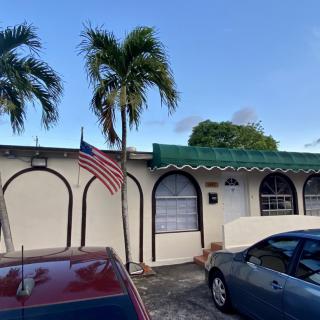
Care and Love Retirement Home
$2,000 to $2,500 / month23.0 miles away -
from +$220 / mo

Miami Jewish Home & Hospital for the Aged
$2,220 to $7,500 / month23.5 miles away -
from +$195 / mo
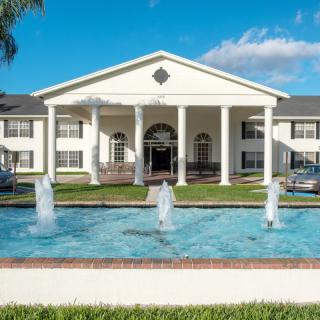
Grand Villa Of Delray East
$2,195 to $4,495 / month20.7 miles away -
About the same
Tender Touch Home Care
$2,000 to $3,000 / month12.2 miles away -
from +$195 / mo
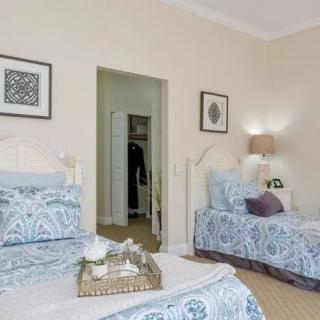
Grand Villa of Deerfield Beach
$2,195 to $2,995 / month9.9 miles away
Overall Review of Good Hope Manor
Pros
 Good Hope Manor provides exceptional care and a welcoming environment for residents.
- The staff consistently shows compassion and professionalism, going above and beyond for those they serve.
- Families experience peace of mind knowing their loved ones are in capable and caring hands.
- Residents are treated like family, with warmth, respect, and personalized attention.
- The facility is clean, inviting, and well-maintained, with engaged and happy residents.
- The administrator and director are attentive and supportive, guiding families through challenging times.
- Good Hope Manor is described as a lifesaver and a blessing to families, offering a safe, loving, and supportive home.
Cons
 The facility is described as the most disgusting the reviewer has ever seen, with a pervasive urine smell throughout and bruises on a relative.
- The administrator Marva is deemed incompetent and unqualified.
- There is not a single registered nurse in the facility, and no soap or hand sanitizer is available.
- Patients wander around, the place is untidy and disgusting, and the staff are not attentive, with the receptionist being rude.
- There are no nurses, and medications are given by staff who receive only a few hours of training.
- The rooms are filthy with broken beds and stained clothes, there are no activities for residents, and basic supplies like towels and washcloths are unavailable.
Review
Good Hope Manor in Fort Lauderdale is best suited for seniors who prize a warm, home-like atmosphere, highly responsive caregiving, and predictable, affordable living. The strongest appeal lies in a staff culture that treats residents like family, private rooms with baths, clean and well-kept common areas, and a garden that offers a pleasant retreat. It suits families seeking daily reassurance from caregivers who remember names, who respond quickly to needs, and who communicate openly with relatives. Those drawn to a smaller, more intimate setting over a big institutional feel will feel at home here, provided expectations center on compassionate, hands-on support rather than advanced medical supervision.
Attention should be paid to the potential need for more robust clinical oversight. Some reviews paint a very different picture: environments with strong odors, inconsistent housekeeping, and beds that show wear; reports of no licensed nurses on site or medication administration performed by CNAs after brief training; and claims of administrative disconnects or hard-to-reach leadership. For families with loved ones requiring regular medical monitoring, complex dementia care, or high-risk needs, these red flags justify exploring other options where RN coverage is guaranteed, stronger infection control, and clearer accountability.
On the plus side, the community earns credibility through genuine warmth in caregiving. Multiple accounts describe staff who are attentive, respectful, and engaging; residents who appear happy; and families who feel heard and supported. The facility is described as clean and well-maintained, with amenities that matter in daily life, the garden, straightforward meal service, and convenient private rooms. The owner and leadership are noted as approachable, and the best interactions often come from administrators and marketing staff who help families navigate transitions with empathy. When these elements align, the setting delivers real peace of mind for relatives.
Yet the negative experiences demand serious consideration. Several reviewers allege pervasive cleanliness problems, consistent urine odor, and a lack of basic supplies; others recount medication or safety lapses and a perceived absence of clinical staff for monitoring. The tone across these critiques is one of concern about management responsiveness and overall safety, including reports of unaddressed bruising, wandering residents, and inadequate activity options for residents. In short, there are credible warnings that the community cannot be dismissed as a purely warm, nurturing environment without acknowledging potential deficits.
Decision-making should hinge on concrete verification rather than impressions alone. Prospective residents should request a current, unfiltered tour during typical operating hours, observe how staff greet residents, and specifically inquire about RN presence, med administration, and incident reporting. Ask for recent state inspections and any open deficiencies, and verify daily routines, meal quality, housekeeping cadence, and activity calendars. Engage current families privately to gauge consistency of care and whether issues are resolved promptly. If a trial stay or a short observation period is possible, use it to assess whether the warmth translates into reliable, safe care.
Overall, Good Hope Manor offers a compelling option for those who prize a welcoming, family-oriented living environment at an accessible price and who can accept variable levels of clinical oversight. It can be an excellent fit for residents who do not require intensive medical nursing and who thrive on personal attention from caregivers. For families prioritizing rigorous cleanliness, constant nursing presence, and airtight safety protocols, alternatives with stronger clinical staffing and more frequent activity programming are worth pursuing. The prudent course is to enter with a clear set of expectations, conduct focused due diligence, and prepare a contingency plan if the environment does not consistently meet those standards.
 100 resident community capacity
 Assisted Living
 Respite Care
 Activities on-site
 Air-conditioning
 Beauty salon
 Cable or satellite TV
 Computer center
 Devotional services off-site
 Dining room
 Fitness room
 Fully furnished
 Gaming room
 Garden
 Housekeeping services
 Indoor common areas
 Kitchenette
 Move-in coordination
 Outdoor space
 Private bathrooms
 Restaurant-style dining
 Small library
 Telephone
 Wellness center
 Wi-Fi/high-speed internet available
 Fort Lauderdale-Hollywood International (6 miles away)
 Community operated transportation
 12-16 hour nursing
 24-hour call system
 Ambulatory care
 Assistance with bathing
 Assistance with dressing
 Assistance with transfers
 Diabetes diet
 Diabetic care
 Medication management
 Mental wellness program
 Special dietary restrictions
 Concierge services
 Planned day trips




 Assisted Living Support for Veterans: A Complete and Detailed Overview
 Exploring the Contrasts Between Assisted Living and Skilled Nursing
 8 Key Indicators That Suggest It May Be Time to Transition from Assisted Living to Skilled Nursing Care