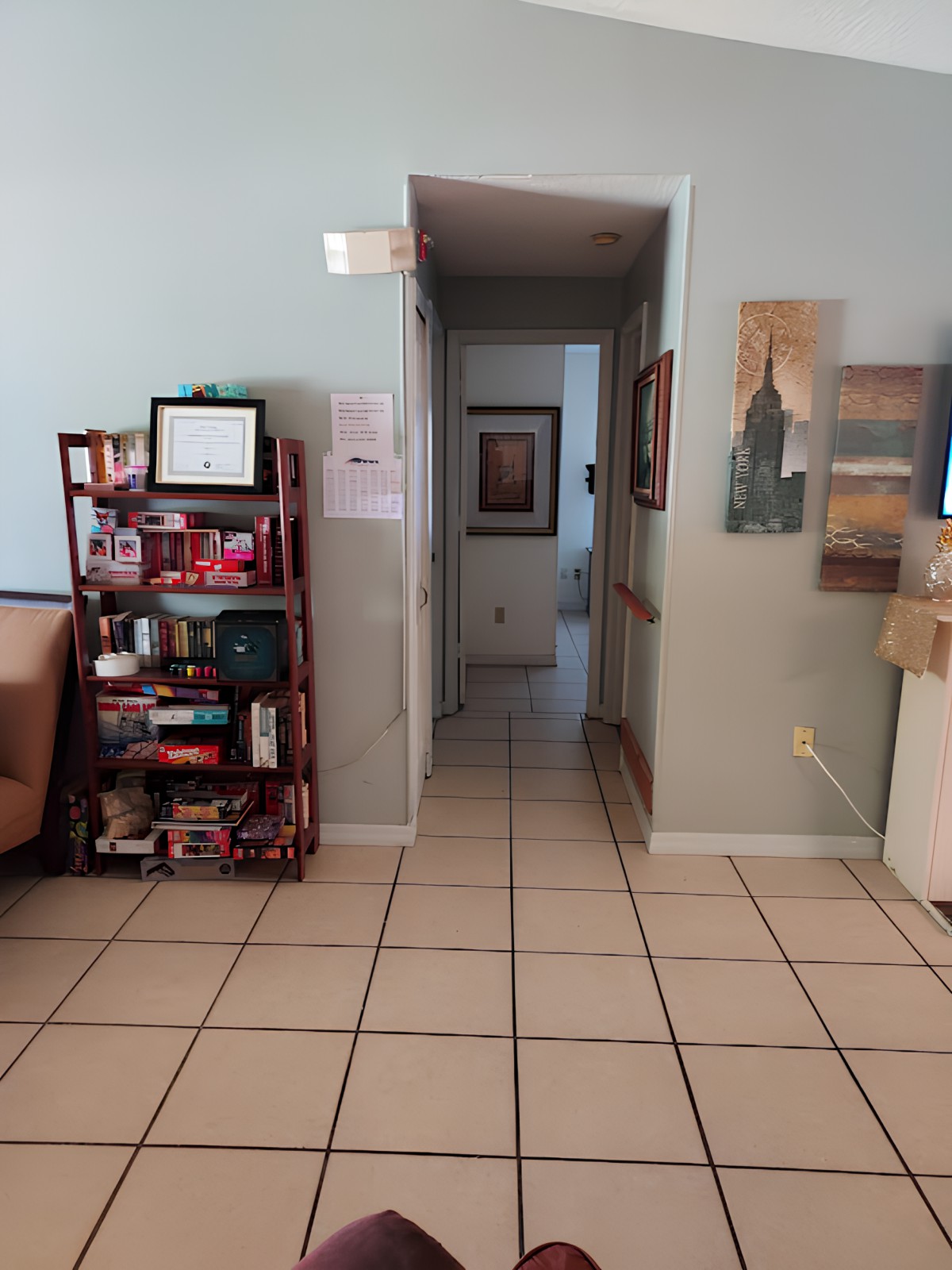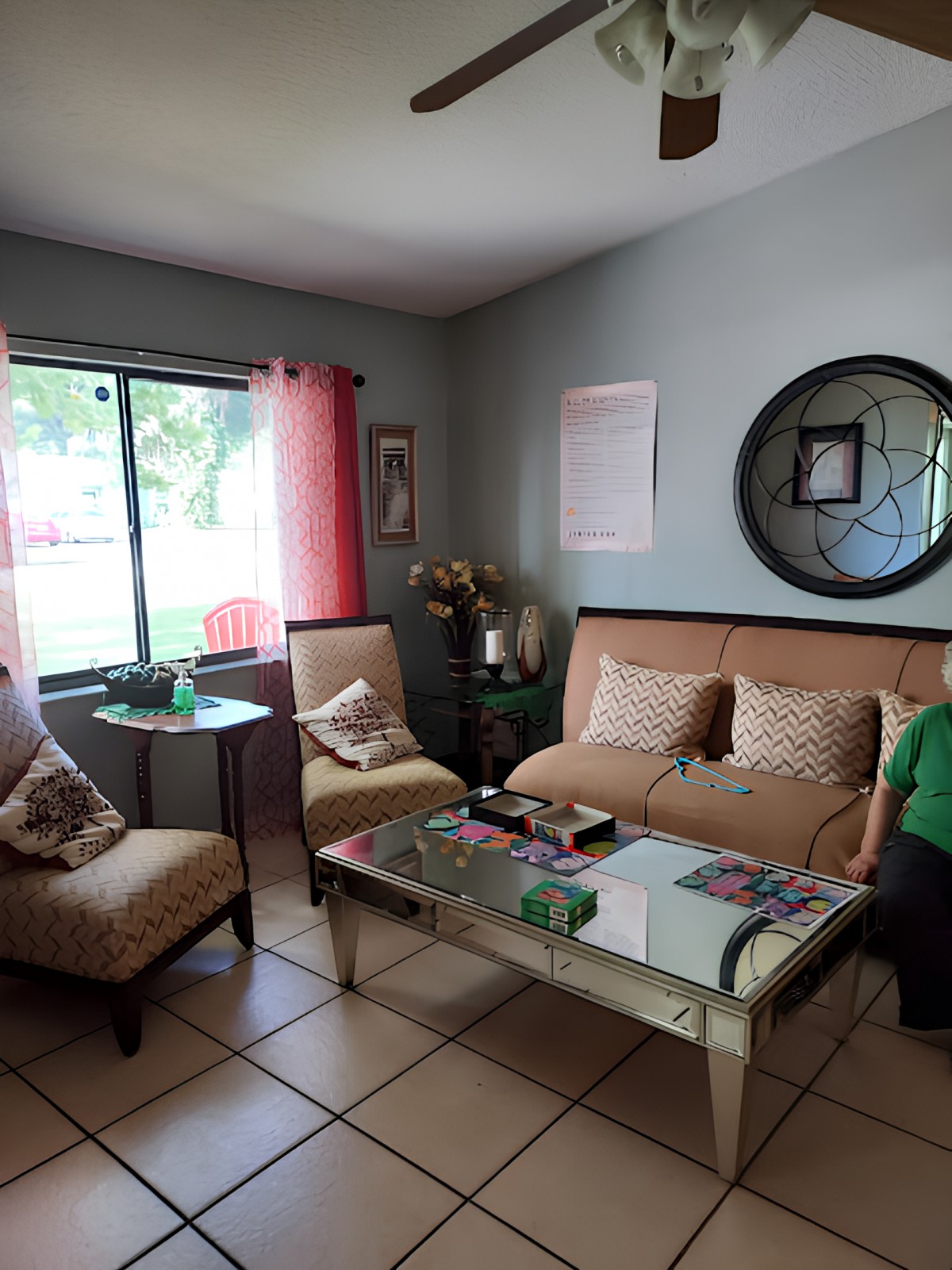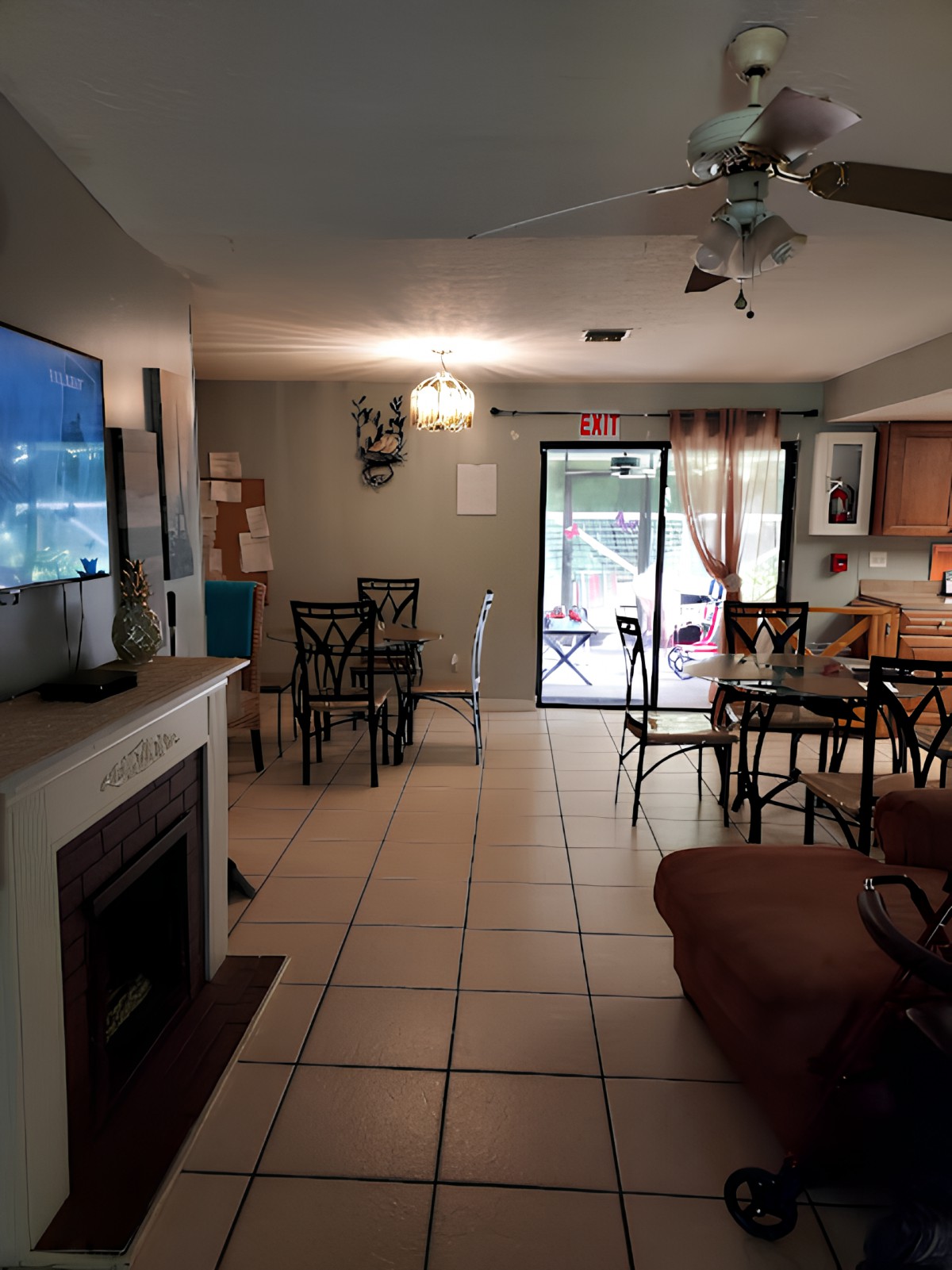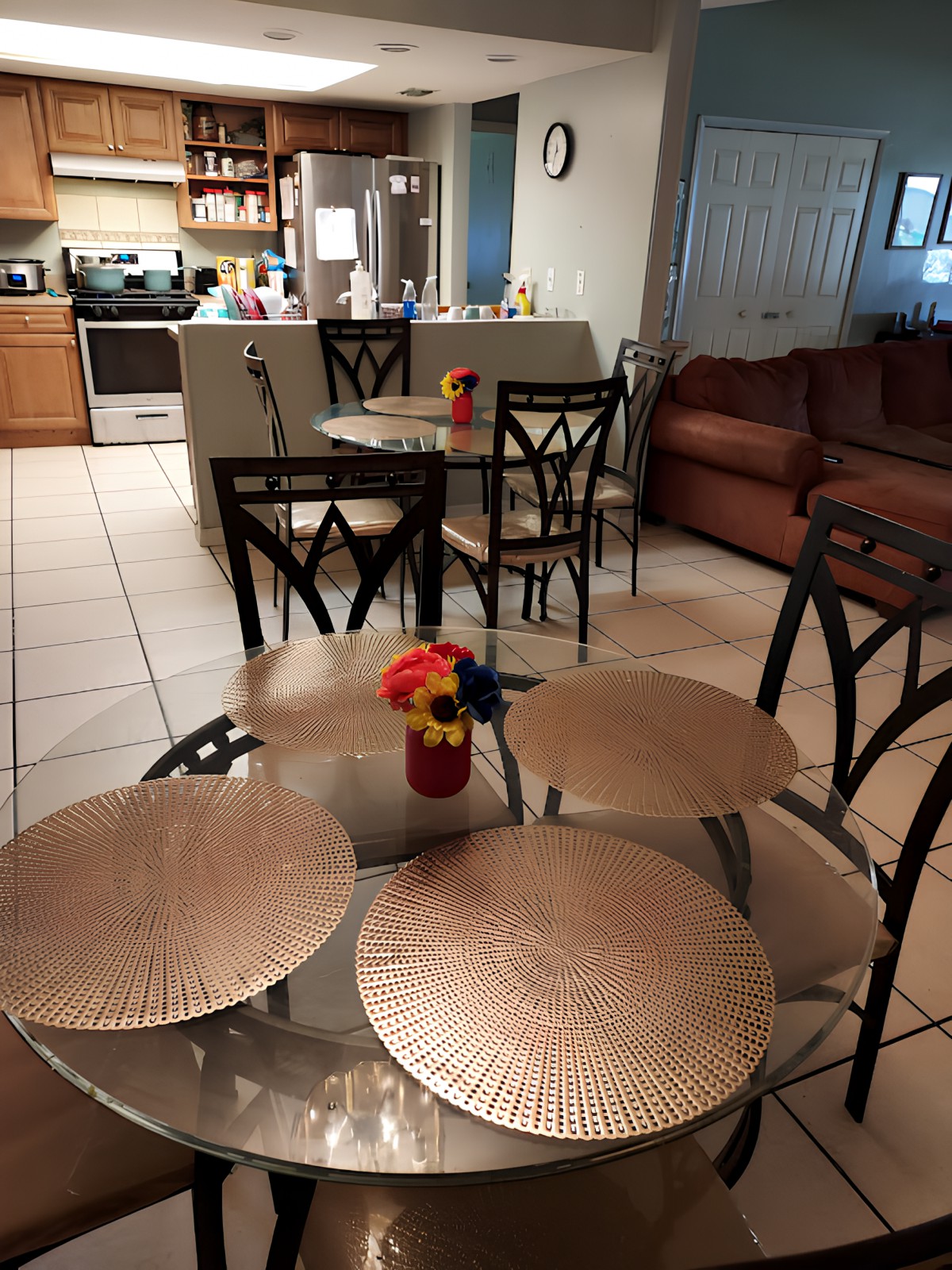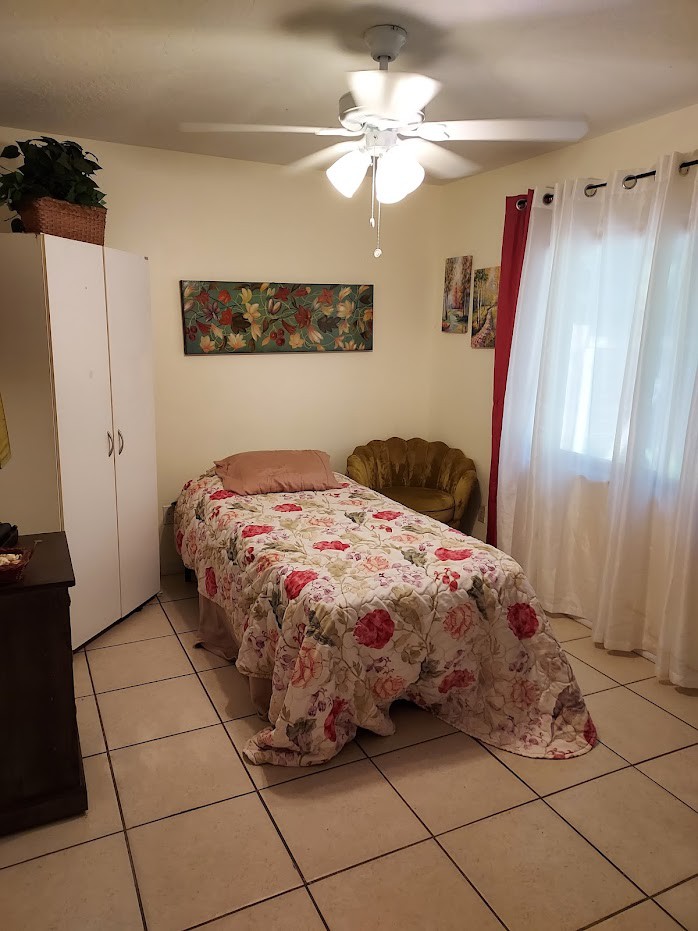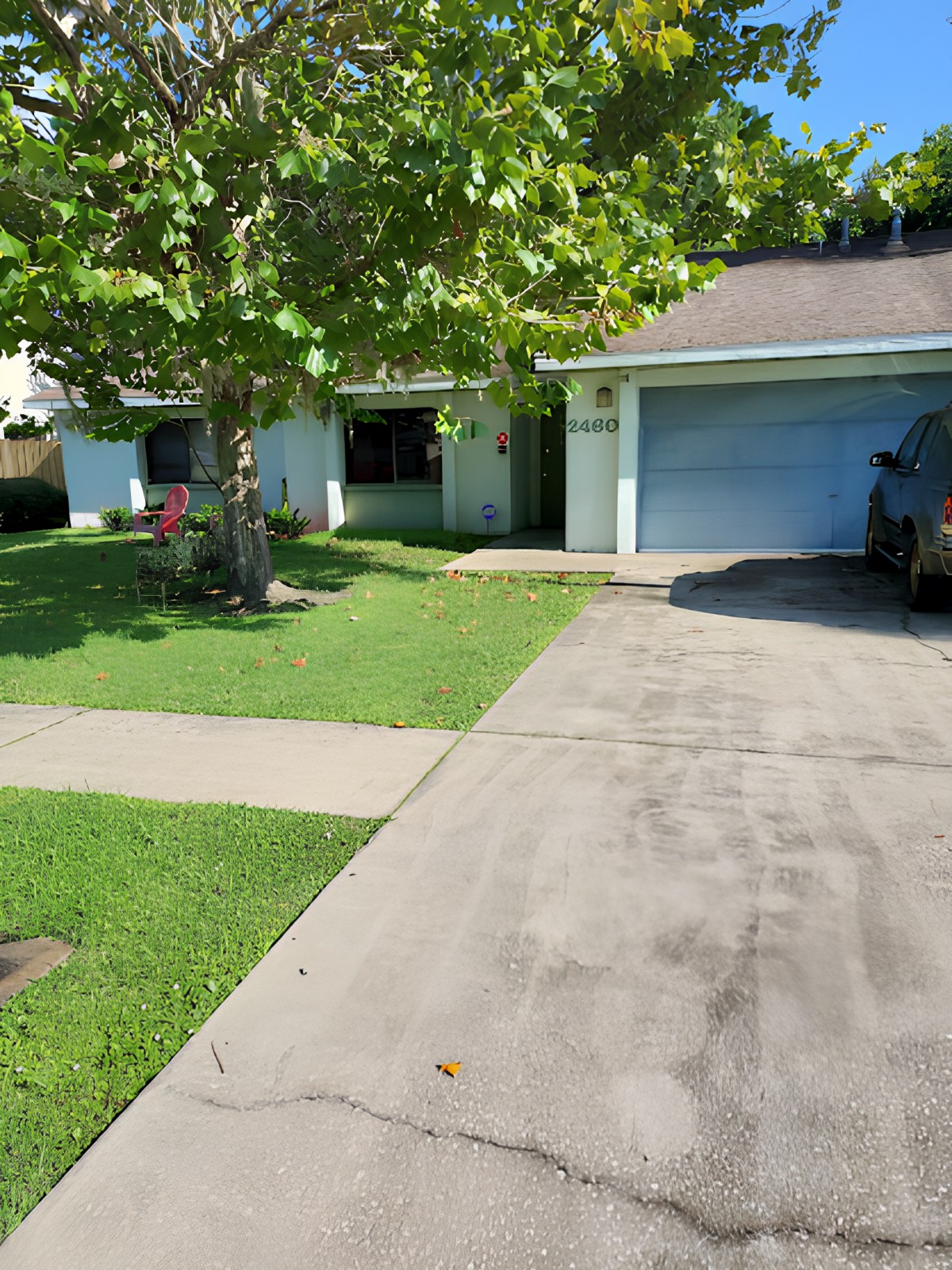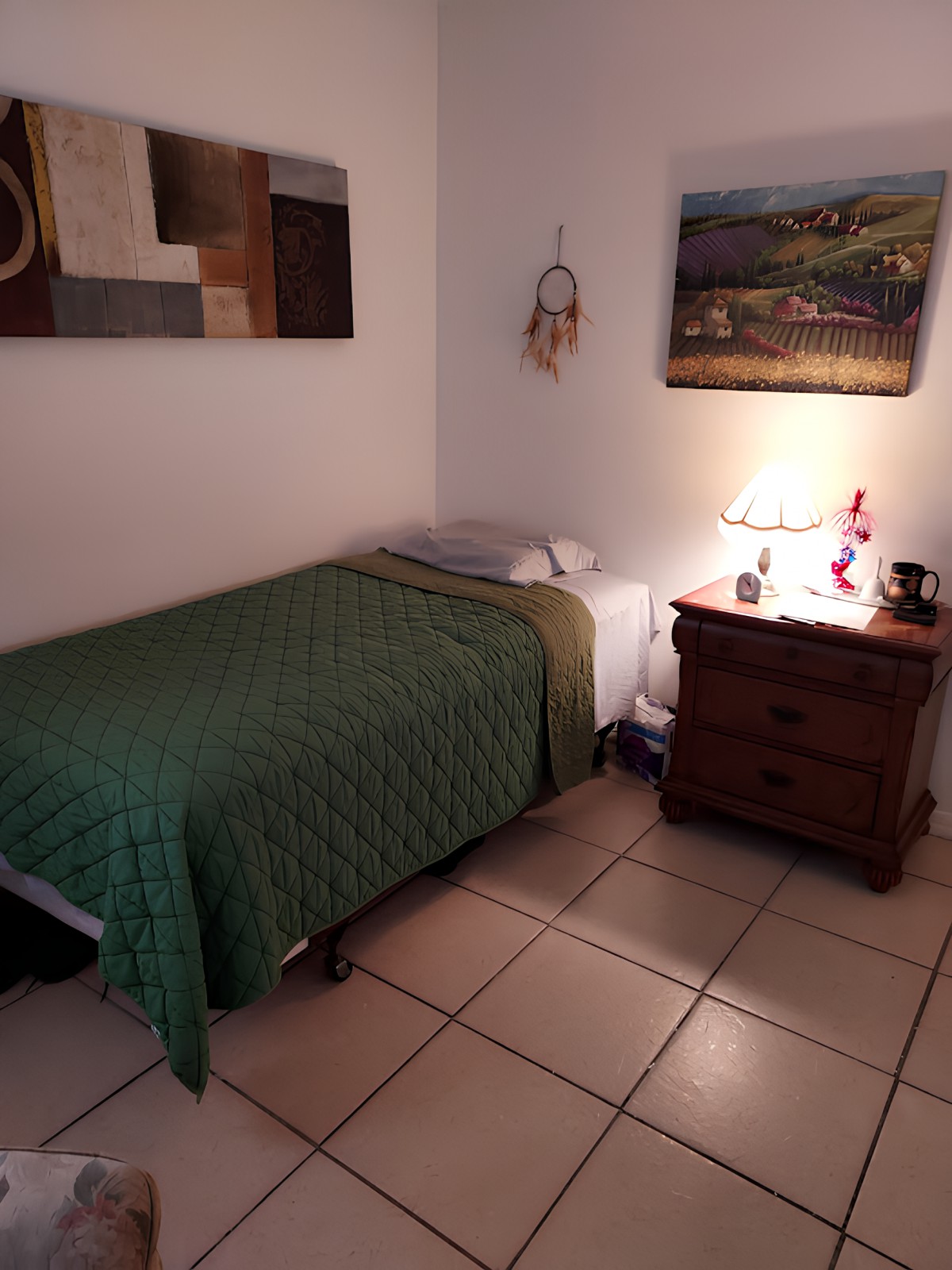
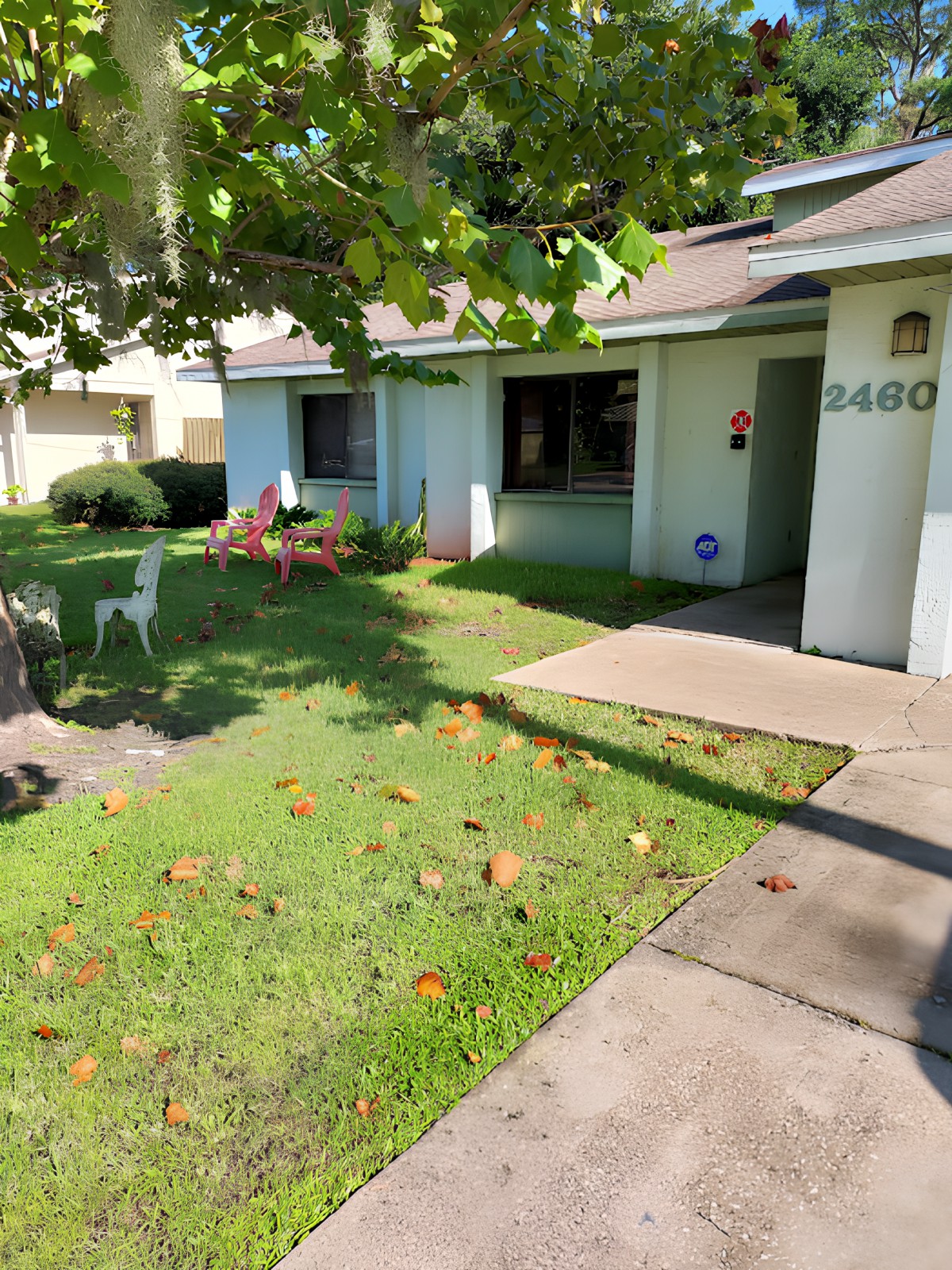
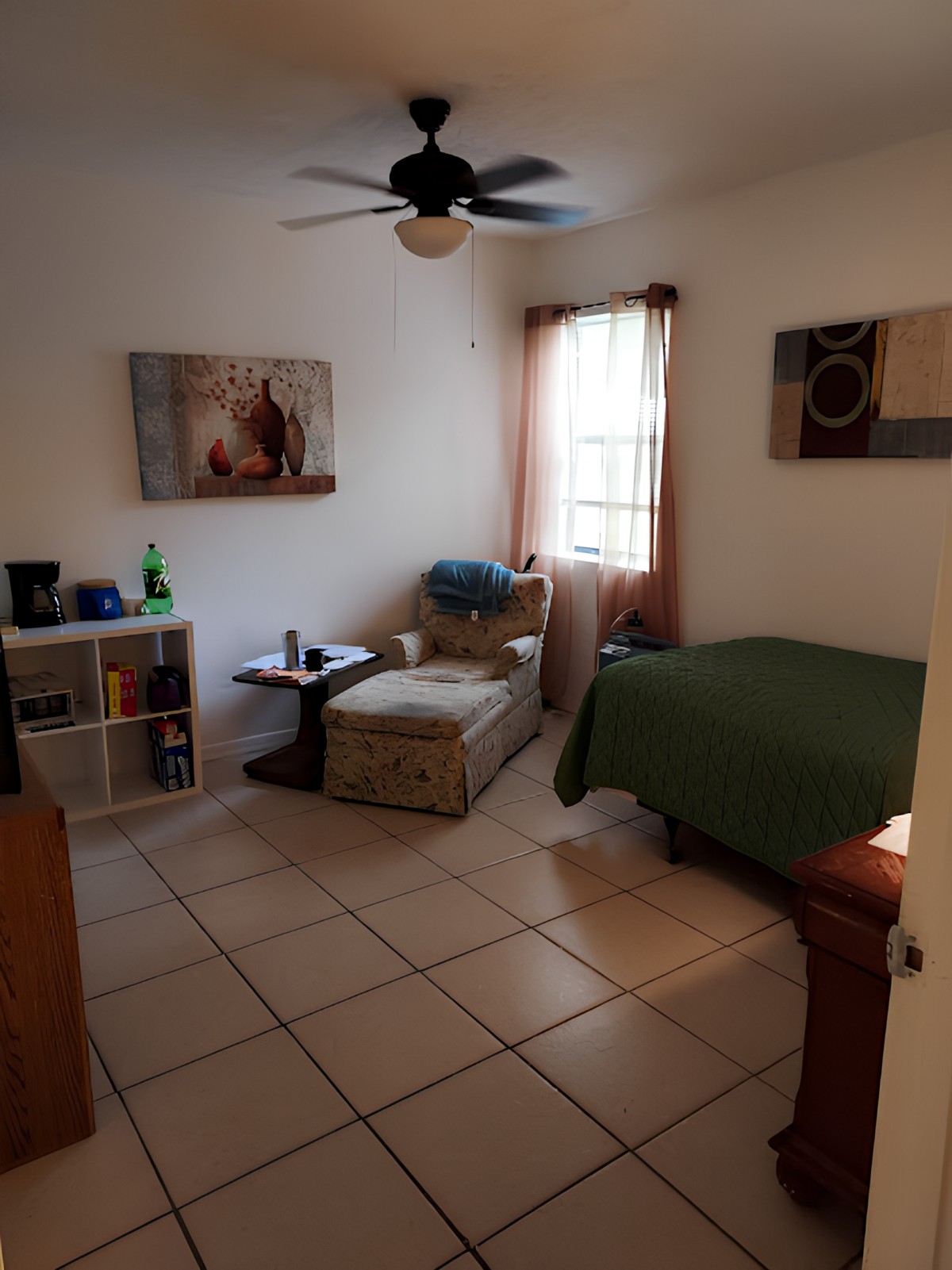
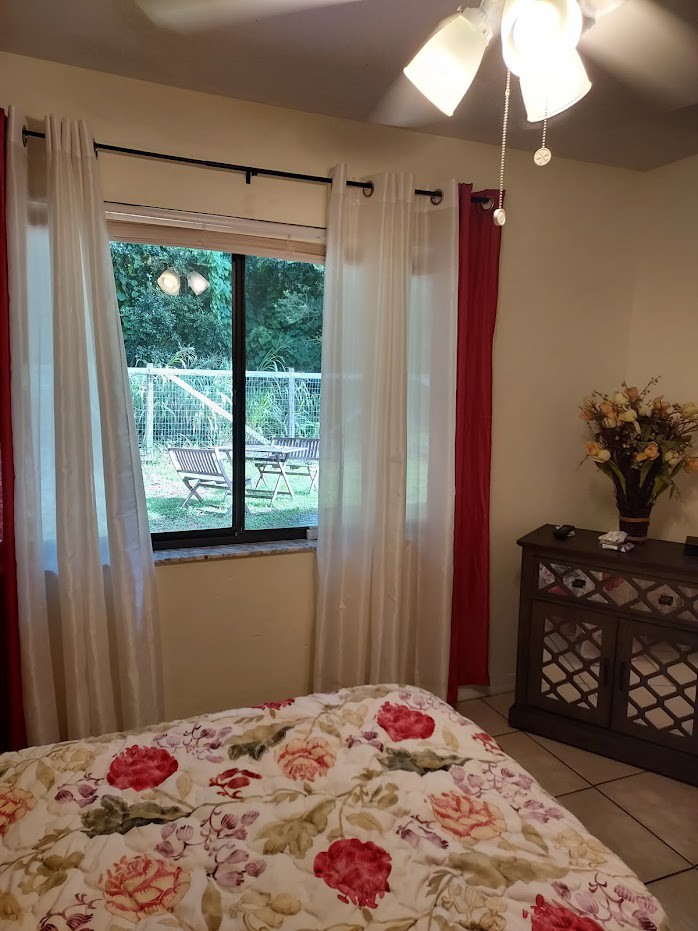
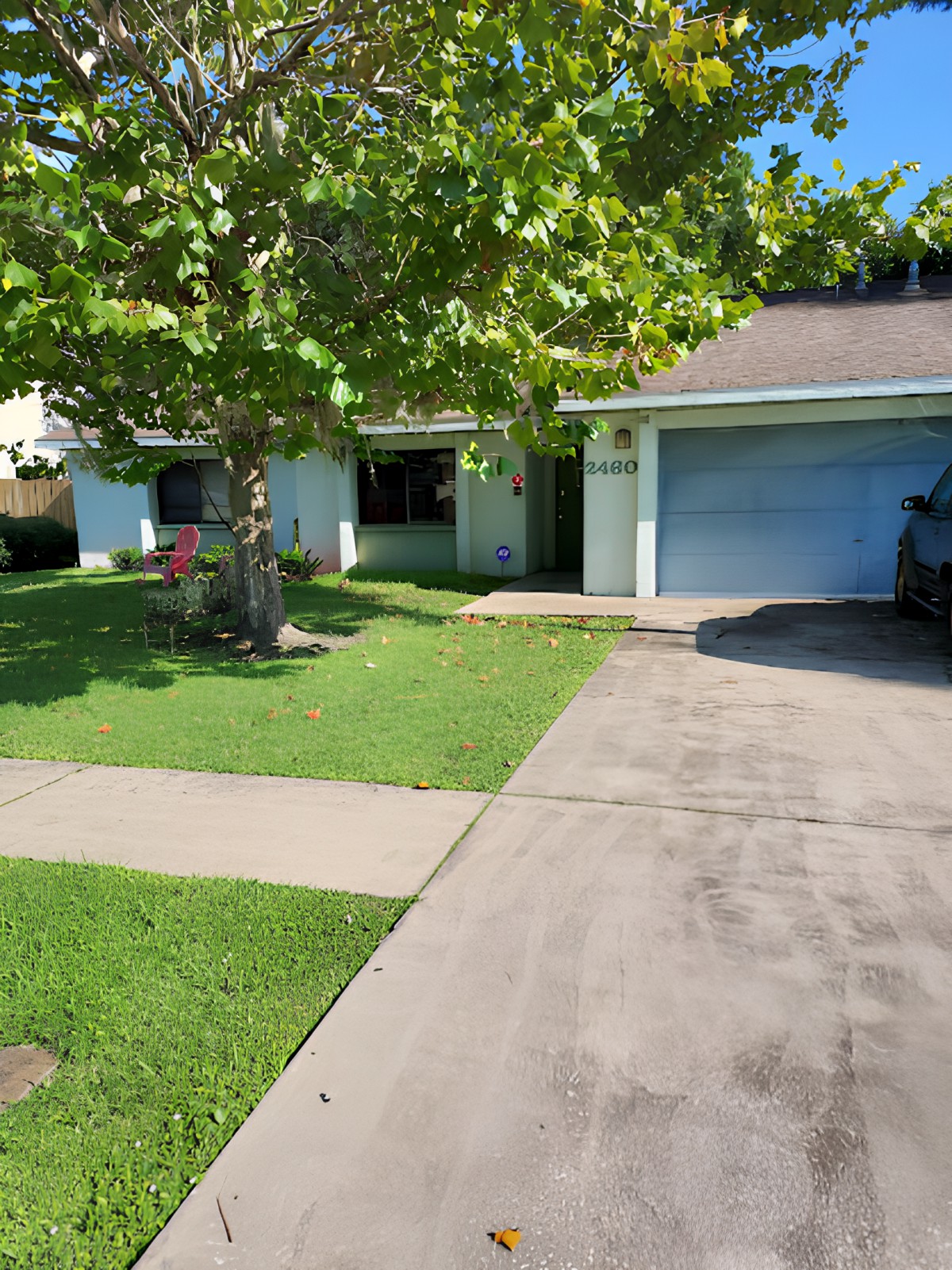
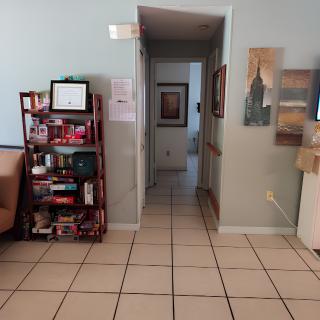
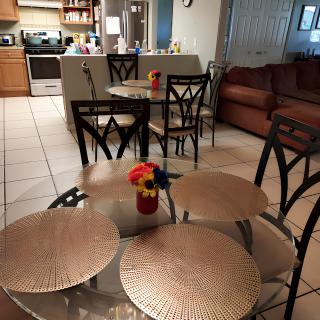
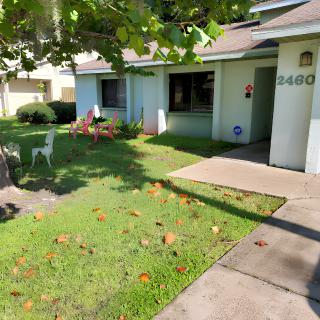
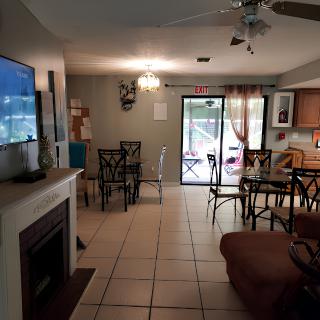
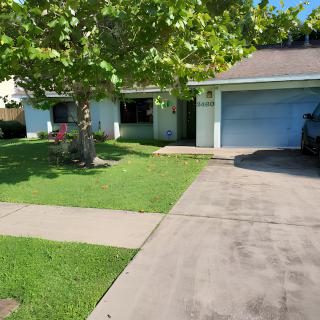
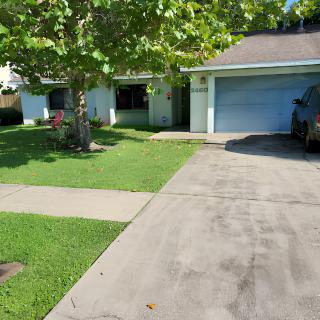
2460 Kathi Kim Street, Cocoa, FL 32926
For more information about senior living options: (866) 208-4318
Overall Review of Carolina Care
Pros
 It is much better than most assisted living places.
- The staff were friendly and accommodating.
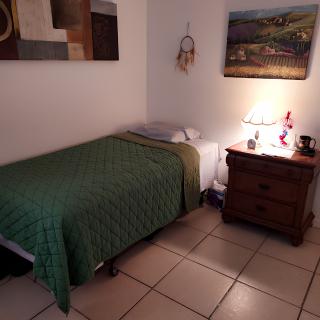
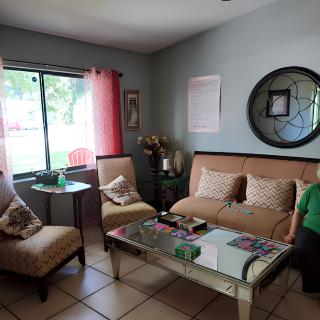
- It feels more like a group home than a lockdown facility.
- Lilly the cat loved it there.
- The owner's love for this place is amazing.
Review
Carolina Care in Cocoa, Florida is best suited for seniors who want a warm, intimate, home-like assisted living experience. This community works well for residents who value personal attention and a vibe that feels less like a facility and more like a welcoming household. The reviews highlight a setting that moves away from institutional formality toward a familiar, neighborly atmosphere, and the presence of a pet-friendly policy adds to that sense of home. For families seeking a place where staff are approachable and easygoing, with a culture that treats residents as individuals rather than numbers, Carolina Care stands out.
Those considering alternatives should note who this isn’t necessarily designed for. If a senior requires robust medical oversight, highly structured daily programming, or dementia care with dedicated, specialized staff and routines, a larger or more clinically oriented community may be a better match. Facilities that market themselves as highly regulated, medically oriented, or hospital-like in their care model can offer the level of supervision some families expect, but they may lack the same home-like comfort that Carolina Care emphasizes. For memory care, post-acute rehabilitation, or residents needing intensive 24/7 assistance, broader options outside this intimate setting should be explored.
On the upside, the strongest positives center on human connection. The staff come across as friendly and accommodating, and that personal warmth appears to permeate everyday life, making days feel smoother and less stressful for residents. The ardor and care from the owner are repeatedly praised, suggesting a management style that is hands-on and genuinely invested in residents’ well-being. The “group home” feel, rather than a rigid, lockdown-oriented environment, resonates with families who want comfortable, relaxed rhythms, and the pet-friendly angle (as illustrated by the mention of the resident cat Lilly) adds emotional resonance and a sense of continuity with ordinary life. These qualities can translate into shorter adjustment periods and greater resident satisfaction for many people.
Yet the footprint of Carolina Care is small in data and scope, which matters when weighing choices. With only three reviews captured, the picture remains impressionistic rather than definitive. One reviewer awarded a four-star rating, signaling that while the experience is largely positive, there are aspects that may not align perfectly with every family’s expectations. The other two reviews are strongly favorable, but the brevity of the sample means potential residents should probe beyond first impressions. There is no explicit commentary on the breadth of activities, the exact level of medical oversight, or the staff-to-resident ratio, leaving important questions open for a firsthand visit.
When the strengths are weighed against these limitations, the verdict becomes practical and directional. The home-like atmosphere, accommodating staff, and evident owner commitment offset the lack of a formal clinical footprint for many seniors who prize belonging, companionship, and a sense of continuity with everyday life. For families prioritizing ease of transition, lower-stress daily life, and a community where pets are welcome and staff know residents by name, Carolina Care delivers meaningful value. The risk lies in those needing strong medical management, memory-specific programming, or highly scheduled routines, areas where the intimate setting may lag behind larger providers.
The bottom line is clear: Carolina Care is a compelling choice for seniors who want a warm, intimate, and somewhat less structured assisted living experience and who can tolerate a smaller operation with less documented breadth of services. It is not the best fit for those demanding intensive medical supervision, formal activity schedules, or dementia care with specialized programming. Prospective families should visit and observe how the staff interact with residents, ask about daily schedules, confirm staffing coverage, and outline how pet-friendly policies work in practice. A direct conversation about medical oversight, emergency procedures, and expectations will determine whether the home-like charm translates into reliable, ongoing support for the specific needs at hand.
 8 resident community capacity
 Assisted Living
 Board and Care Home
 Cable or satellite TV
 Dining room
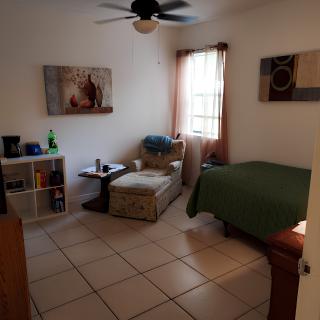
 Fully furnished
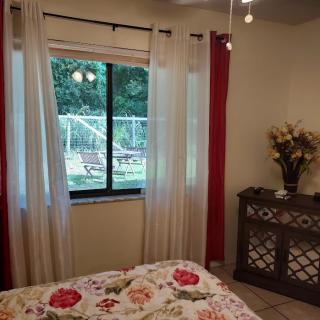
 Garden
 Housekeeping services
 Move-in coordination
 Outdoor space
 Telephone
 Wi-Fi/high-speed internet available
 Melbourne International (20 miles away)
 24-hour supervision
 Activities of daily living assistance
 Assistance with bathing
 Assistance with dressing
 Assistance with transfers
 Diabetes diet
 Meal preparation and service
 Medication management
 Special dietary restrictions
 Transportation arrangement (medical)
 Transportation to doctors appointments






 Social Security Benefits and Assisted Living: Navigating Options Across the U.S.
 An Extensive Exploration of the VA Aid and Attendance Benefit
 Senior Transition Services: Understanding Their Role, Cost, and Importance