
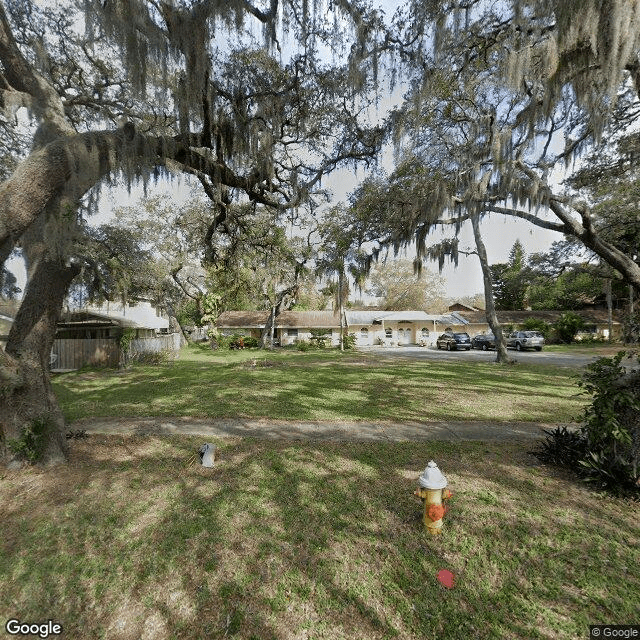
1930 Union Street, Clearwater, FL 33763
For more information about senior living options: (866) 208-4318
Union House Costs & Pricing
Union House offers competitive monthly rates for its residents, providing a cost-effective alternative compared to broader regional averages. For semi-private accommodations, the monthly fee is $2,200, which is notably lower than both Pinellas County's average of $2,765 and the state of Florida's average of $3,009. Similarly, the private room option at Union House is priced at $2,400, significantly undercutting Pinellas County's average of $3,602 and Florida's statewide figure of $3,699. This positioning not only underscores Union House's commitment to affordability but also highlights its appeal for individuals seeking quality care without the financial burden often associated with similar living arrangements in the area.
| Floor plans | Union House | Pinellas County | Florida |
|---|---|---|---|
| Semi-Private | $2,200 | $2,765 | $3,009 |
| Private | $2,400 | $3,602 | $3,699 |
Assisted Living communities with a similar price nearby
-
from -$200 / mo
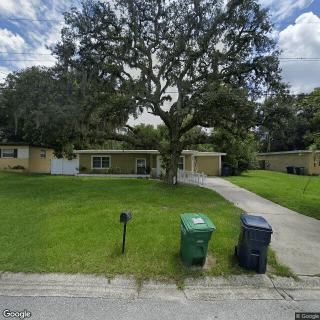
Assisted Living Facility Morning Dew
$2,000 to $2,500 / month20.6 miles away -
from +$300 / mo

Mi Bello Hogar Living Facility
$2,500 / month15.7 miles away -
from -$305 / mo
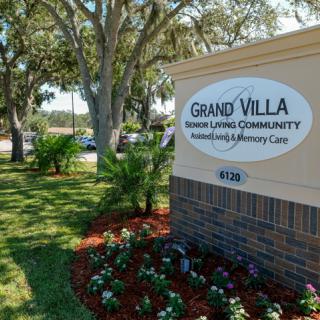
Grand Villa of New Port Richey
$1,895 to $3,595 / month17.6 miles away -
from -$210 / mo
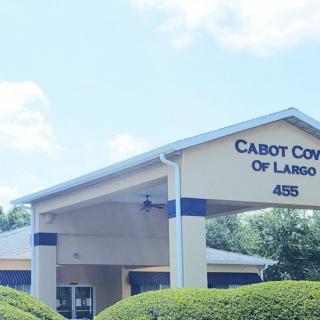
Cabot Cove of Largo Assisted Living & Memory Care
$1,990 to $3,145 / month5.9 miles away -
from -$400 / mo
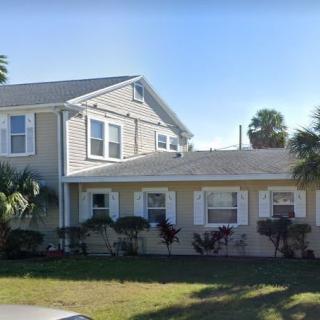
Windsor House
$1,800 to $2,500 / month3.8 miles away
Overall Review of Union House
Pros
 The staff are outstanding and caring.
- Residents enjoy home-made meals and can order what they want.
- The staff really care about the residents.
- The manager is caring and shows love to everyone.
- The community is very clean.
- They offer great activities that are outstanding.
- It has a family touch.
- The home-cooked meals look healthy and taste great, and they accommodate different dietary plans.
- The facility offers affordable basics and is clean.
Cons
 She was very unhappy.
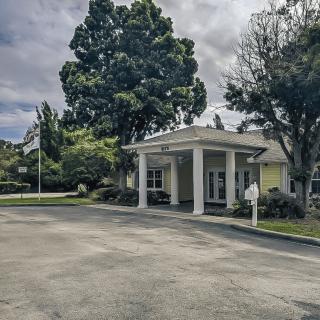
- The place is run down.
Review
Union House in Clearwater is best suited for seniors who want a small, homelike setting where staff know residents well, meals are cooked on site, and a family-style atmosphere is valued over formal campus amenities. The community operates as two connected houses with a modest resident count, which fosters personal attention and a sense of belonging rather than a clinical, impersonal feel. A resident who lived there highlighted how the hands-on operator and long-time staff created a comfortable, intimate environment, walking outdoors, socializing, and enjoying organized activities. For families seeking a place where care feels personal and readily adjustable to individual preferences, this setup can be a strong fit.
Those who should consider alternatives are families prioritizing scale, polish, and high-level clinical support. One harsh review warns against placing a loved one here, describing the facility as run down and suggesting serious shortcomings in maintenance and oversight. While other reviews glow about care and the homey feel, this stark caution cannot be dismissed. If reputation hinges on consistent upkeep, safety assurances, and comprehensive medical supervision from licensed nurses around the clock, a larger, more resource-rich community may better meet those expectations. The contrast in experiences signals a need for thorough, in-person assessment before deciding.
The strongest positives center on care quality, warmth, and customized meals. Several residents and families praise staff for being attentive, compassionate, and actively involved in daily routines. Handled medications, laundry service, and a reliable schedule of activities, bingo, movies, walks, and opportunities for social connection, create a lived-in, comforting rhythm. The meals are described as home-cooked and adaptable to dietary needs, with mention of managers who are genuinely engaged and approachable. The clean environment and a “family touch” reinforce a sense that this is a place where residents feel seen and valued, not simply cared for in a generic way.
However, the main drawbacks revolve around maintenance and the risk of inconsistent quality. The most vocal critique points to a run-down appearance and overall management issues that can eclipse even the strongest personal touches. In a setting this small, any lapse in upkeep or staffing reliability can have outsized effects on safety, morale, and day-to-day functioning. The tension between a genuine, hands-on operator and the reality of older, limited infrastructure is real here. Families must weigh the comfort of a homey vibe against the possibility of aging facilities and variable oversight, especially if medical complexity increases or caregiving needs become more demanding.
Operational realities matter as much as sentiment. The community’s size, the two-home layout with a grid of roughly a dozen residents in some accounts, creates a tightly knit ecosystem where staff and managers can respond promptly. An owner who is frequently on site, combined with staff who speak a language that resonates with some residents and families, can shorten communication gaps and improve satisfaction. Yet that same small scale can magnify gaps in professional oversight if turnover occurs or if resources are stretched. Pros and cons hinge on the degree to which a family is comfortable engaging directly with leadership and willing to participate in ongoing conversations about maintenance, safety, and care plans.
In the end, Union House offers a pragmatic choice for those prioritizing warmth, personal connection, and dietary flexibility over campus breadth and clinical breadth. For families that value a “home first” ethos and are prepared to manage the trade-offs of a small operation, including potential maintenance concerns and variable oversight, this community can deliver genuine quality of life. For those whose expectations center on sparkling facilities, robust 24/7 medical coverage, and consistently pristine upkeep, exploring alternatives will likely yield a better alignment. A deliberate visit, open questions about maintenance schedules, and conversations with current residents will reveal how Union House matches the specific priorities and risk tolerance of each family.
 14 resident community capacity
 Assisted Living
 Board and Care Home
 Activities off-site
 Cable or satellite TV
 Devotional services off-site
 Dining room
 Fully furnished
 Garden
 Housekeeping services
 Indoor common areas
 Move-in coordination
 Outdoor common areas
 Private
 Respite or short term stays offered
 Telephone
 VA Benefits Consultation
 Wheelchair accessible showers
 Wi-Fi/high-speed internet available
 St. Petersburg-Clearwater International (7 miles away)
 24-hour supervision
 Ambulatory care
 Assistance with bathing
 Assistance with dressing
 Assistance with transfers
 Diabetes diet
 Diabetic care
 Incontinence care
 Meal preparation and service
 Medication management
 Special dietary restrictions
 Transportation arrangement (medical)
 Transportation to doctors appointments
 English

 Understanding the True Cost of Assisted Living in 2025: A Comprehensive Guide
 Understanding Medicaid Coverage for Assisted Living: A Comprehensive Guide
 How and When Medicaid May Cover Assisted Living Costs