For more information about senior living options: (866) 208-4318
3.9 from 142 reviews
5 stars
82
4 stars
18
3 stars
11
2 stars
8
1 stars
23
Overall Review of Gulf Coast Village Skilled Nursing
differentiator10 reviews mention this
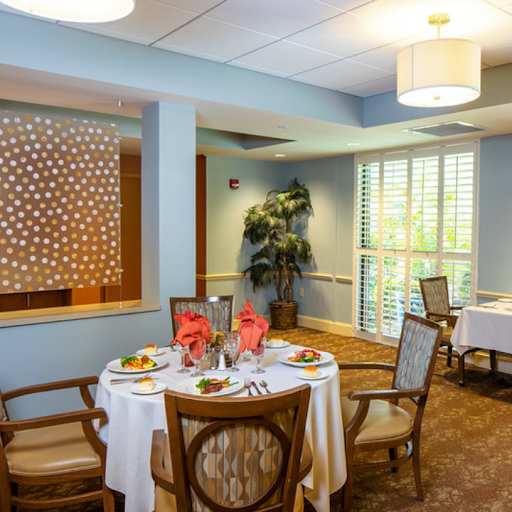
Dining quality stands out
Dining quality is a consistent point of praise from residents and families.
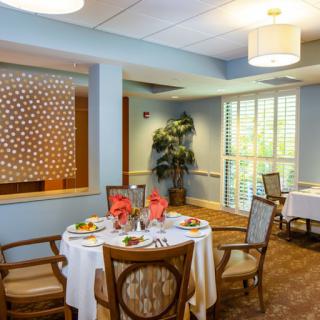
Several reviews describe the food as good, excellent, or delicious, often mentioning variety or meals that are enjoyable to eat. A number of people also specifically reference the dining experience as something residents look forward to, including restaurant-style meals and well-presented service. At the same time, a smaller set of reviews report problems like cold meals, which contrasts with the overall praise.
common14 reviews mention this
Staff kindness and responsiveness
Residents and visitors frequently describe the staff as kind, welcoming, and helpful.
Many reviews highlight friendly, caring staff and a welcoming tone when families visit or when residents need help. Several people describe attentive support around day-to-day care and communication, and others mention specific team members or departments (like nursing, housekeeping, and social work) that made a difference. While there are also negative reviews about staff behavior and follow-through, the positive experiences appear more common.
common7 reviews mention this
Many activities to stay engaged
Activities are a regular part of daily life and community life here.
Residents and families often mention frequent activities, including both on-site events and outings with provided transportation. Multiple reviews describe the community as having enough to keep people occupied, from social events to exercise-focused programming and seasonal events. A few reviews say activities were limited at the time of their visit, which is where the experience becomes less consistent.
caveat8 reviews mention this
Care can feel understaffed
Some reviews raise safety and supervision concerns related to staffing levels.
A recurring negative theme is that staffing is too thin, leading to delayed help, insufficient supervision, or missed needs. Several reviews describe long waits for assistance, problems coordinating care needs, or instances where families felt residents were not being watched closely enough. These concerns appear particularly in memory care and nursing/rehab contexts, though other reviews describe attentive care and good outcomes.
caveat5 reviews mention this
Costs are repeatedly described as high
Pricing is a frequent concern, with reviewers calling it expensive or above budget.
Some families describe the community as overpriced and out of their price range, including the idea of a buy-in followed by ongoing monthly rent. Other reviews call out the overall cost as high relative to what they expected, and one review also mentions issues with an entrance-fee refund timeline. While many residents and families express satisfaction despite the cost, price concerns show up often enough to be a clear caveat.
common10 reviews mention this
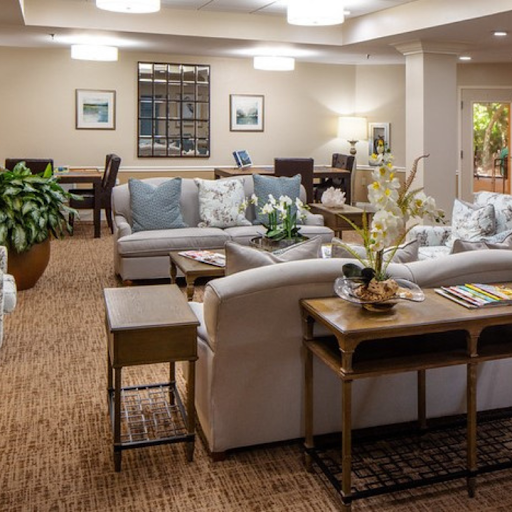
Clean, updated facilities
Clean, well-kept facilities are frequently mentioned in reviews.
Many reviewers describe the building as clean, well-maintained, and updated, including common areas and resident rooms. Some reviews also connect cleanliness to comfort and safety, reinforcing why the community feels manageable to families and visitors. A small number of negative reviews report issues like poor room cleaning or sanitation problems, which again contrasts with the broader cleanliness praise.
How we summarize
Counts show how many written reviews mention each theme; a review can touch several themes, and only frequently mentioned themes are displayed.
Features
Housing
1-bedroom apartments
2-bedroom apartments
Studio apartments
Types of Care
Assisted Living
Independent Living
Memory Care
Skilled Nursing Facility
Amenities
Activities on-site
Beautician on-site
Devotional services off-site
Dining room
Full kitchen
Housekeeping services
Indoor common areas
Laundry
Overnight guests
Party space
Resident parking
Respite or short term stays offered
Swimming pool
Transportation
Southwest Florida International (15 miles away)
Transportation & parking
Care Services
Ambulatory care
Diabetic care
Meal preparation and service
Medication management
Personal care assistants
Physical therapy
Walking wheelchair assistance
Dining
Meals provided
Vegetarian
Activities
Activities off-site
Activities on-site
Devotional activities offsite
Fitness programs
Religious services
Languages Spoken
English
Nearby Places of Interest
This part of Cape Coral, Florida, offers a variety of amenities and services within a short distance. With multiple pharmacies nearby, accessing medication and healthcare is convenient. There are also several physicians in the area, providing easy access to medical care. A range of dining options, including popular fast food chains and sit-down restaurants, can satisfy any craving. The proximity to hospitals and healthcare services ensures that senior residents have access to quality medical care when needed. Additionally, there are cafes for socializing and parks for outdoor recreation within a short drive. The presence of places of worship offers spiritual support and community connections. Overall, this area provides a convenient and well-rounded environment for senior living in Cape Coral.
Gulf Coast Village Skilled Nursing offers essential features that significantly enhance the quality of memory care for residents facing dementia or Alzheimer's disease. Medication management ensures that residents receive their prescribed medications consistently and on schedule, reducing the risk of confusion and contributing to overall health stability. Meal preparation and service are tailored to meet individual dietary needs and preferences, which not only promotes better nutrition but also fosters a familiar and comforting environment, an important aspect for those experiencing cognitive decline. Additionally, physical therapy is designed to maintain mobility and independence while addressing specific challenges associated with dementia, thereby improving physical well-being and enhancing cognitive function through engaging activities. Together, these features create a comprehensive care approach that supports both the physical and emotional needs of residents in their journey with memory-related conditions.
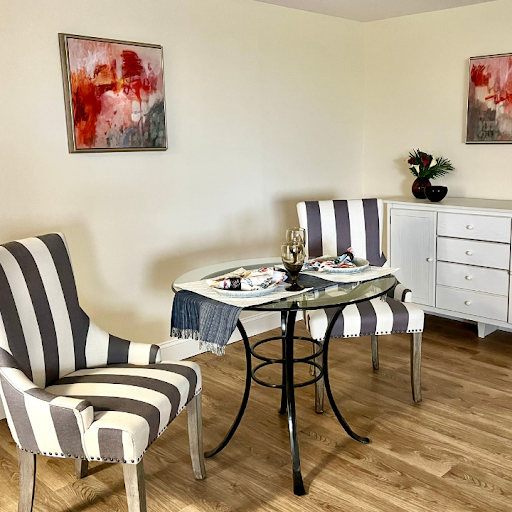
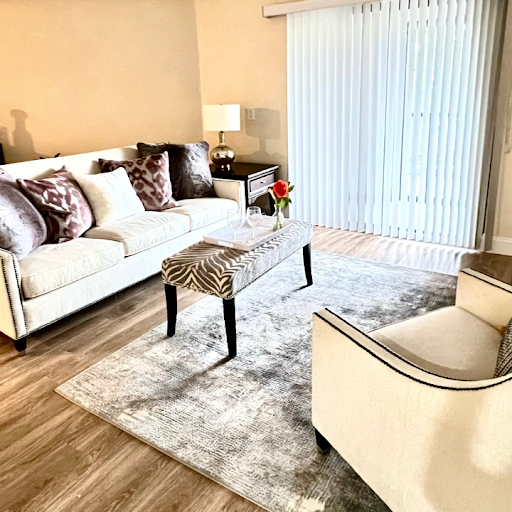
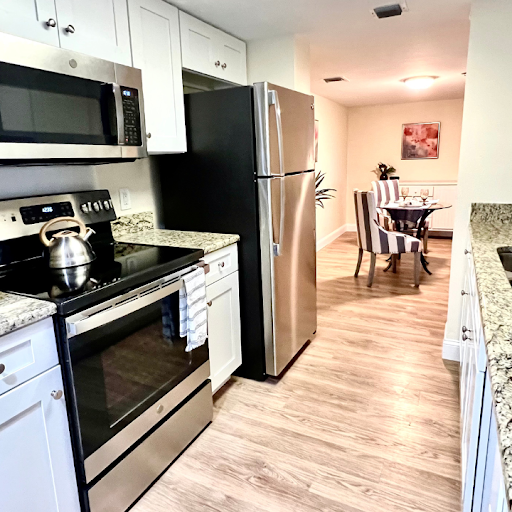
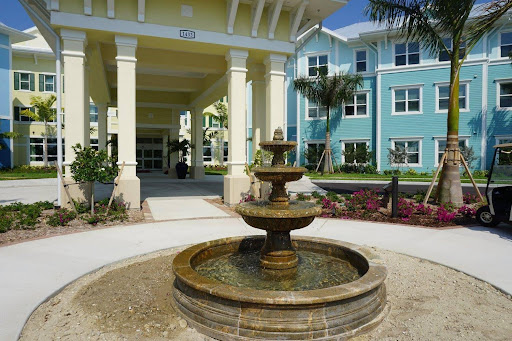
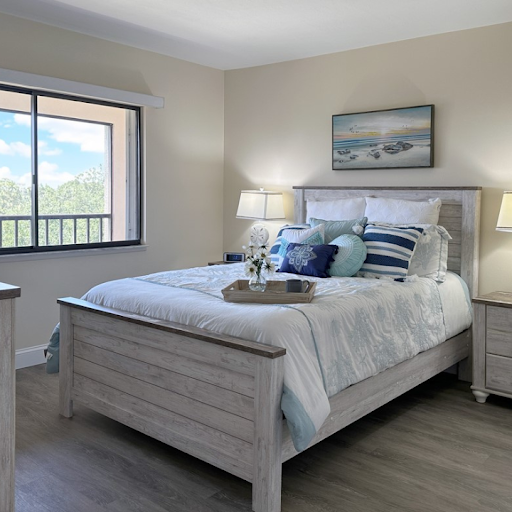
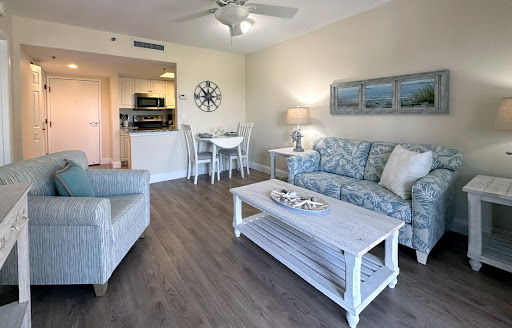
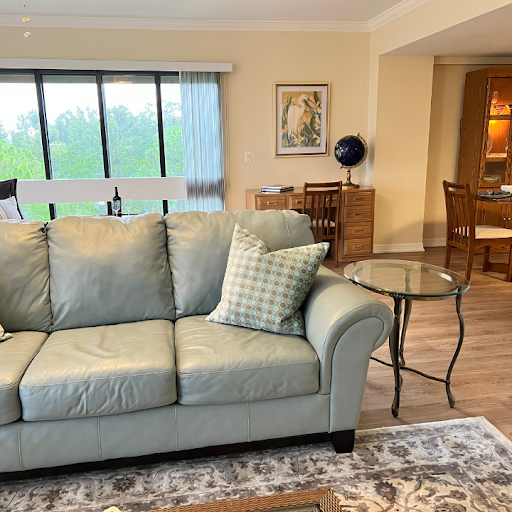
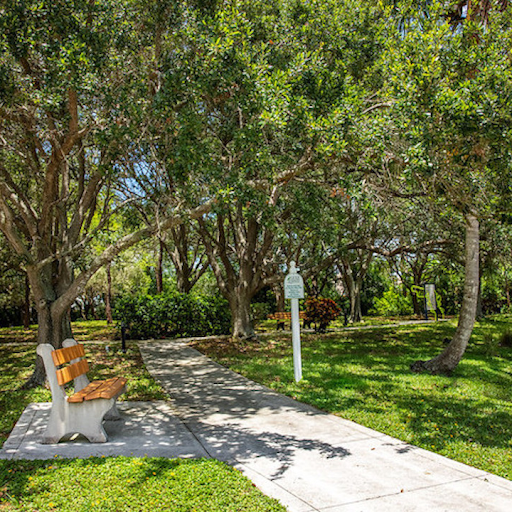
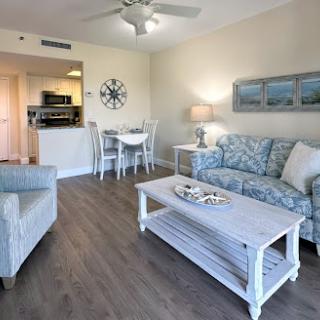
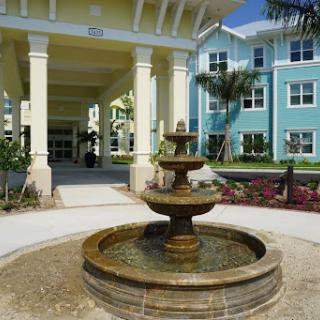
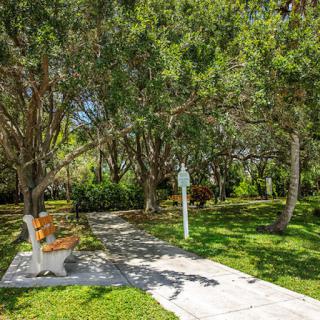
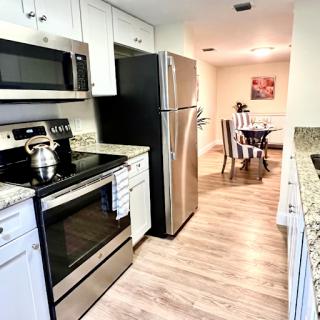
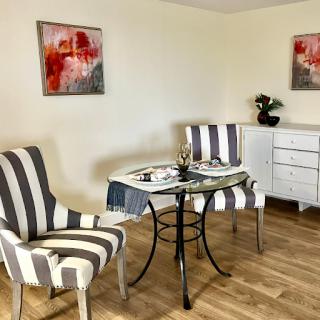
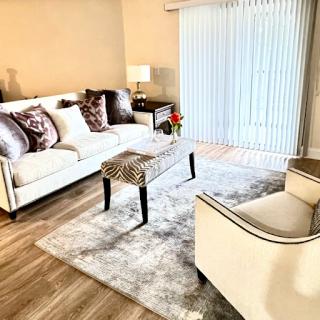
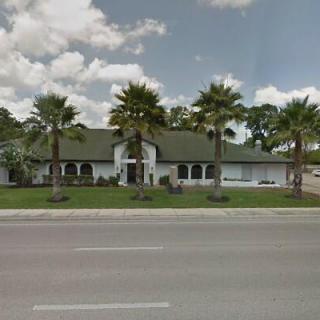
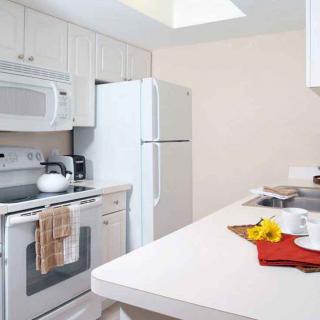
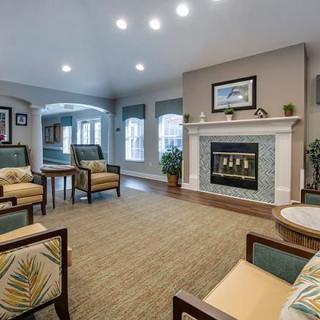
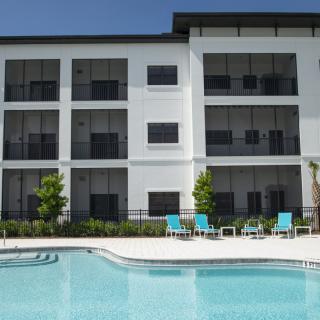
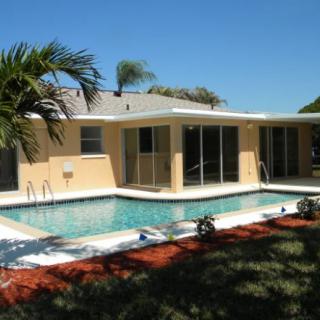
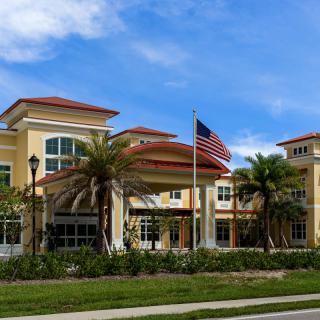
Gulf Coast Village Skilled Nursing on seniors.fyi includes 11 photos including images showing interior, decor, living room, dining, landscaping, bedroom, table settings, fountain, and more.
Nearby Communities
Gulf Coast Village
Cape Coral, FL
4.1 from 138 reviews
Kind, capable staff in a clean, engaging community with varied activities and dining.
Cape Coral Shores
Cape Coral, FL
4.7 from 15 reviews
Respite care with 24/7 supervision and diabetes support in a furnished setting.
Promised Sky ALF INC
Cape Coral, FL
4.5 from 10 reviews
$3,000 / month
Palmview At Gulf Coast Village
Cape Coral, FL
4.7 from 3 reviews
High-quality care with clean facilities and attentive, relationship-building staff.
Brookdale Santa Barbara
Cape Coral, FL
4.3 from 72 reviews
$4,815 to $6,050 / month
Caring, attentive staff and a welcoming, family-like atmosphere with clean facilities and engaging activities.
The Woodlands
Cape Coral, FL
3.1 from 36 reviews
$2,600 to $3,600 / month
Competitive pricing for memory care and assisted living compared with local county and state averages.
Highpoint at Cape Coral
Cape Coral, FL
4.4 from 115 reviews
$3,795 to $4,375 / month
Caring staff, engaging activities, and clean, well-equipped amenities.
Coral Trace Manor
Cape Coral, FL
2.8 from 141 reviews
Effective physical therapy and compassionate moments, plus clean surroundings and good meals.
The Gallery at Cape Coral
Cape Coral, FL
4.4 from 135 reviews
$4,180 to $6,695 / month
New, well-kept facility with engaging activities and friendly staff.
Choosing between assisted living and nursing homes involves evaluating emotional and financial factors, with assisted living offering independence and support for daily activities at a lower cost, while nursing homes provide intensive medical care for individuals with significant health needs. The decision is influenced by personal preferences, health status, cognitive function, and varying Medicaid coverage across states.
The article presents eight strategies for preserving cognitive health and memory in older adults, emphasizing a nutrient-rich diet, regular exercise, intellectually stimulating activities, adequate sleep, social connections, stress management techniques, limiting harmful substances, and regular medical checkups to mitigate age-related memory decline.
Activities of Daily Living (ADLs) are fundamental tasks vital for an individual's independence, particularly in older adults over 85, and include functions like bathing and dressing; assessing ADLs alongside Instrumental Activities of Daily Living (IADLs) helps determine the level of required assistance due to age-related health challenges. Tailored support plans, involving family and community resources, are essential for maintaining dignity and autonomy in assisted living environments.
Building, Architecture, Garden, Outdoor, and Fountain
Trees, Pathway, Outdoor Seating, Nature, and Park
Kitchen, Appliances, Open Space, and Cooking
Artwork and Dining Table
Rug
Table Settings
Get PricingAsk A QuestionSchedule A TourContact Senior Advisor
By clicking submit, you agree to our Partner's Terms of Use. You
also consent to receive calls and texts, which may be autodialed, from our Partner. Your consent is not a condition to
using our Partner's service. Please visit our Partner's Privacy Policy for information about their privacy practices.


 1-bedroom apartments
 Assisted Living
 Independent Living
 Memory Care
 Skilled Nursing Facility
 Activities on-site
 Beautician on-site
 Devotional services off-site
 Dining room
 Full kitchen
 Housekeeping services
 Indoor common areas
 Laundry
 Overnight guests
 Party space
 Resident parking
 Respite or short term stays offered
 Swimming pool
 Southwest Florida International (15 miles away)
 Transportation & parking
 Ambulatory care
 Diabetic care
 Meal preparation and service
 Medication management
 Physical therapy
 Walking wheelchair assistance
 Fitness programs
 English
 Kind, capable staff in a clean, engaging community with varied activities and dining.

 Choosing the Right Senior Care: A Detailed Exploration of Assisted Living and Nursing Homes
 Safeguarding Your Memory Through the Golden Years: Eight Ways to Preserve Cognitive Health
 Comprehensive Insights into Activities of Daily Living (ADLs) and Their Assessment