

621 Cape Coral Pkwy E, Suite 14, Cape Coral, FL 33904
To contact a resident: (239) 205-6834
For more information about senior living options: (866) 208-4318
Overall Review of Caring & Kind Home Healthcare
Pros
 They are a fantastic resource for families seeking in-home care.
- They provide the benefits of a large home care group with the compassion and individualized attention of a small business.
- Their workers are well trained and deliver the highest quality of care.
- The caregivers offer loving, professional, warm, and respectful support.
- They give families peace of mind by providing strength and safety to stay at home.
- They are reliable, flexible, and easy to work with, with caregivers who can become trusted members of the family.
- They were there for clients when needed, including after Hurricane Ian.
Cons
 They could not keep staff, and part of the quality of care was not met.
Review
Caring & Kind Home Healthcare in Cape Coral, FL is best for families that want a loved one to live at home while receiving dependable, personable support. It suits seniors and adults facing chronic illness or hospice-related needs who value a team that blends professional acuity with intimate, homey attention. The model leverages the scale and accountability of a larger home-health operation while preserving the warmth and responsiveness of a locally run agency, delivering aides who show up on time, stay flexible with routines, and treat the home as if it were their own. For households seeking a true partner in daily care rather than a generic service, this provider has a clear, practical appeal.
The strongest pros center on care quality and accessibility. Caregivers are repeatedly described as well-trained, compassionate, and respectful, delivering high-quality support with a human touch. The combination of a larger agency backbone and a small-business feel translates into reliable coverage without sacrificing personalized attention. Families report that aides become trusted allies, helping with light housekeeping, daily tasks, and safety, so that loved ones can remain at home longer. Administrators are portrayed as organized, knowledgeable, and responsive, which reduces family stress and makes scheduling feel manageable. The ability to adjust hours and respond quickly during emergencies or illness further strengthens the value proposition.
However, the most notable con is staffing stability. At least one review flags that the agency could not retain staff consistently, which can disrupt continuity of care and undermine safety. That risk is genuine and should be weighed seriously, especially when a routine caregiver rotation would unsettle a loved one or interrupt established patterns. Yet the same set of experiences also highlights that when staffing is stable, the care remains exceptional. The practical takeaway is that continuity hinges on the agency’s ability to deploy reliable backups and onboarding processes, and on whether the family is comfortable with occasional caregiver changes. The strength of leadership and a strong care framework partly offset this concern, but it remains the decisive caveat.
Alternatives merit consideration for families where guaranteed continuity or heavier medical oversight is non-negotiable. If a single caregiver returning consistently each week is essential, or if 24/7 nursing supervision is anticipated, exploring other agencies with stronger long-term staff retention records or a facility-based option may be prudent. Private-duty arrangements or other regional providers can offer different guarantees around back-up coverage and caregiver rotation. In markets like Cape Coral, balancing the allure of Caring & Kind’s warmth and flexibility against the need for unwavering staffing and explicit medical coordination will guide the comparative choice. This is not a dismissive verdict, but a practical rubric to use during diligence.
Practical decision steps help translate strengths into a confident choice. Begin with a thorough care assessment that maps daily routines, medications, safety requirements, and end-of-life considerations if applicable. Probe the agency’s backup plan for caregiver absences and the likelihood of assigning the same caregiver routinely. Ask for turnover statistics, onboarding practices, and how care plans are communicated and updated. Verify coordination with physicians, hospice services, and therapy teams, and determine whether light housekeeping is included or optional. Request written care plans, transparent pricing elements, and a defined trial period to evaluate scheduling reliability, caregiver rapport, and communication with the administrator and front-line staff.
In sum, Caring & Kind Home Healthcare stands out for families who want compassionate, competent at-home care backed by organized leadership and the flexibility to adapt to changing needs. The blend of well-trained caregivers and a personal, in-home approach makes it a strong fit for active seniors and those navigating illness or end-of-life care, especially when the goal is to stay at home with robust day-to-day support. The central caveat, staff stability, calls for upfront questions and a clear backup strategy, but the agency’s demonstrated responsiveness and orderly management mitigate that risk for many cases. For households prioritizing independence at home, dependable help, and caregivers who become part of the family, this provider remains a compelling choice, start with a candid intake to confirm alignment and set expectations before committing.
 Southwest Florida International (13 miles away)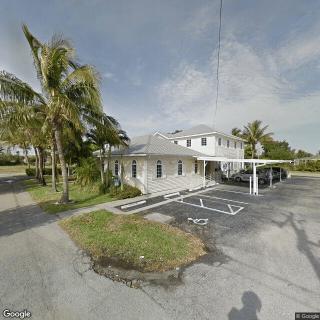





 Exploring Nonmedical Home Care: Understanding Services, Costs, and Financial Approaches
 Engaging Brain Games and Innovative Apps to Keep Senior Minds Active
 Effective Strategies for Keeping Seniors' Minds Active: A Deep Dive into Brain Games and Apps