
42 B Caroline St, Bunnell, FL 32110
To contact a resident: (352) 323-6232
For more information about senior living options: (866) 208-4318
Overall Review of Senior Helpers Palm Coast
Pros
 They eventually looked forward to the visits.
- The caregivers are very patient with clients who have walking, hearing, and sight limitations.
- They are very accommodating, with several good caregivers.
- They are easy to deal with and can do what is needed.
- Their staff are very helpful and professional.
- The helpers are friendly, and communication with the office is great.
- They would recommend Senior Helpers, chosen for the friendliness of the staff.
Cons
 The reviewer was skeptical at first.
- The reviewer showed unhappiness at the start.
Review
Senior Helpers Palm Coast in Bunnell is best suited for seniors who want dependable, person-to-person in-home care delivered by patient, attentive caregivers and who value clear, friendly communication with the office. The service appears to work best for individuals who face mobility, hearing, or vision challenges and benefit from a care team that can adapt to a range of daily needs without creating friction. Families seeking a way to maintain independence at home while staying tethered to a reliable support network will find this option especially compelling. The emphasis on welcoming, responsive care turns tentative acceptance into genuine comfort, with visits that become something to look forward to rather than a chore to endure. In short, this community serves as a practical, hands-on solution for at-home assistance where personal connection and predictable schedules matter most.
Those who are pursuing more intensive medical supervision or a traditional assisted living setting should consider alternatives. The reviews illuminate a strengths profile centered on caregiving warmth, professionalism, and accessible office staff, but they do not showcase on-site nursing, advanced medical oversight, or a memory-care environment. For families needing robust 24/7 clinical oversight, medication management by licensed professionals, or specialized care communities tailored to dementia or other complex conditions, a facility with dedicated licensed nursing and structured programs would likely deliver more comprehensive support. In situations where medical complexity exceeds what in-home, non-clinical care can reliably provide, a different path will protect safety and continuity of care better.
The strongest, most durable pro is the caregivers’ patience and adaptability. Clients repeatedly describe staff who meet unique needs with calm, steady, and respectful attention, even when tasks are challenging due to physical or sensory limits. The ability to accommodate a range of handicaps, walking difficulties, hearing loss, vision issues, and still deliver dependable assistance translates into meaningful daily stability. This is not a fringe benefit; it directly reduces frustration for both seniors and families and increases participation in routine activities, which in turn supports ongoing independence. The care team’s willingness to adjust to each person’s tempo and preferences frequently becomes the linchpin of a successful care plan, outweighing any potential friction from scheduling or caregiver turnover.
Equally notable is the overall professionalism residents experience in interactions with staff and the office. The caregivers’ courteous manner, combined with straightforward, responsive communication from the office, creates a predictable, low-stress flow of support. The sentiment that these caregivers are “easy to deal with” and that the office is “great at communication” signals a genuine engagement culture. For families juggling multiple responsibilities, this cohesiveness is not superficial; it translates into reliable appointment adherence, prompt issue resolution, and a clearer sense of who is coming for visits and when. In practice, that communicative reliability often reduces the mental load on loved ones, enabling calmer planning and better coordination with other care services.
Even with these strengths, certain realities warrant consideration. The reviews hint at a rotating cast of caregivers rather than a single, constant primary companion. While several good caregivers are noted, this pattern can challenge those who prize a long-standing caregiver relationship or who worry about continuity. The offset here lies in the combination of professional ethics, approachable office staff, and a system that keeps care moving smoothly despite staff changes. Families can mitigate disruption by establishing a clear point person, specifying preferences, and leveraging the office’s coordination capability to align scheduling and caregiver assignment as much as possible. For those who need a fixed, intimate routine with one primary caregiver, the experience may require negotiation and patience.
In the end, Senior Helpers Palm Coast offers a practical, well-regarded option for at-home senior support. The candid strength lies in highly personable, patient caregivers whose adaptability makes daily living more manageable and less stressful, paired with a team that communicates well and keeps the administrative side approachable. For families prioritizing warmth, reliability, and ease of access to responsive help, this program delivers tangible value that can sustain independence at home. However, for those whose criteria include continuous on-site nursing, a specialized memory-care setting, or a fixed caregiver relationship, alternatives with stronger medical integration or a structured facility environment will likely be more appropriate. The decision hinges on balancing the desire for at-home familiarity and flexible caregiving against the need for higher levels of clinical oversight and specialized programs.
 Daytona Beach International (17 miles away)
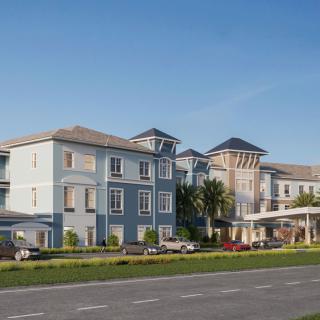
 Comprehensive Insights into Palliative Home Care: What It Is and What to Expect
 Skilled Nursing Facilities vs. Nursing Homes: Making Sense of the Differences
 A Detailed Examination of Nursing Home Costs Across the U.S.