
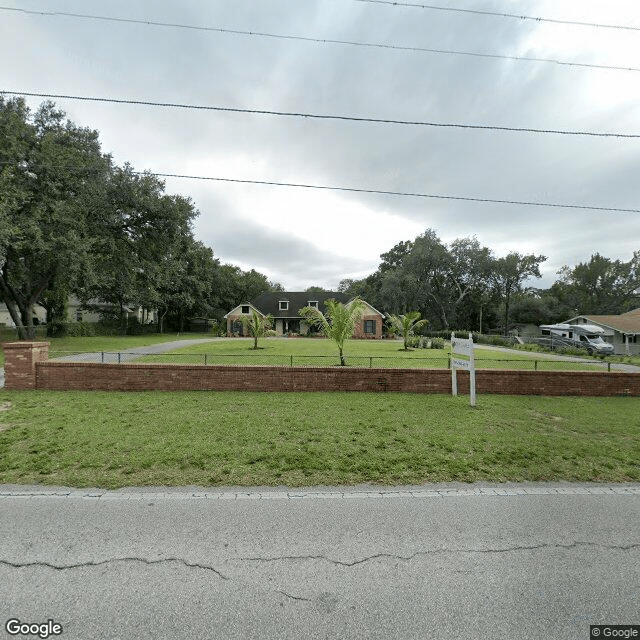
1007 Brooker Road, Brandon, FL 33511
To contact a resident: (813) 300-6177
For more information about senior living options: (866) 208-4318
Ava Cares IV Costs & Pricing
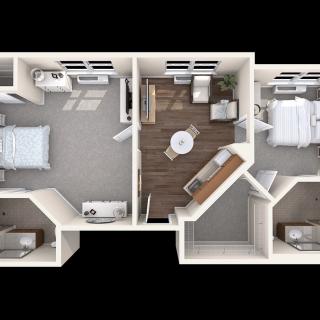
Ava Cares IV offers competitive pricing for its services compared to the broader market in Hillsborough County and across Florida. For a semi-private room, the cost at Ava Cares IV is $2,200 per month, which is significantly lower than both the county average of $3,096 and the state average of $3,009. When it comes to private rooms, Ava Cares IV also provides a favorable rate at $4,000 per month, though this is slightly above the county's average of $3,384 and the state average of $3,699. Overall, while Ava Cares IV positions itself as an affordable option for those seeking quality care in the region, it does present a higher price point for private accommodations relative to local and state standards.
| Floor plans | Ava Cares IV | Hillsborough County | Florida |
|---|---|---|---|
| Semi-Private | $2,200 | $3,096 | $3,009 |
| Private | $4,000 | $3,384 | $3,699 |
Senior living communities with a similar price nearby
-
from -$200 / mo
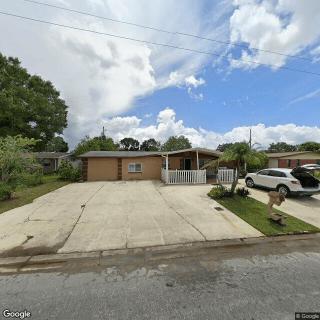
Caregivers Touch ALF
$2,000 to $3,000 / month16.9 miles away -
About the same
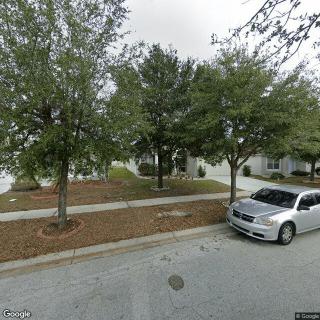
Dorothy Cares Assisted Living Facility
$2,200 to $3,300 / month8.2 miles away -
from +$300 / mo
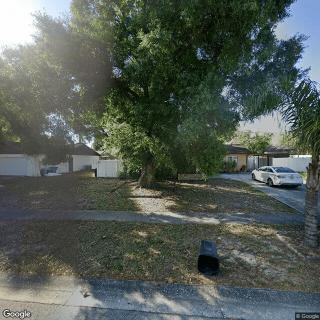
Garden Oasis Alf
$2,500 to $3,500 / month1.5 miles away -
from -$400 / mo
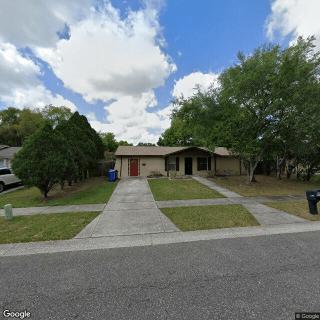
Benrac Home Alf
$1,800 to $4,263 / month1.6 miles away -
from -$200 / mo
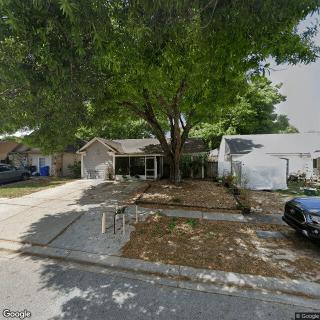
Elderly Pride Assisted Living
$2,000 to $2,500 / month1.9 miles away
Overall Review of Ava Cares IV
Pros
 The caregivers are unbelievable, calling families directly when residents are alert and able to talk.
- The facility’s smaller size fosters strong bonds between staff and residents.
- The care and love provided gives families peace of mind.
- The staff are described as a blessing by families.
- The meals are great and residents love them.
- The home is clean, with no smells, and feels very friendly.
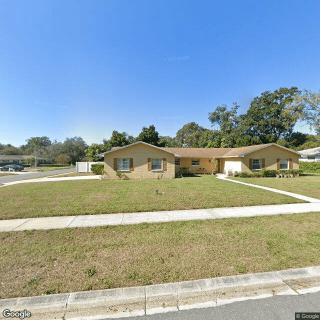
- The atmosphere is warm and home-like, rather than a clinical facility.
Cons
 They say Eva Cares is not staffed with trained personnel.
 - They claim there are no activities to keep the seniors alert and mentally stimulated.
- They describe the meals as garbage and lacking special meals.
- They note the houses always smell of traditional Philippine fish cooking in the kitchen.
- They state residents only interact with a staff member during meals, three times a day.
- They claim more active residents are medicated to keep them "in line" and quiet.
- They warn that pharmacy bills are unreasonable or include large quantities of meds.
- They argue these ALF houses need to be shut down.
Review
Ava Cares IV in Brandon is best suited for families seeking a small, home-like assisted living environment where caregiving feels personal and highly accessible. The setting favors residents who respond to close, consistent caregiver relationships, regular family participation, and a calm, non-clinical atmosphere. For memory care or dementia support, the smaller scale and intimate staff interactions can translate into steadier routines, quicker recognition of mood shifts, and a sense of belonging that many families value. This is a place where the day-to-day feel leans toward comfort and familiarity, with the strongest appeal to those who want to see caregivers as an extension of the family rather than distant professionals.
That said, several families may want to consider alternatives. If bilingual communication and uncompromising professional standards are non-negotiable, this community may fall short for some residents. A subset of reviews highlights language barriers and perceptions of inconsistent staffing, turnover, or supervision, which can complicate care for residents who rely on precise instructions, new medical needs, or rapid escalation of concerns. Families seeking aggressive oversight, a larger roster of clinical services, or stringent regulatory transparency might prefer a facility with more documented, centralized management and clearer lines of accountability.
On the upside, the strongest pros center on a genuine, family-oriented culture. Clean, well-kept spaces, a home-like ambiance, and frequent, unprompted staff accessibility create a sense of security for visiting loved ones. Several accounts mention timely doctor visits and the option for hospice care tied to the home, which minimizes fuss and transport when medical needs intensify. The ability to participate in celebrations, birthday observances, and informal daily interactions with staff contributes to a mood of dignity and belonging that can slow behavioral or mood declines common with memory impairment. When these elements align, residents appear to thrive emotionally and socially.
Yet the main cons are material and recurring. Language gaps and perceptions of overworked caregivers recur in multiple reviews, along with concerns about pay-for-care dynamics and billing for medications or services that seem excessive. A few critics also call for closer scrutiny of the owner’s priorities, suggesting the operation is more revenue-driven than resident-centered. The cost is nontrivial, reported around $3,500 per month, raising questions about value, especially for residents who require substantial assistance with daily tasks but may not receive consistently robust, English-speaking supervision or wide-ranging activities. The risk calculus for families must weigh these financial and operational questions against the warmth and familiarity reported by others.
The key is how the positives offset the negatives, and that balance hinges on resident needs and family expectations. For a senior who benefits from a tightly knit caregiver team, visible day-to-day rapport, and the comfort of a smaller, domestic setting, the advantages can meaningfully outweigh the drawbacks. The presence of on-site medical checks and hospice-capability is a practical plus, reducing hospital transfers and fragmentation of care, while the opportunity for spontaneous family involvement can preserve a sense of autonomy and dignity. In such cases, the care experience can feel deeply supportive, with staff who remember names, preferences, and important life events.
However, consider the potential gaps with equal vigilance. If the resident requires highly consistent English-language communication, a structured activity calendar, or transparent, formalized billing practices, the cons may overshadow the perceived warmth. Prospective families should demand current, detailed information on staff ratios, onboarding practices, and how medical decisions are documented and communicated. It is prudent to request unannounced visits, speak with current residents and families, review incident logs, and scrutinize the billing ledger for clarity. Verifying certification status, state inspections, and any violations through local authorities will also clarify the operational landscape before committing.
In the end, Ava Cares IV presents a compelling option for families prioritizing a small, intimate environment with deeply personalized care and a family feel. It is less well-suited for those who insist on strong English-speaking leadership, high-volume activities, or a transparent, aggressively affordable care model. For Brandon-area families contemplating alternatives, compare options that demonstrate consistent staffing, clearer regulatory standing, and helmsmanship with a track record of measured, professional care. The decision weighs emotional comfort and daily interactions against language, oversight, and cost, and will be most sound for those who value intimate connections as the core of their loved one’s daily life.
 Board and Care Home
 Cats allowed
 Dogs allowed
 Activities off-site
 Devotional services off-site
 Indoor common areas
 Outdoor common areas
 Private
 Tampa International (17 miles away)
 Ambulatory care
 Diabetic care
 Incontinence care
 Medication management
 Meals provided

 Comprehensive Look at Senior Blood Pressure Charts: Normal and Elevated Levels by Age
 Top Canine Companions for Older Adults
 Comprehensive Guide to Blood Pressure Charts for Older Adults: Understanding Normal and High Readings by Age