
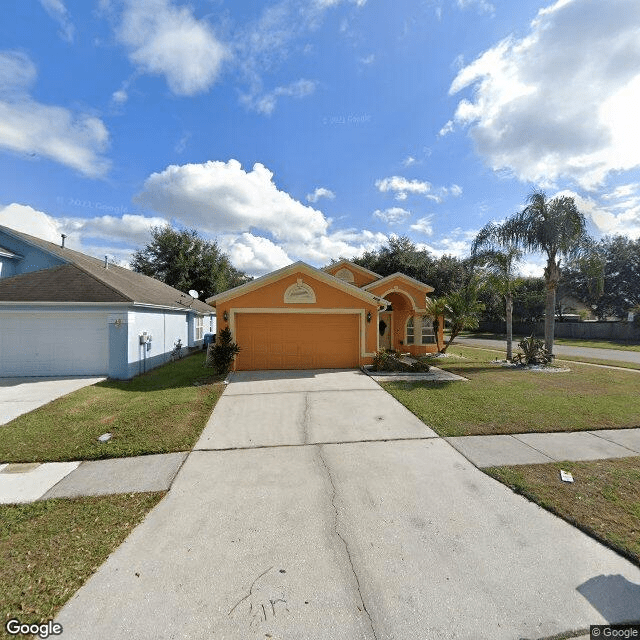
2006 Wrangler Dr, Brandon, FL 33511
To contact a resident: (813) 239-7558
For more information about senior living options: (866) 208-4318
Overall Review of Assured Care ALF North
Pros
 The mom has been at Ava's for almost eight years; the home is clean, odor-free, friendly, and she is well cared for.
- The staff are skilled, and Ava responds promptly to inquiries.
- The reviewers highly recommend Ava's ALF.
- The mom enjoys great meals and feels well cared for, easing family worries.
- Doctors regularly check on her, and hospice care can be provided at home.
- The husband spent about a year and a half at Ava's and absolutely loved it; the staff were friendly and the facility felt like a home.
- There was open communication, and he had his recliner and flat-screen, being very happy until he passed.
Review
Assured Care ALF North in Brandon is best suited for families seeking a small, home-like assisted living experience where daily support is paired with visible personal attention and accessible medical oversight. The setting appeals to seniors who value cleanliness, a domestic atmosphere, and a predictable routine over a hospital-like ambiance. From long-tenured residents to more recent arrivals, families report meals that satisfy, staff that know residents by name, and a level of responsiveness that reduces worry. The observations across the strongest accounts describe a facility that feels more like a well-run home than a clinical campus, with caregivers who are skilled, conscientious, and readily available when questions arise. That combination is exactly what many seeking stability want.
Those who need round-the-clock nursing care, memory-care specialization, or a larger campus with a broader medical team may want alternatives. Assured Care ALF North emphasizes a home environment and on-site doctor visits, but the reviews do not portray a large nursing staff or dementia-designated programming. For families where rapid escalation of complex medical needs, 24/7 professional supervision, or multi-disciplinary teams on site are non-negotiables, a bigger assisted living, continuing-care retirement community, or a hospital-affiliated option could be more appropriate. Additionally, families pursuing aggressive rehab services or highly structured activity schedules may find the smaller setting less suitable. In short, suitability hinges on the expectation of medical intensity and program breadth.
The strongest positives center on cleanliness, a home-like ambiance, and reliable, engaged staff. Residents benefit from well-maintained spaces, the absence of odors, and meals that are described as satisfying. The staff is portrayed as skilled and responsive, with leadership that communicates and coordinates care, including routine physician check-ins and the provision to bring hospice services to the home when needed. These advantages offset potential downsides by fostering familiarity, reducing anxiety, and limiting the need for constant hospital transfers. The primary caveat, inferred rather than stated, is a comparatively leaner medical footprint for a facility of this size. Pros and medical touchpoints compensate for this by preserving continuity of care and minimizing disruption through on-site doctor visits and prompt caregiver engagement during emergencies or changes in condition.
When evaluating, families should verify how medical oversight is structured on a day-to-day basis, including the frequency of nurse and clinician presence, and how after-hours needs are managed. Tour the dining area to gauge consistency of meal quality and resident satisfaction, and ask about the cadence of activities to ensure engagement matches a loved one's interests. Inquire about the process for coordinating with outside physicians and hospice, and confirm who oversees care plans and updates to family members. Given the praise for Ava and similar leadership responsiveness, seek transparent points of contact for urgent questions and ensure there is a reliable communication channel with caregiving teams. A direct conversation about memory-support needs can clarify whether this setting aligns with those requirements.
The couples and long-term residents in the reviews suggest stability and a nurturing routine. One family describes a mom who has thrived there for almost eight years, with consistent meals, attentive care, and in-home medical visits that reduce the need to relocate for hospice. Another account highlights a spouse who felt at home, with a clear sense of personal space, private recliner, and easy access to staff. These narratives signal a favorable climate for seniors who prize familiarity and continuity. However, the absence of explicit dementia-care specialization in the notes means families should weigh whether memory-specific needs require a facility with dedicated programs or a more expansive care model.
For seniors who want a straightforward, warm, and well-managed home-like environment with reliable caregiver responsiveness and regular medical touchpoints, Assured Care ALF North stands out as a strong choice. It particularly suits families prioritizing comfort, routine, cleanliness, and open communication over a large clinical footprint. Those requiring intensive, round-the-clock nursing supervision or dementia-focused programming may find better alignment elsewhere. Prospective residents should arrange a tour, talk directly with the administrator about care plans, and verify how doctors and hospice services integrate into daily life. With its demonstrated stability and practical strengths, this community offers a clear path to secure, respectful care for a wide range of seniors, and a caution that matches the decision to specialized memory care if that need exists.
 Assisted Living
 Activities on-site
 Devotional services off-site
 Indoor common areas
 Tampa International (13 miles away)
 Ambulatory care
 Diabetic care
 Meals provided



 Medicare Coverage for Assisted Living: An In-Depth Exploration
 Choosing the Right Senior Care: A Detailed Exploration of Assisted Living and Nursing Homes
 Understanding the True Cost of Assisted Living in 2025: A Comprehensive Guide