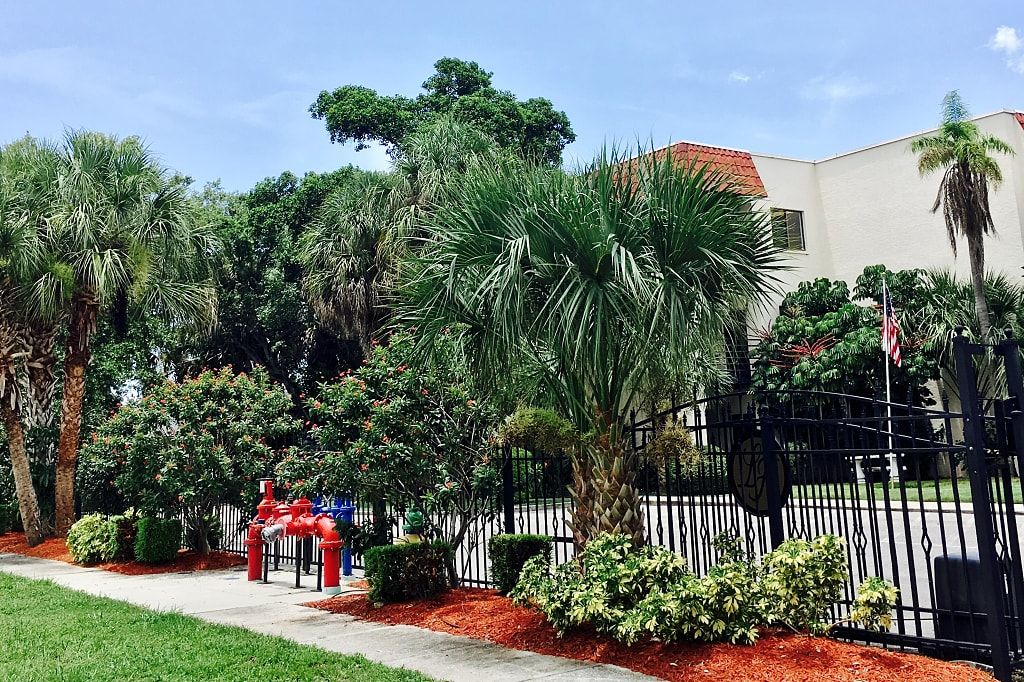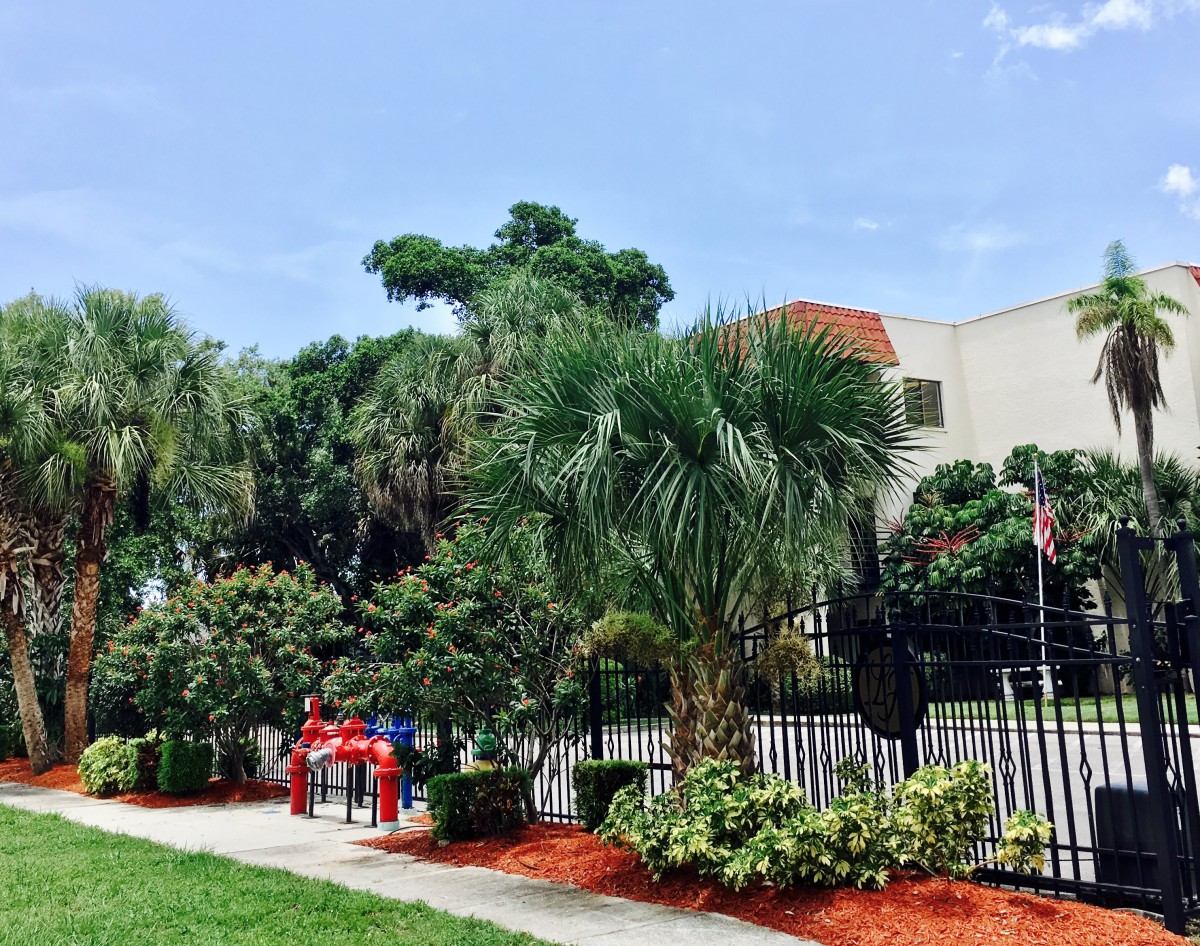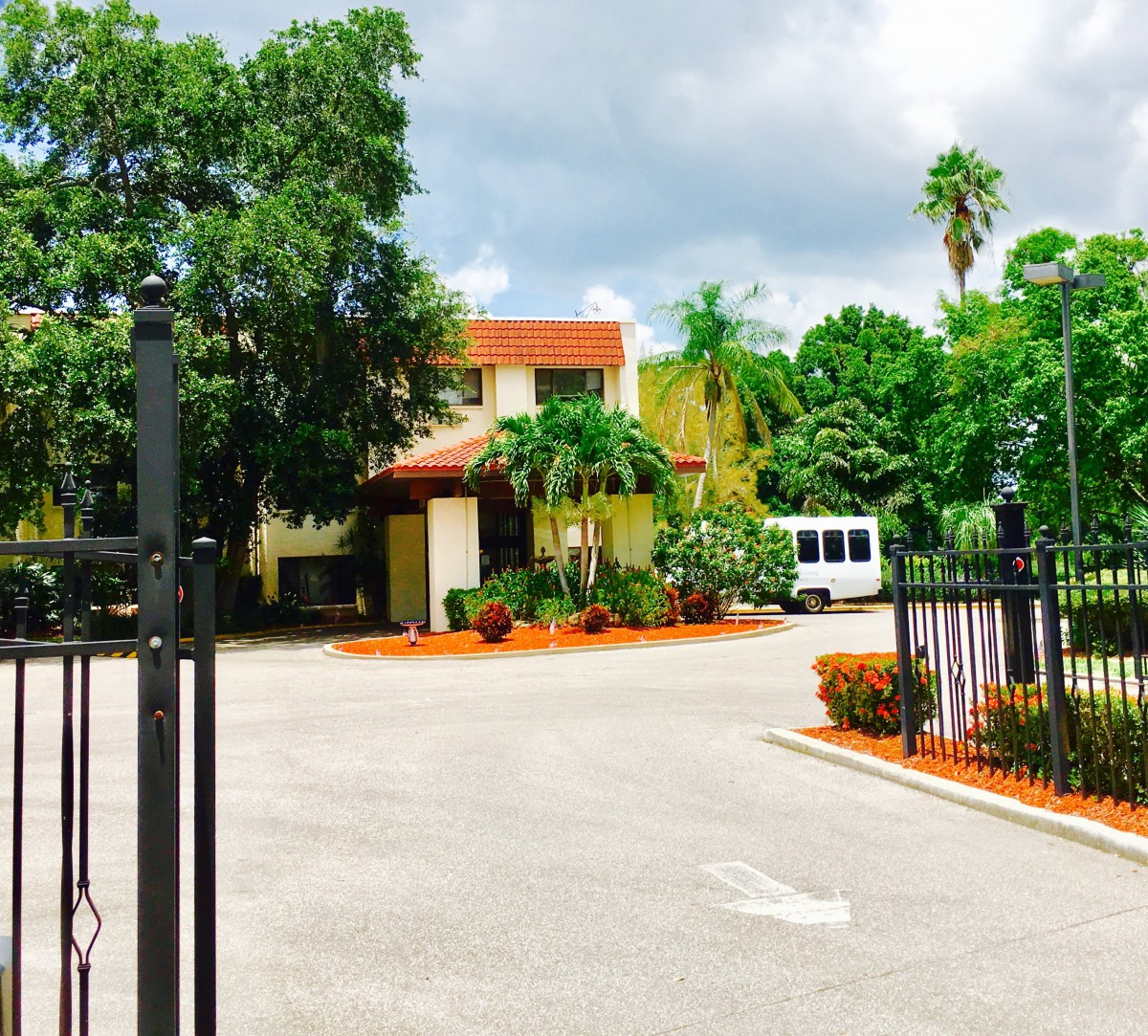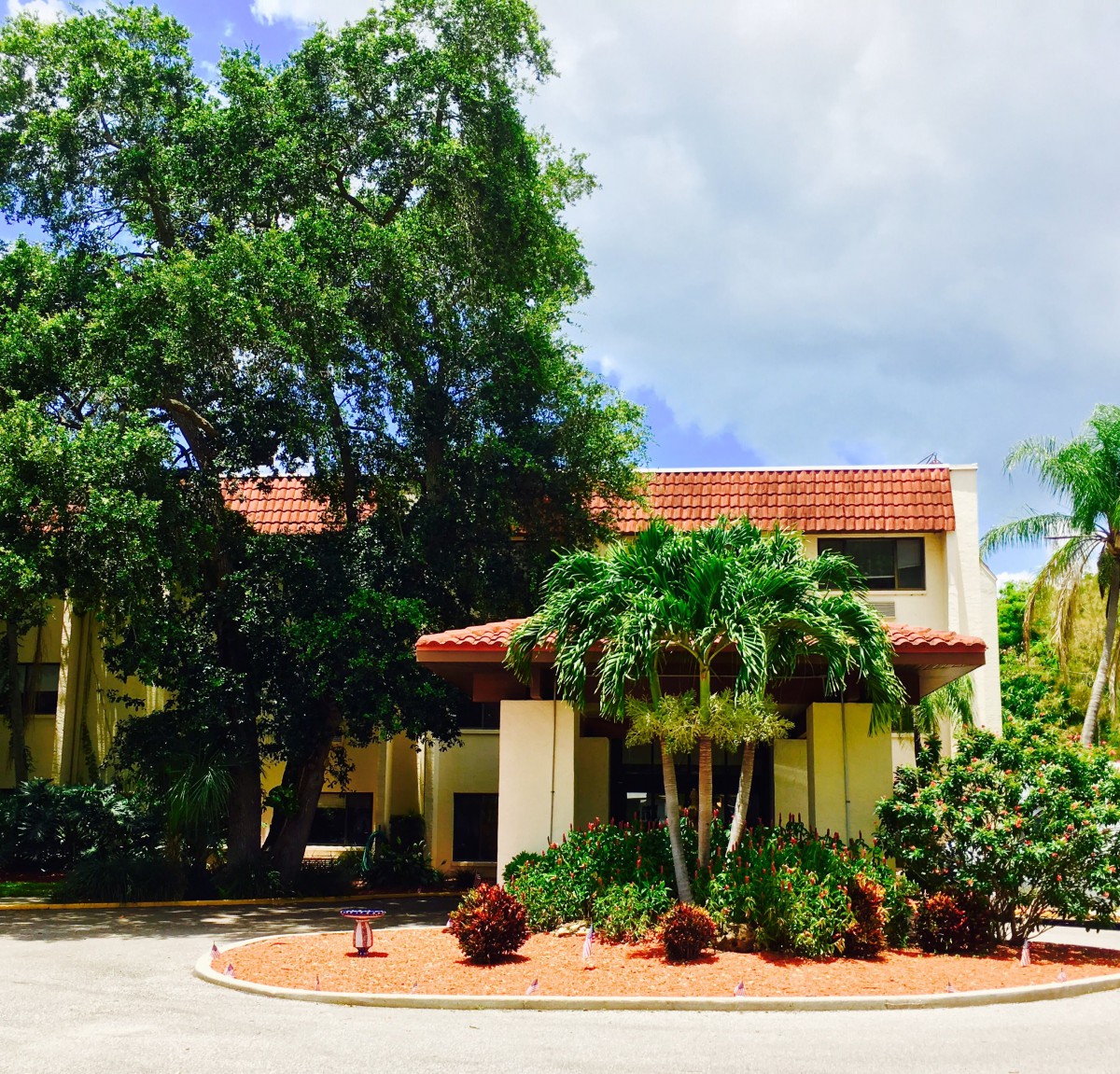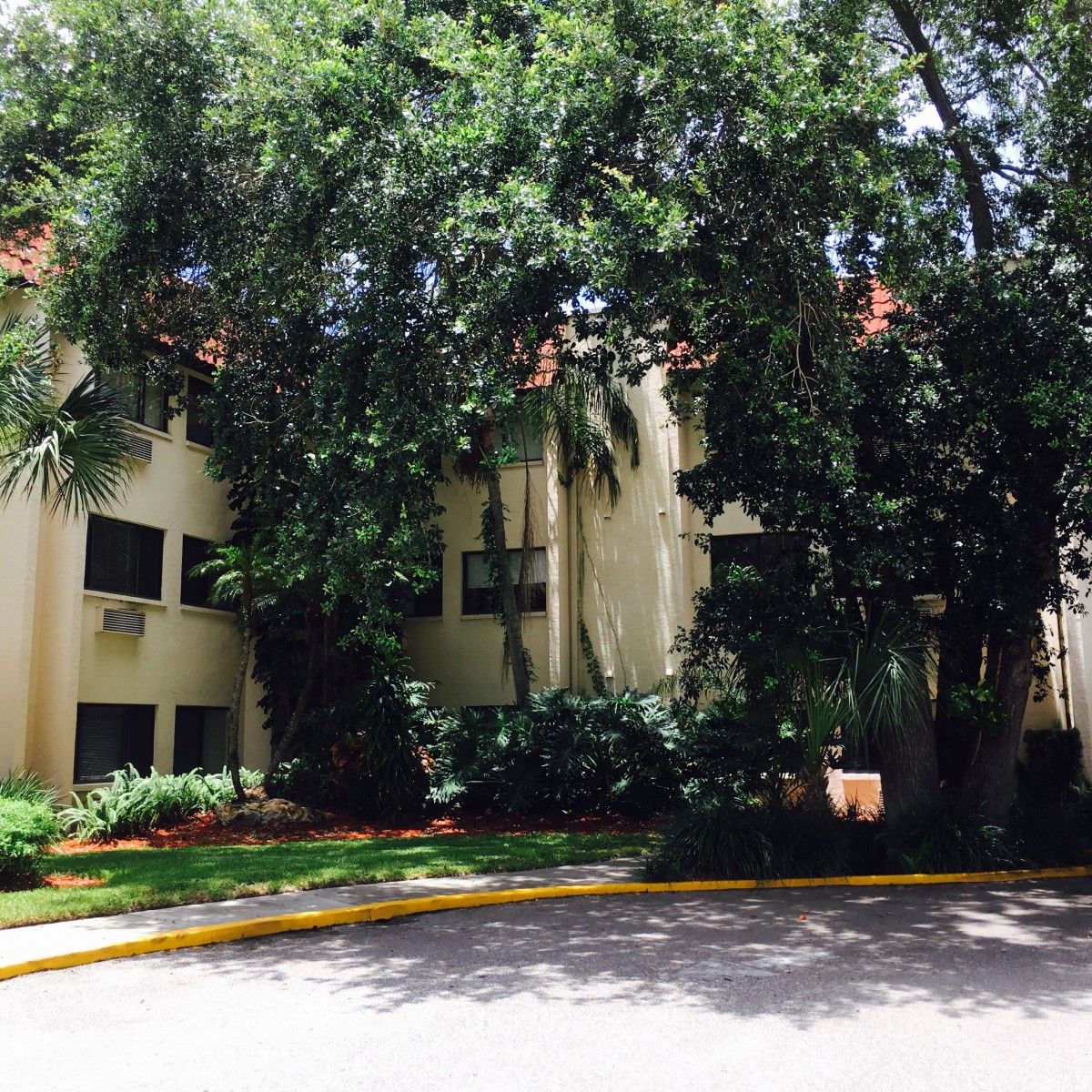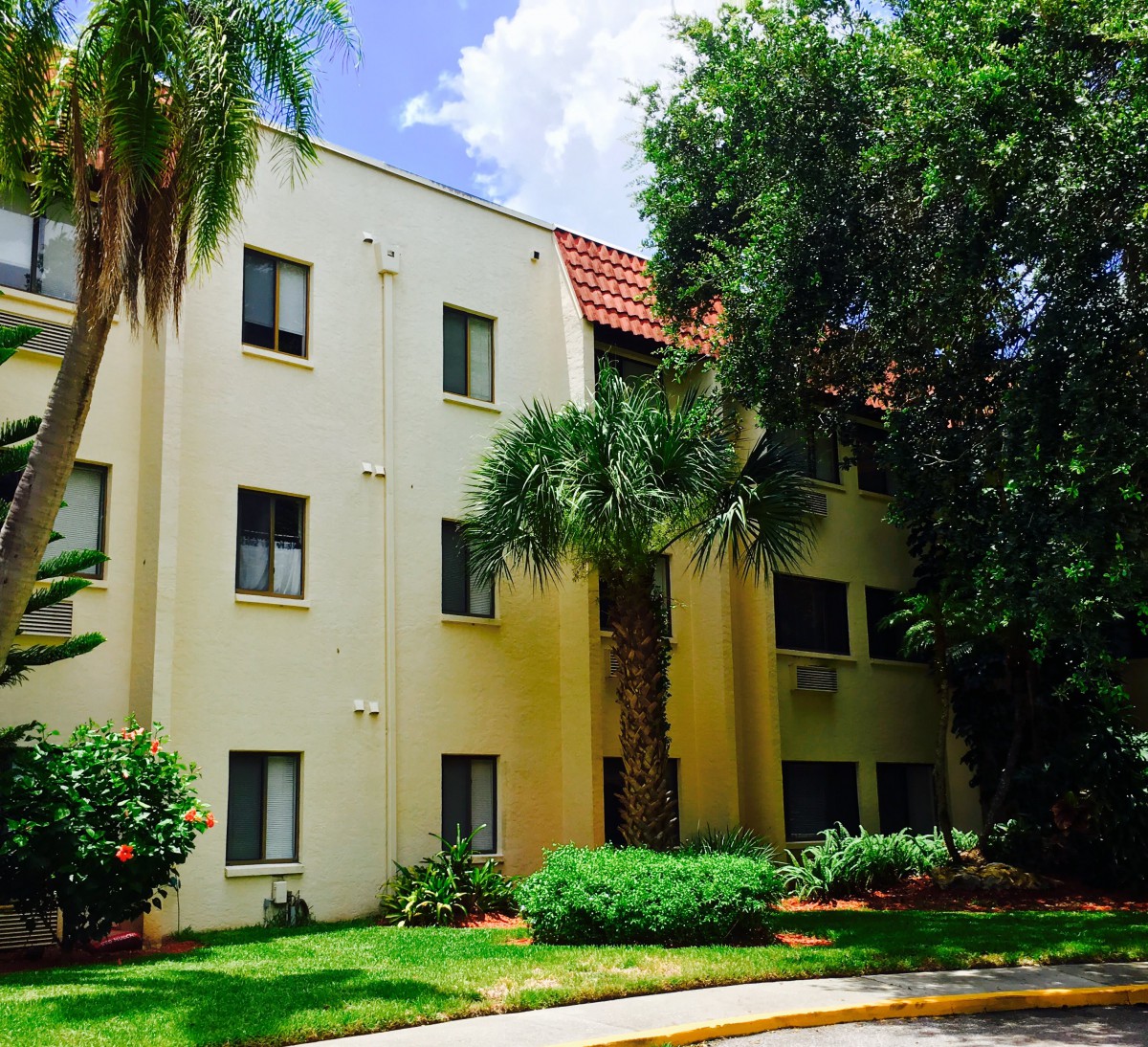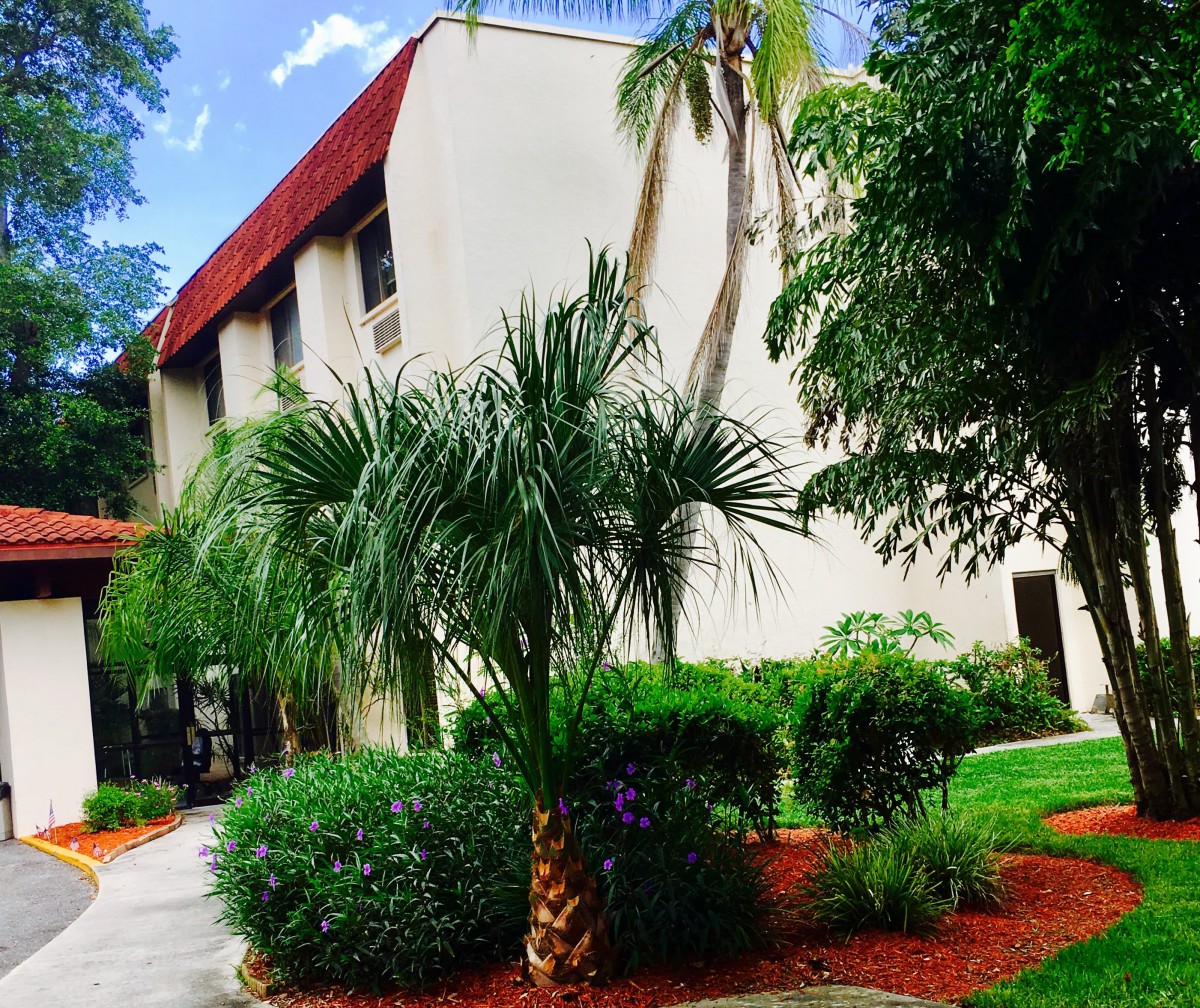

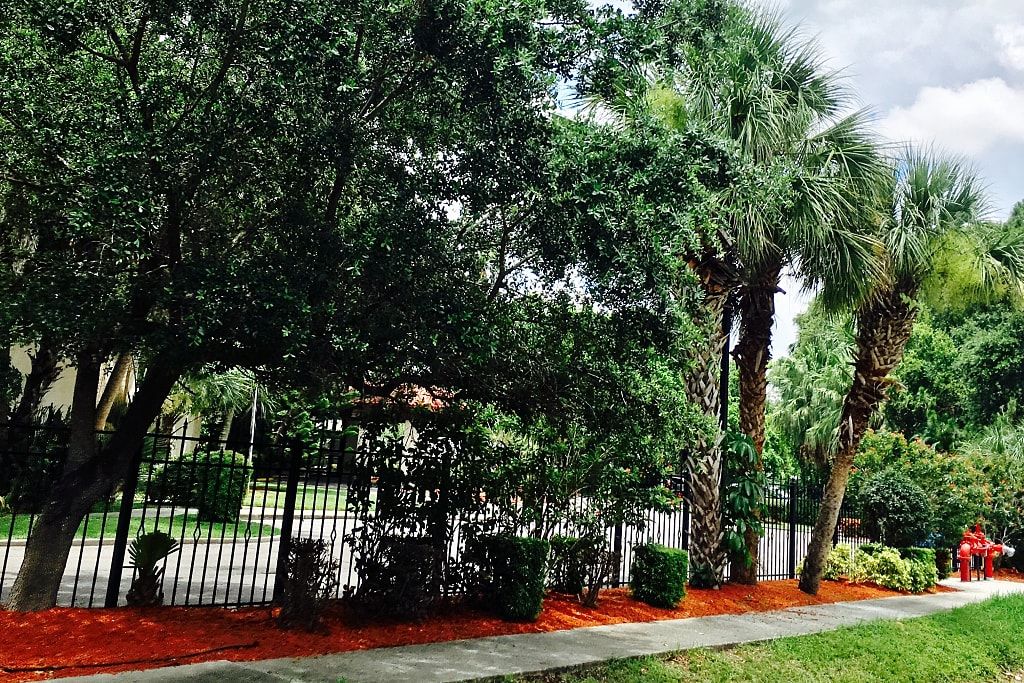
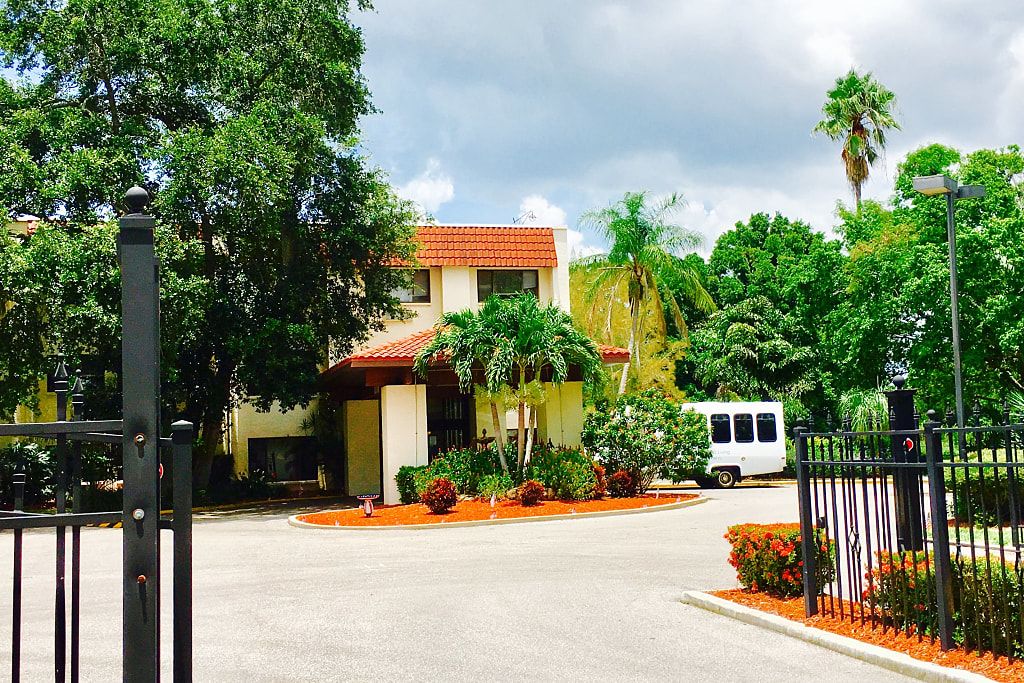
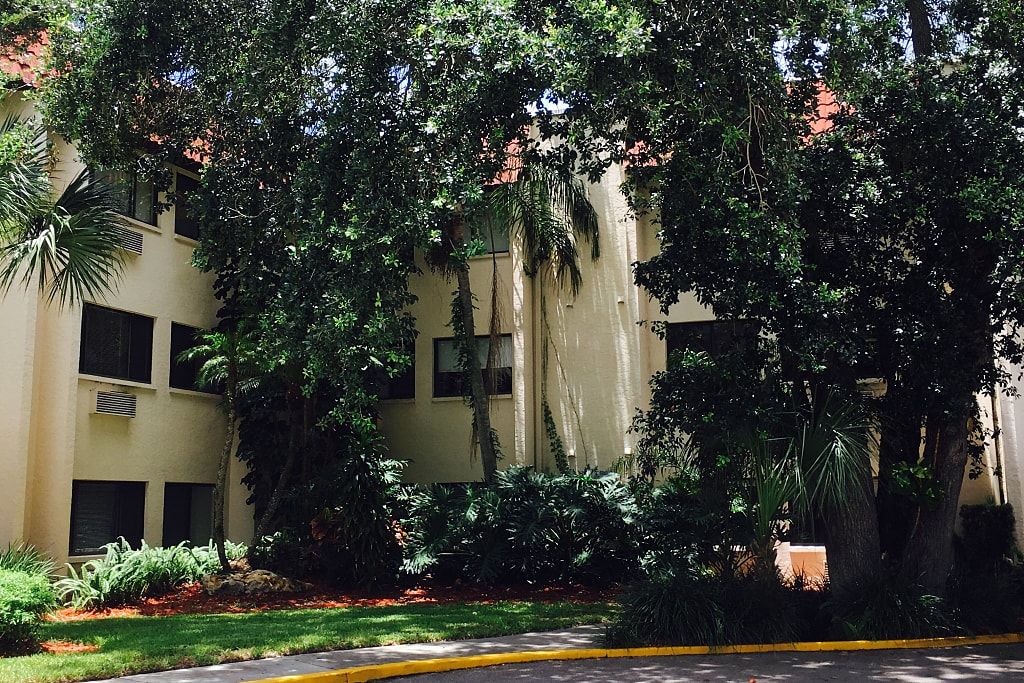
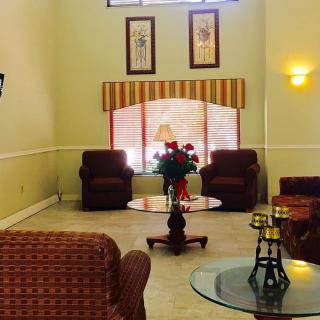
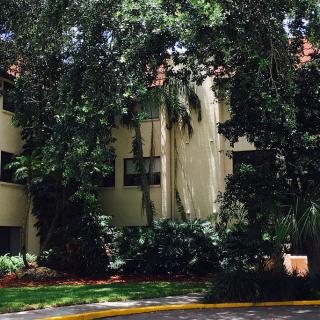
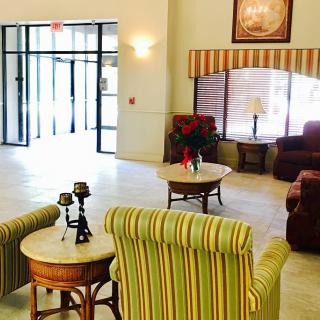
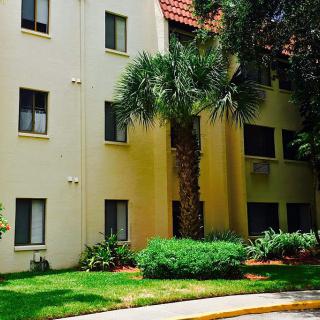
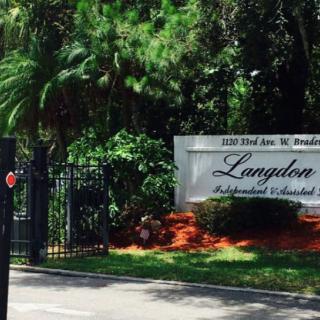
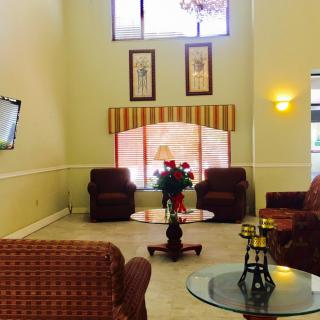


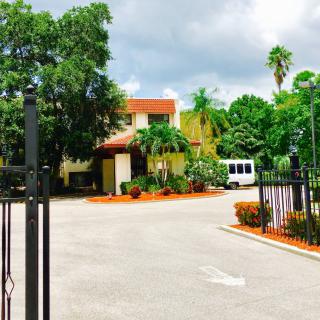
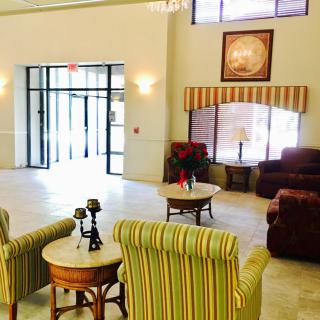
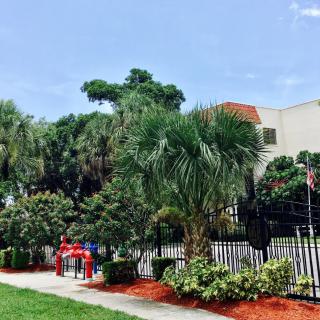
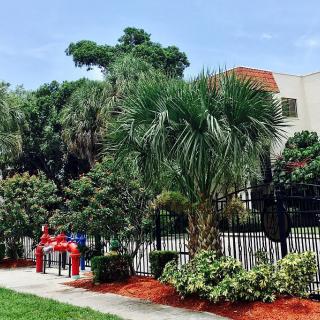
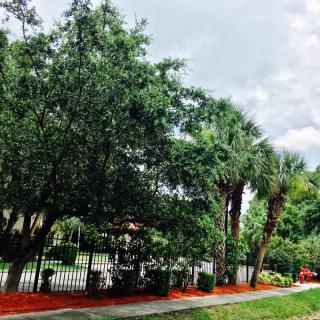
1120 33Rd Avenue West, Bradenton, FL 34205
For more information about senior living options: (866) 208-4318
Langdon Hall Costs & Pricing
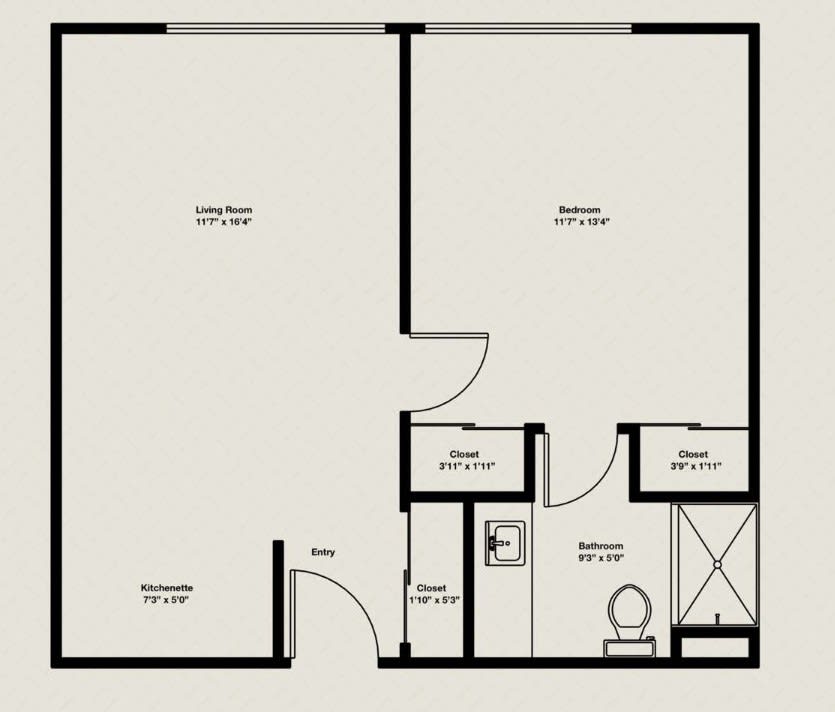
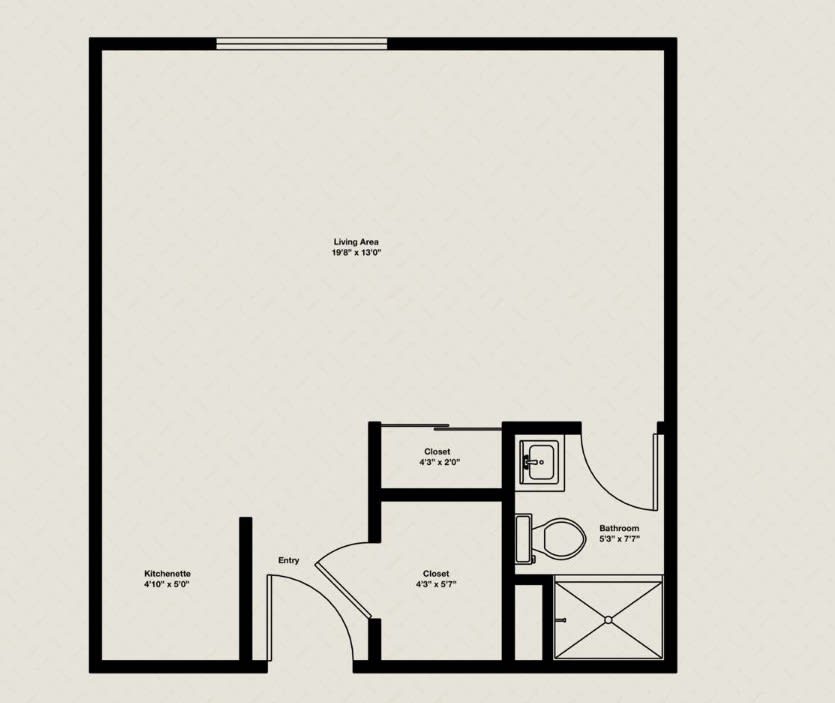
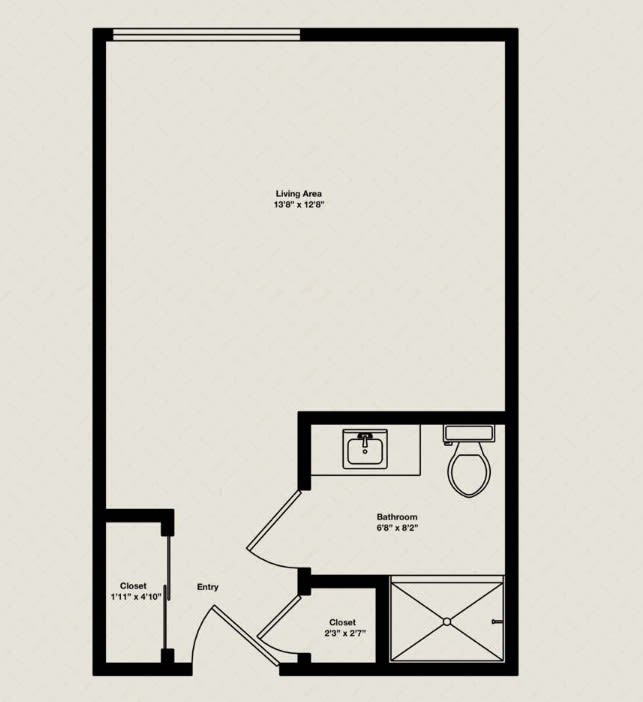
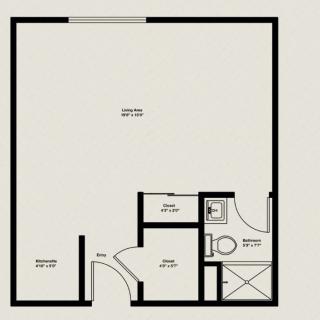
Langdon Hall offers competitive pricing for its accommodations compared to both Manatee County and the broader Florida market. For a semi-private room, residents can expect to pay $2,175, which is significantly lower than the county average of $2,926 and the state average of $3,009. The studio option at Langdon Hall is priced at $2,678, again demonstrating value as it sits well below the county rate of $3,737 and the state average of $3,823. Lastly, the one-bedroom units are available at $3,090; this figure remains favorable compared to both Manatee County's average of $3,753 and Florida's average of $3,864. Overall, Langdon Hall provides an appealing financial choice for those seeking quality living arrangements in a supportive community environment.
| Floor plans | Langdon Hall | Manatee County | Florida |
|---|---|---|---|
| Semi-Private | $2,175 | $2,926 | $3,009 |
| Studio | $2,678 | $3,737 | $3,823 |
| 1 Bedroom | $3,090 | $3,753 | $3,864 |
Memory care communities with a similar price nearby
-
from +$420 / mo
Grand Villa of Sarasota
$2,595 to $4,695 / month10.1 miles away -
from +$120 / mo
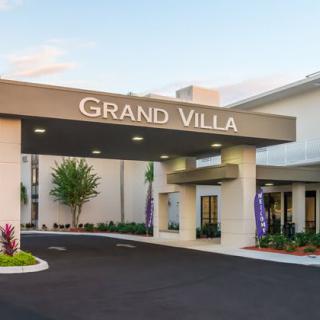
Grand Villa of St. Petersburg
$2,295 to $3,895 / month19.3 miles away -
from +$325 / mo
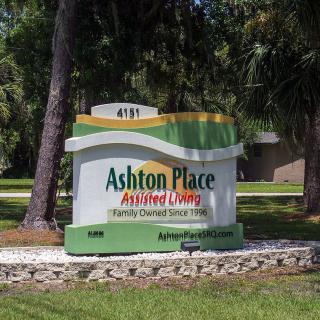
Ashton Place
$2,500 to $3,200 / month14.5 miles away -
from -$90 / mo
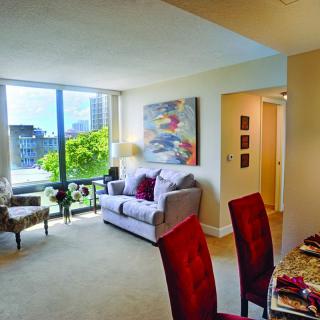
Westminster Palms
$2,085 to $4,624 / month21.7 miles away -
from -$75 / mo
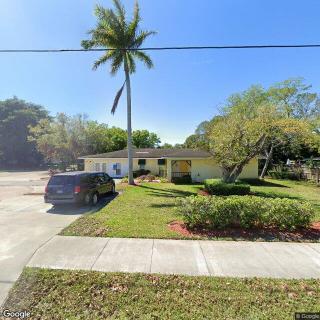
Bradenton Palms Assisted Living Facility
$2,100 to $4,500 / month4.3 miles away
Overall Review of Langdon Hall
Pros
 The visit by Friendship Connections was lovely.
- Residents thrive and are very happy.
- Deborah Lohse is credited with making the process seamless and caring for the residents.
- The staff are extremely friendly.
- The staff that have stayed are super nice and super cooperative.
- The food is excellent, fresh and well-seasoned.
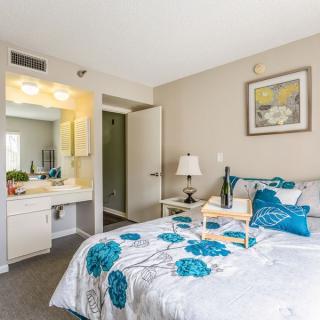
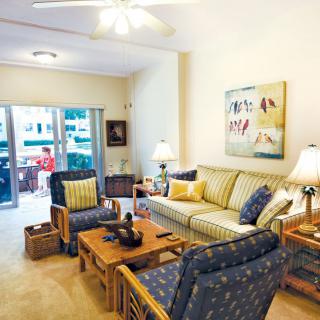
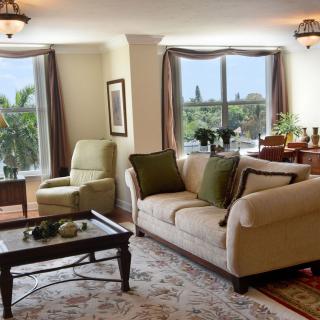
- The rooms are nice and spacious.
- They offer affordable pricing and very large rooms.
Cons
 Management does not care about the residents.
- Memory care is a joke.
- They can’t even find workers when they visit.
- Administration cares only about keeping friendships with the workers.
- There are very high turnover rates and they hire friends of friends.
- No work gets done.
- There was a lack of communication from upper management.
Review
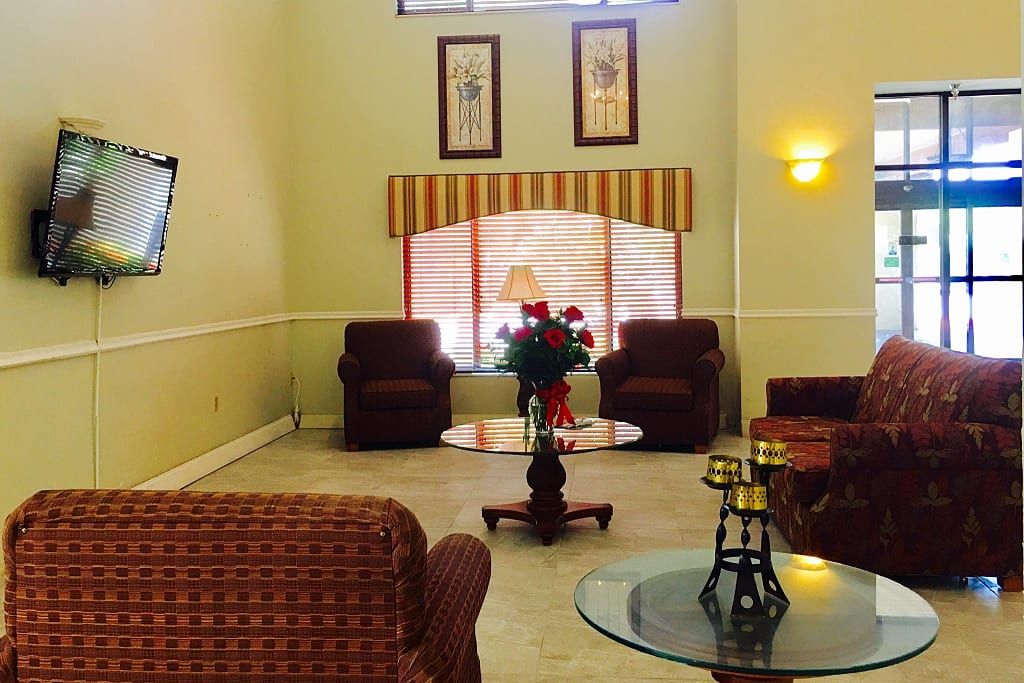
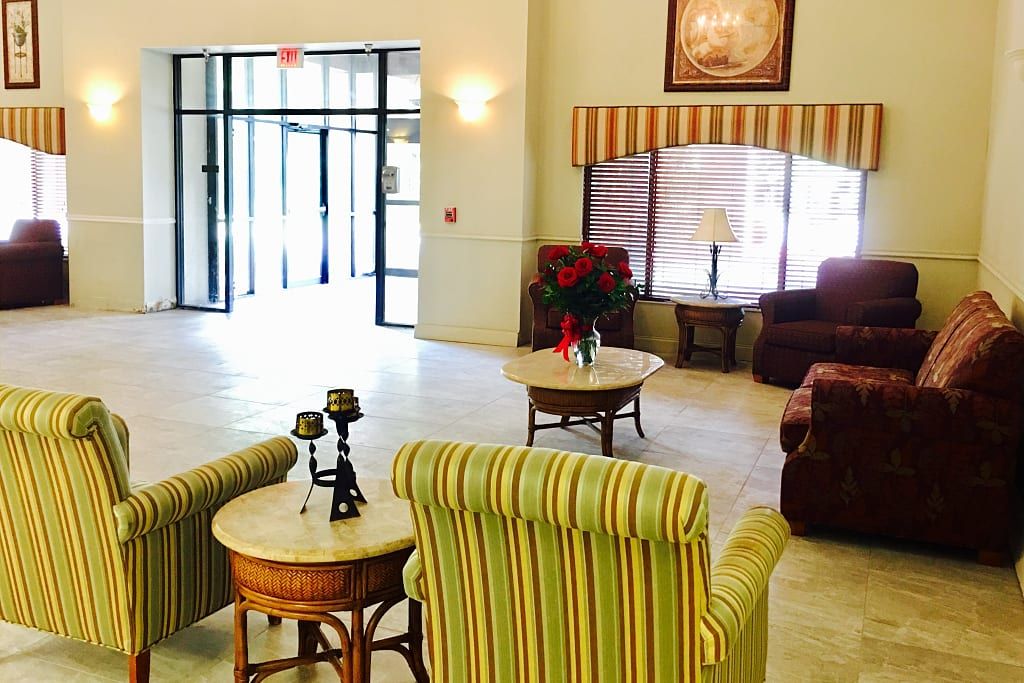
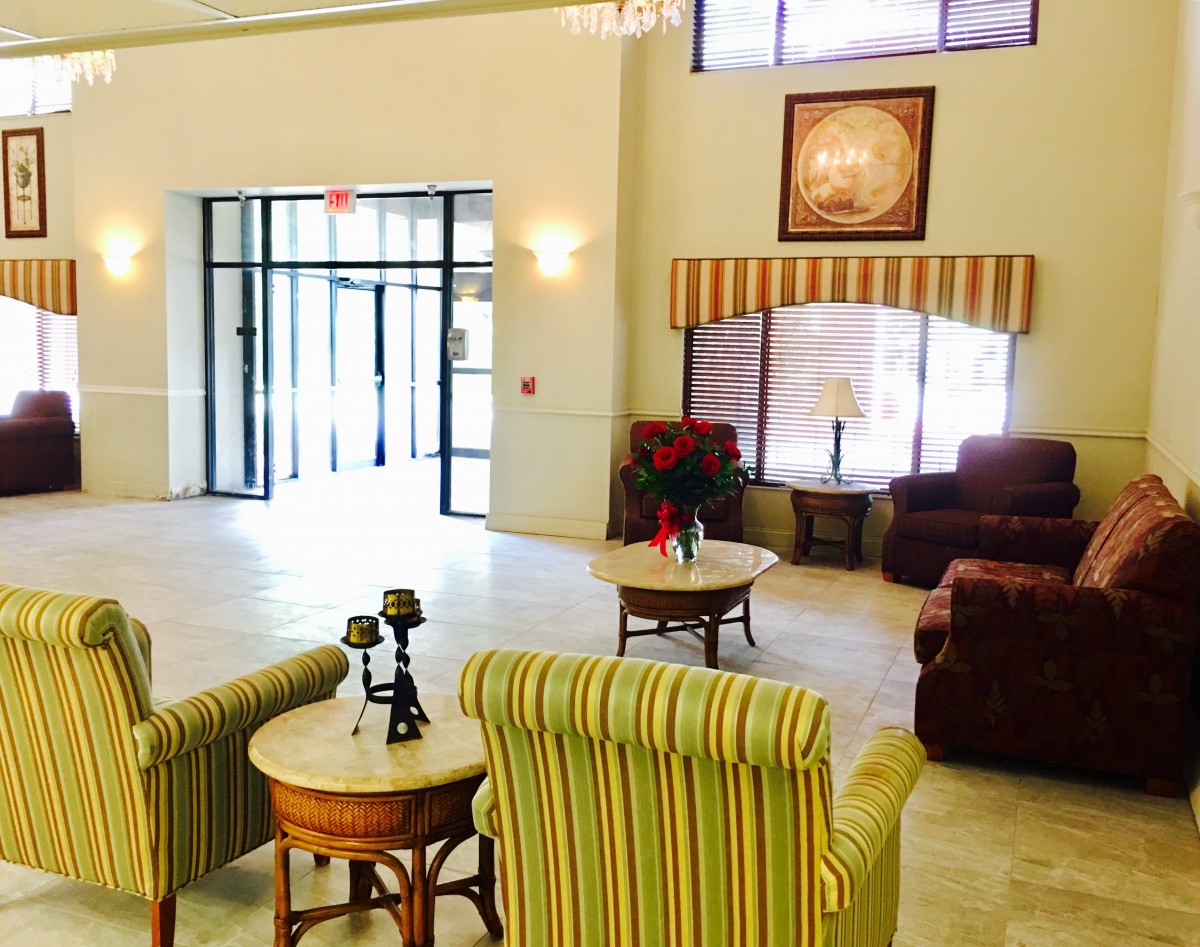
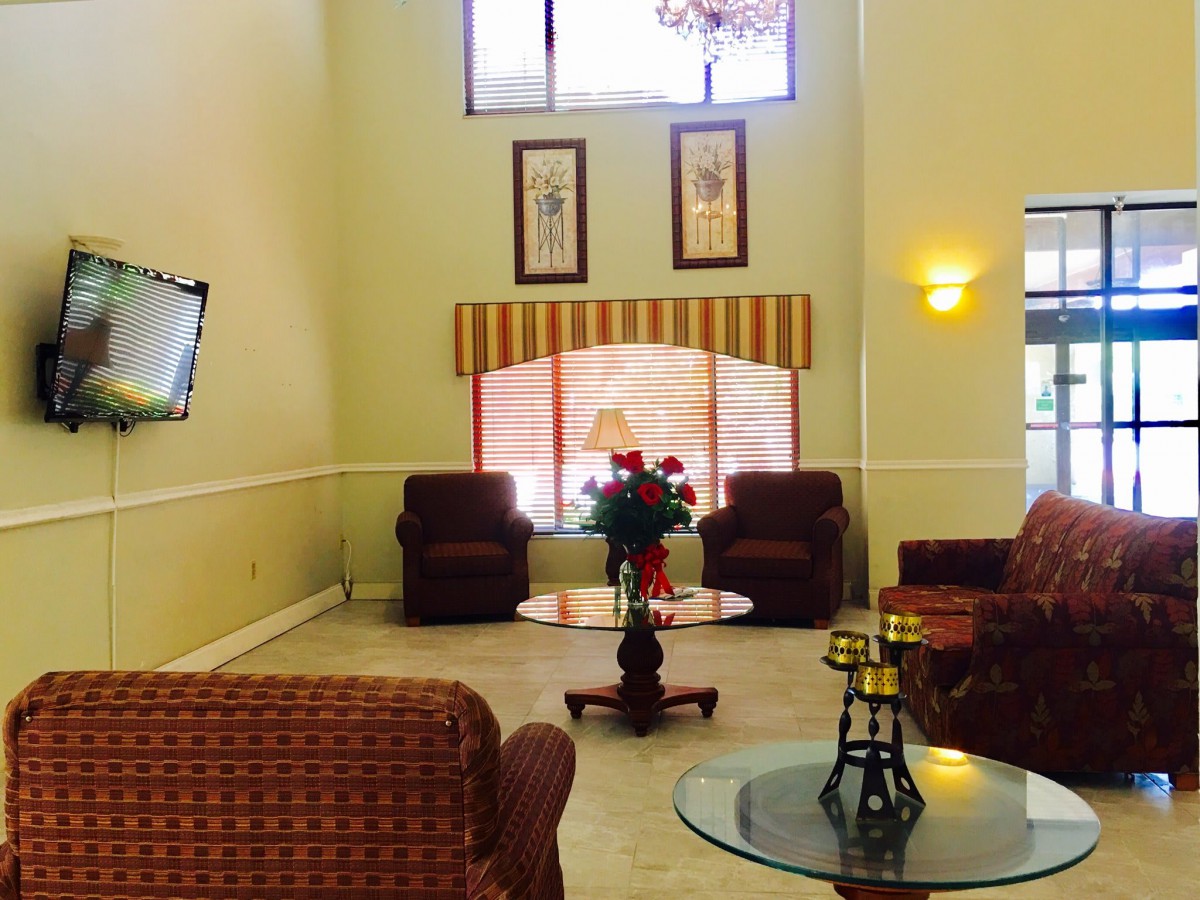
Langdon Hall in Bradenton is best suited for budget-conscious seniors who want a surprisingly spacious living environment and a clear path to escalating care without moving to a different building. The community’s large first-floor rooms, practical dining options, and an emphasis on ongoing improvements make it a workable fit for residents who expect to age in place as needs evolve. Families weighing value and predictability will find Langdon Hall’s structure conducive to staying within a familiar setting while care levels rise over time.
Those considering alternatives should note that memory-care needs or a demand for steady, high-volume administrative oversight may point elsewhere. Several reviews flag persistent concerns about management’s attentiveness to the broader resident experience, especially on memory-care floors. If reliable, consistent leadership and transparent communication from the top are non-negotiables, a property with stronger governance and more routine, documented processes may deliver more peace of mind.
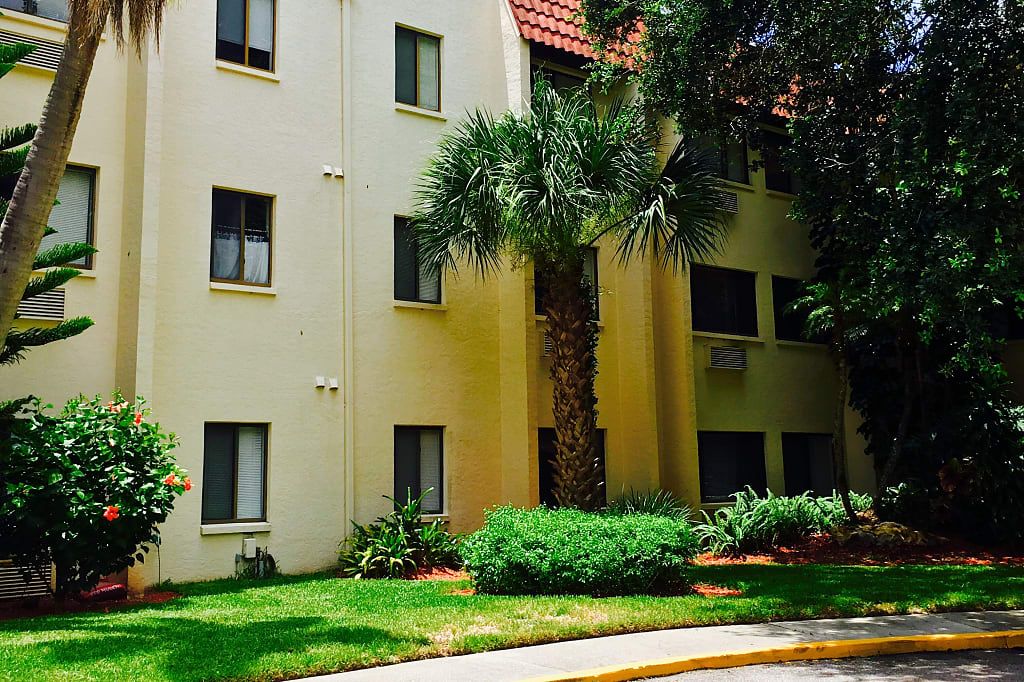
On the positive side, Langdon Hall delivers concrete advantages that can offset some drawbacks. Residents benefit from generous, non-nostalgic living spaces and solid daily-life amenities, roominess, fresh-food quality, and a focus on keeping floors and common areas clean. Staff on the ground frequently receive praise for warmth and responsiveness, and recent leadership shifts have brought renewed attention to resident quality of life, programming, and upkeep. The ability to access increasing levels of care within the same campus reduces the disruption of moving as needs intensify, and renovations have modernized rooms and common areas to a appreciable degree.
Yet the negatives carry enough weight to warrant caution. Management changes have been disruptive, with some families describing communication gaps, unavailability of upper-level oversight, and abrupt shifts in leadership or staffing. Memory care, in particular, has drawn harsh scrutiny: several observers call it under-resourced or inadequately programmed, and visitors report difficulty locating staff during visits. Turnover remains a recurring theme, and while many front-line employees are praised for their dedication, the inconsistency at the administrative level can erode trust and complicate care planning for families.
For families evaluating Langdon Hall, a disciplined, proactive approach is essential. Schedule tours that probe memory-care programming, ask specific questions about staff-to-resident ratios, and request transparent explanations of recent leadership changes and ongoing improvement plans. Observe how the front-line team responds to concerns during visits, and interview the care coordinators about individualized plans, medication oversight, and emergency procedures. Verify room sizes, view options, and the availability of first-floor units; confirm what “increasing levels of care” truly means in concrete terms for the loved one’s projected trajectory.
In the end, Langdon Hall offers real value for those prioritizing affordable, comfortable living with a manageable continuum of care and sizable rooms. The facility has shown a capacity to improve under new leadership, and daily staff culture often feels caring and capable. However, the strongest warning signs point to variability in management reliability and to memory-care constraints that may compromise the experience for residents who require consistent, tightly managed programming. When these factors align with a family’s tolerance for administrative uncertainty, Langdon Hall remains a viable option to consider; when steady governance and robust memory-care infrastructure are non-negotiable, it’s prudent to compare with options that deliver more uniform oversight and proven memory-care offerings.
 76 resident community capacity
 Assisted Living
 Memory Care
 Respite Care
 Cats allowed
 Dogs allowed
 Activities off-site
 Air-conditioning
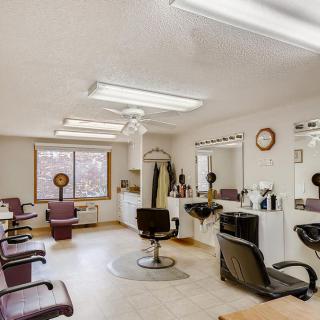
 Beautician on-site
 Cable or satellite TV
 Computer center
 Devotional services off-site
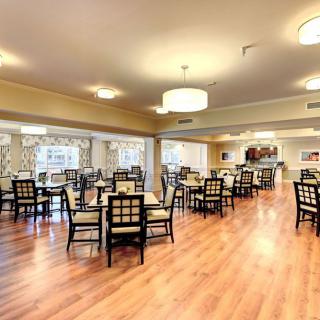
 Dining room
 Fitness room
 Fully furnished
 Gaming room
 Garden
 Ground floor units
 Housekeeping services
 Indoor common areas
 Kitchenette
 Move-in coordination
 Outdoor common areas
 Private bathrooms
 Restaurant-style dining
 Small library
 Telephone
 Wellness center
 Wheelchair accessible showers
 Wi-Fi/high-speed internet available
 Sarasota Bradenton International (5 miles away)
 Community operated transportation
 12-16 hour nursing
 24-hour call system
 Ambulatory care
 Assistance with bathing
 Assistance with dressing
 Assistance with transfers
 Diabetes diet
 Diabetic care
 Incontinence care
 Medication management
 Mental wellness program
 Special dietary restrictions
 BBQs or picnics
 Birthday parties
 Concierge services
 Happy hour
 Karaoke
 Light therapy programs
 Live musical performances
 Planned day trips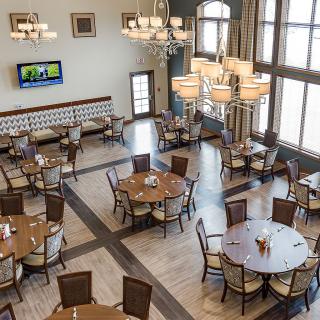

 How and When Medicaid May Cover Assisted Living Costs
 A Detailed Exploration of Assisted Living Medicaid Waivers Across the United States
 Exploring the Contrasts Between Assisted Living and Skilled Nursing