
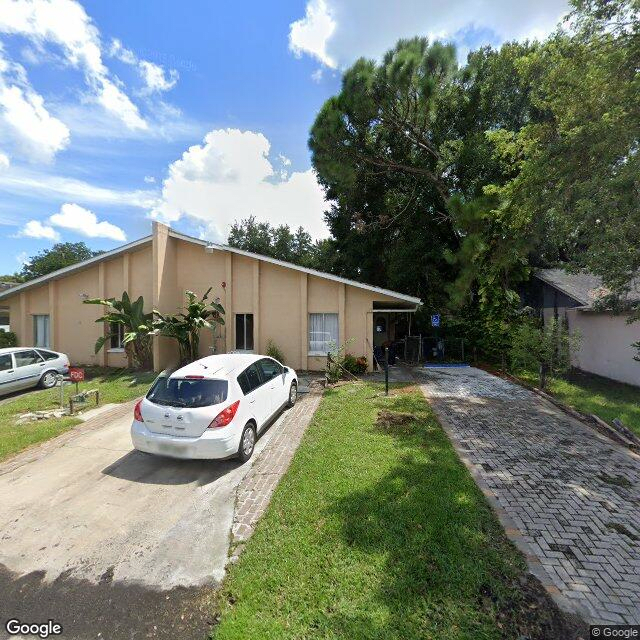
1902 49Th Avenue E, Bradenton, FL 34203
For more information about senior living options: (866) 208-4318
Faithful Friends Costs & Pricing
Faithful Friends offers competitive pricing for its semi-private rooms at $2,500 per month, which stands out favorably when compared to the broader market. In Manatee County, similar accommodations average around $2,926, while the state of Florida sees a higher average cost of approximately $3,009. This pricing structure not only reflects Faithful Friends' commitment to affordability but also emphasizes its dedication to providing quality care without compromising on value. By maintaining lower costs than both local and state averages, Faithful Friends positions itself as an attractive option for those seeking compassionate and cost-effective residential care solutions.
| Floor plans | Faithful Friends | Manatee County | Florida |
|---|---|---|---|
| Semi-Private | $2,500 | $2,926 | $3,009 |
Assisted Living communities with a similar price nearby
-
from +$95 / mo
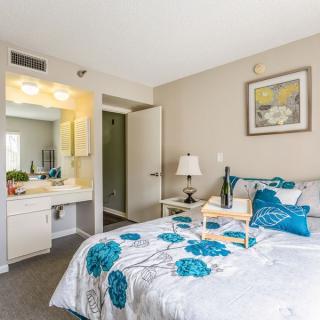
Grand Villa of Sarasota
$2,595 to $4,695 / month8.7 miles away -
from -$205 / mo
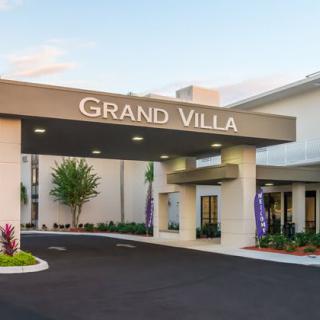
Grand Villa of St. Petersburg
$2,295 to $3,895 / month21.1 miles away -
About the same
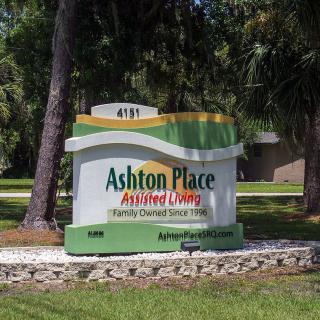
Ashton Place
$2,500 to $3,200 / month12.7 miles away -
About the same
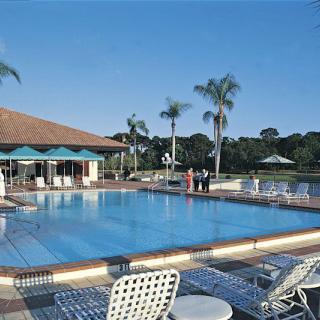
The Fountains at Lake Pointe Woods
$2,495 to $3,395 / month15.2 miles away -
from -$415 / mo
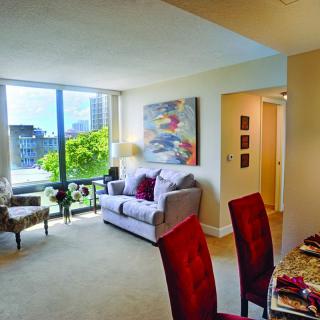
Westminster Palms
$2,085 to $4,624 / month23.2 miles away
Overall Review of Faithful Friends
Cons
 The staff at Faithful Friends were neither faithful nor friends when care was required.
- The family member was shamed for having a bad attitude while in a manic state that required medical attention.
- Very small errands, such as obtaining feminine hygiene supplies, were denied.
- Promised social outings never took place.
- When the family member was hospitalized overnight, the staff didnā€™t reach out to investigate.
- The review notes that the facility offers only three lackluster meals a day and a bed in a quiet neighborhood, with a warning to buyers beyond that.
Review
Faithful Friends in Bradenton, Florida is best suited for an exceptionally independent senior who wants a quiet, low-stimulus setting and does not anticipate needing regular personal care. The community can accommodate a resident who can manage most days without assistance and relies on family or external caregivers for anything beyond basic needs. For someone who simply wants a bed in a safe, familiar neighborhood and is comfortable with limited programming, this option may feel adequate. But the match is narrow: any scenario that requires supervision, medical attention, or consistent social engagement will quickly expose the gaps. In practical terms, this is a setting that assumes health, mobility, and mood stability, not a plan for ongoing care.
Those with even modest care needs should consider alternatives. If daily medication management, assistance with dressing or bathing, mobility support, or behavioral supervision might be necessary, this community will fall short. Cognitive or mood-related conditions, especially those that involve mania, disorientation, or safety risks, demand staff who respond promptly and with appropriate sensitivity, qualities that are clearly lacking here. Families expecting timely hospital communication, proactive outreach after an admission, or help with routine errands will find the service model insufficient. In short, any resident who cannot fully self-direct and needs reliable staff intervention should look elsewhere.
On the upside, the premises offer a simple, low-stimulation environment and the prospect of basic meals. The three-meals-a-day structure is straightforward, but the meals themselves are described as lackluster, offering little variety or nourishment beyond the minimum. A quiet neighborhood can reduce overstimulation and may appeal to residents who prize predictability and low noise. Yet these advantages are undermined by the absence of meaningful activity, social engagement, or structured opportunities to connect with others, elements that typically help preserve mental and emotional well-being.
From the care perspective, the core failures are significant. Reports describe staff who are neither faithful nor friendly when real care is needed, including shaming a resident during a manic episode and denying basic errands like obtaining feminine hygiene supplies. The lack of outreach when a family member was hospitalized overnight is a red flag about safety and accountability. Promises of social outings that never materialize leave residents isolated and families frustrated. Taken together, these patterns reflect a facility that cannot be trusted to act as a reliable partner in care when the need for support grows.
Weighing the scarce benefits against the stark downsides leads to a clear conclusion: the cons far outweigh any conveniences. The risk of neglect, miscommunication, and inadequate response during medical or behavioral crises cannot be dismissed. For a family evaluating options, this means demanding hard commitments on staffing, medical oversight, crisis response, and accountability before considering residency. If a choice must be made, require evidence of licensed staff coverage, clear policies on medical notifications, and a written plan for social programming with measurable activity milestones. Without these, the value proposition collapses under the weight of the failures.
In practical terms, Faithful Friends is not suitable for most seniors who anticipate needing even modest levels of care. Alternatives with trained caregivers, responsive communication, and a robust social calendar should be prioritized. For families willing to accept a hands-on oversight role, combined with external care support, this option could function as a temporary lodging. Otherwise, pursue communities that demonstrate consistent caregiving, clear escalation protocols, and a track record of honoring resident dignity and autonomy. The recommended course is to engage decision-makers with a focused checklist and to visit likely contenders prepared to answer direct questions about care, safety, and family communication.
 10 resident community capacity
 Assisted Living
 Board and Care Home
 Cable or satellite TV
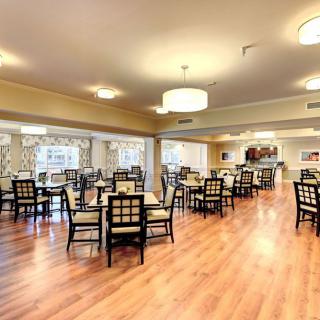
 Dining room
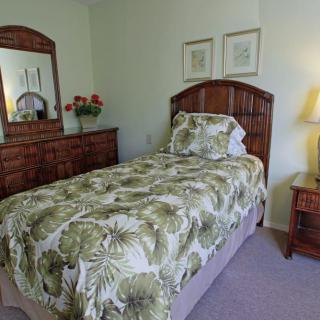
 Fully furnished
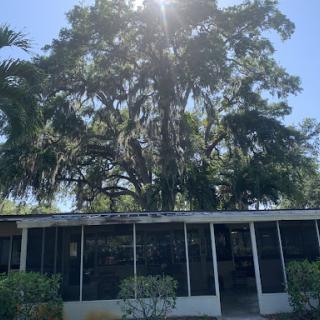
 Garden
 Housekeeping services
 Move-in coordination
 Outdoor space
 Telephone
 Wi-Fi/high-speed internet available
 Sarasota Bradenton International (4 miles away)
 24-hour supervision
 Activities of daily living assistance
 Assistance with bathing
 Assistance with dressing
 Assistance with transfers
 Diabetes diet
 Meal preparation and service
 Medication management
 Special dietary restrictions
 Transportation arrangement (medical)
 Transportation to doctors appointments
 Friendly, attentive staff; spacious apartments and engaging activities with pleasant outdoor spaces.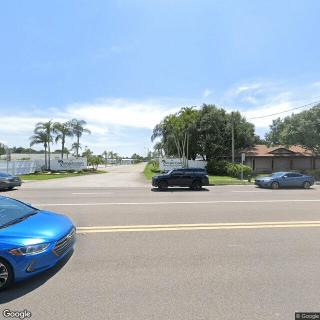


 Securing Financial Support for Assisted Living: A Comprehensive Overview
 Social Security Benefits and Assisted Living: Navigating Options Across the U.S.
 An Extensive Exploration of the VA Aid and Attendance Benefit