
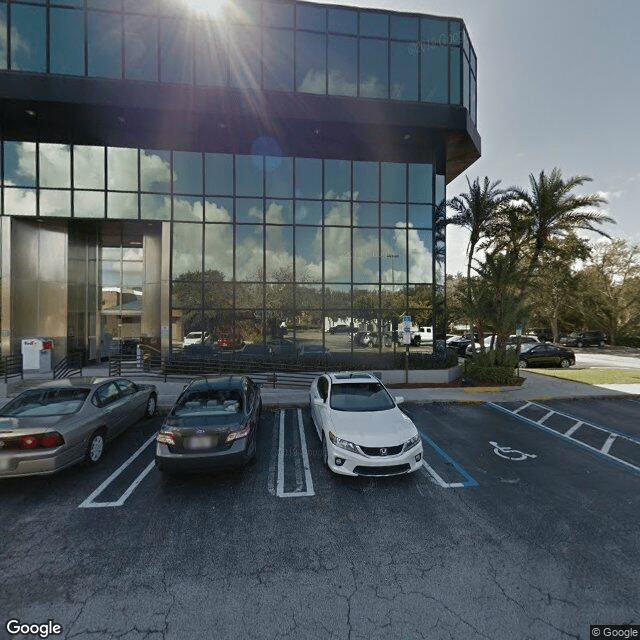
1301 N. Congress Ave Suite 310, Boynton Beach, FL 33426
To contact a resident: (800) 895-0584
For more information about senior living options: (866) 208-4318
Overall Review of Maxim Healthcare
Pros
 Maxim has always had their back and provided support throughout their time there.
- Maxim kept them engaged and allowed them to continue working with Maxim after transitioning, though with fewer hours.
- Maxim’s schedule flexibility is appreciated, and they were never left hanging.
- Vargas, the Client Coordinator; Martia in Field Support; and Kelly, the nursing supervisor, have supported them since day one and are regarded as the best.
- They look forward to continuing to work with the team on days off; the relationship is strong and the experience has been wonderful.
- The Beckles family thanks Dorothy and Vargas for their care.
- Maxim Healthcare is unmatched in professionalism, training, and ensuring patient and nurse comfort.
- Maxim staff are very competent and helpful in meeting patient needs and stand behind their nurses, taking time to hear concerns.
- The reviewer would rate Maxim 10 stars.
Cons
 The company does not care about its workers or its clients and is very unprofessional.
- The organization lacks accountability and follow-through, led by dishonest operational management lacking competence and urgency.
- There is no timely response after filing a grievance, suggesting poor responsiveness at local and corporate levels.
- The agency has had multiple no-shows by aides and provides no backup, which is highly unreliable.
- The recruiter was dishonest and extremely unprofessional.
- There have been instances of a nurse falling asleep while providing care, indicating safety concerns.
- The reviews warn to look elsewhere, implying this agency is not a trustworthy option.
Review
Maxim Healthcare in Boynton Beach is best suited for families who want a nimble, relationship-driven home health partner that can bend to changing schedules and emphasizes close care coordination. This agency tends to reward clients who value ongoing staff engagement, personalized attention from a dedicated care team, and a workflow that keeps a trusted nurse or aide in the loop as needs shift. It works best for families who can actively participate in arranging coverage, reviewing caregiver fit, and steering the care plan as conditions evolve, rather than those seeking an utterly hands-off, guaranteed staffing model.
Those who may want to consider alternatives are families with a requirement for rock-solid, uninterrupted staffing and universal back-up coverage. Reviews highlight inconsistency in staffing, occasional no-shows, and gaps in back-office follow-through. For clients with high-acuity needs, complex medical regimens, or dementia cases where any lapse in caregiver presence could create risk, another agency with a stronger track record of reliable back-up and rapid grievance resolution may be preferable. If accountability and predictable, uniformly staffed care are non-negotiable, it is prudent to compare options carefully.
On the plus side, the strongest positives center on staff relationships and ongoing professional development. Several reviewers praise the user-level support from the care team, naming specific coordinators who earn trust through responsiveness and clear communication. The ability to keep working with the same agency across transitions, along with flexible scheduling and a culture of training, adds real value for families who need tailored, patient-specific care and appreciate caregiver longevity when a good match exists. These strengths can meaningfully offset concerns when the local office demonstrates dependable continuity and a proactive attitude toward problem-solving.
However, the negatives documented in the mix of reviews cannot be ignored. Reports of unresponsiveness after grievances, questions about accountability, and the reality of no-shows or insufficient backup point to a fragile backbone that can undermine peace of mind during stressful times. The most troubling patterns involve back-office gaps and inconsistent reliability, which weigh heavily for families balancing safety and continuity. In short, the pros buy real time and personalization, but the cons threaten stability unless the local office shows a track record of rapid response and dependable coverage.
Practical due diligence can tilt the odds toward a successful engagement. Prospective clients should insist on meeting the primary care coordinators, and review explicitly who handles overflow and after-hours coverage. Ask for a clear back-up policy: how quickly replacements arrive, how often a patient will see a different caregiver, and how staffing gaps are communicated and mitigated. Probe the grievance process: expected response times, escalation steps, and whether there is accountability for follow-through. Request recent references from the Boynton Beach office, and seek a candid read on continuity of care, particularly with dementia or complex regimens.
The bottom line is pragmatic: Maxim Healthcare can deliver highly personalized, engaged care when the local team is actively connected to the family and committed to consistent coverage. For families who can navigate scheduling with a proactive office and who prioritize flexible, well-trained staff, the agency is a credible partner worth trying, ideally with a defined short-term trial and explicit contingency planning. For those needing unwavering reliability and fast, robust back-up without variability, it remains essential to compare competing agencies and verify the Boynton Beach branch’s demonstrated capacity to sustain steady staffing and swift grievance resolution before committing.
 Palm Beach International (10 miles away)




 Understanding the Nuances of Palliative Care and Hospice: A Comprehensive Exploration
 Fecal Incontinence in Older Adults: A Comprehensive Guide
 Recognizing the Journey: Understanding and Navigating Anticipatory Grief