
1711 Southwest County Road 760-A, Arcadia, FL 34266
To contact a resident: (863) 494-2552
For more information about senior living options: (866) 208-4318
Desoto Care ALF Costs & Pricing
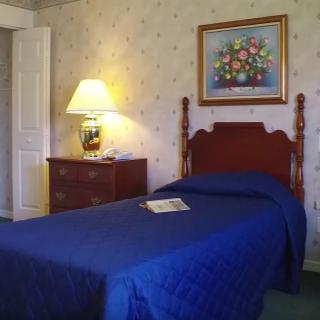
Desoto Care ALF offers competitive pricing for its accommodations, making it an appealing choice for seniors seeking assisted living options. The monthly cost for a semi-private room is $2,100, significantly lower than the average of $3,456 in Sarasota County and even more favorable compared to Florida's average of $3,009. For those preferring a private room, Desoto Care ALF charges $2,800 per month, which also undercuts both the county average of $4,228 and the state average of $3,699. These cost differentials not only reflect Desoto Care ALF's commitment to providing affordable care but also highlight its value within the broader assisted living landscape.
| Floor plans | Desoto Care ALF | Sarasota County | Florida |
|---|---|---|---|
| Semi-Private | $2,100 | $3,456 | $3,009 |
| Private | $2,800 | $4,228 | $3,699 |
Senior living communities with a similar price nearby
-
from -$100 / mo
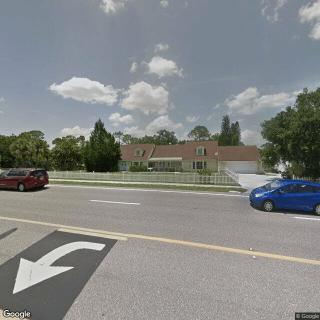
Serenity Pointe
$2,000 to $2,500 / month17.9 miles away -
from +$100 / mo
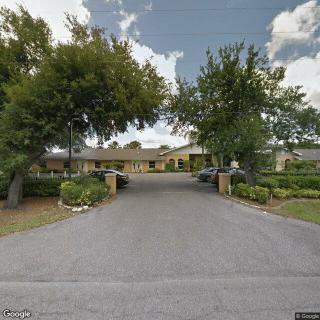
North Port Pines Retirement Residence
$2,200 to $3,150 / month22.4 miles away -
About the same
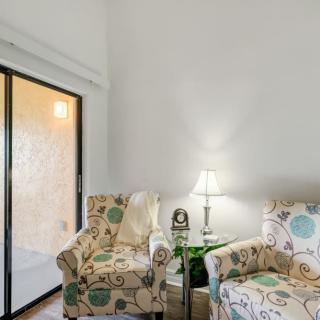
Truewood By Merrill, Port Charlotte
$2,150 to $2,650 / month17.9 miles away -
from +$100 / mo

The Gardens Of North Port
$2,200 to $3,150 / month22.3 miles away -
About the same
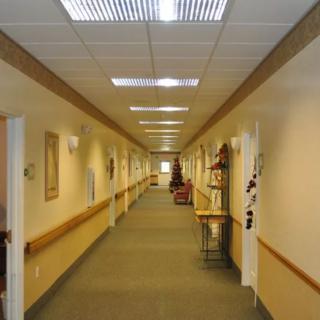
Arcadia Oaks Assisted Living
$2,100 to $2,700 / month5.4 miles away
Overall Review of Desoto Care ALF
Pros
 The staff take great care of loved ones.
- Eva is a great boss who cares about employees and their well-being.
- The place is wonderful, with a clean and happy environment for elderly residents.
- The caregivers are loving and attentive to residents' needs.
- The facility offers well-balanced meals and engaging activities.
- The facility is a great place to work.
Review
DeSoto Care ALF in Arcadia is best suited for seniors who want an intimate, home-like assisted living where caregivers truly know residents by name and leadership is consistently hands-on. Families seeking steady routines, warmth, and a sense that daily care is personalized will find a natural fit here. The setting operates with a small-team feel that translates into dependable attention, predictable schedules, and a welcoming atmosphere where residents are treated as family rather than a chart on the wall. This is a place where the human connection, shared meals, friendly greetings, and people looking out for small, practical needs, drives the experience.
Those who should consider alternatives are residents with higher medical acuity or specialized memory-care needs. If 24/7 on-site nursing supervision, extensive wound care, complex medication management, or a comprehensive memory-care program are non-negotiable, a larger facility with dedicated medical staff and a formal memory-care unit may prove more suitable. In addition, families seeking a wide array of highly structured enrichment programming across multiple house residents, or those who want seamless transitions to medical specialists on demand, may encounter limitations in a small ALF setting.
The strongest pros here center on the people. Caregivers are described as loving, attentive, and consistently attentive to every need, and leadership earns trust by investing in both residents and staff. The proprietors, evident in supervisor-employee relationships, create an atmosphere of stability that translates into fewer care gaps, smoother daily routines, and a lower risk of residents feeling neglected or overlooked. The environment reinforces these strengths: it’s clean, bright, and cheerful, and residents appear engaged and content. Meals are balanced and nourishing, with activities that provide structure and meaningful engagement.
These advantages offset the most common potential drawbacks of small, intimate settings: a limited slate of medical services and a narrower spectrum of specialized programming. With staff who know each resident’s preferences and medical history, care plans unfold with a level of nuance that can compensate for fewer on-site medical resources. The sense of continuity and trust built between residents, families, and caregivers helps mitigate the risk of impersonal care or rapid turnover, and it often translates into quicker, more collaborative problem-solving when needs shift or routines change.
Practical evaluation steps strengthen the decision. Prospective families should verify the level of medical oversight available on-site, including nursing coverage hours, medication-management processes, and how clinical concerns are escalated to a physician. Observing staff-resident interactions during a tour offers real insight into responsiveness, patience, and the quality of daily assistance. Request a few days’ worth of sample meals and a peek at the activity calendar to confirm that programs align with personal interests, mobility levels, and social preferences. Finally, talk with current families about communication frequency and transparency around care planning and any changes in condition.
For families prioritizing warmth, continuity, and a truly coordinated caregiving team, DeSoto Care ALF delivers with confident reliability. The combination of caring personnel, engaged leadership, and an inviting environment creates a compelling value proposition for seniors who thrive on personal attention and a sense of belonging. On the other hand, if medical complexity or specialized memory support takes precedence, exploring larger facilities with dedicated clinical and memory-care resources is prudent. The community’s strengths are clear, and the path to a comfortable, well-supported elder years is well within reach for the right resident. Schedule a visit, ask pointed questions, and observe how the staff interact with both residents and their families to confirm alignment with individual care goals.
 Board and Care Home
 Day Program
 Indoor common areas
 Outdoor common areas
 Private
 Ambulatory care
 Incontinence care
 Meals provided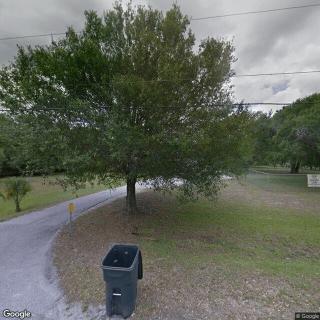



 Comprehensive Look at Senior Blood Pressure Charts: Normal and Elevated Levels by Age
 Top Canine Companions for Older Adults
 Comprehensive Guide to Blood Pressure Charts for Older Adults: Understanding Normal and High Readings by Age