For more information about senior living options: (866) 208-4318
4.6 from 152 reviews
5 stars
121
4 stars
16
3 stars
7
2 stars
3
1 stars
5
The Residences at Thomas Circle Costs & Pricing
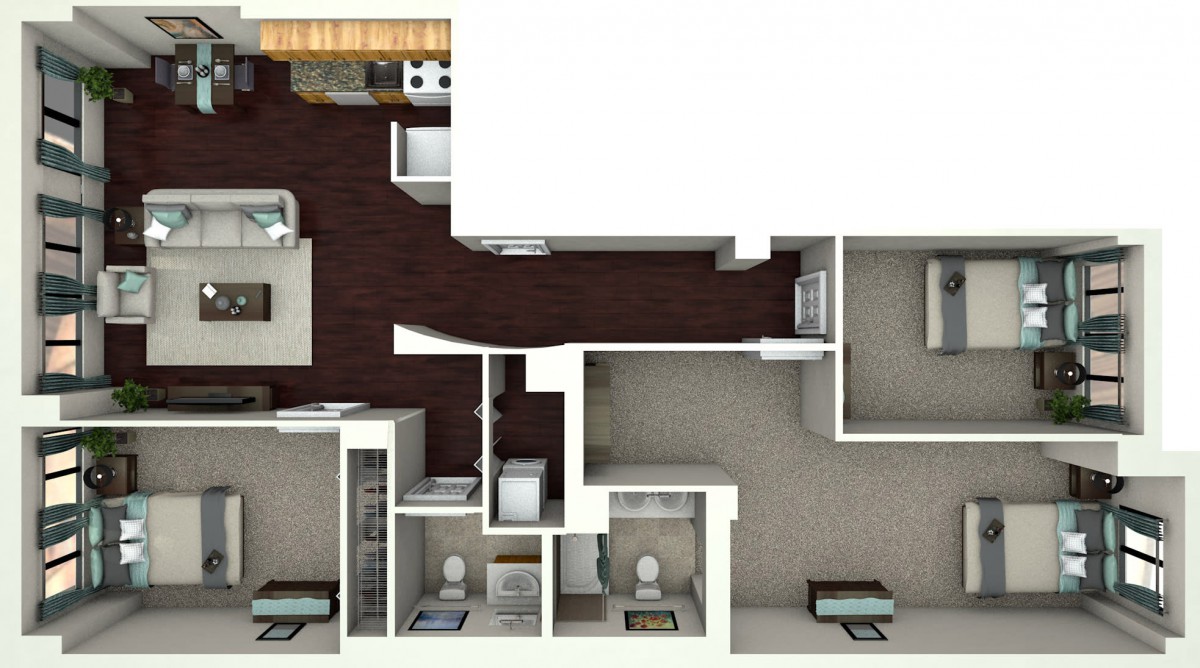
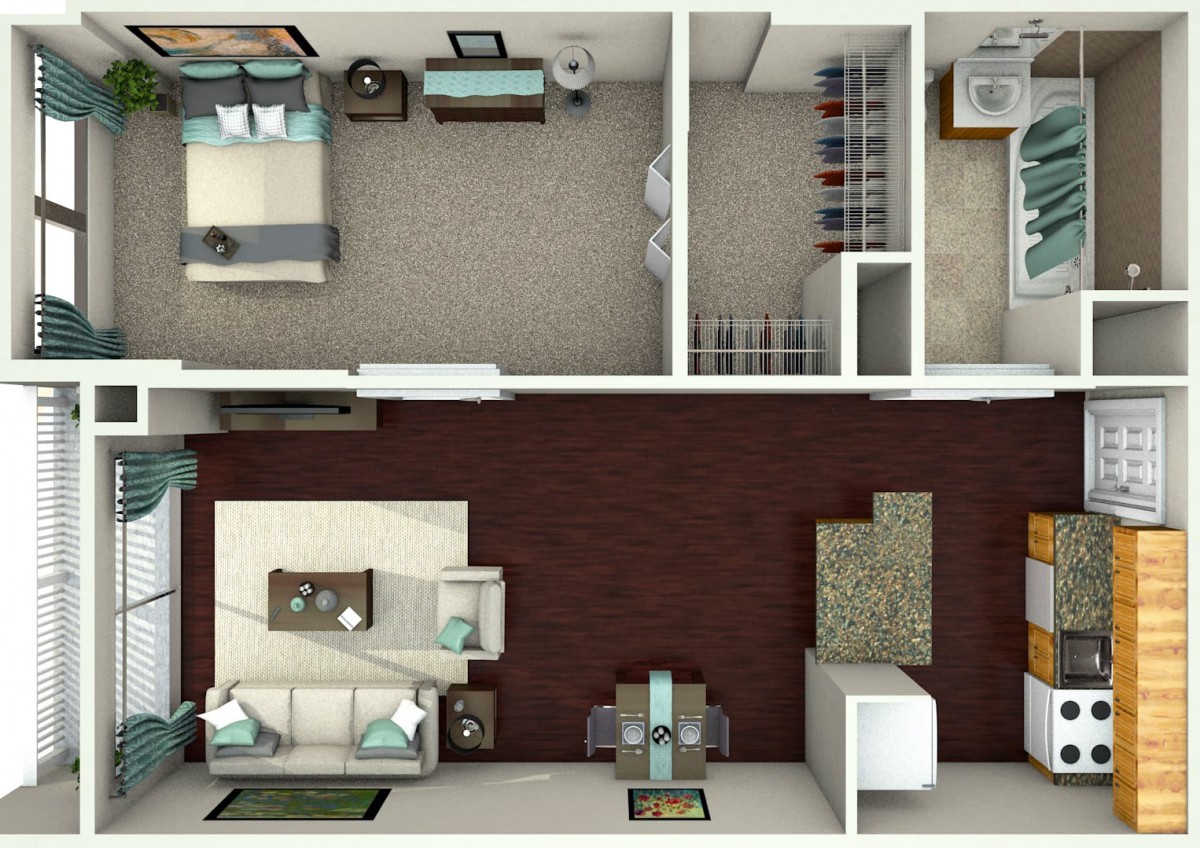
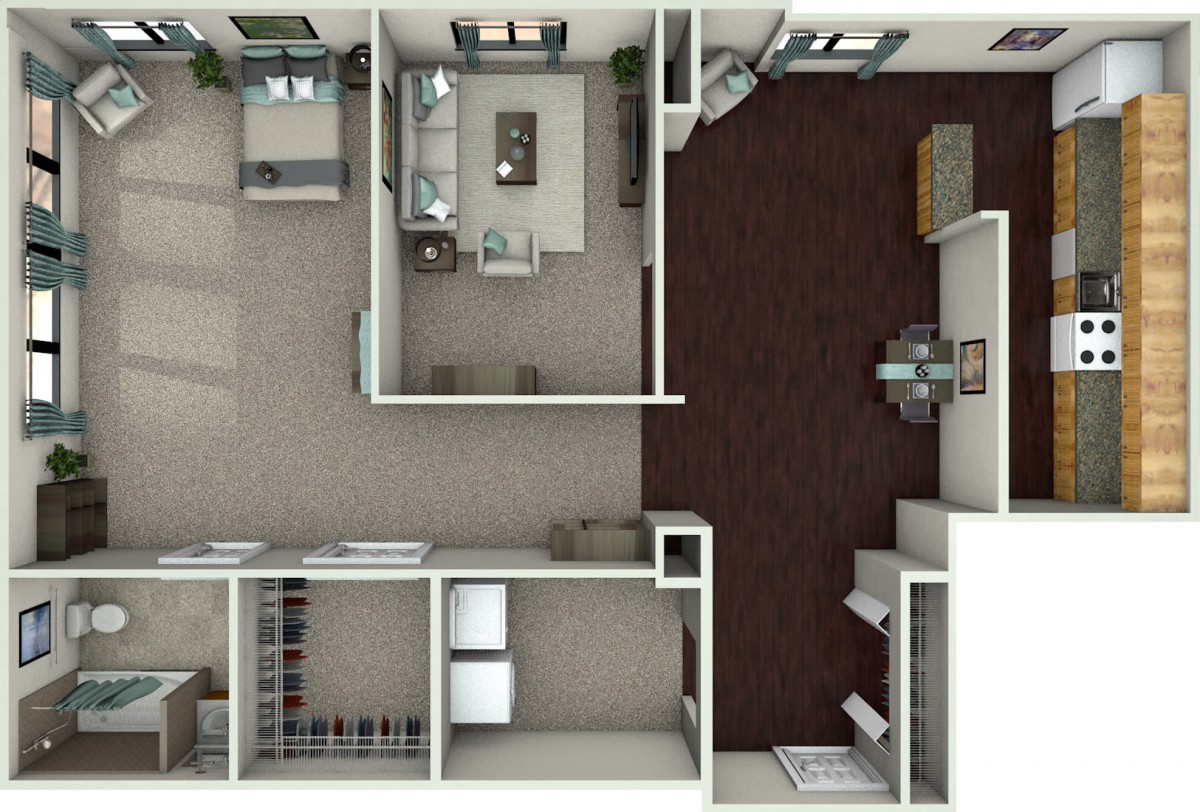
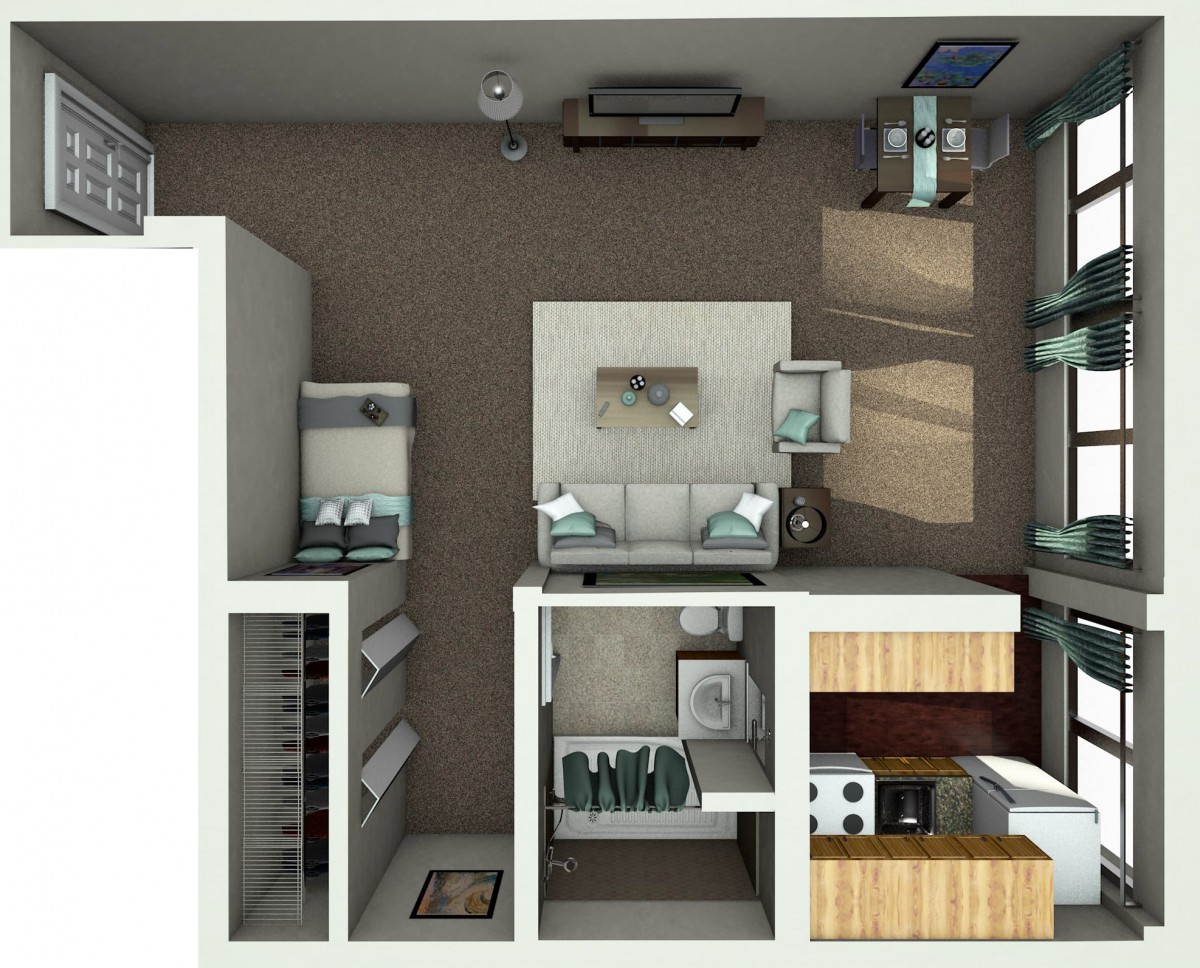
The Residences at Thomas Circle offers a diverse range of living options with pricing that demonstrates a thoughtful approach to affordability in comparison to both the District of Columbia and state averages. For instance, their studio apartments are priced at $4,165, significantly lower than the district's average of $5,707. Meanwhile, one-bedroom units are offered at $5,250, which is slightly above the district's average but still competitive given the quality of amenities provided. Semi-private rooms are available for $6,565, surpassing the local standard of $5,484 but reflecting the added privacy and services included. Conversely, their two-bedroom options stand out at $6,785; while above the district average of $4,744, they cater to those seeking more spacious accommodations in a premium setting. Overall, The Residences at Thomas Circle presents an appealing balance between value and enhanced living experiences within a vibrant urban environment.
Floor plans
The Residences at Thomas Circle
District of Columbia
Dc
Studio
$4,165
$5,707
$5,707
1 Bedroom
$5,250
$4,879
$4,879
Semi-Private
$6,565
$5,484
$5,484
2 Bedrooms
$6,785
$4,744
$4,744
Assisted Living communities with a similar price nearby
Residents and families repeatedly describe staff as kind and supportive.
Across the reviews, people come back to the same impression: the staff treats residents with dignity and follows through day to day. Multiple families mention thoughtful communication during transitions, and several reviewers describe feeling reassured about safety and responsiveness. Residents also describe enjoying staff interaction in everyday routines, meals, and activities.
differentiator52 reviews mention this
Dining is a major highlight
Dining stands out for its chef-prepared meals and strong variety.
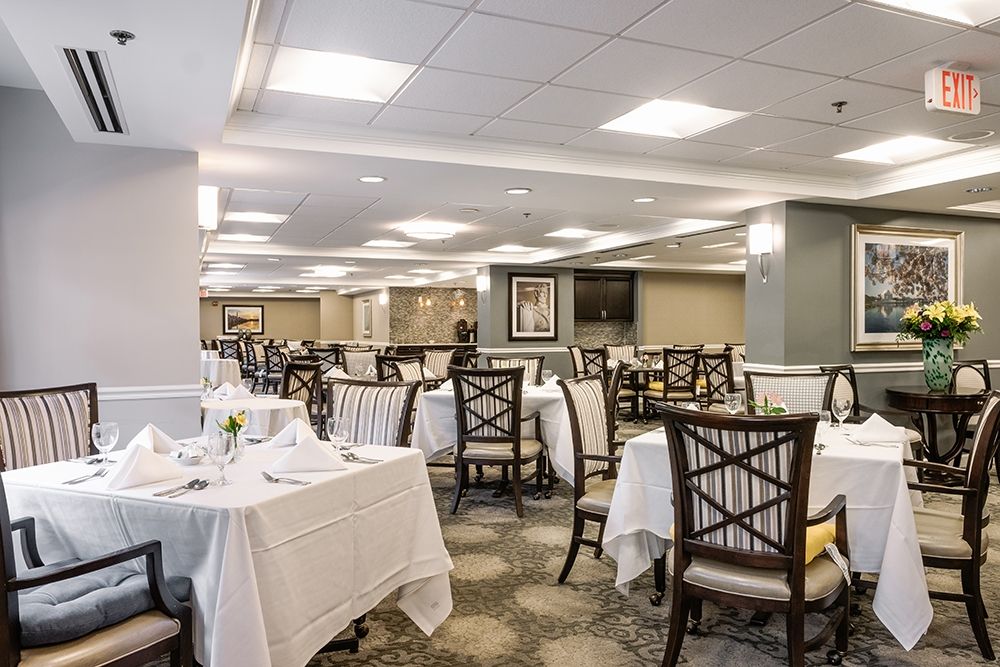
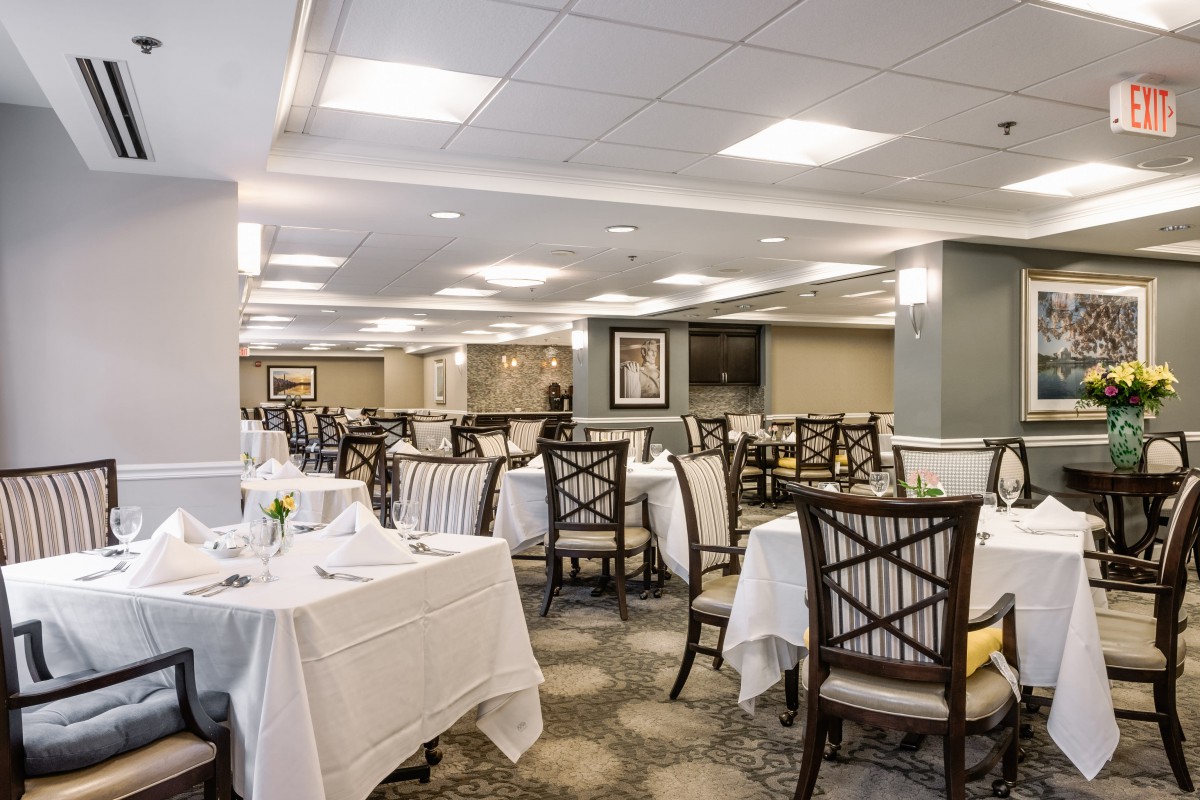
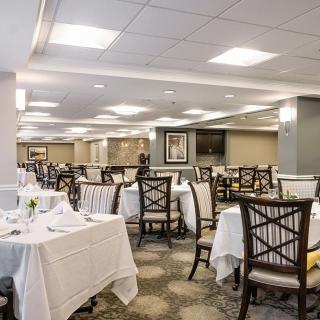
Food is one of the most consistent positives, with reviewers describing meals as freshly prepared and enjoyable, and calling out specialty menus and themed dinners. Several mention a dining room experience that feels more substantial than typical senior dining, and they also note day-to-day meal options. This aligns with the community offering restaurant-style dining and room service, plus multiple diet accommodations.
common44 reviews mention this
Activities and concierge support
Residents describe a full schedule supported by concierge and transportation help.
Reviewers frequently mention staying engaged thanks to music, lectures, art classes, and outings, including trips around Washington, DC. Families also highlight practical help that supports daily life, such as concierge assistance and transportation/door-to-door support. The community’s activity programming also matches the wide set of on-site and off-site options described in the amenity and program lists.
differentiator36 reviews mention this
On-site care and 24-hour response
Residents mention on-site clinical support and dependable emergency response.
Multiple reviews reference nursing and medical support on site, including experiences during assisted living, rehabilitation, and memory care. Reviewers also mention confidence in safety because help is available, and some specifically connect this to 24-hour response. This lines up with the community listing a 24-hour call system and 24-hour supervision, along with medication management and meal preparation support.
caveat6 reviews mention this
Cost is the most common drawback
Several reviewers say pricing is expensive for the support level they receive.
A recurring concern in the reviews is affordability, with multiple comments describing the overall cost as high. Some reviewers compare value to other options they looked at, while others mention needing careful consideration of financial fit. This is consistent with the community’s pricing being below the county and state benchmarks across the listed unit types, though reviews still reflect individual sticker-shock.
How we summarize
Counts show how many written reviews mention each theme; a review can touch several themes, and only frequently mentioned themes are displayed.
Features
Housing
55 resident community capacity
1-bedroom apartments
2-bedroom apartments
Studio apartments
Types of Care
Assisted Living
Independent Living
Memory Care
Skilled Nursing Facility
Pets
Cats allowed
Dogs allowed
Amenities
Activities off-site
Activities on-site
Air-conditioning
Beautician on-site
Beauty salon
Cable or satellite TV
Computer center
Devotional services off-site
Devotional services on-site
Dining room
Fitness room
Full kitchen
Fully furnished
Gaming room
Garden
Handicap accessible
Housekeeping services
Indoor common areas
Kitchenette
Laundry
Move-in coordination
Outdoor common areas
Outdoor patio
Outdoor space
Overnight guests
Pet friendly
Private bathrooms
Private patio, deck, or balcony
Respite or short term stays offered
Restaurant-style dining
Small library
Swimming pool
Swimming pool / hot tub
Telephone
Wellness center
Wheelchair accessible showers
Wi-Fi/high-speed internet available
Transportation
Ronald Reagan Washington National (4 miles away)
Washington Dulles International (23 miles away)
Community operated transportation
Transportation & parking
Transportation arrangement
Care Services
24-hour call system
24-hour supervision
Activities of daily living assistance
Assistance with bathing
Assistance with dressing
Assistance with transfers
Diabetes diet
Diabetic care
High acuity care
Incontinence care
Meal preparation and service
Medication management
Mental wellness program
Mild cognitive impairment
Physical therapy
Special dietary restrictions
Specialized memory care programming
Dining
Diabetes diet
Gluten-free
Guest meals
International cuisine
Low / no sodium
Meals provided
No Sugar
Professional chef
Restaurant style dining
Room service
Special dietary restrictions
Special dining programs
Vegan
Vegetarian
Activities
Art classes
Bible study group
Catholic services
Community-sponsored activities
Concierge services
Devotional activities offsite
Devotional activities on-site
Educational speakers / life long learning
Fitness programs
Jewish services
Other religious services
Planned day trips
Protestant services
Resident-run activities
Scheduled daily activities
Visiting Rabbi
Visiting chaplain or priest
Languages Spoken
English
Nearby Places of Interest
This area of Washington, DC offers a diverse range of amenities and services that cater to senior living needs. With a variety of restaurants nearby such as Green Lantern and Le Diplomate, seniors can enjoy dining out with ease. Multiple pharmacies like CVS and Walgreens are conveniently located for medication needs. Access to public transportation through Metro stations like McPherson Square and Federal Triangle make it easy to get around the city. Additionally, cafes such as Unconventional Diner provide cozy spots for meeting friends or enjoying a cup of coffee. For healthcare needs, reputable physicians like The Centers For Advanced Orthopaedics are within close proximity, along with hospitals such as Howard University Hospital and Children's National Medical Center. Nearby parks like Meridian Hill Park offer opportunities for outdoor activities and relaxation. Places of worship like St Joseph Catholic Church on Capitol Hill add to the community's spiritual life. Overall, this neighborhood in Washington, DC provides a convenient and vibrant environment for senior living.
Restaurants
Green Lantern (0 miles)
Number Nine (0.4 miles)
Le Diplomate (0.4 miles)
Old Ebbitt Grill (0.5 miles)
The Hamilton (0.5 miles)
Rumi’s Kitchen (0.5 miles)
Zaytinya (0.6 miles)
Pharmacies
CVS Pharmacy (0.1 miles)
CVS Pharmacy (0.3 miles)
CVS Pharmacy (0.3 miles)
CVS Pharmacy (0.3 miles)
CVS Pharmacy (0.4 miles)
Walgreens (0.6 miles)
Walgreens (0.6 miles)
Transportation
McPherson Square Metro Station (0.3 miles)
Metro Center Metro Station (0.5 miles)
Federal Triangle Metro Station (0.8 miles)
Shaw-Howard University Metro Station (0.8 miles)
Judiciary Square Metro Station (0.9 miles)
Foggy Bottom-GWU Metro Station (1.1 miles)
Smithsonian Metro Station (1.2 miles)
Cafes
Unconventional Diner (0.4 miles)
L Street Coffee (0.4 miles)
Dolcezza (0.5 miles)
Tatte Bakery & Cafe (0.6 miles)
The Coffee Bar (0.7 miles)
A Baked Joint (0.8 miles)
Blue Bottle Coffee (1.8 miles)
Physicians
The Centers For Advanced Orthopaedics (0.6 miles)
One Medical (0.7 miles)
One Medical (1.2 miles)
American College of Obstetricians & Gynecologists (1.4 miles)
Children's National - Main Hospital (1.8 miles)
Theaters
Regal Gallery Place & 4DX (0.7 miles)
AMC Georgetown 14 (1.7 miles)
Alamo Drafthouse Cinema DC Bryant Street (2.2 miles)
Parks
S Street Dog Park (0.8 miles)
Meridian Hill Park (1.3 miles)
Capitol Reflecting Pool (1.4 miles)
West Potomac Park (1.4 miles)
Georgetown Waterfront Park (1.7 miles)
East Potomac Park (1.8 miles)
Stanton Park (1.9 miles)
Hospitals
Howard University Hospital (1 miles)
Children's National Medical Center (1.8 miles)
Medstar Washington Hospital Center (1.9 miles)
Georgetown University Hospital Pasquerilla Center (2.4 miles)
MedStar Georgetown University Hospital (2.4 miles)
Places of Worship
St Joseph Catholic Church on Capitol Hill (1.7 miles)
St Peter's School on Capitol Hill (2.2 miles)
Basilica of the National Shrine of the Immaculate Conception (2.6 miles)
The Residences at Thomas Circle offers a diverse range of living options with pricing that demonstrates a thoughtful approach to affordability in comparison to both the District of Columbia and state averages. For instance, their studio apartments are priced at $4,165, significantly lower than the district's average of $5,707. Meanwhile, one-bedroom units are offered at $5,250, which is slightly above the district's average but still competitive given the quality of amenities provided. Semi-private rooms are available for $6,565, surpassing the local standard of $5,484 but reflecting the added privacy and services included. Conversely, their two-bedroom options stand out at $6,785; while above the district average of $4,744, they cater to those seeking more spacious accommodations in a premium setting. Overall, The Residences at Thomas Circle presents an appealing balance between value and enhanced living experiences within a vibrant urban environment.
The Residences at Thomas Circle offers a comprehensive array of features designed to support residents with dementia or Alzheimer's disease, fostering a safe and nurturing environment tailored to their unique needs. With 24-hour supervision, residents receive constant oversight, ensuring immediate assistance in case of confusion or disorientation. Personalized support for activities of daily living, including bathing, dressing, and transfers, helps maintain dignity and autonomy while promoting comfort. Incontinence care ensures hygiene and emotional well-being are prioritized, while nutritious meal preparation adapts to dietary requirements and preferences. Medication management minimizes the risk of errors and promotes adherence to treatment plans. The inclusion of a mental wellness program specifically designed for those with mild cognitive impairment supports cognitive engagement and emotional health. Furthermore, physical therapy enhances mobility and independence, while specialized memory care programming incorporates targeted activities that stimulate memory retention and cognitive function, ultimately enriching the overall quality of life for residents.
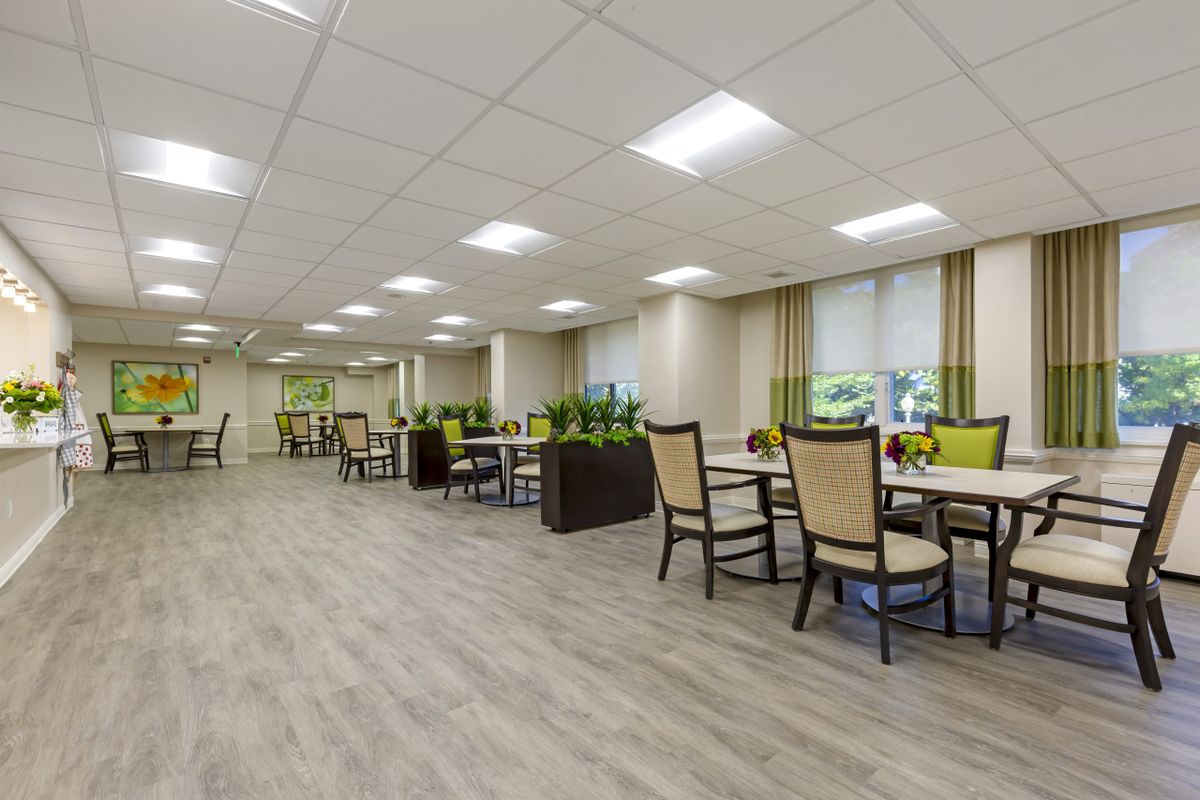
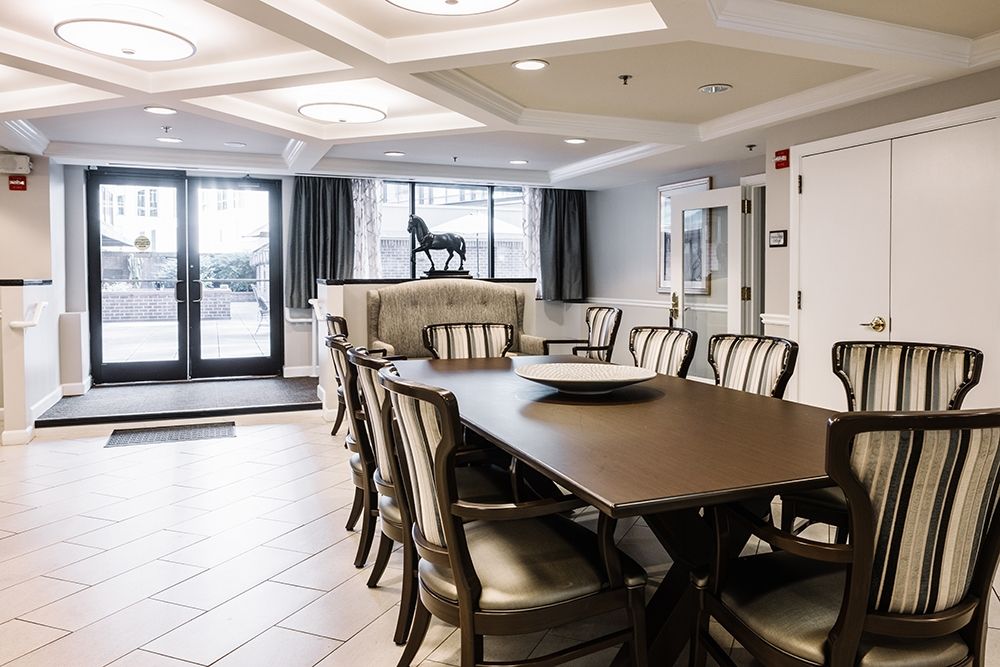
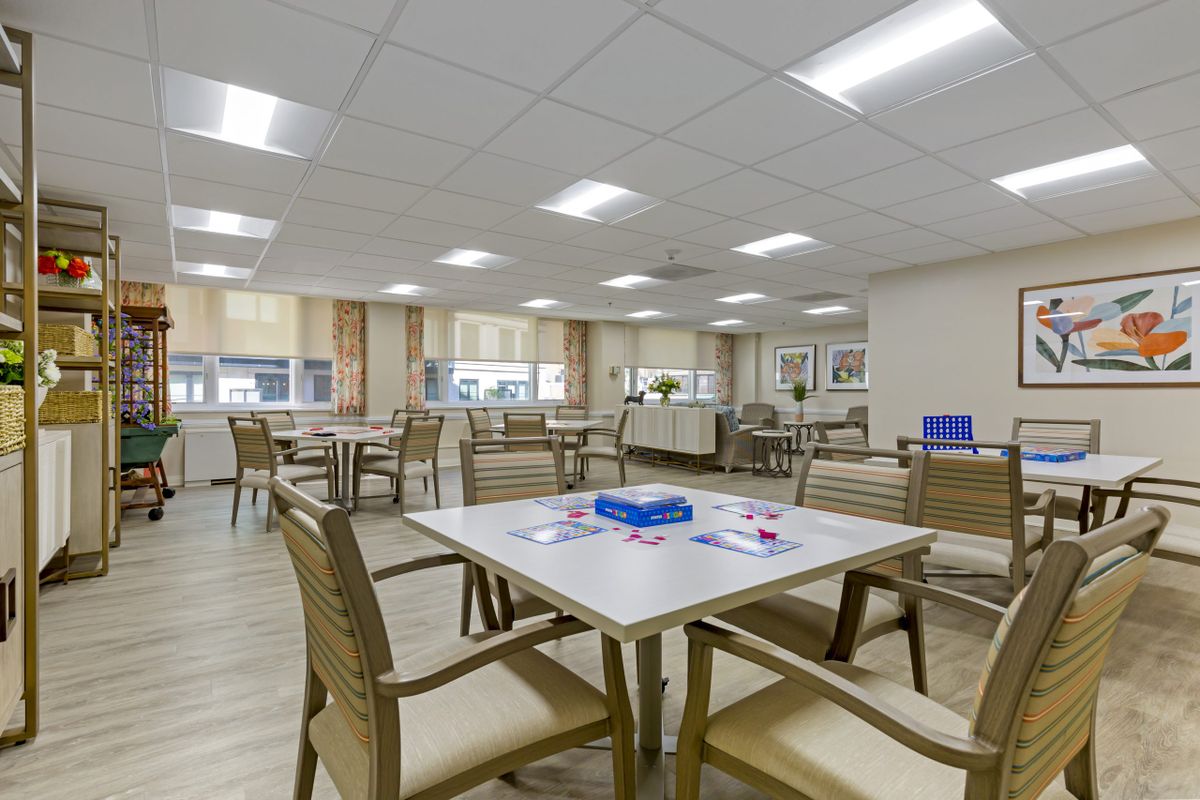
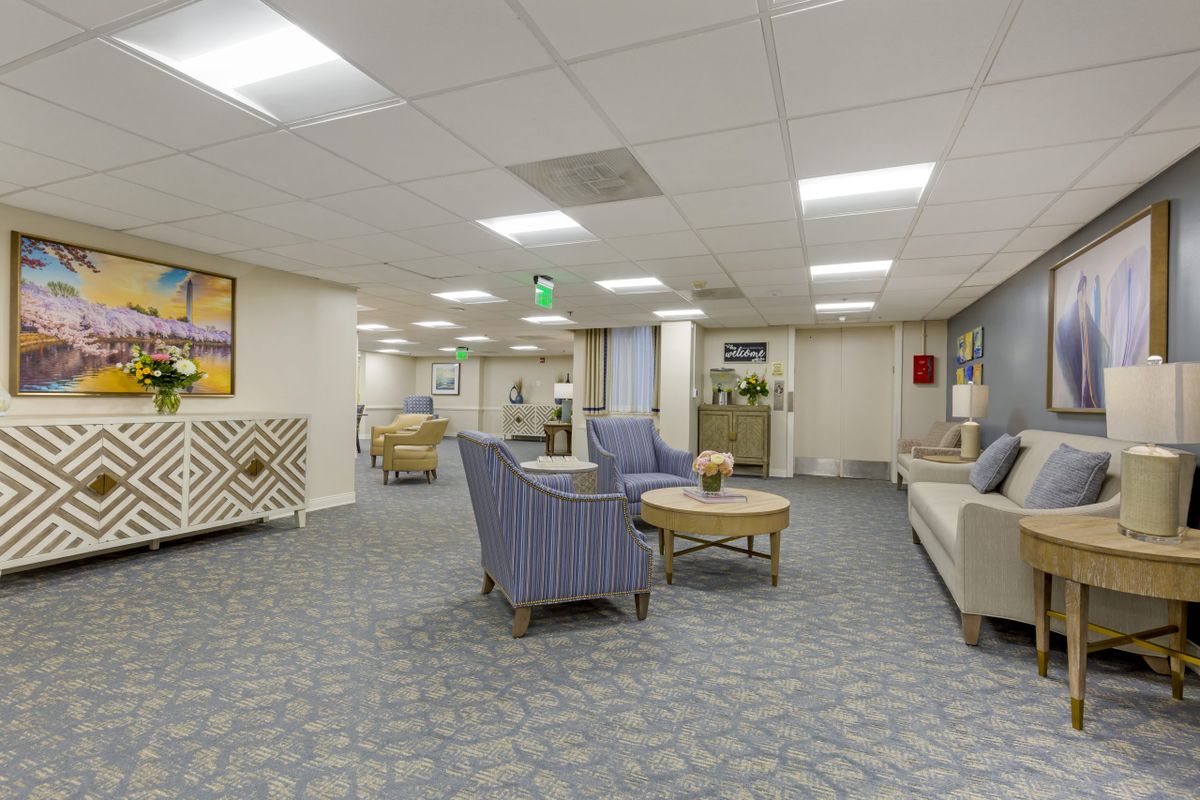
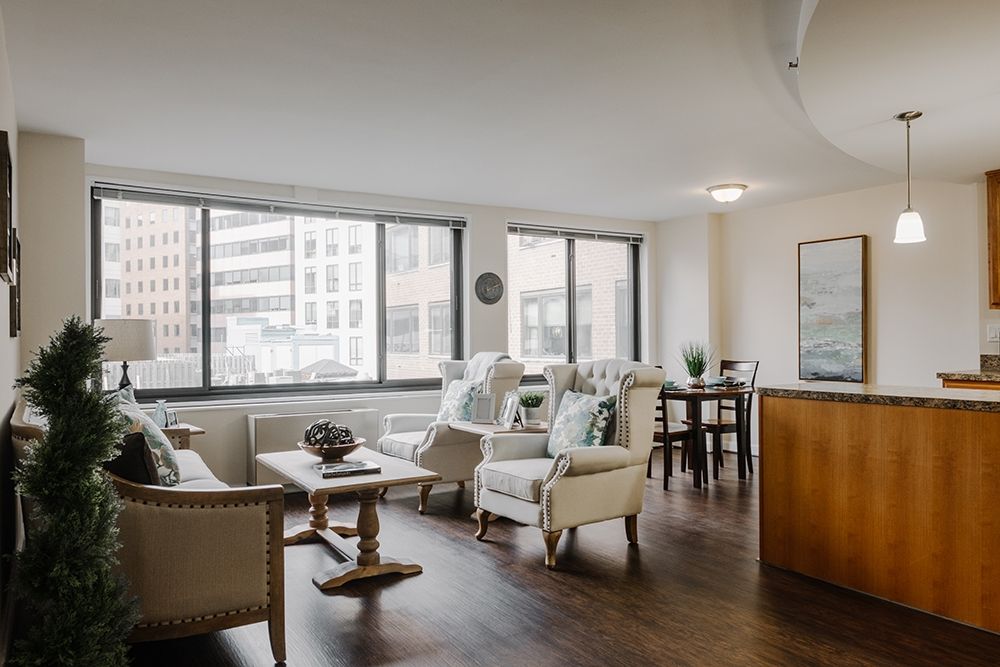
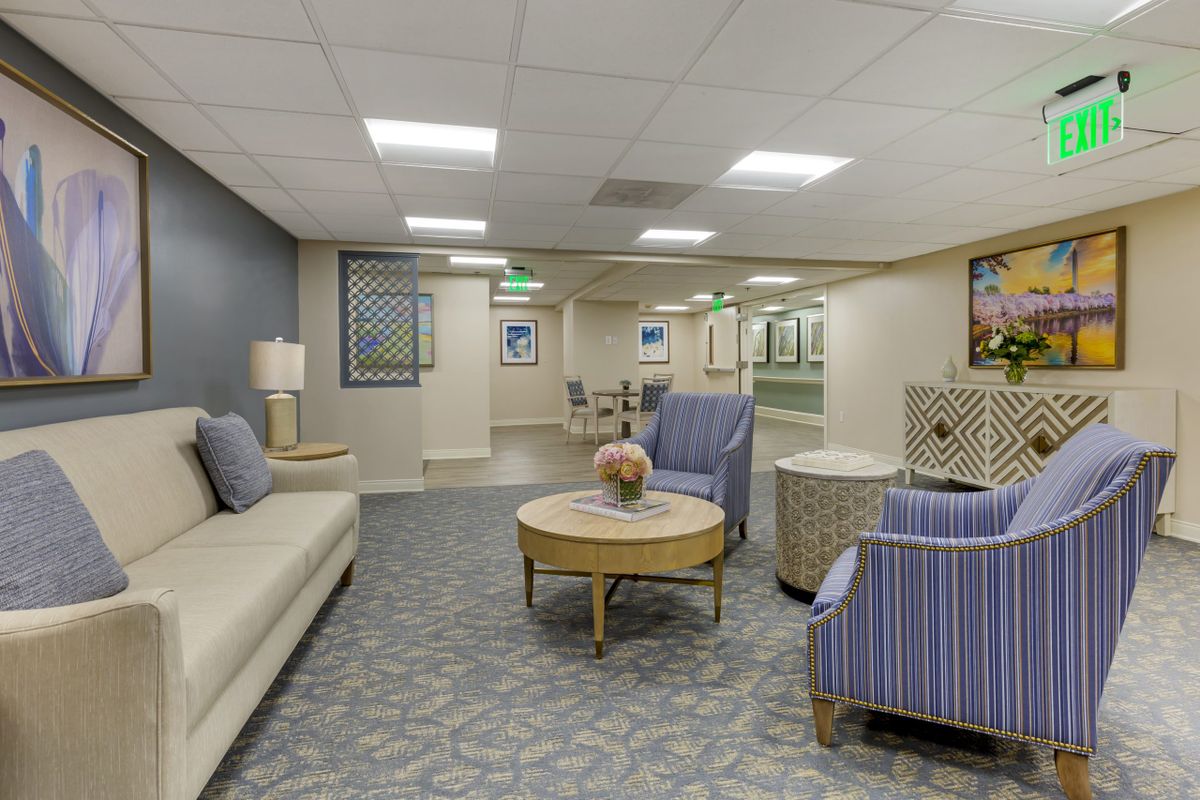
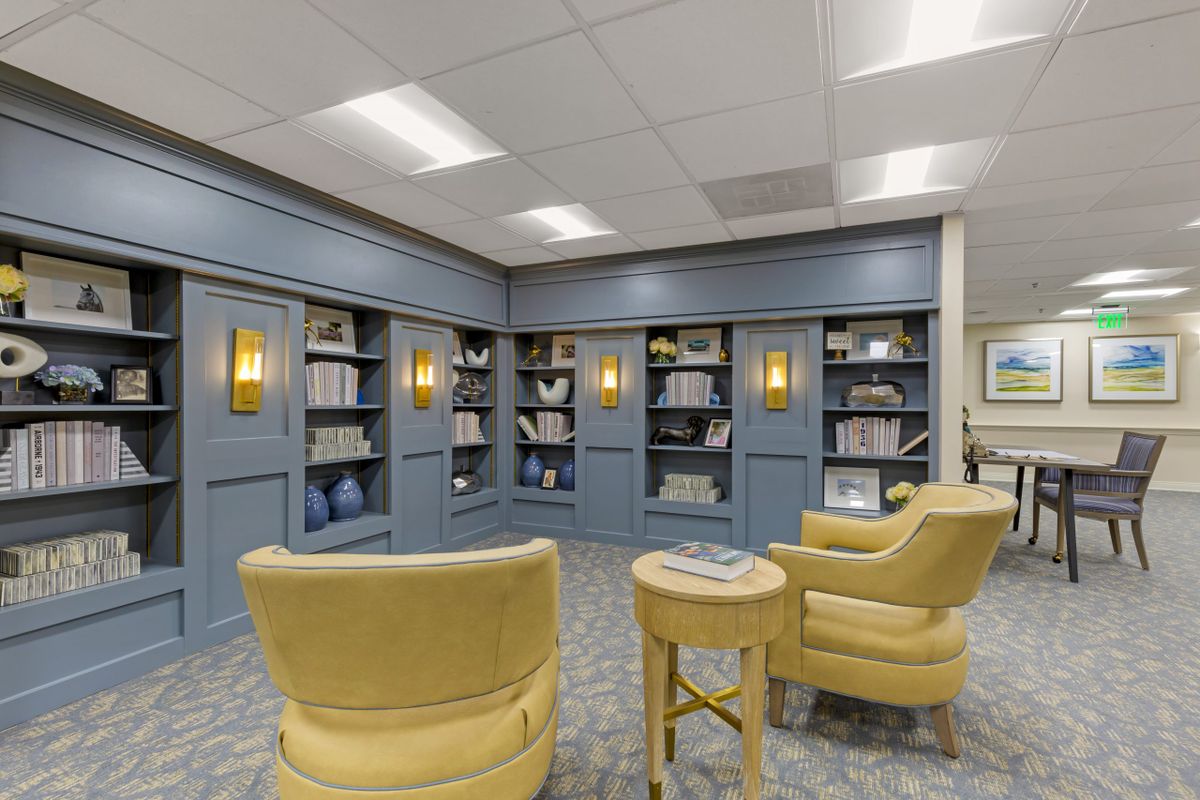
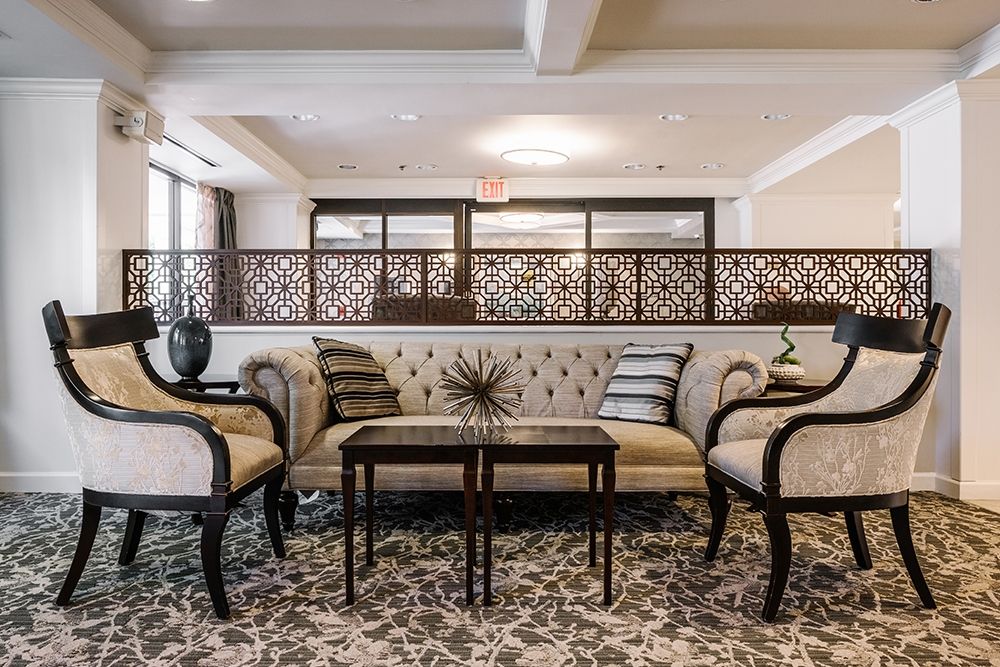
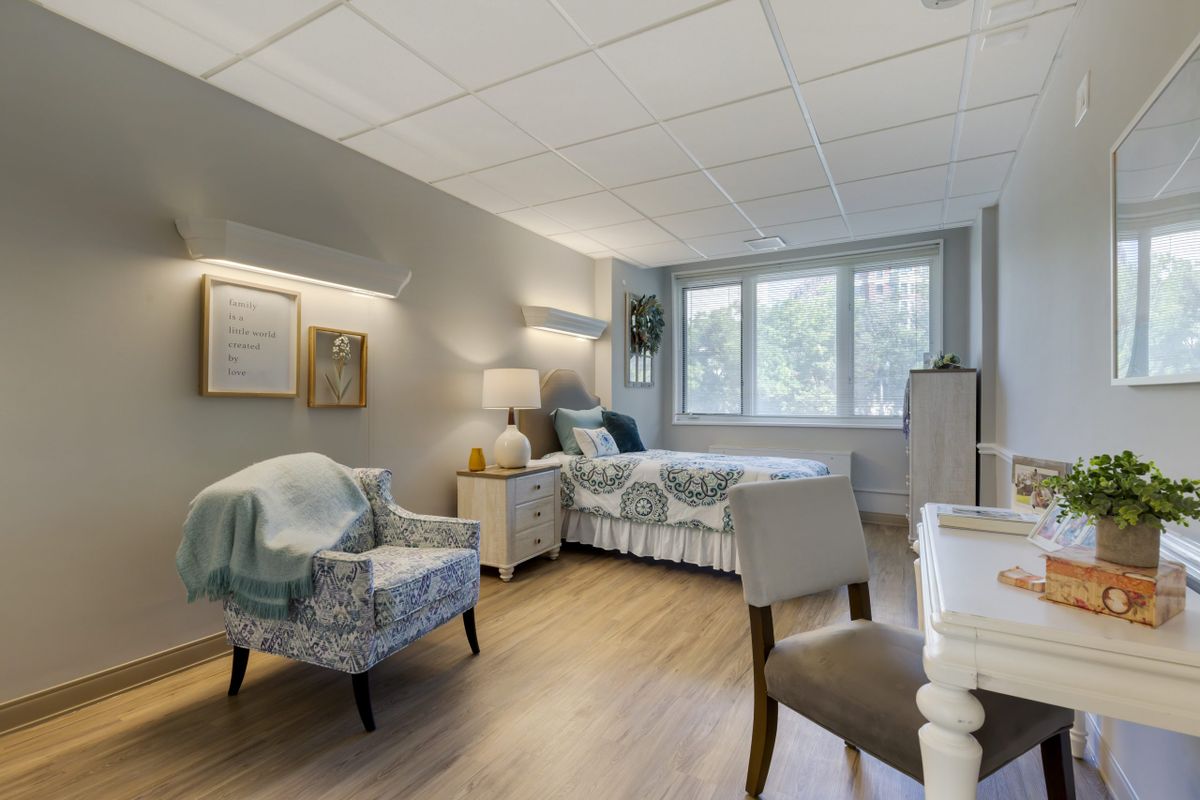
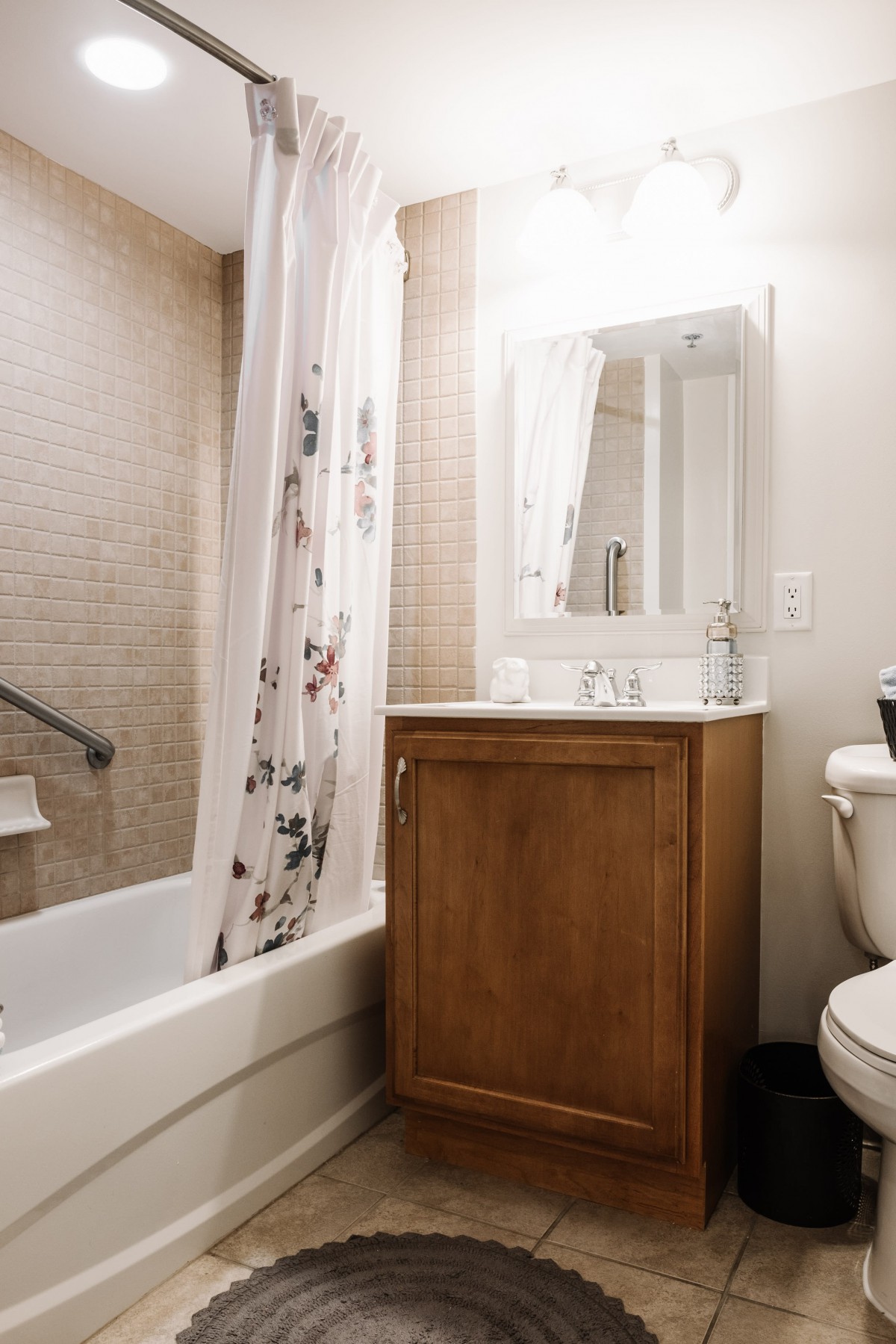
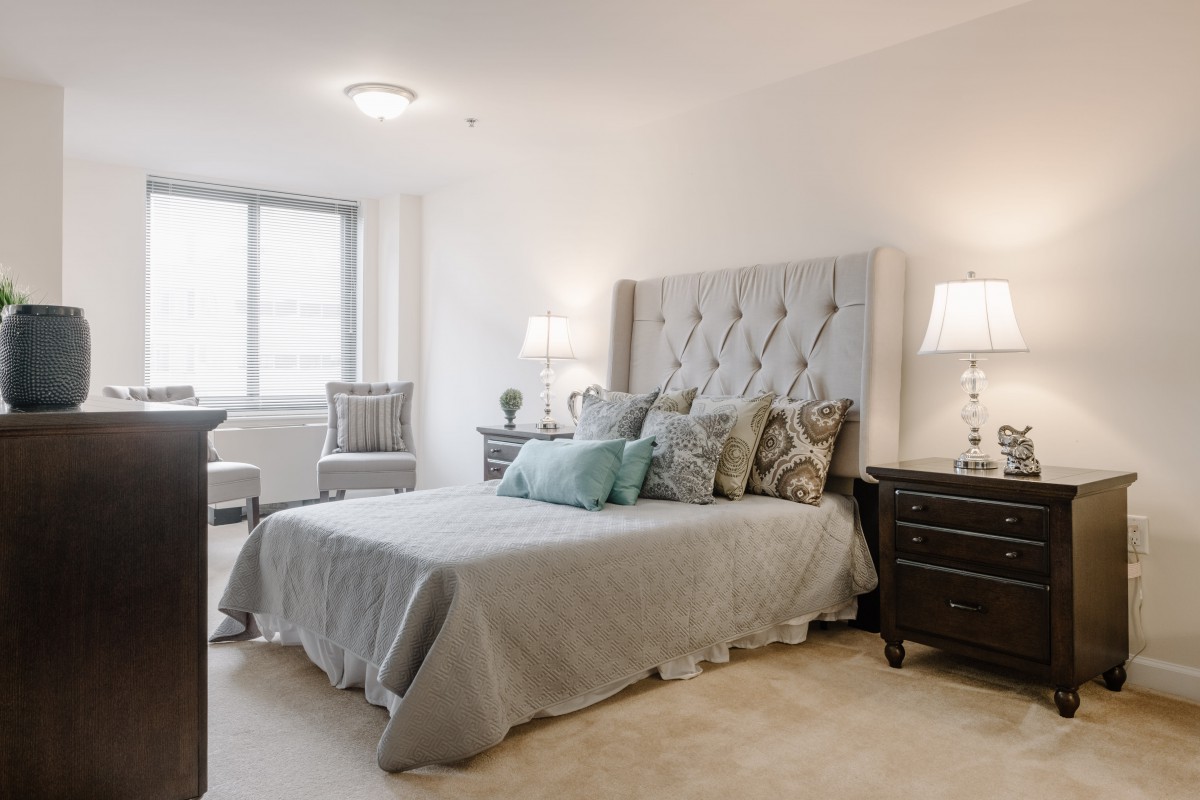
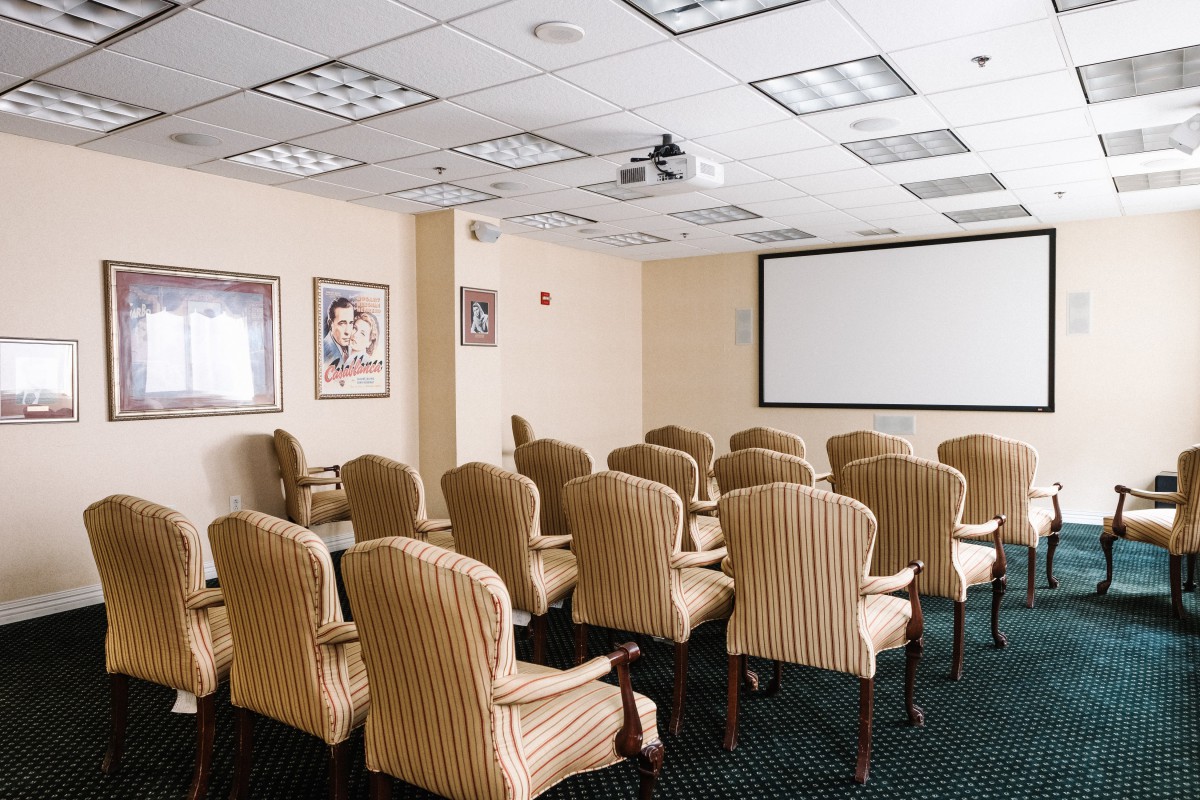
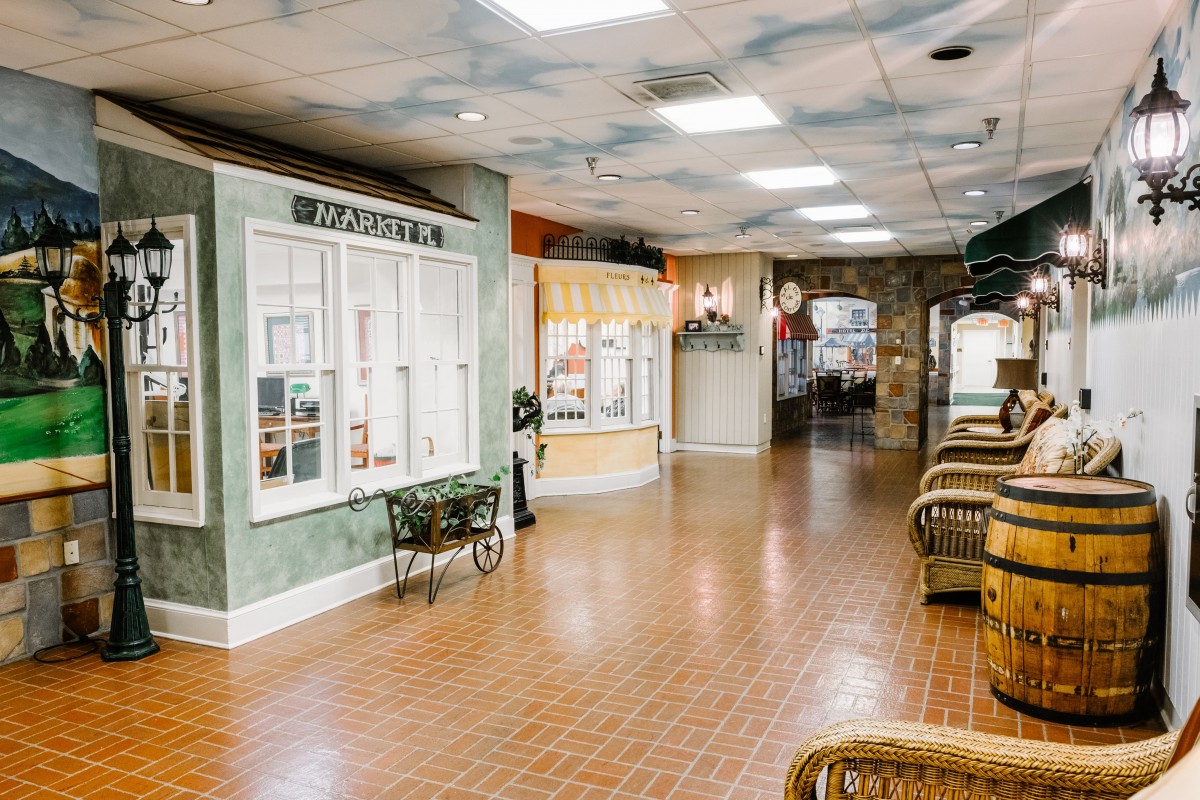
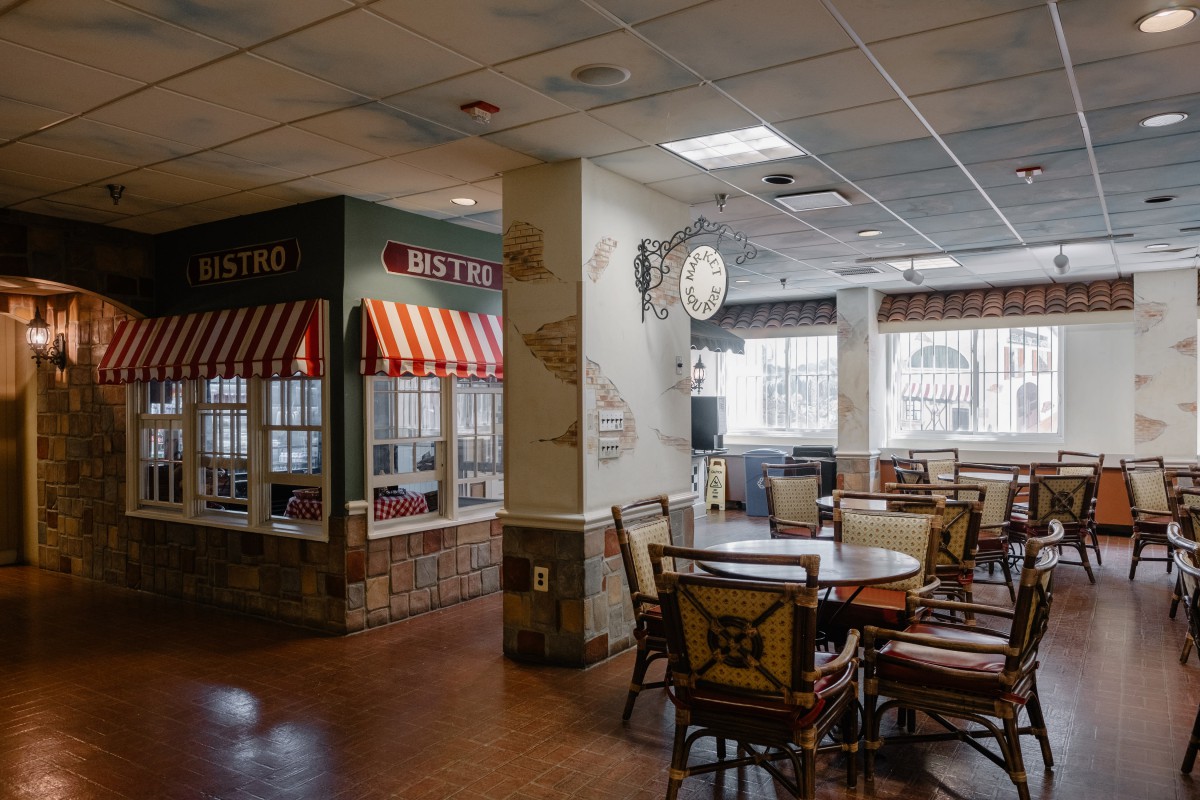
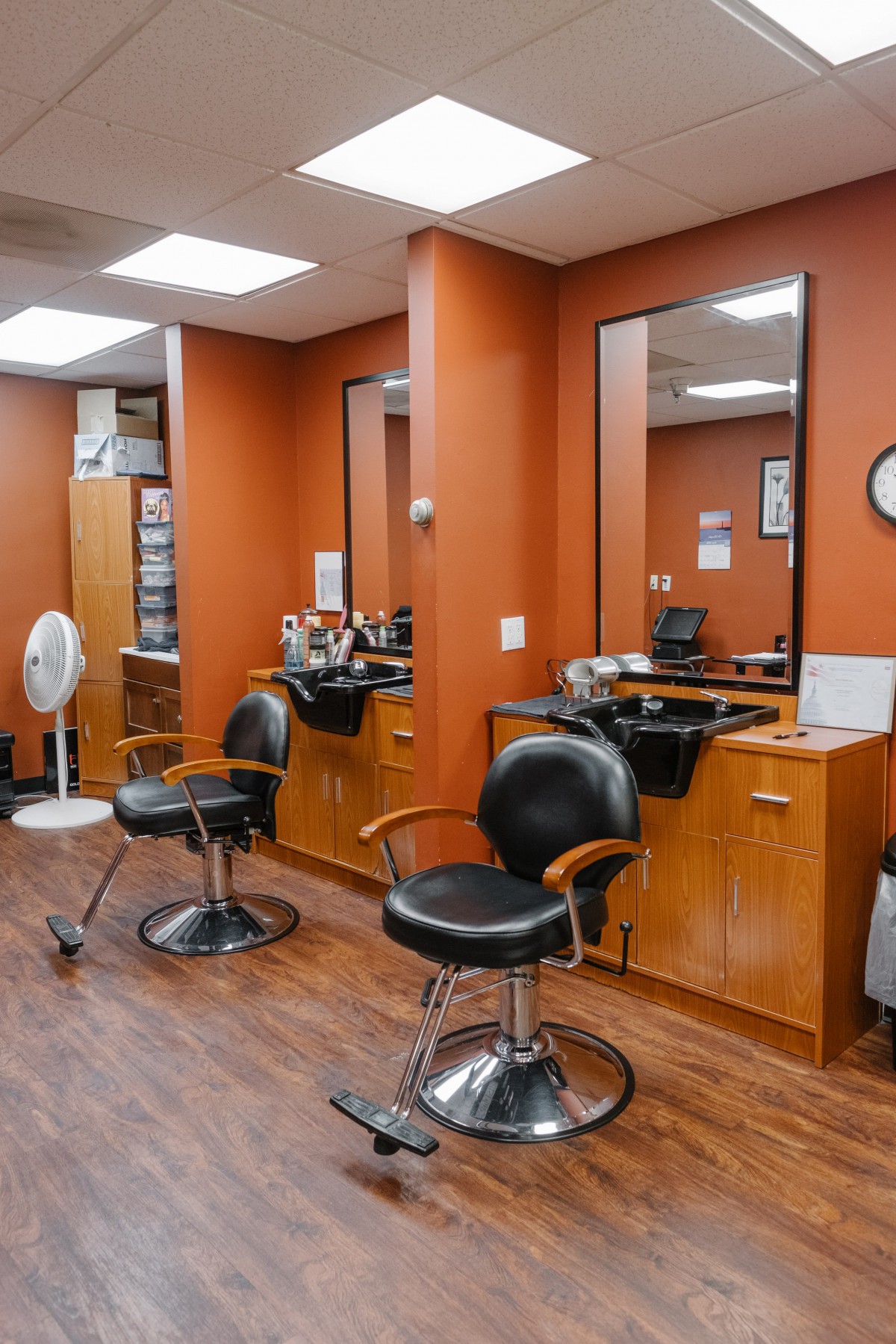
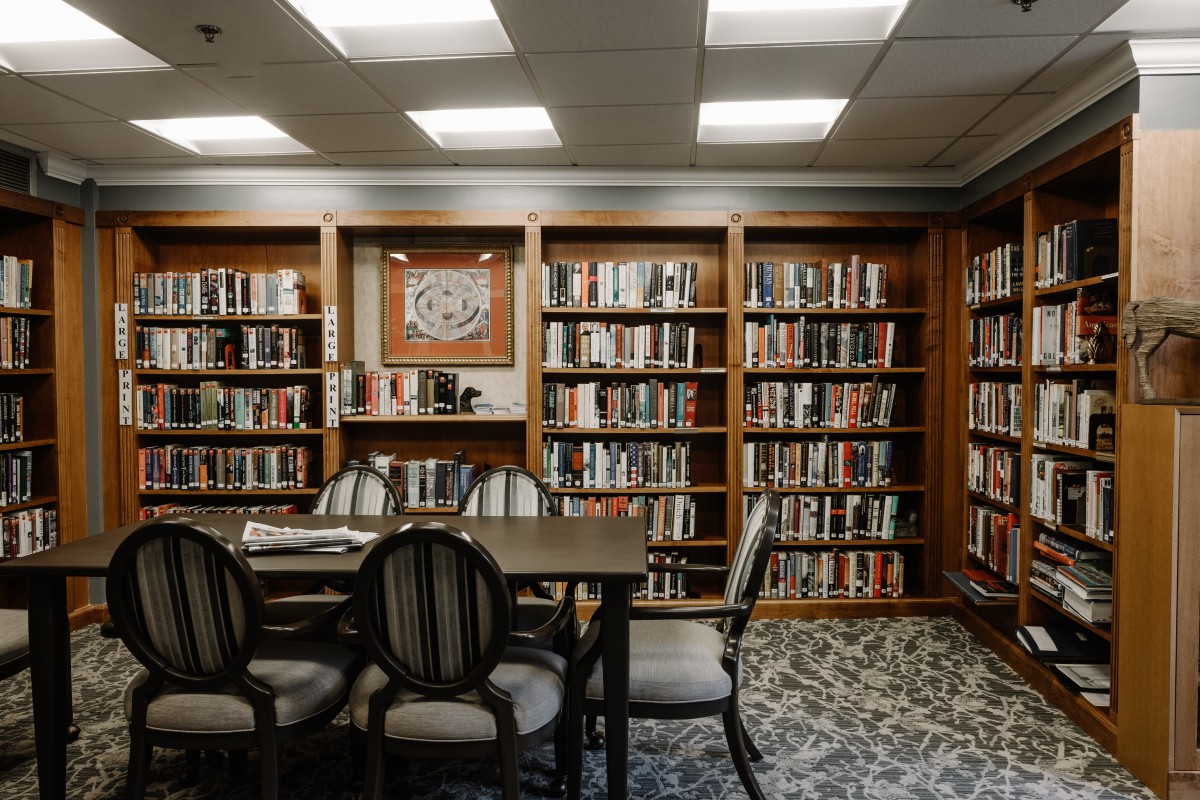
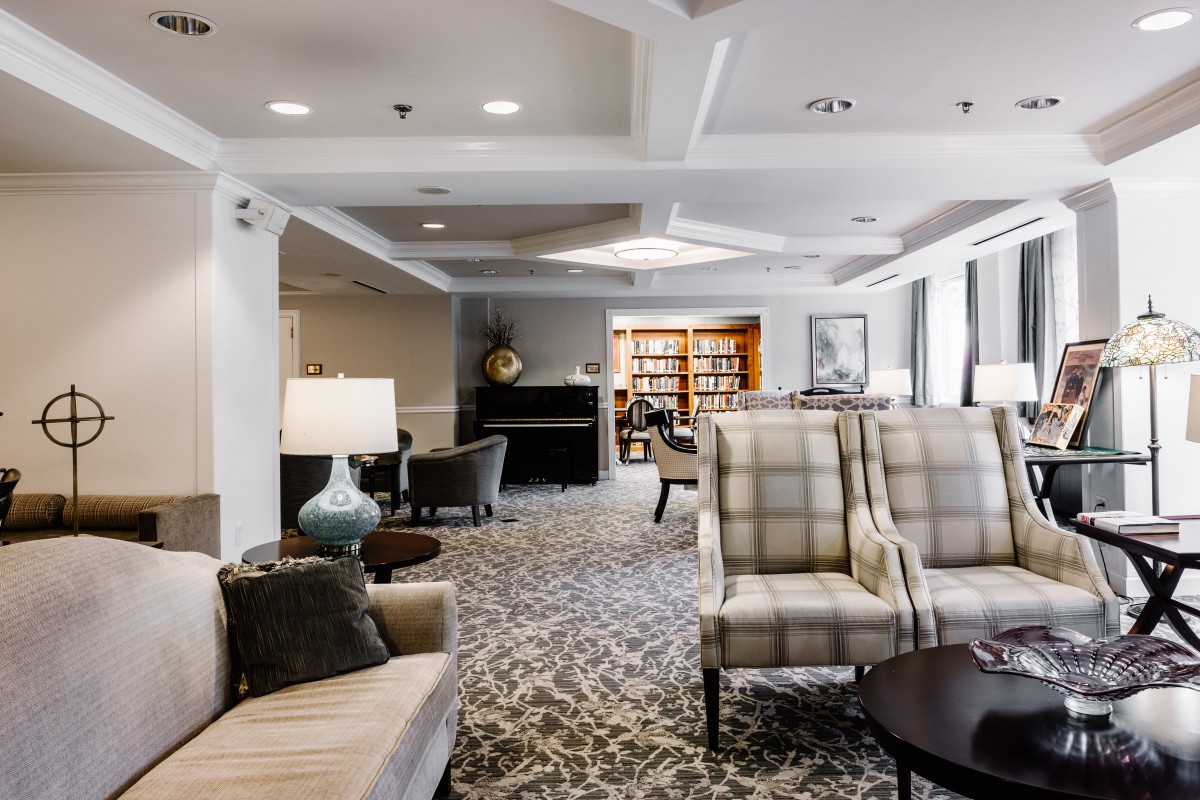
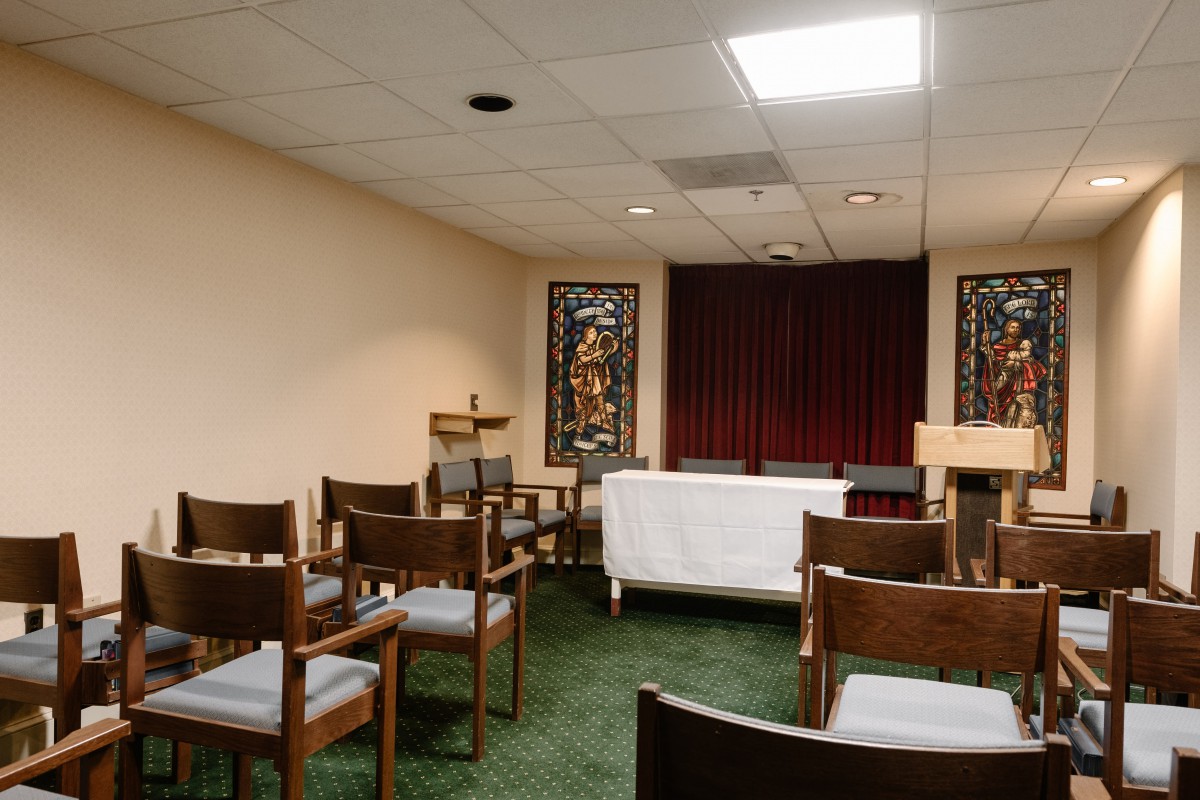
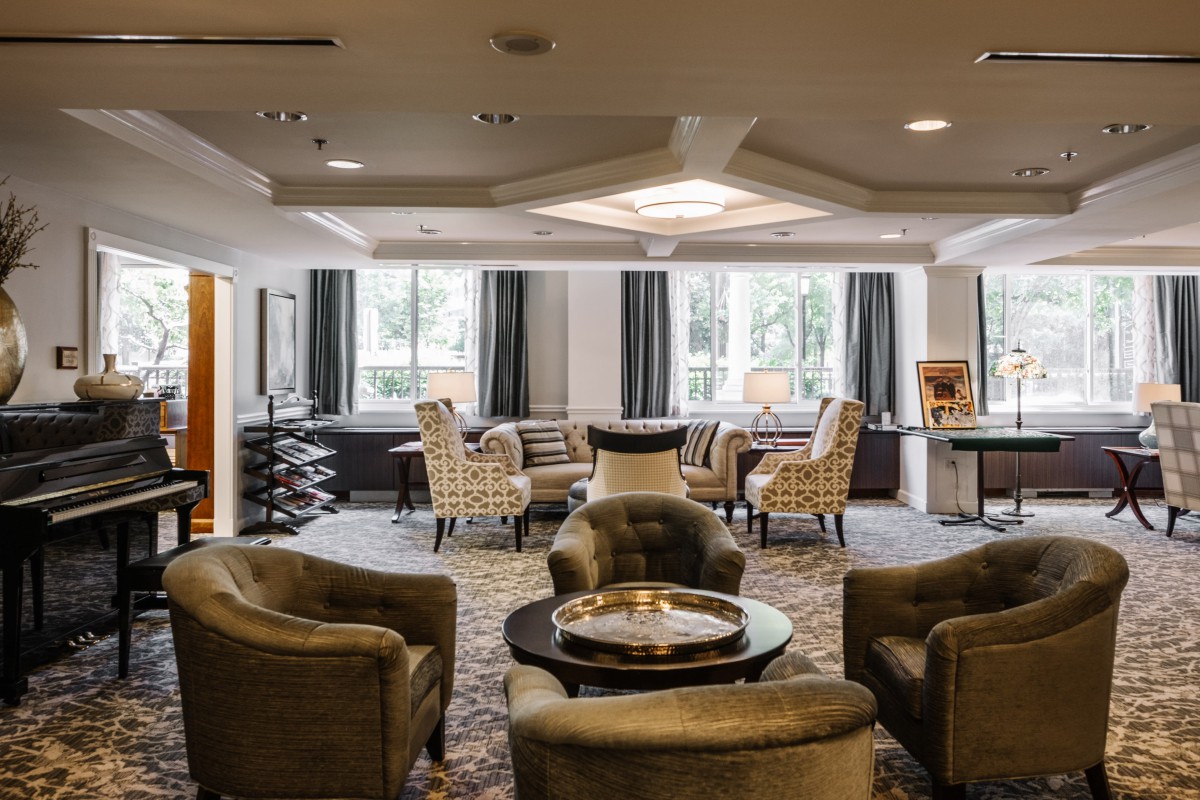
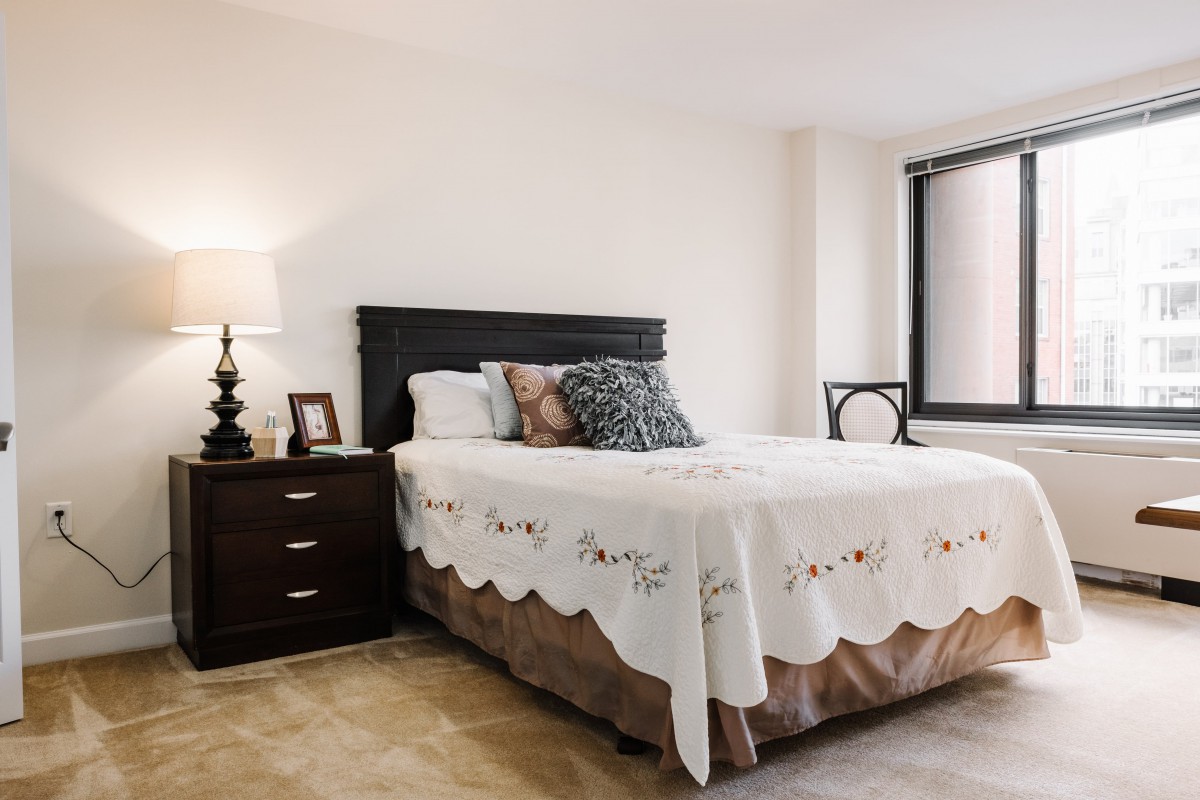
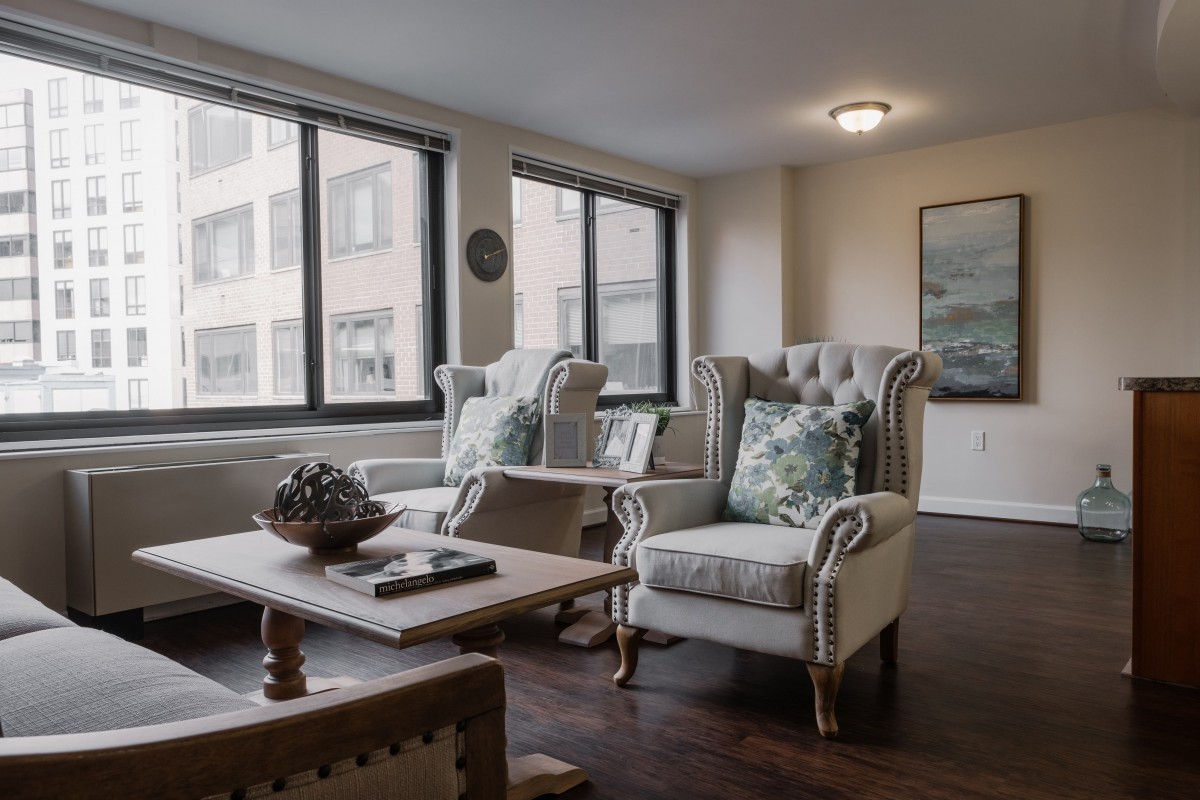
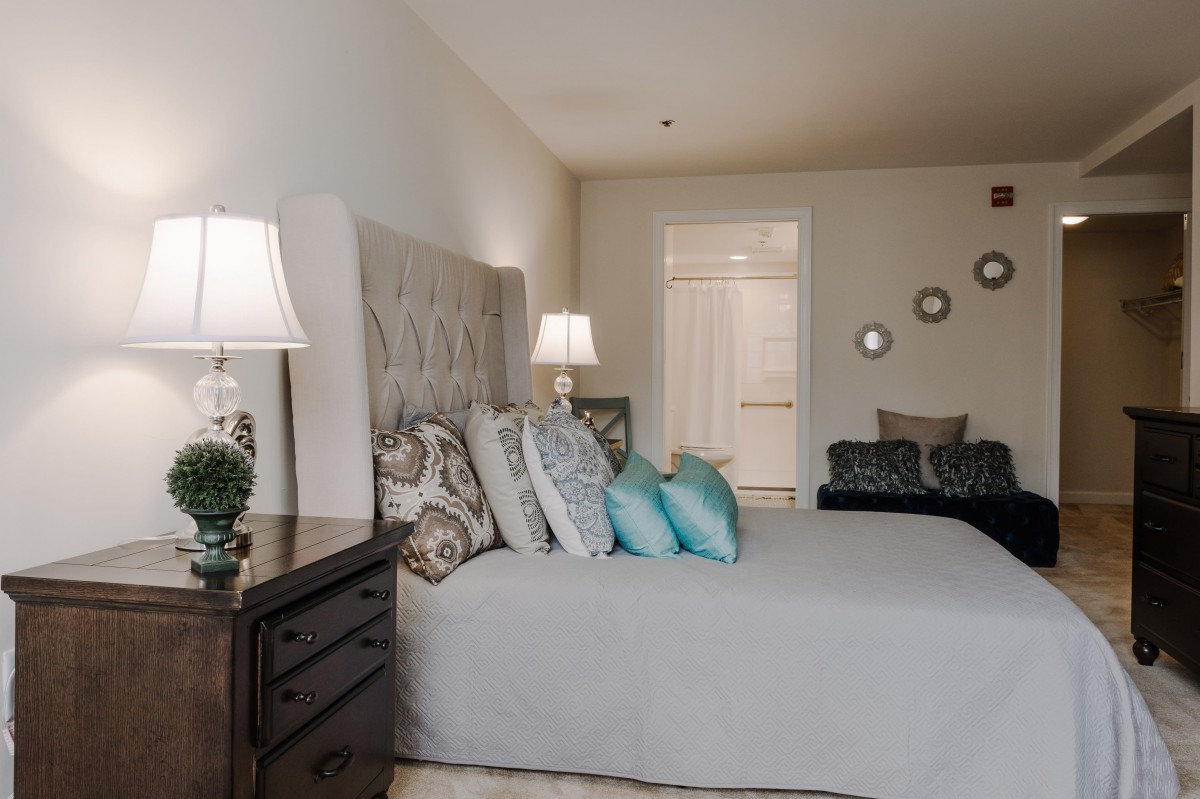
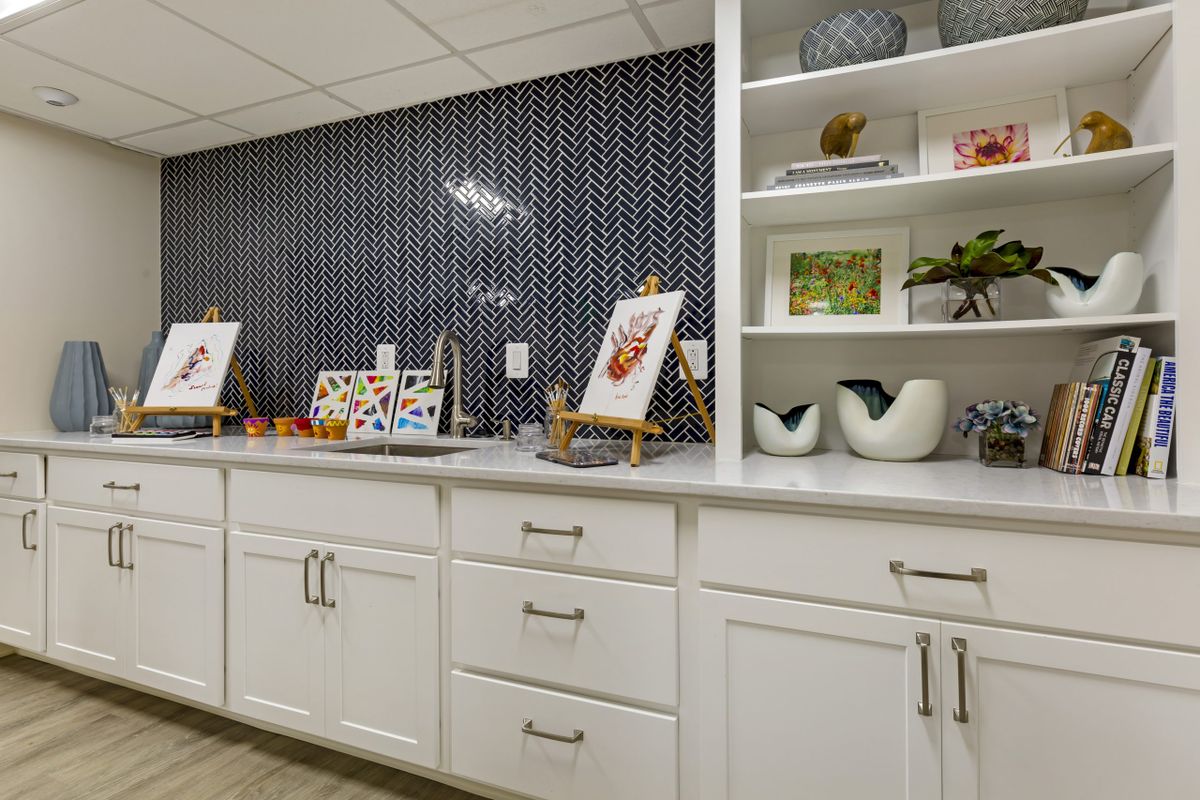
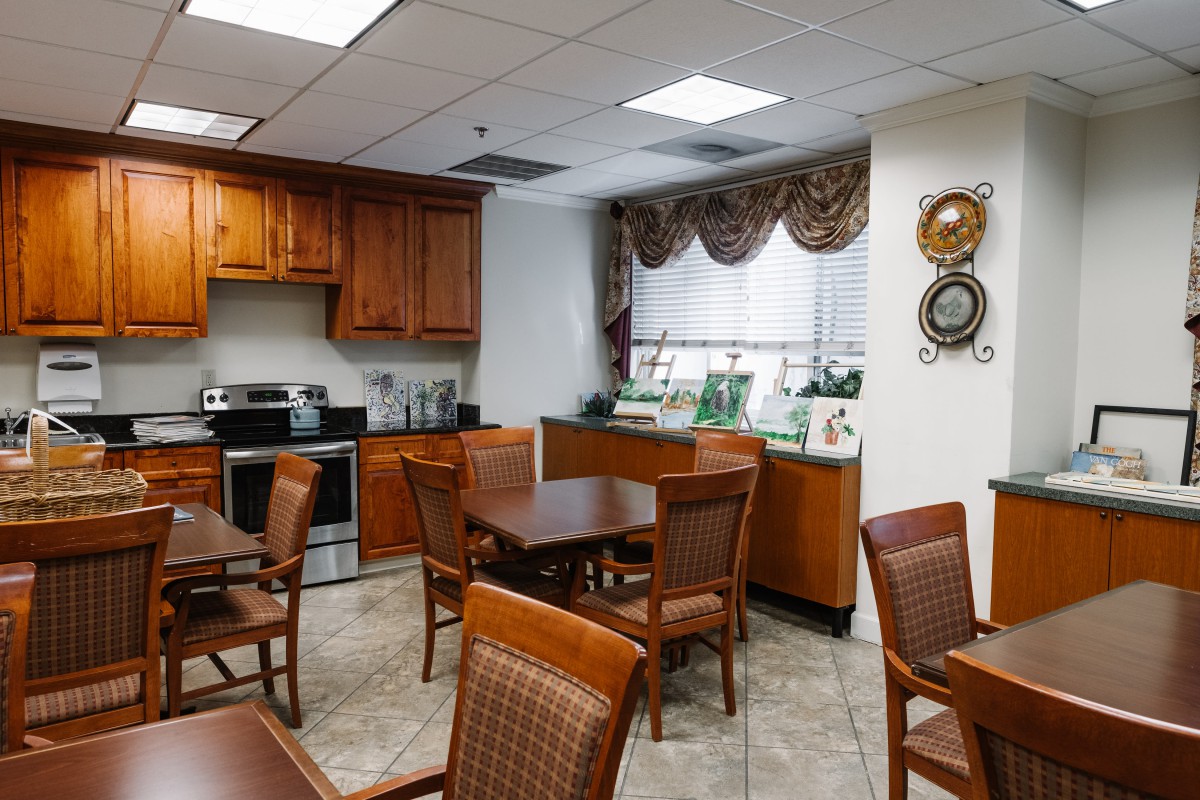
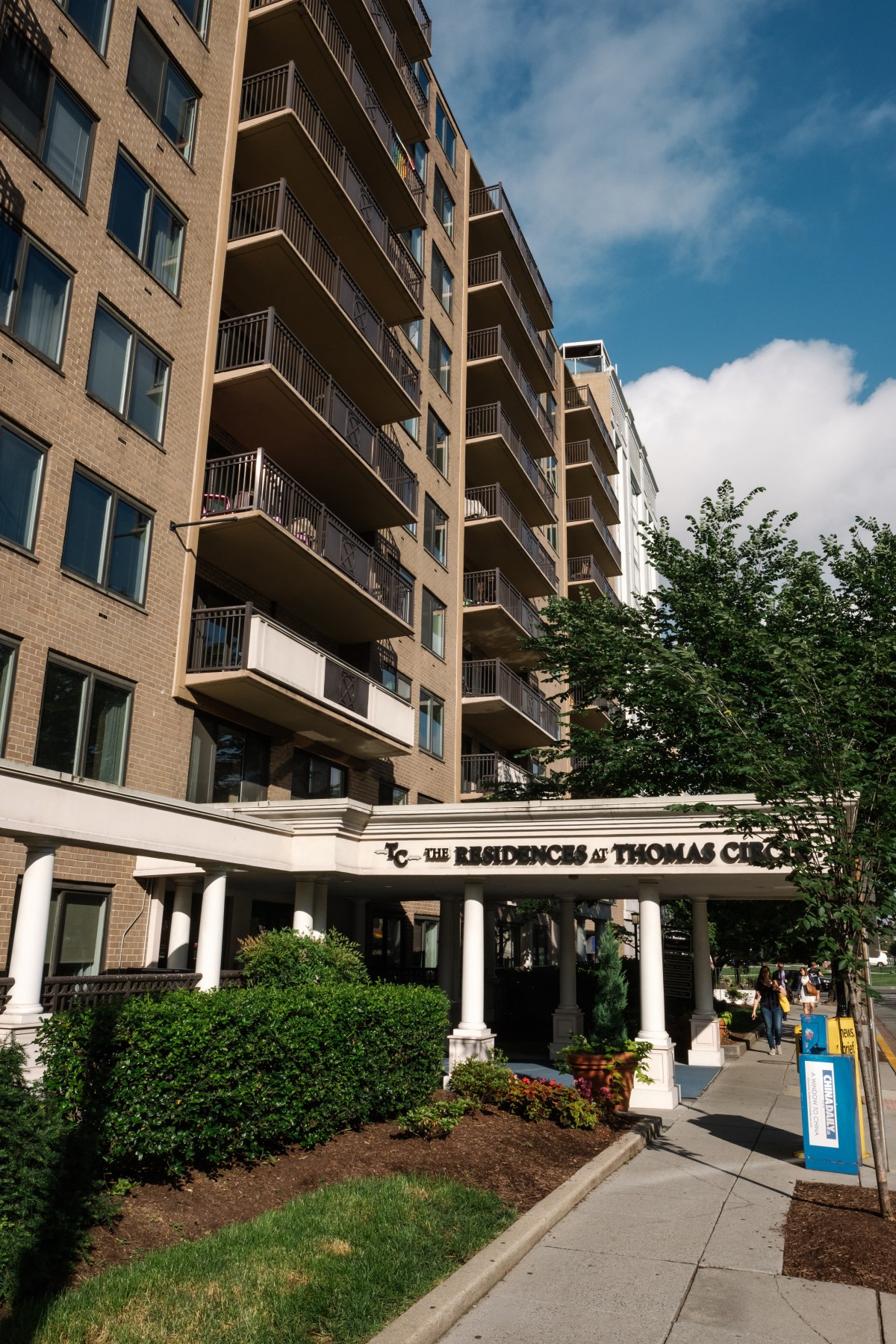
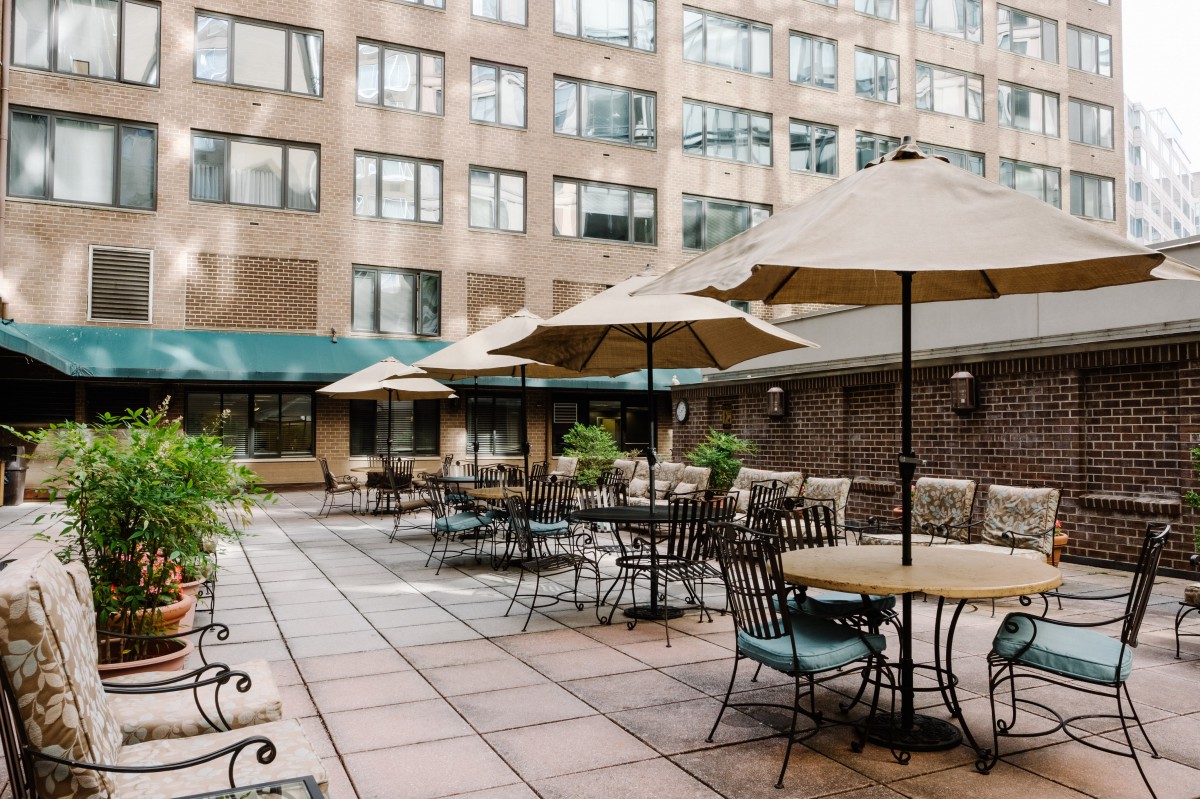
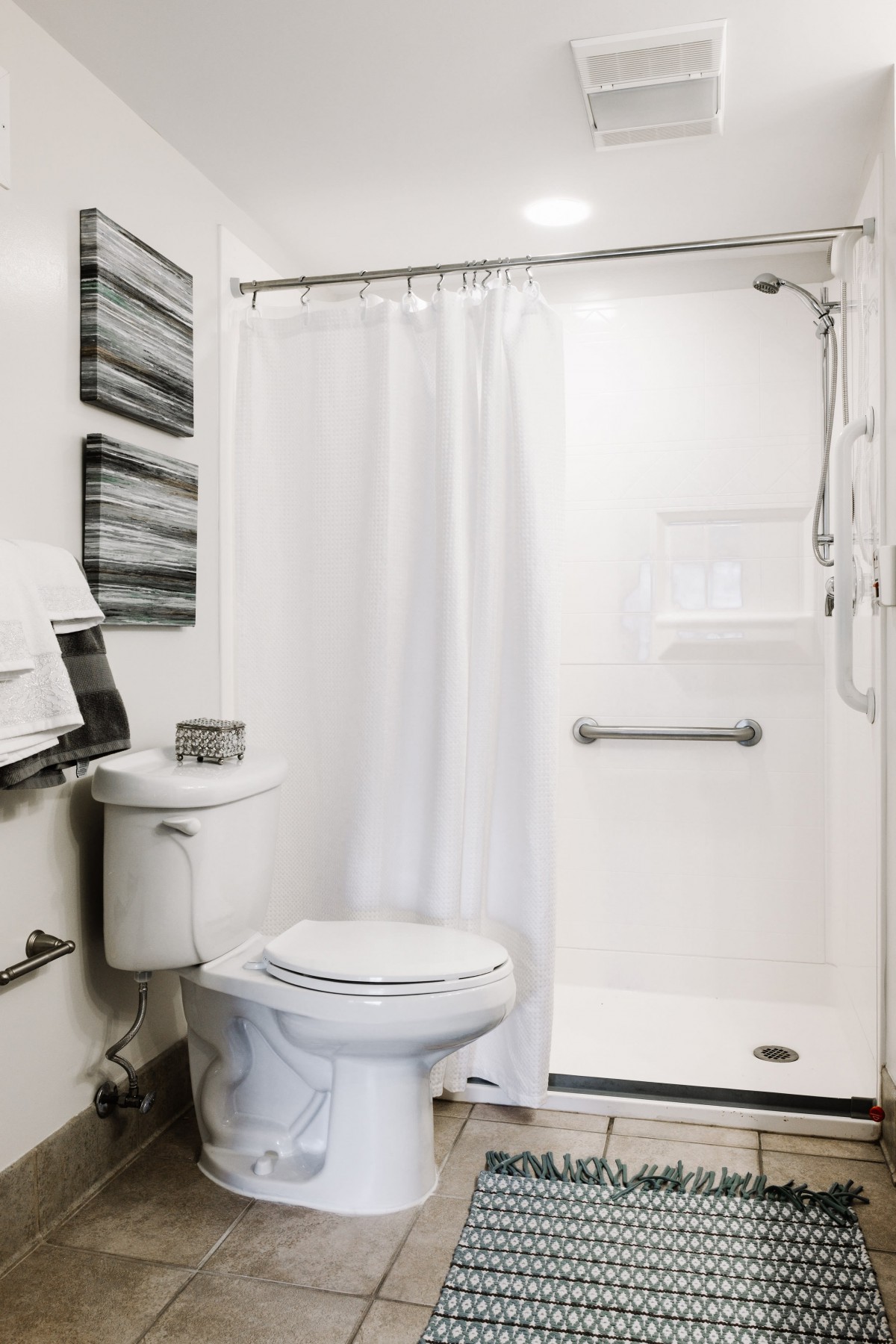
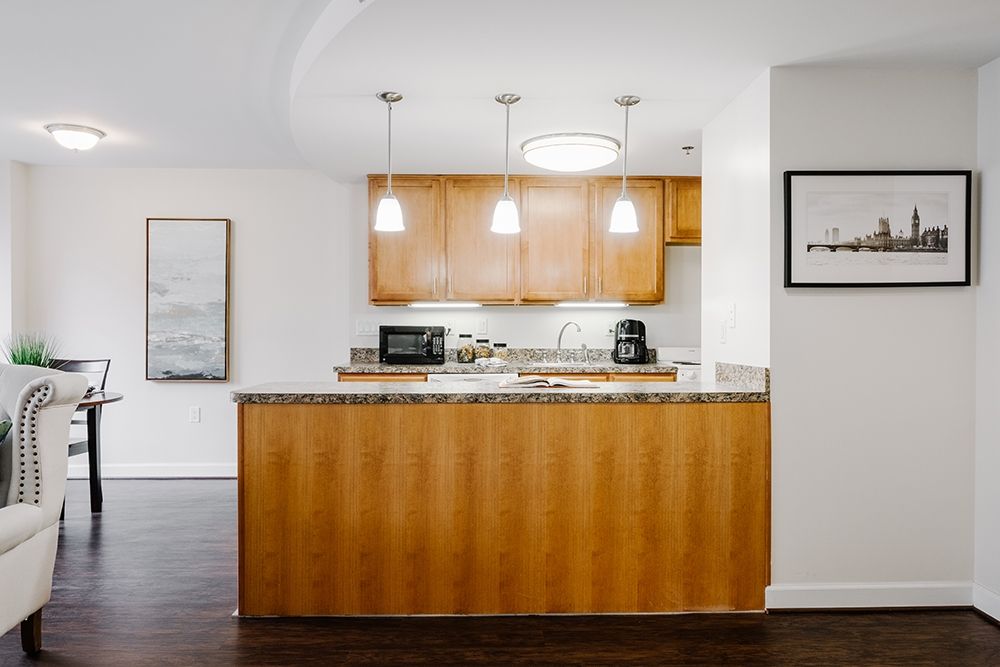
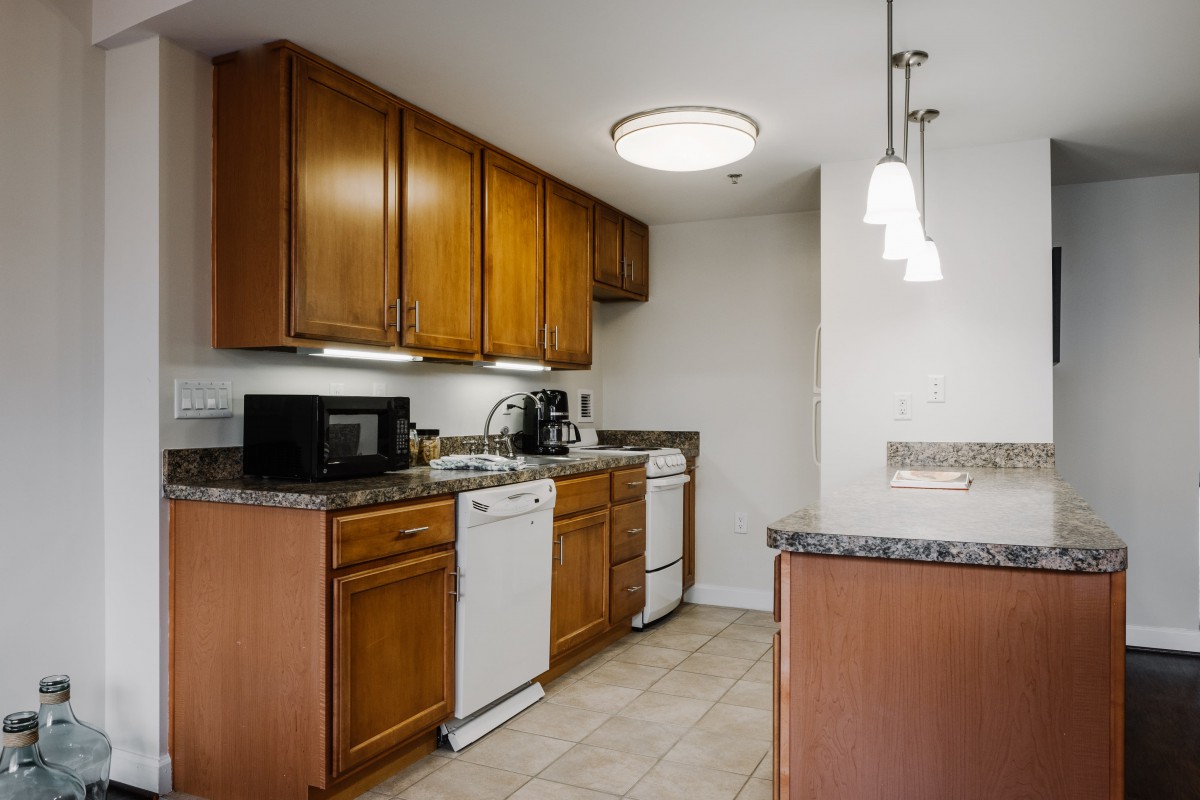
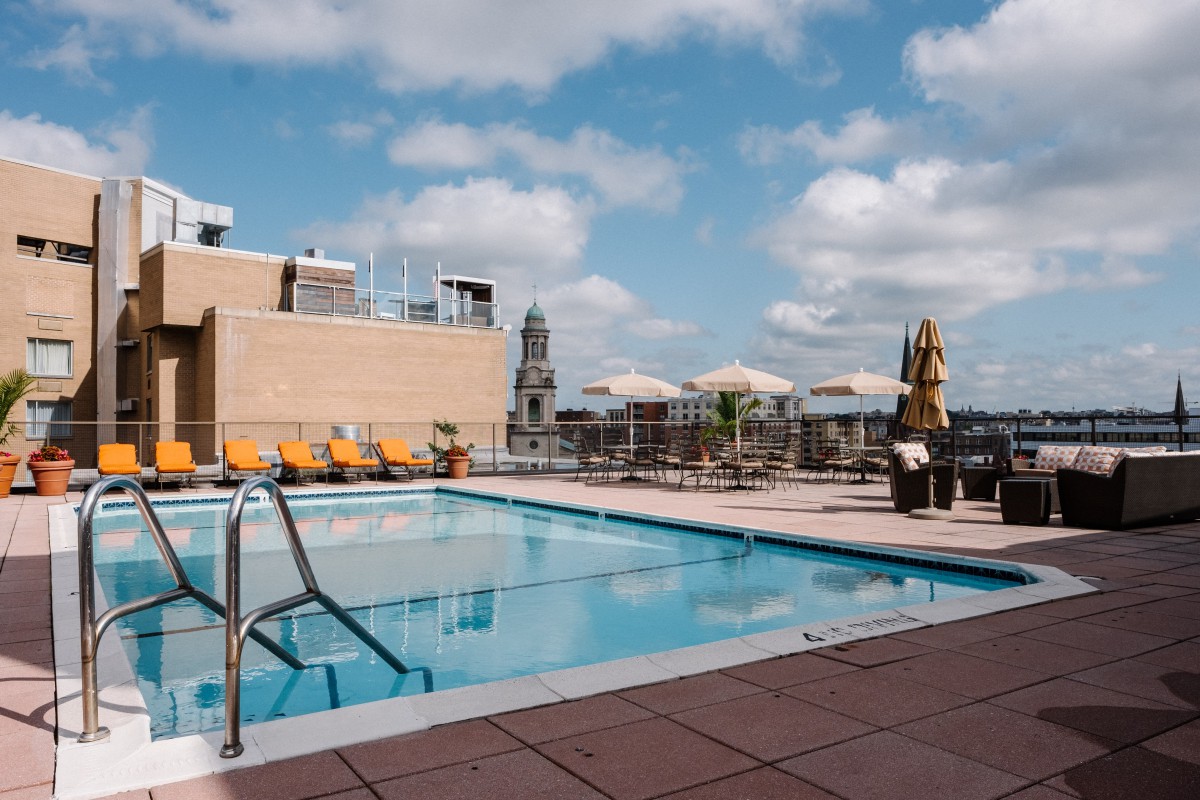
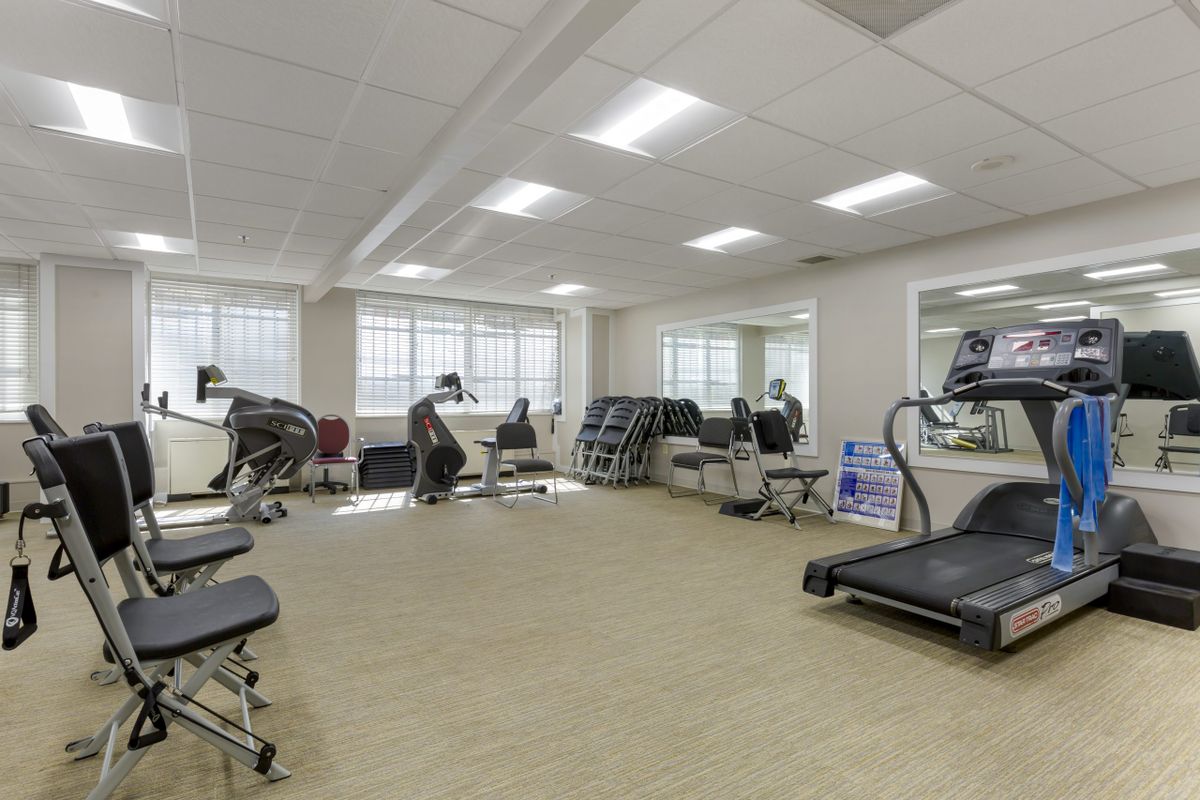
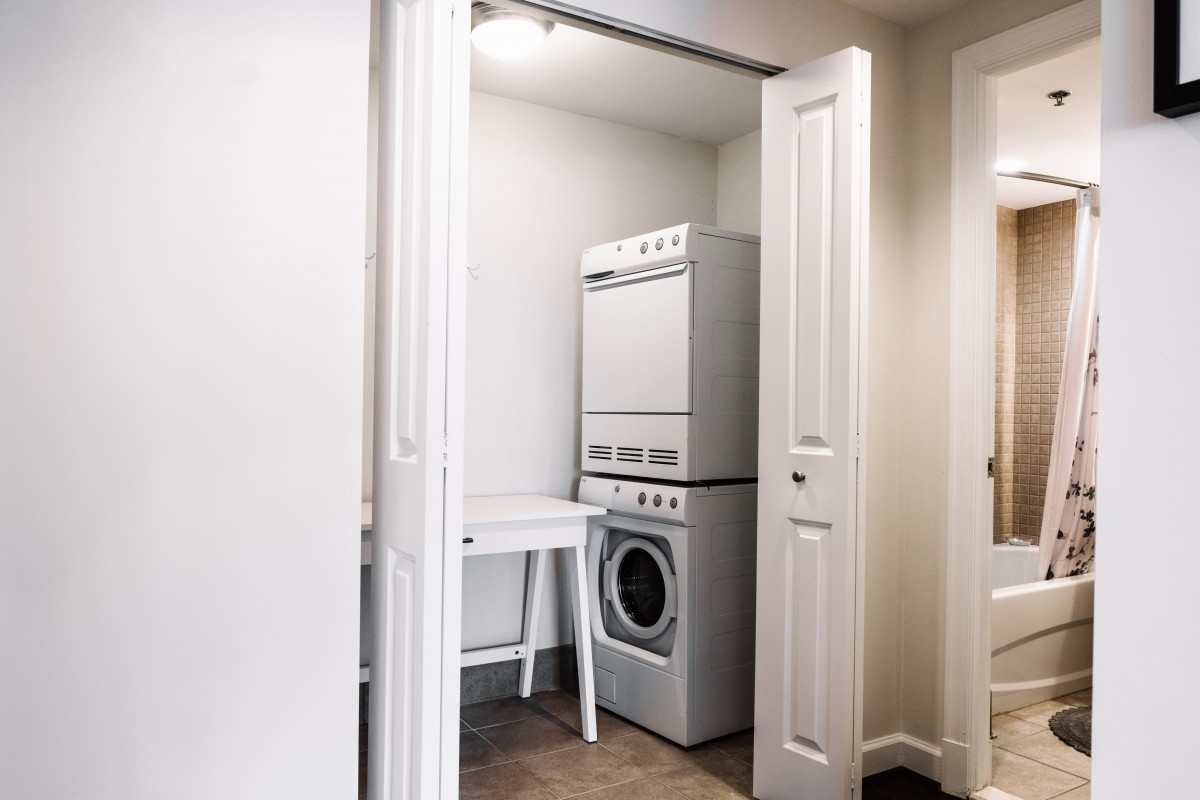
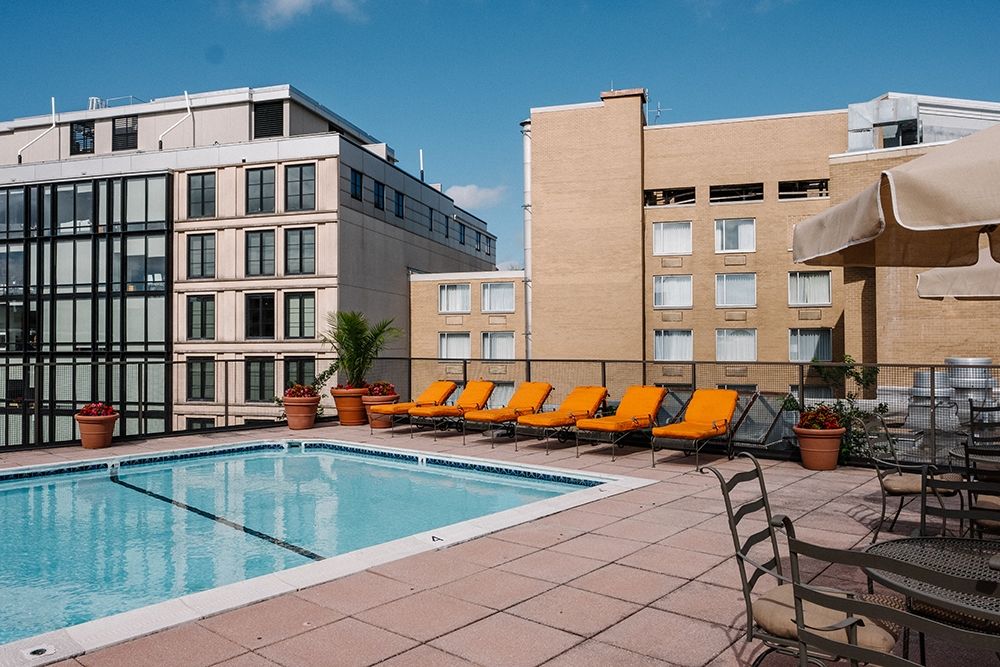
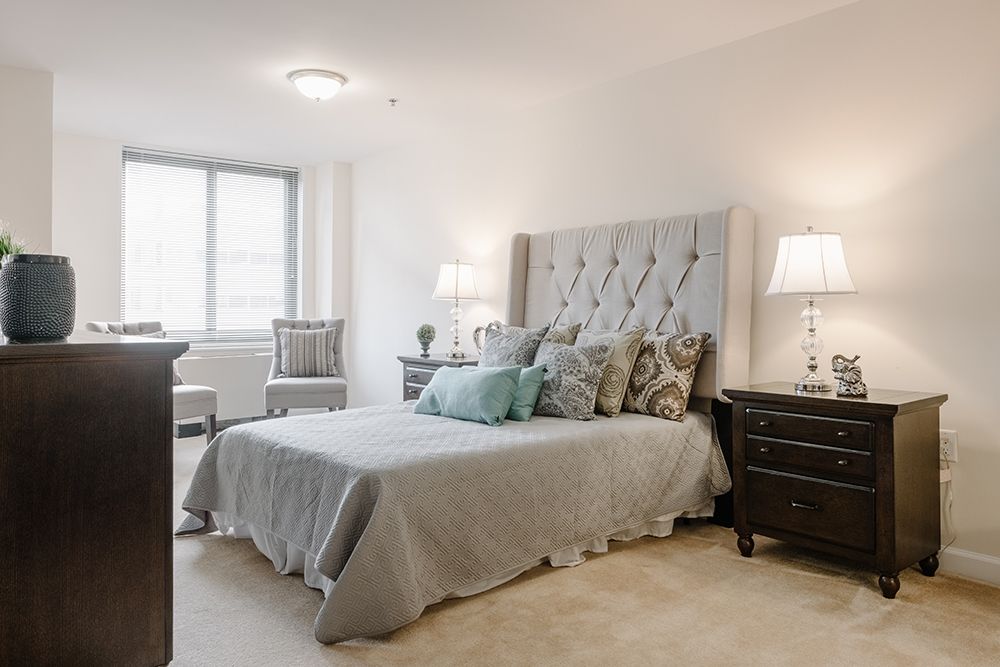
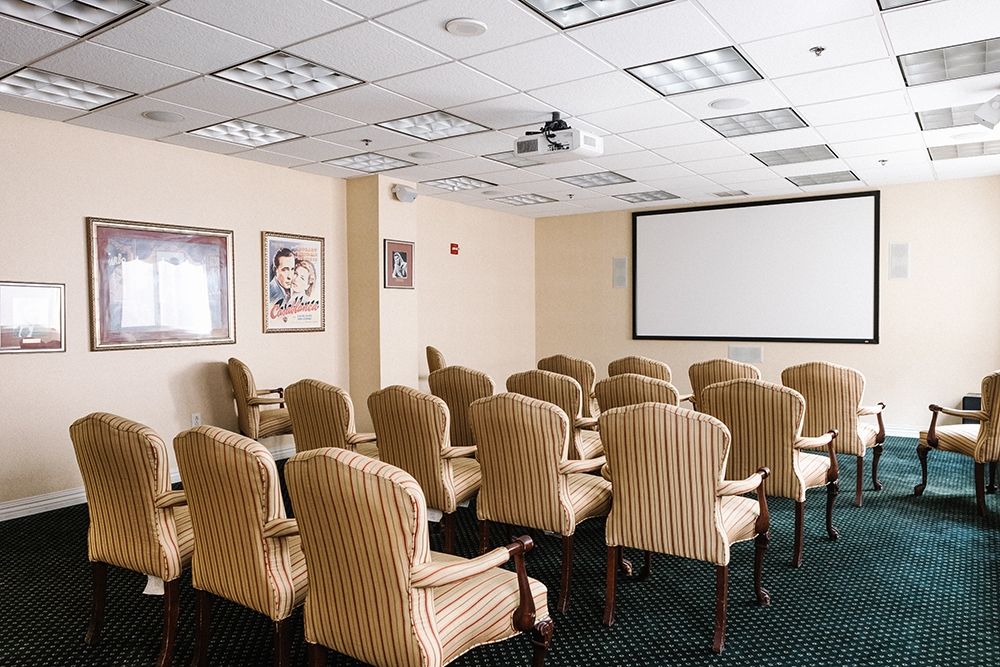
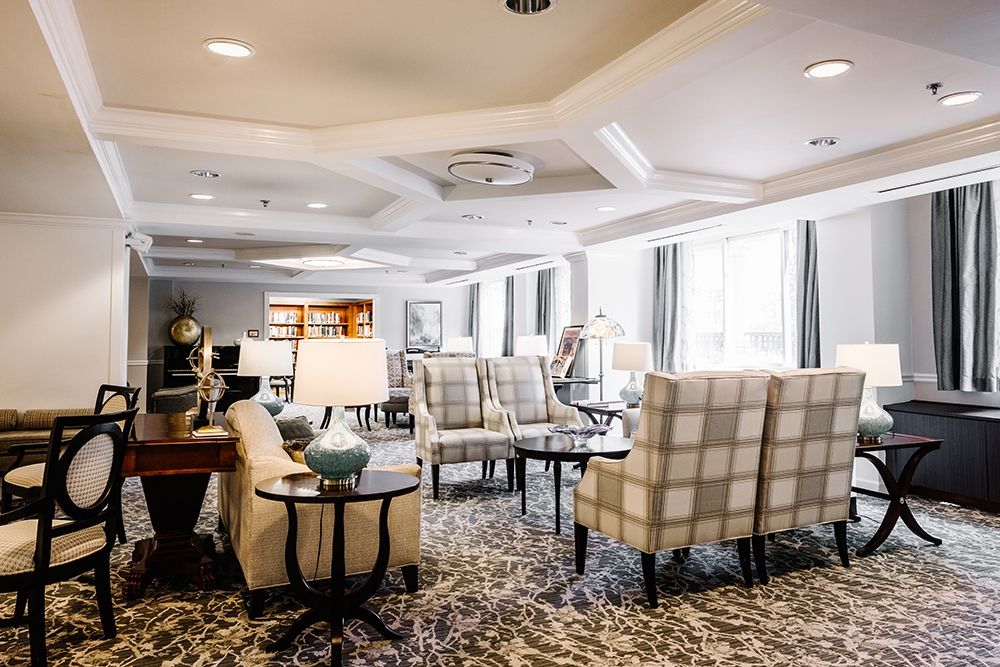
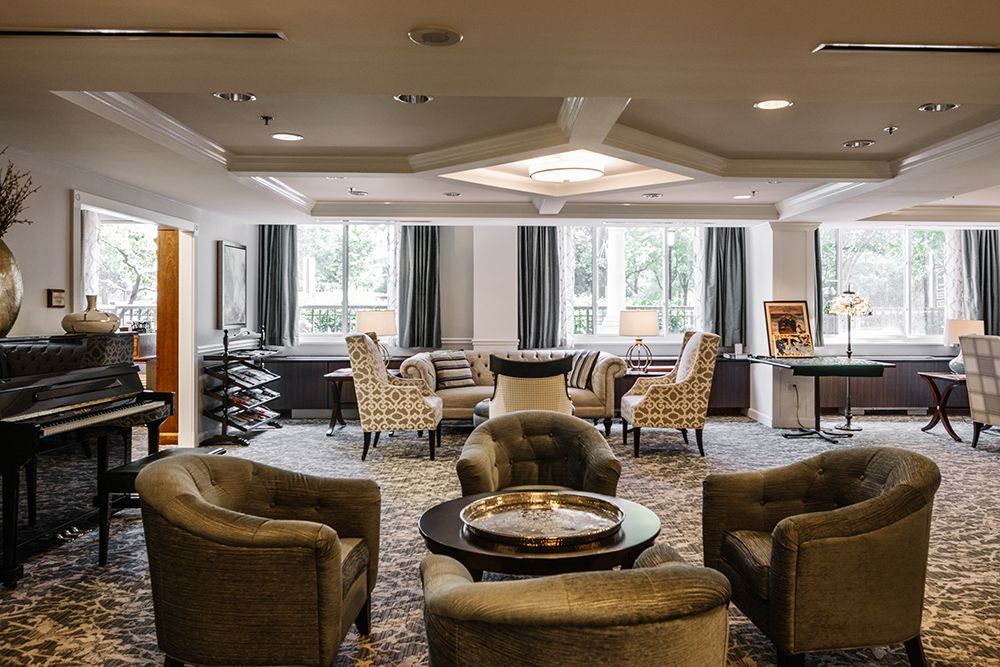
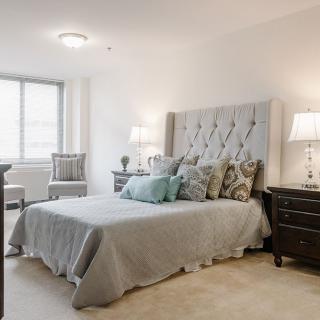
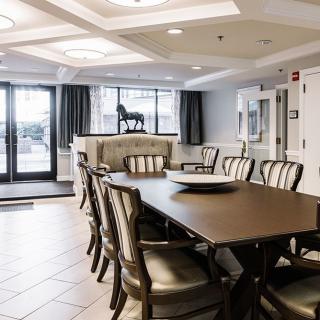
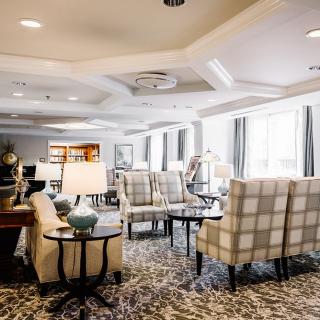
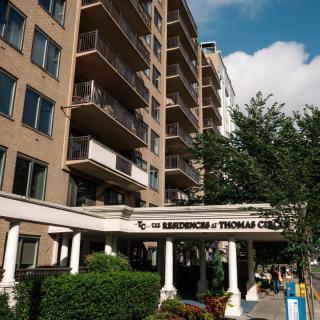
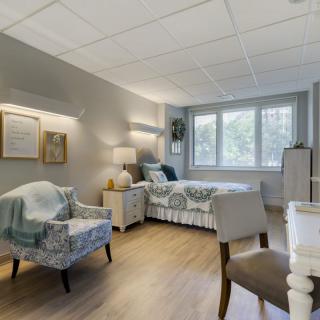
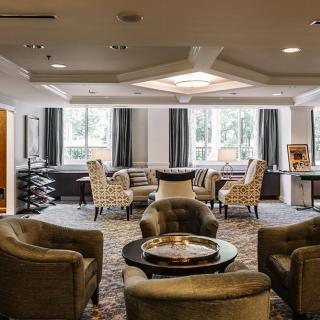
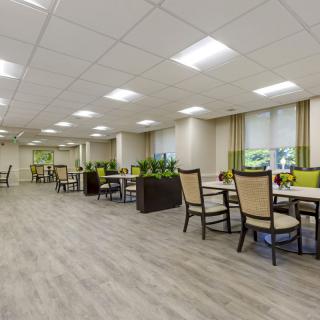
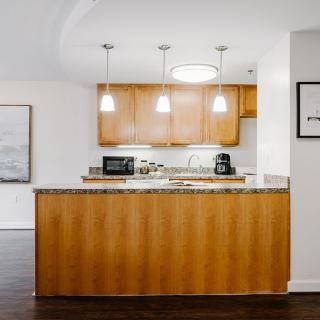
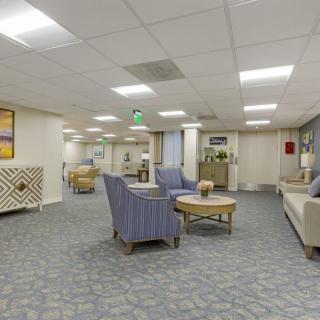
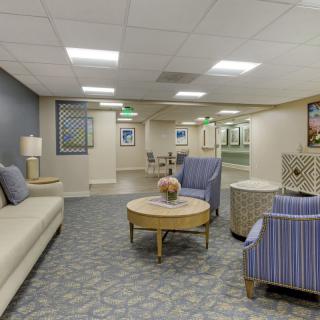
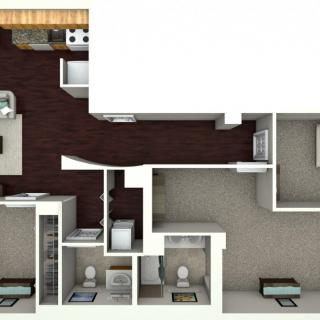
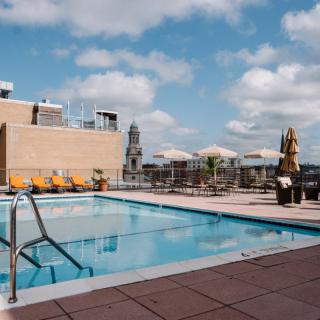
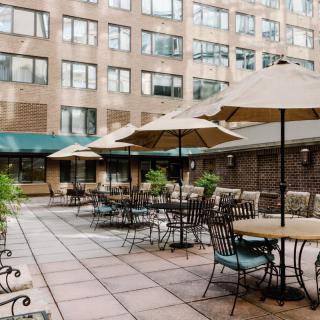
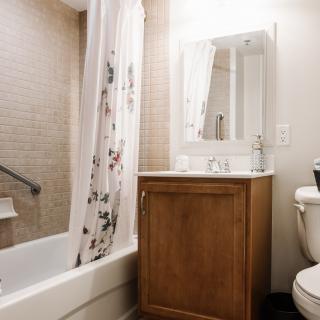
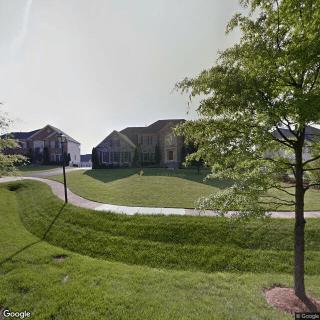
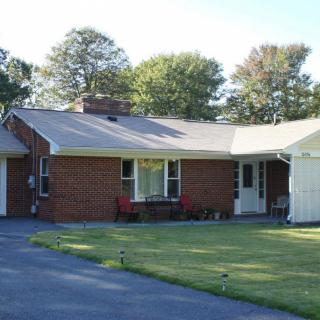
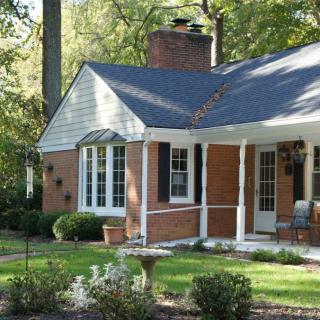
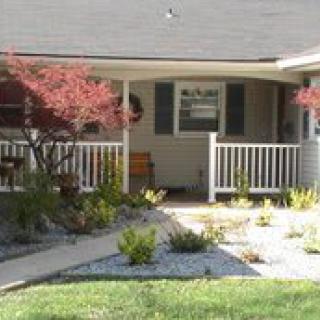
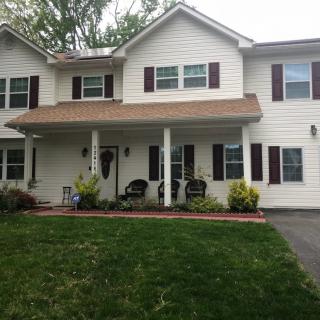
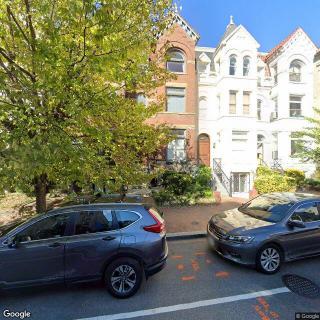
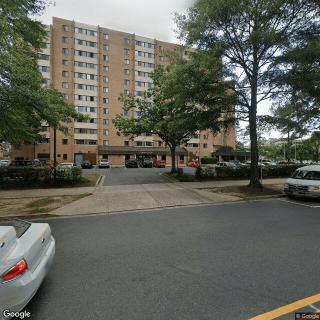
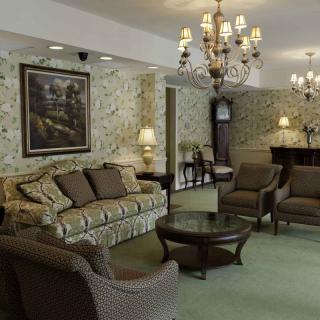
The Residences at Thomas Circle on seniors.fyi includes 46 photos including images showing interior, decor, bedroom, windows, floor plan, dining, bathroom, kitchen, and more.
Nearby Communities
Health Management Inc
Washington, DC
1 from 1 review
Excellent proximity to amenities and healthcare (cafes, parks, pharmacies, physicians, hospitals, restaurants, theaters, and transportation).
Nation Care
Washington, DC
Prime location with plentiful nearby amenities.
Omega Nursing Services
Washington, DC
Prime DC location with easy access to cafes, parks, pharmacies, healthcare, and transit.
Wholistic Habilitative Svc
Washington, DC
4 from 4 reviews
Comprehensive assisted living with on-site activities and strong nearby amenities.
Asbury Dwellings Inc
Washington, DC
3.8 from 18 reviews
Excellent access to cafes, parks, restaurants, and healthcare nearby.
TheKey of Washington, DC
Washington, DC
5 from 7 reviews
Excellent access to dining, healthcare, parks, and transit in an urban setting.
Claridge House of Arlington
Arlington, VA
3.4 from 8 reviews
Extensive nearby amenities and services (cafes, restaurants, parks, healthcare, transit, worship, and entertainment) in Arlington.
Matthews Memorial Terrace
Washington, DC
3 from 23 reviews
Excellent access to nearby amenities and healthcare.
Seabury at Friendship Terrace
Washington, DC
4.2 from 50 reviews
$1,309 to $1,517 / month
Friendly staff in a welcoming, affordable community with engaging activities.
The article examines the link between certain medications and increased dementia risk, particularly in older adults, emphasizing that long-term or high-dose use of anticholinergics, benzodiazepines, and other drug classes can exacerbate cognitive impairment. It calls for careful medication evaluation and shared decision-making to mitigate these risks while managing treatment efficacy.
The article emphasizes the significance of establishing a power of attorney for elderly parents to enable an agent to make decisions on their behalf regarding health and finances, especially during cognitive or physical decline. It outlines various types of power of attorney, the importance of consulting legal professionals, and the responsibilities and challenges faced by agents, while also discussing alternatives and common misconceptions.
Caregiver support groups are crucial for providing emotional and practical assistance to those caring for loved ones, offering resources, coping strategies, and a sense of community through various organizations and platforms. These groups help alleviate isolation and burnout while addressing the unique challenges faced by caregivers of individuals with specific conditions.
Get PricingAsk A QuestionSchedule A TourContact Senior Advisor
By clicking submit, you agree to our Partner's Terms of Use. You
also consent to receive calls and texts, which may be autodialed, from our Partner. Your consent is not a condition to
using our Partner's service. Please visit our Partner's Privacy Policy for information about their privacy practices.

 55 resident community capacity
 1-bedroom apartments
 Assisted Living
 Independent Living
 Memory Care
 Skilled Nursing Facility
 Cats allowed
 Dogs allowed
 Activities off-site
 Air-conditioning
 Beautician on-site
 Cable or satellite TV
 Computer center
 Devotional services off-site
 Dining room
 Fitness room
 Full kitchen
 Fully furnished
 Gaming room
 Garden
 Handicap accessible
 Housekeeping services
 Indoor common areas
 Laundry
 Move-in coordination
 Outdoor common areas
 Outdoor patio
 Overnight guests
 Pet friendly
 Private bathrooms
 Private patio, deck, or balcony
 Respite or short term stays offered
 Restaurant-style dining
 Small library
 Swimming pool
 Telephone
 Wellness center
 Wheelchair accessible showers
 Wi-Fi/high-speed internet available
 Ronald Reagan Washington National (4 miles away)
 Community operated transportation
 24-hour call system
 Assistance with bathing
 Assistance with dressing
 Assistance with transfers
 Diabetes diet
 Diabetic care
 High acuity care
 Incontinence care
 Medication management
 Mental wellness program
 Physical therapy
 Special dietary restrictions
 Art classes
 Bible study group
 Concierge services
 Educational speakers / life long learning
 Jewish services
 Planned day trips
 English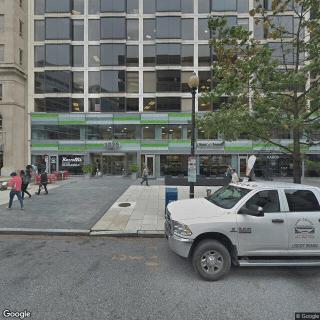
 Excellent proximity to amenities and healthcare (cafes, parks, pharmacies, physicians, hospitals, restaurants, theaters, and transportation).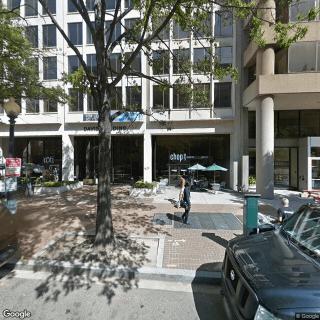
 Medications Associated with Dementia Risk: A Comprehensive Overview
 Guiding Your Journey: Understanding Power of Attorney for Elderly Parents
 22 Remarkable Caregiver Support Groups Available Online and In-Person