
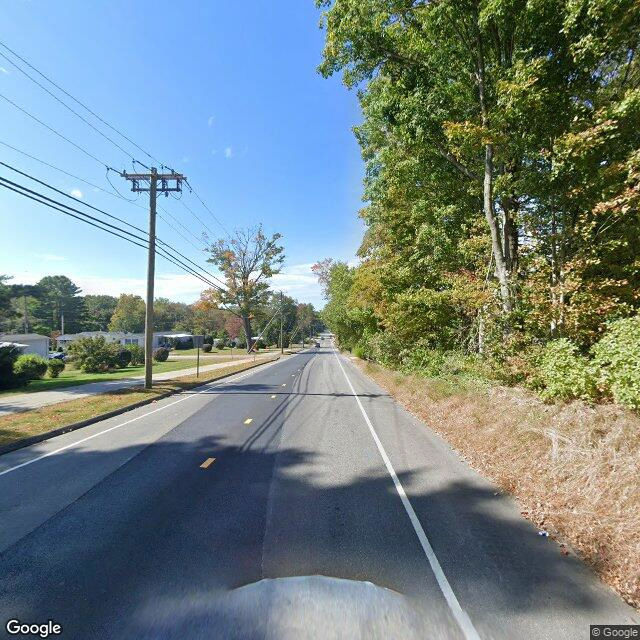
Route 44/Ridge Circle, Storrs, CT 06268
To contact a resident: (860) 793-0281
For more information about senior living options: (866) 208-4318
Overall Review of Rolling Hills
Pros
 Ellen provided outstanding, professional service and made the buyer feel at home before moving in.
- The new modular units are well made.
- People are very friendly.
- The community is well run.
- Long-time residents describe the community as the best.
Cons
 Sun is only motivated by money.
- Many people miss Jensen's; it used to be more family- and people-oriented.
- It is no longer the friendly park it used to be.
- The reviewer would give 0 stars if possible; the office was closed and there was no follow-up.
- There are increasing negative reports about this place, described as a blessing in disguise.
- It is sad that a family-run operation is selling out to a large corporation.
Review
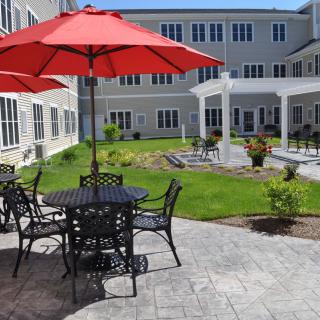
Rolling Hills in Storrs, CT is best suited for 55-plus buyers who want a practical, low-maintenance home base with newer modular options and a resident-driven social environment. The community has been modernizing its offerings, replacing older units with well-made modular homes, and maintaining a tidy, well-kept site with ongoing improvements. For buyers who value independence within a clearly age-restricted setting, Rolling Hills provides straightforward ownership: a newer home, a predictable lot rent (about $480 per month), and the freedom that comes with a single-family-like neighborhood atmosphere. It is not a care-focused facility; it is a neighborhood where residents manage daily life with a sense of shared purpose and continuity, albeit under corporate ownership.
Those who may want to consider alternatives are primarily prospective buyers seeking a more intimate, family-run feel or a highly responsive buyer experience. Several reviews signal a shift away from the old family-operated culture toward a large corporate owner, with lingering concerns that profit motives could overshadow resident-centered service. Prospective purchasers who require prompt, face-to-face engagement, immediate showings, or a consistently hands-on sales process may encounter uneven communication, an office occasionally appearing inaccessible and delayed callbacks. For families who still yearn for the Jensen’s-era warmth and personal touch, this shift can be a decisive dealbreaker.
On balance, the pros at Rolling Hills are tangible and meaningful. The site’s maintenance is steady, and the upgrades underway translate into a more comfortable living environment with reduced maintenance hassles. The new modular homes are presented as well-constructed and modern, offering a noticeable upgrade over older stock. The community benefits from a collegial, friendly resident base, and competent staff who can help during the transition into a new home. Ellen, in particular, emerges as a standout in the sales office, delivering a level of professional, supportive service that helps families feel at home before they move in.
The main drawbacks center on ownership and culture. The transition from a family-run operation to a large corporate owner has bred concerns about whether the focus remains on resident welfare or on bottom-line performance. Several reviewers describe the current climate as more money-driven, with a sense that cash sales and rapid expansion can overshadow individualized attention. Communication gaps, especially for prospective buyers seeking timely information and access to interior showings, reinforce a perception of transactional rather than relational service. The price point, new units around $200k and row-rent in the mid-range, poses a hurdle for some, and the nostalgia for Jensen’s underscores a deeper unease about the community’s changing heart.
Where Rolling Hills earns its keep is in how the positives intersect with real buyer needs. The refreshed physical environment, modern homes, well-maintained grounds, and visible upgrades, delivers clear, long-term value. The 55-plus framework remains a strong guarantee of social structure, safety, and predictable programming, which can offset concerns about corporate governance for residents who prioritize stability and camaraderie over handholding. A capable sales experience, demonstrated by Ellen’s performance, shows that attentive, personalized service can still shine amid broader organizational shifts. For buyers who value a practical, sociable, and relatively affordable setting, these elements often outweigh the drawbacks.
In the end, Rolling Hills represents a practical, solid option for seniors who want a newer home, a well-run site, and a welcoming, neighborly community, and who can tolerate some cultural and procedural shifts that accompany corporate ownership. It may be less suitable for those who prize a strongly hands-on, family-led atmosphere, or who require exceptionally rapid, highly responsive customer care and a consistently lower price point. For such buyers, alternatives, particularly Jensen’s legacy communities or other 55-plus neighborhoods with more transparent ownership and a more resident-centered service ethos, are worth exploring. The decision hinges on whether modernization and sociability outweigh a softer, more personal ownership culture.
 Active Adult Communities (55+)
 Cats allowed
 Dogs allowed
 Bradley International (22 miles away)

 Understanding Hospice Care at Home: Comprehensive Services, Key Benefits, and Eligibility
 Understanding the Full Cost of 24/7 In-Home Care: A Detailed Overview
 Exploring the World of Home Health Nurses: Qualifications, Roles, and Hiring Tips