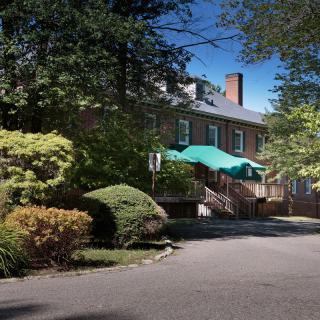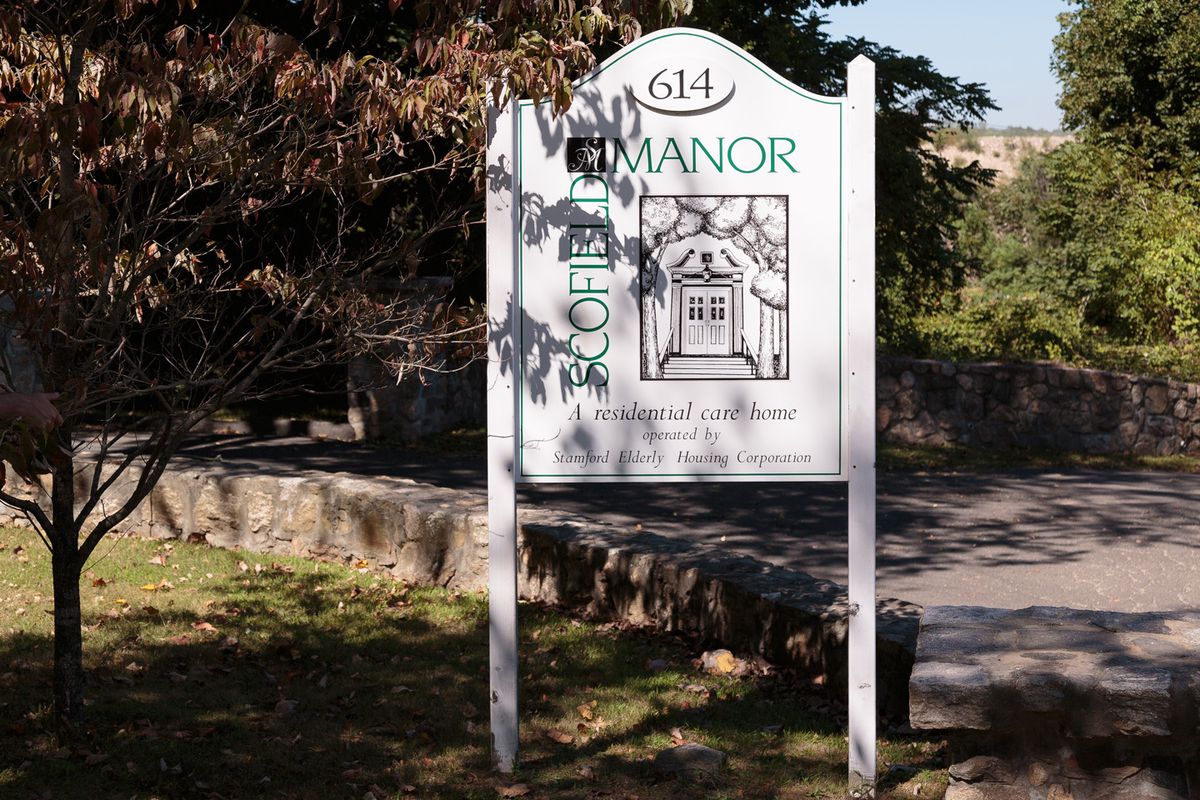
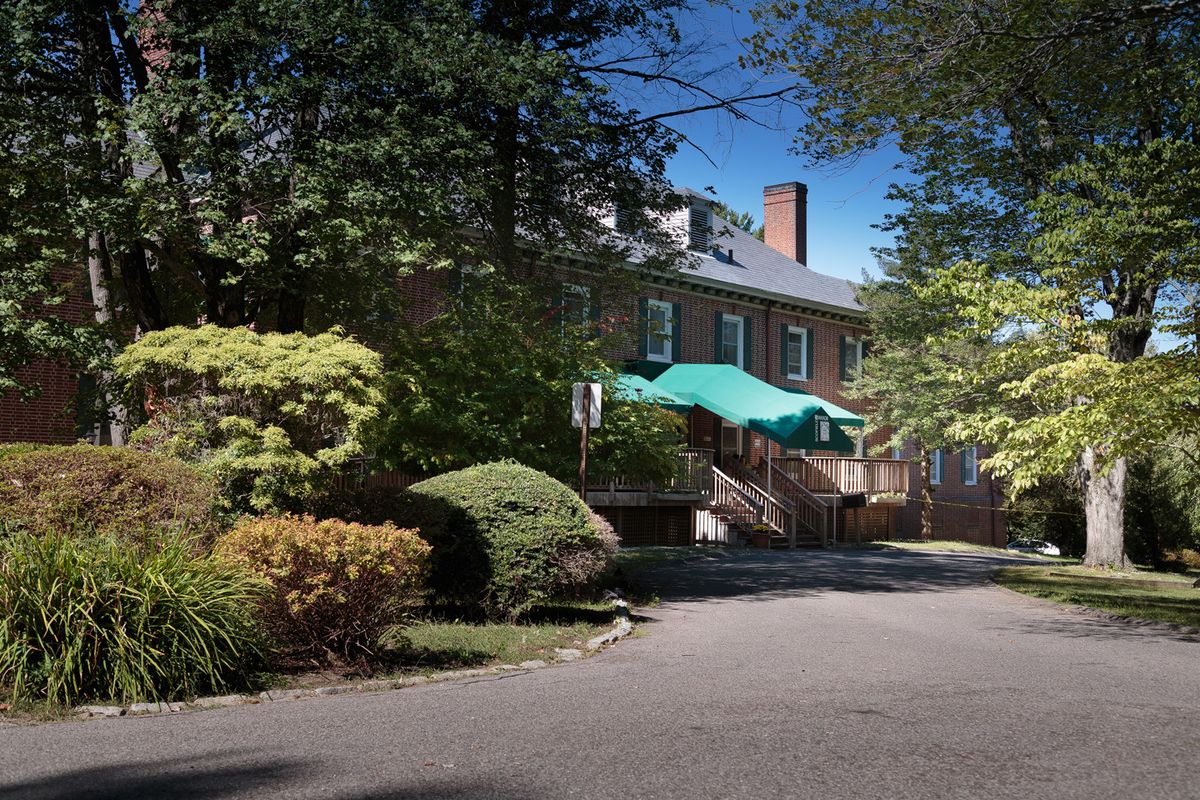
614 Scofieldtown Road, Stamford, CT 06903
For more information about senior living options: (866) 208-4318
Scofield Manor Costs & Pricing
Scofield Manor offers a semi-private room option at a competitive rate of $3,900 per month. This pricing stands in stark contrast to the average costs in Fairfield County, where similar accommodations are priced at approximately $6,677, and even more so compared to the statewide average in Connecticut of about $5,829. By choosing Scofield Manor, residents can enjoy quality care in a welcoming environment while benefiting from significant savings relative to both county and state averages. This affordability positions Scofield Manor as an appealing option for those seeking supportive living arrangements without compromising on quality or comfort.
| Floor plans | Scofield Manor | Fairfield County | Connecticut |
|---|---|---|---|
| Semi-Private | $3,900 | $6,677 | $5,829 |
Assisted Living communities with a similar price nearby
-
About the same
Bethel Health Care Center
$3,995 / month21.5 miles away -
from +$600 / mo

Spring Village Stratford
$4,500 to $8,000 / month24.9 miles away -
from +$675 / mo

Sturges Ridge of Fairfield
$4,575 to $10,100 / month15.2 miles away -
from -$400 / mo
Crestview Manor ALF
$3,500 to $4,800 / month13.2 miles away -
About the same

Gardens
$4,000 to $6,300 / month20.0 miles away
Overall Review of Scofield Manor
Pros
 The facility is a nice, clean place.
Cons
 There are bedbugs.
- The food is bad.
- The WiFi is poor.
- There are no outdoor activities.
- The facility is run down and poorly maintained.
- Half the aides treat residents as children or nuisances.
- Supper is served at 4:00 p.m., and there is no food until 8:00 the next morning.
- Residents are paid late on the tenth.
- It is an unhappy place to live or work.
Review
Scofield Manor in Stamford is best suited for seniors who can manage with limited hands-on assistance and who value a straightforward, tidy living environment over a vibrant activity calendar or consistently polished service. The property presents as a clean, basic setting, and for residents who can tolerate sparse programming and uneven support, it can function as a quiet place to reside. Potential residents must be comfortable with less frequent interactions from staff and with a schedule that does not revolve around constant caregiving or regular social events. In other words, this community works for individuals who can supplement care through outside help or personal independence rather than relying on the facility for daily structure.
Families and residents who require strong clinical oversight, predictable meals, timely care, and consistently respectful staff should consider alternatives. The most persistent red flags in the reviews point to pests, maintenance neglect, and a dining routine that fails to meet basic expectations. The combination of bedbugs, a severely constrained dining schedule, and meals served as early as 4:00 p.m. with a long gap until morning creates a mismatch with typical senior needs. Add to that staff attitudes described as dismissive or punitive, and the case for seeking a more responsive operator becomes clear. A facility with such gaps rarely stabilizes without a major turnaround.
One tangible strength appears to be cleanliness in at least some areas, and a simple, uncluttered environment can be a meaningful comfort for residents who value order. Yet this positive is easily outweighed by broader maintenance and safety concerns. When infrastructure appears run down and maintenance lags, the sense of security evaporates even in a space that looks neat at a glance. The absence of outdoor activities compounds the issue, leaving residents with limited opportunities to engage, exercise, or socialize beyond the four walls and whatever quiet routines staff can muster. The contrast between cleanliness and neglect is telling and should guide decision-making.
The core cons hit hardest on daily life. Bedbugs signal ongoing pest control failures and create real discomfort and anxiety for residents and families. Food service timing is dysfunctional: a 4:00 p.m. supper and no nourishment until eight hours later erodes energy, mood, and appetite, particularly for residents who wake or need nourishment at night. Poor WiFi reduces the ability to connect with family, telehealth, or entertainment in a setting that increasingly relies on digital means for engagement. Maintenance lapses translate into a palpable sense of neglect, sinks, plumbing, or room issues that persist, and the impression of staff treating residents as nuisances further undermines safety and dignity. Payroll irregularities, residents getting paid late, also hint at instability behind the scenes. Taken together, these factors create a trajectory toward dissatisfaction unless significant improvements occur.
For families still weighing options, the prudent course is to test the place with a concrete checklist: observe a meal period to verify timing and quality, inspect for signs of pests and cleanliness across multiple areas, assess WiFi strength in common spaces and resident rooms, and speak candidly with residents about daily interactions with aides. Question the maintenance response time and track any patterns of neglect, and push for up-to-date information about staffing ratios and turnover. If activities are a driver, request a current schedule and ask whether residents have opportunities for supervised outdoor time or community engagement. These steps help separate the rare, stable experiences from the troubling patterns described by several residents.
Bottom line: Scofield Manor does not meet the standard many families expect for steady care, predictable routines, and respectful treatment. It may serve only a narrow niche, one where cleanliness and quiet are prioritized over robust programming, timely meals, and responsive staff. For anyone whose priorities include pest control, reliable dining, proactive care, and meaningful daily engagement, alternatives should be the default move. If considering Scofield Manor, proceed with a disciplined, evidence-based visit, demand a recent, comprehensive tour of common areas and resident rooms, and demand concrete commitments on pest management, meal timing, staff training, and maintenance response.
 22 resident community capacity
 Assisted Living
 Board and Care Home
 Activities on-site
 Beauty salon
 Cable or satellite TV
 Devotional services off-site
 Dining room
 Fully furnished
 Garden
 Housekeeping services
 Indoor common areas
 Kitchenette
 Move-in coordination
 Outdoor space
 Telephone
 Wi-Fi/high-speed internet available
 Westchester Cty (9 miles away)
 24-hour call system
 Ambulatory care
 Assistance with bathing
 Assistance with dressing
 Assistance with transfers
 Diabetes diet
 Diabetic care
 Meal preparation and service
 Medication management
 Mental wellness program
 Special dietary restrictions
 Transportation arrangement (medical)
 Transportation to doctors appointments






 An Extensive Exploration of the VA Aid and Attendance Benefit
 Senior Transition Services: Understanding Their Role, Cost, and Importance
 Exploring the Path to Senior Living: A Comprehensive Look at Independent Living and Assisted Living