










26 Smith Street, Seymour, CT 06483
For more information about senior living options: (866) 208-4318
Overall Review of Smithfield Gardens Assisted Living
Pros
 The facility is convenient and close to residents’ homes, enabling easy visits.
- The staff are very nice and courteous.
- It provides comprehensive care, including laundry, cooking, and medication management.
- Utilities are included in rent, and cable TV is provided, offering good value.
- The facility is described as beautiful with a super staff and is regarded as a top pick in Connecticut.
- The apartments are nice and larger than those at some other places, with friendly staff.
- It offers activities such as crafts, exercise, and musical programs, with a pleasant dining room.
- Bus service is available for appointments, providing convenient transportation.
- The place is subsidized and more affordable than many other options.
Cons
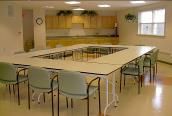
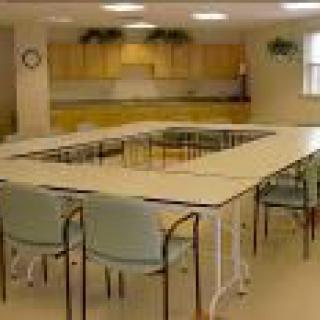
 The community area was very small.
- The place was all dated.
- They changed the policy and said small pets would be acceptable, but then they said they’re not.
- It wasn't as nice as comparable places.
- The facility isn't brand new and shiny.
Review
Smithfield Gardens Assisted Living in Seymour, CT is best suited for seniors who need steady daily assistance but operate on a tight budget and still want to be close to family. The community’s strongest selling point is affordability paired with concrete services: subsidized, income-based pricing, utilities and cable included, and hands-on help with laundry, meals, and medications. For families where a loved one requires regular support yet does not have the means for private-pay options, this facility offers a practical, predictable path forward. The proximity to home also makes routine visits easy, which matters for ongoing involvement and reassurance.
Those evaluating Smithfield Gardens should consider alternatives if luxury, scale, or a high-end amenity list are non-negotiables. The campus is compact and dated in feel, with a small common area and a layout that can feel confining next to a neighboring apartment building. This is not a glossy, resort-like setting, and the visible emphasis is on essential services and affordability rather than expansive social spaces or cutting-edge décor. Couples or individuals with higher income expectations, a desire for a broad menu, or an expansive activities calendar may well be better served elsewhere.
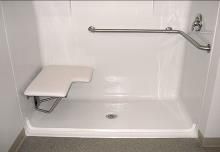
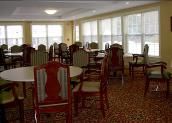
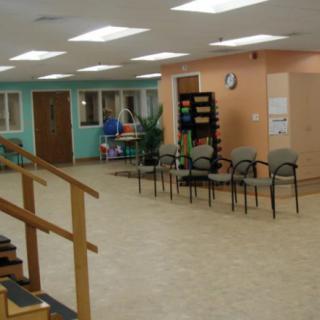
On the positive side, the operational strengths align well with practical caregiving needs. The staff repeatedly comes across as nice and courteous, and families can count on real engagement from caregivers who understand the routines of daily life, medication administration, cooking, and laundry included. The facility’s practical design features, such as walk-in showers and a choice of room sizes (studio or one-bedroom), help residents maintain a degree of independence without sacrificing safety. The dining room, porch or patio, and the presence of structured activities, crafts, exercise, and even physical therapy on site all contribute to a livable rhythm that keeps daily life manageable. For residents with limited means, these tangible conveniences can offset the lack of luxury amenities.
Yet there are clear considerations that may temper enthusiasm for Smithfield Gardens. The most common critique centers on the small footprint and dated ambiance; the “feel” is more utilitarian than aspirational, and the smaller common areas can limit spontaneous social interaction. Menu variety and the breadth of off-site activities aren’t as robust as what some competitors offer, which matters to residents who thrive on daily stimulation or want a busier calendar. There are occasional misgivings about consistency and scope of maintenance, and one review notes a policy flip regarding pet allowances that can be confusing at intake. For couples, an income cap or complex income calculations may also complicate planning.
These strengths and limitations cohere into a practical calculus: Smithfield Gardens delivers essential care at an affordable, predictable price point without requiring the resident to surrender independence or family involvement. For a senior who prioritizes steady support, proximity to loved ones, and the peace of mind that comes with utilities included and on-site assistance, the offsetting benefits far outweigh the drawbacks. The intimate campus size fosters reliable attention from staff, the walk-in shower and adaptable accommodation options support mobility, and the on-site programs sustain social engagement without incurring high costs. In other words, the model works for the intended population: budget-conscious individuals who want reliable daily care with accessible visits from family.
Final guidance centers on fit: Smithfield Gardens is a strong match for a single senior or a couple who value affordability, straightforward care, and a friendly staff more than a premium setting. It is less appropriate for those chasing a high-end environment, a sprawling campus, or an ambitious off-site activity roster. Prospective residents should verify current subsidy specifics, confirm whether a shared occupancy arrangement is possible for couples, and clarify exact inclusions (medications, transportation, and any limits on utilities or services). Tours should probe the maintenance responsiveness, the latest dining offerings, and the level of social programming. If these factors align with budget-conscious expectations and the resident’s need for practical support, Smithfield Gardens stands out as a steady, honest choice; if not, it’s wise to pursue alternatives that prioritize upscale amenities and richer programming.
 22 resident community capacity
 Assisted Living
 Board and Care Home
 Activities on-site
 Beauty salon
 Cable or satellite TV
 Devotional services off-site
 Dining room
 Fully furnished
 Garden
 Housekeeping services
 Indoor common areas
 Kitchenette
 Move-in coordination
 Outdoor space
 Telephone
 Wi-Fi/high-speed internet available
 24-hour call system
 Ambulatory care
 Assistance with bathing
 Assistance with dressing
 Assistance with transfers
 Diabetes diet
 Diabetic care
 Meal preparation and service
 Medication management
 Mental wellness program
 Special dietary restrictions
 Transportation arrangement (medical)
 Transportation to doctors appointments




 Beyond the Bingo Hall: 50+ Enriching Activities for Seniors in Assisted Living
 Understanding the Distinctions: Assisted Living and Memory Care Explained
 Guiding Elderly Parents Who Refuse Assisted Living: 6 Practical Steps