
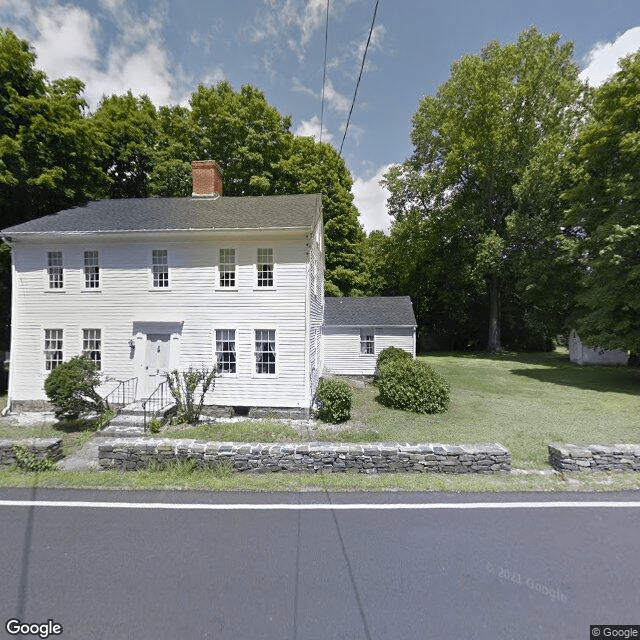
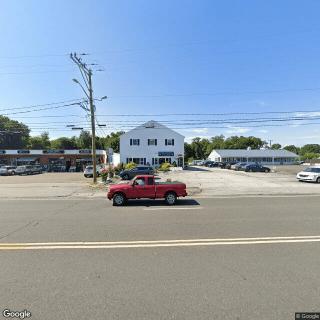
1251 S Main St, Middleton, CT 06457
To contact a resident: (516) 287-5735
For more information about senior living options: (866) 208-4318
Meadowbrook Manor Costs & Pricing
Meadowbrook Manor offers competitive pricing for its accommodations compared to the broader costs in Middlesex County and the state of Connecticut. For a semi-private room, residents can expect to pay $2,900 per month, significantly lower than the county average of $4,704 and the state average of $5,829. Similarly, the cost for a one-bedroom unit at Meadowbrook Manor is set at $3,100, which is notably more affordable than the Middlesex County rate of $8,981 and even below Connecticut's average of $6,383. This positioning not only highlights Meadowbrook Manor's commitment to providing quality care but also ensures that residents receive excellent value in a supportive environment.
| Floor plans | Meadowbrook Manor | Middlesex County | Connecticut |
|---|---|---|---|
| Semi-Private | $2,900 | $4,704 | $5,829 |
| 1 Bedroom | $3,100 | $8,981 | $6,383 |
Assisted Living communities with a similar price nearby
-
from +$400 / mo

East Ridge Manor
$3,300 / month21.5 miles away -
from -$500 / mo

Sheltering Arms
$2,400 / month21.8 miles away -
from +$100 / mo
The Village At Mariner’s Point
$3,000 to $5,900 / month25.0 miles away -
from -$500 / mo

Peconic Retreat Adult Home
$2,400 to $2,600 / month23.6 miles away -
About the same
Essex Village Manor
$2,900 to $3,100 / month1.1 miles away
Overall Review of Meadowbrook Manor
Pros
 The facility is great.
- The caretakers are very loving and friendly to everyone there.
- Residents seem very happy.
- The staff are caring and friendly.
- The rooms appear well maintained.
Review
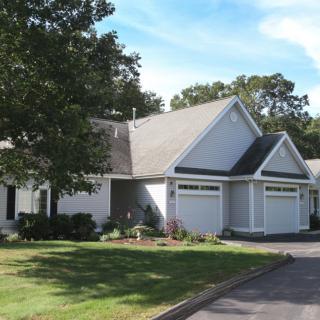
Meadowbrook Manor in Middleton, CT is best suited for seniors who want a warm, neighborly environment where frontline caregivers know residents by name and daily life centers on personal connection, kindness, and predictable routines. The community shines for families seeking a genuinely caring atmosphere, where staff are described as loving and approachable and where residents appear content and engaged. The setting itself, well maintained rooms and a facility that projects pride in its appearance, supports a sense of stability that many families value when transitioning a loved one into assisted living. The presence of visible community ties, such as outreach by the Rabbinical Institute of New England, signals a culture that values inclusion and meaningful interaction beyond the basics of care.
Those who should consider alternatives are families prioritizing intensive medical management, specialized memory care, or a facility with a deeper clinical apparatus on site. Meadowbrook Manor does not present itself as a high-acuity medical hub, and two 1-star reviews among eight suggest that experiences can diverge, underscoring the need for due diligence. Prospective residents should verify the availability of on-site nursing, the timeliness of responses to care needs, and the breadth of medical services offered. If a higher level of clinical oversight, more structured memory-care programming, or greater size and variety of care options are essential, alternatives may deliver more comfort and predictability.
The strongest offsets to potential drawbacks lie in tangible quality of life and the emotional climate. The facility earns consistent praise for caring staff and happy residents, which translates into fewer daily friction points and a smoother adjustment for newcomers. When care teams radiate warmth and consistency, check-ins feel less like task-driven interruptions and more like thoughtful, ongoing support. The well-kept rooms and orderly environment reinforce a sense of safety and respect for personal belongings, while the visible friendliness of staff helps mitigate the anxiety that often accompanies a move into assisted living. In short, daily life at Meadowbrook Manor tends to be a reliable anchor for families seeking steadiness and relational strength.
Leadership and community engagement also count. Visitors from outside organizations report positive, welcoming experiences, and the overt connection to a broader community signals that staff and residents are treated as part of a respectful ecosystem rather than isolated care episodes. This matters because it suggests staff turnover is managed with continuity in mind and that resident well-being is reinforced by relationships beyond the caregiving team. However, the absence of detailed public information about medical staffing levels, memory-care options, and care-plan customization means families should drill down on those specifics during tours and conversations. The overall tone is promising, but concrete assurances are essential for anyone weighing higher-need scenarios.
For families moving forward, practical diligence is essential. Schedule a formal tour and bring a list of questions about nurse availability, on-site physicians, and how care plans are updated and communicated. Ask for a typical staffing ratio during peak hours, evidence of individualized activity programming, dining options, and consistency of daily schedules. Seek transparent information about costs, what services are included, and what triggers additional charges. Request examples of care plans for residents with mobility or cognitive needs, and clarify how transitions to higher levels of care are handled, including wait times and contractual implications. Finally, contact current residents or their families to gauge satisfaction with responsiveness and the tone of daily life.
Bottom line: Meadowbrook Manor is a solid choice for seniors who prize a responsive, affectionate caregiving culture and a well-maintained living environment infused with authentic community ties. It excels as a homey, people-centered option where residents appear happy and staff are deeply engaged with their well-being. Yet families needing intensive clinical oversight, advanced memory-care programming, or a larger medical footprint should explore alternatives to ensure the level of care aligns with emerging health needs. A thoughtful visit, coupled with targeted questions about staffing, care planning, and cost structure, will reveal whether Meadowbrook Manor fits the family’s specific expectations and the resident’s care trajectory.
 Assisted Living
 Activities off-site
 Beautician on-site
 Devotional services on-site
 Indoor common areas
 Outdoor common areas
 Respite or short term stays offered
 Ambulatory care
 Diabetic care
 Incontinence care
 Meals provided



 Understanding Medicaid Coverage for Assisted Living: A Comprehensive Guide
 How and When Medicaid May Cover Assisted Living Costs
 A Detailed Exploration of Assisted Living Medicaid Waivers Across the United States