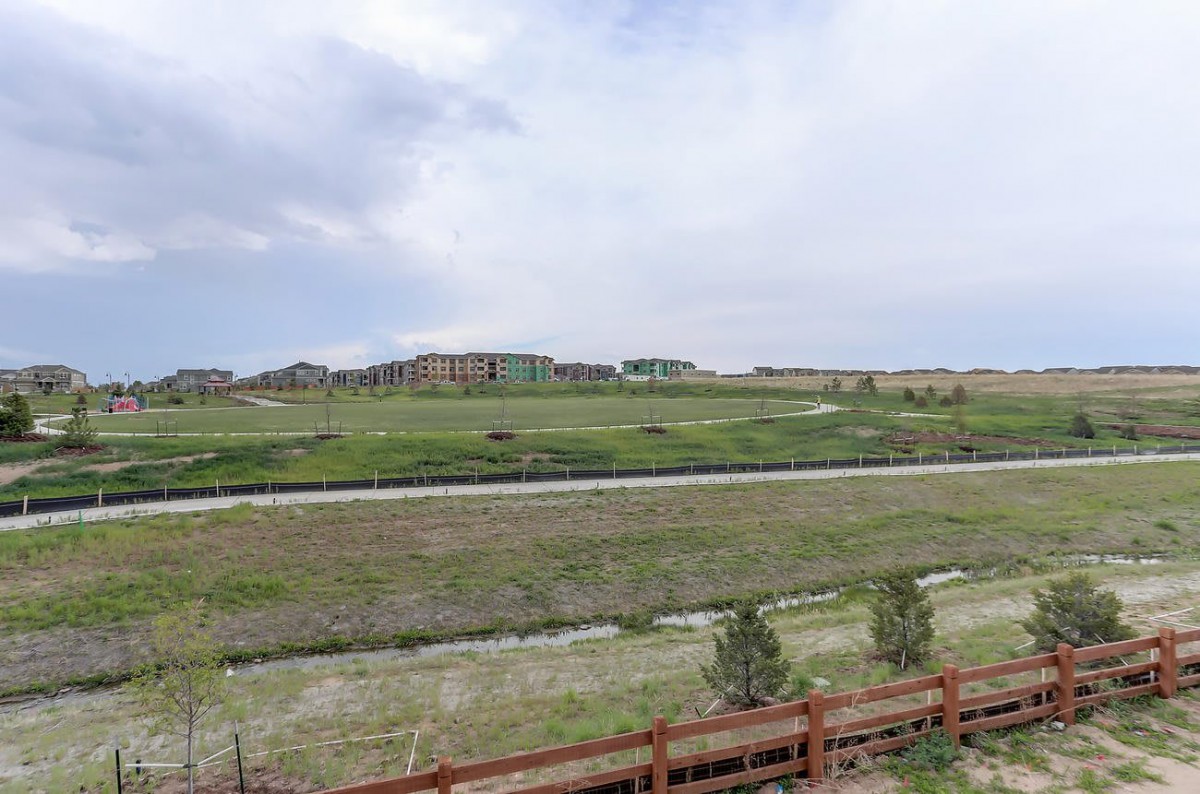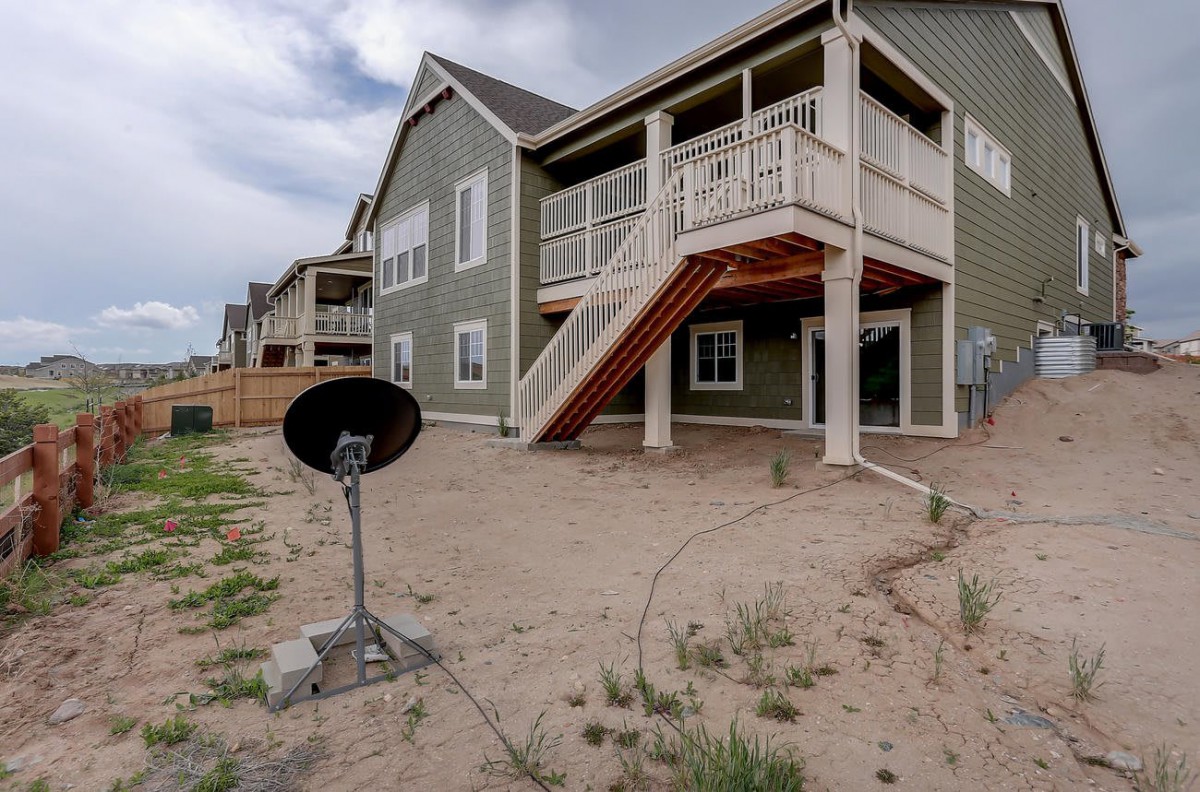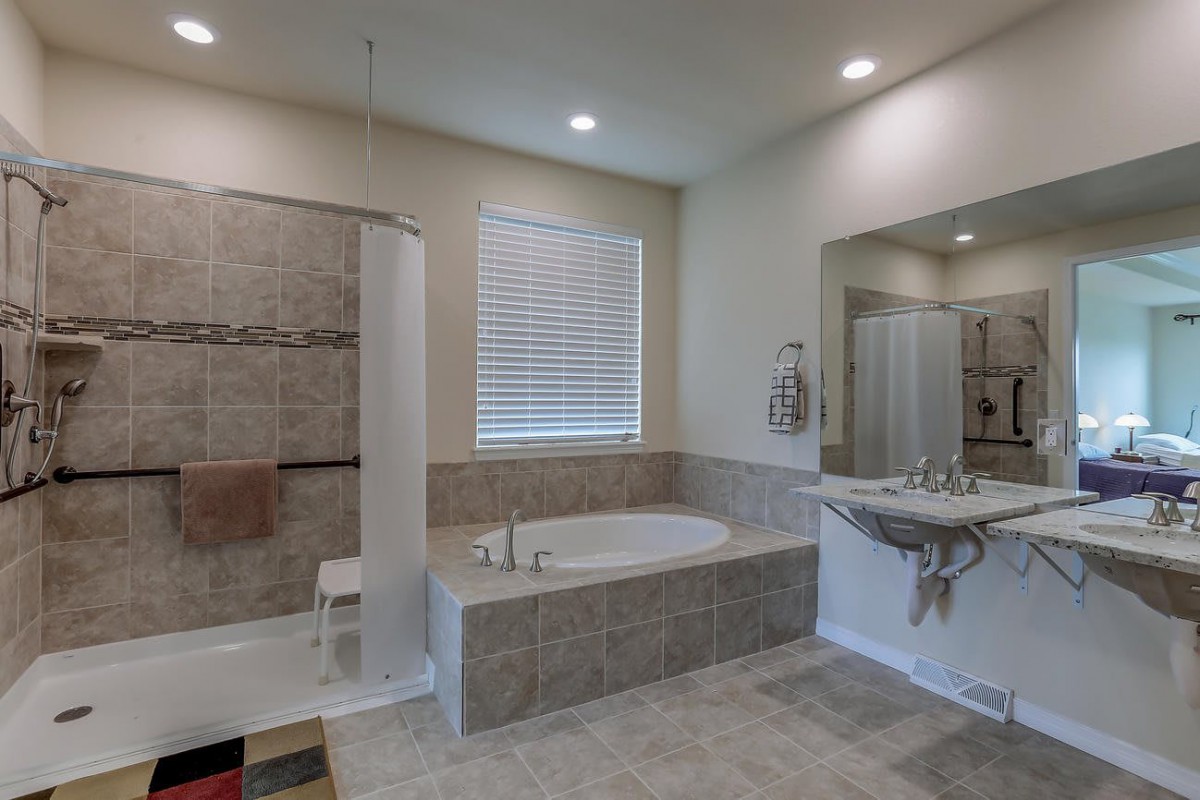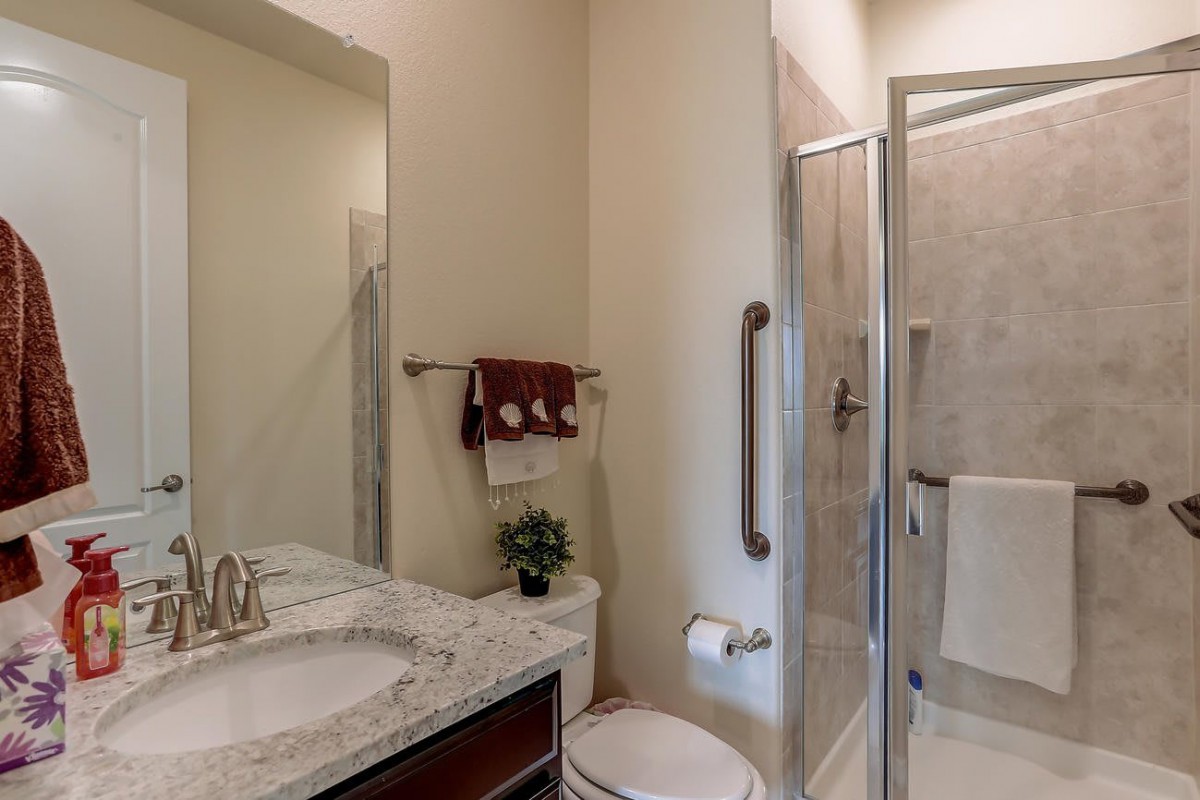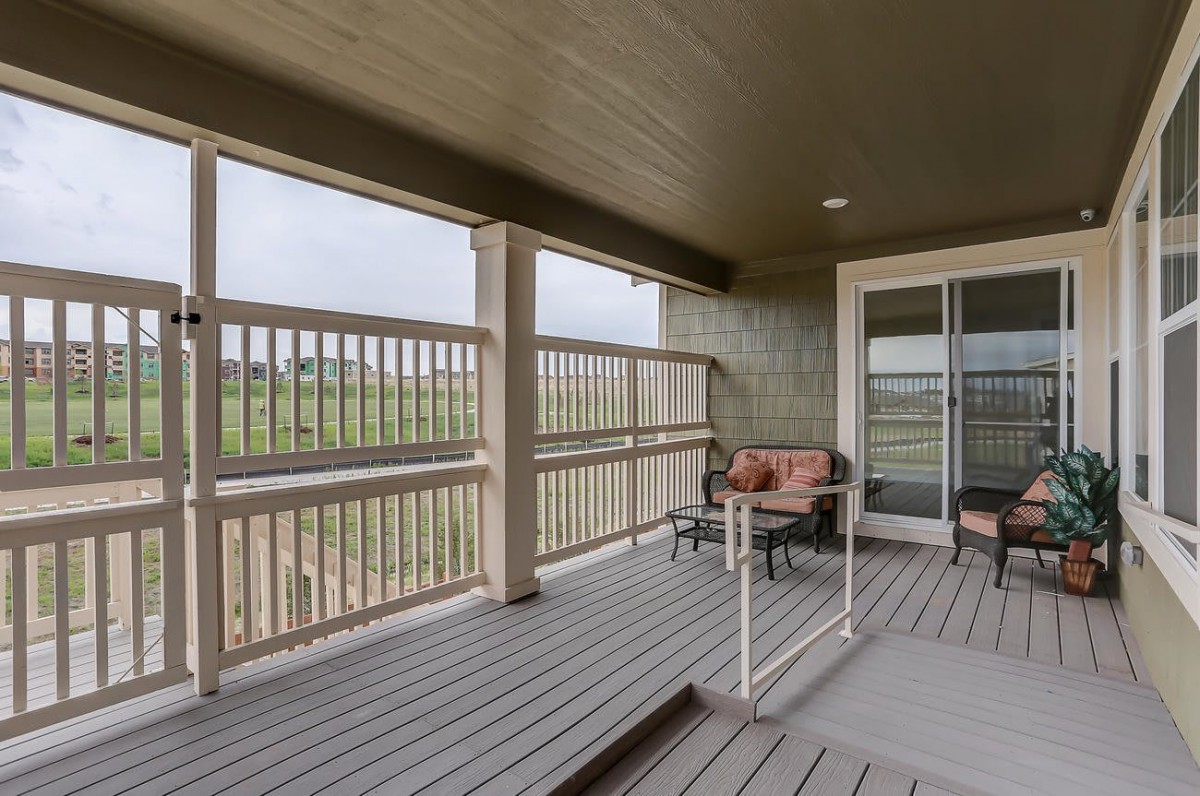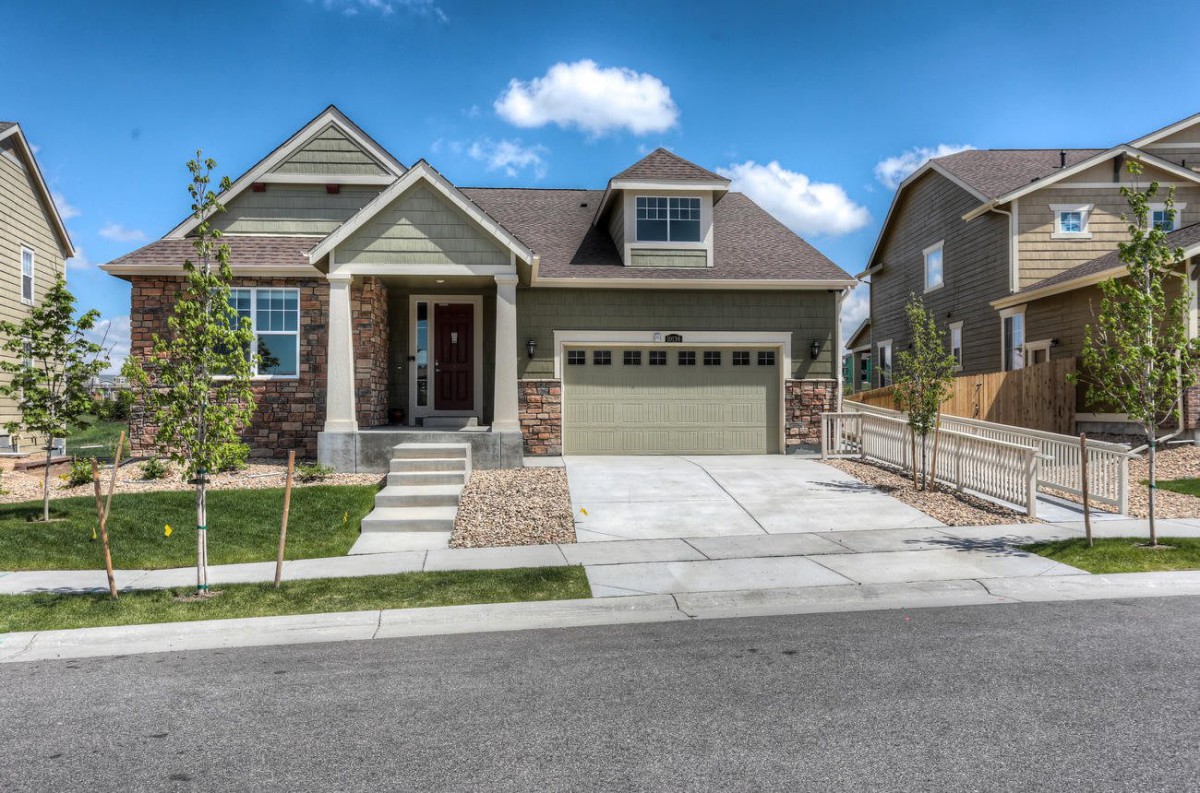
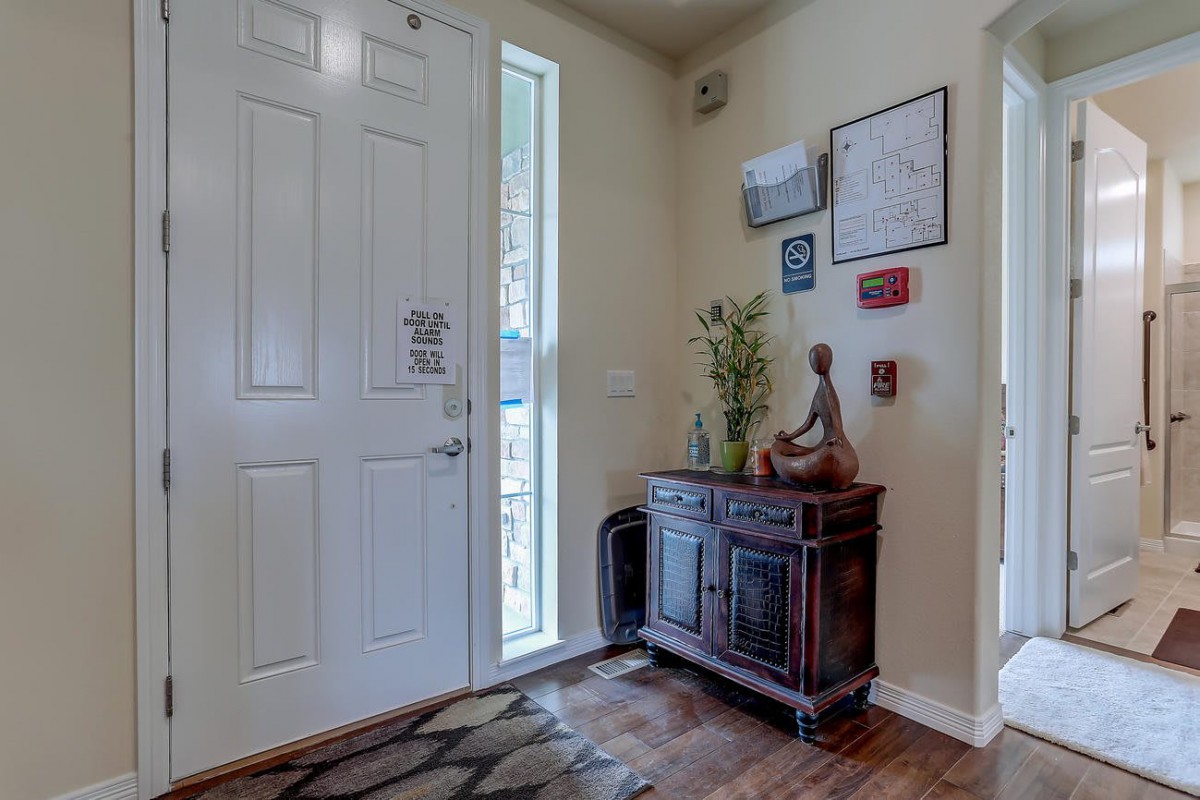
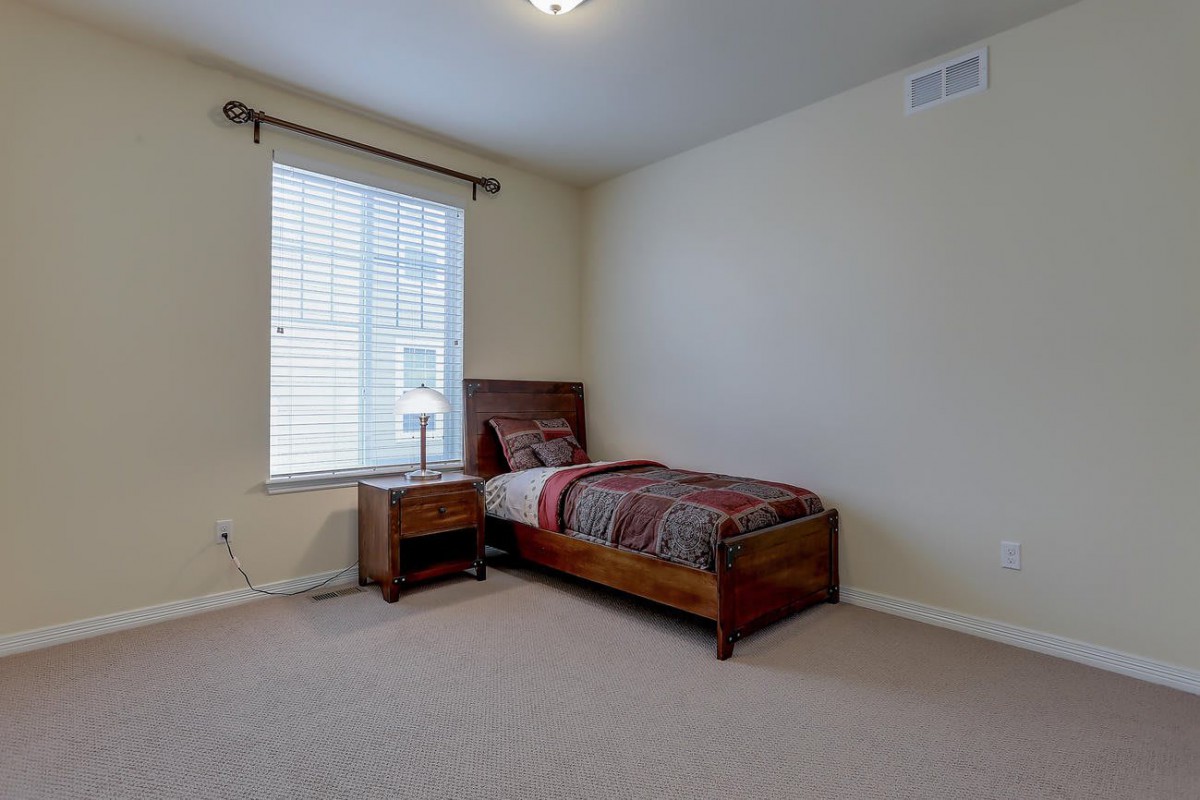
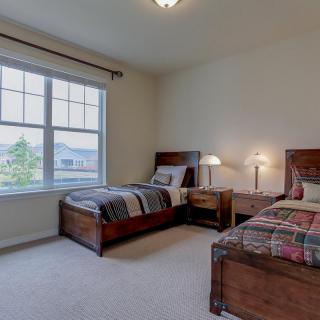
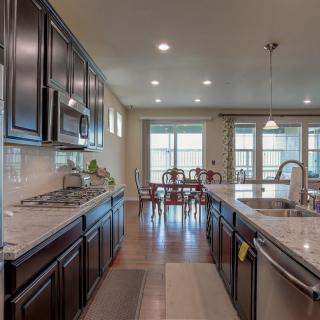
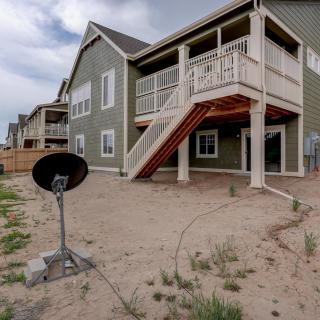
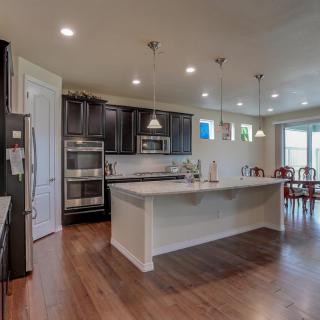
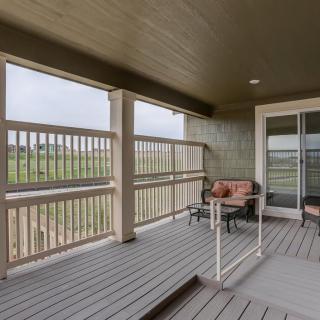
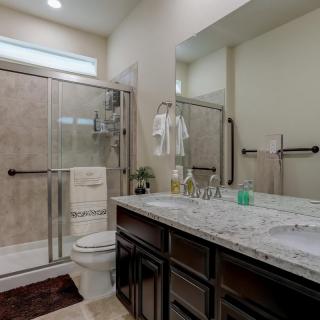
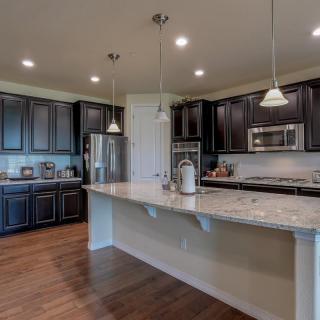
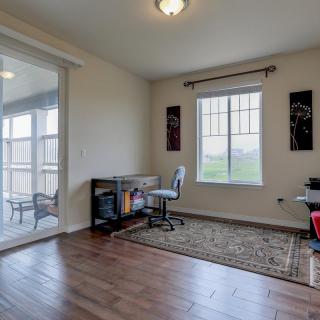
10136 Isle Street, Parker, CO 80134
For more information about senior living options: (866) 208-4318
Senior Living At The Sierra Ridge Costs & Pricing
Senior Living At The Sierra Ridge offers competitive pricing for its residents compared to both Elbert County and the broader state of Colorado. For a semi-private room, the monthly cost is $3,200, which is substantially lower than the county average of $3,895 and the state average of $4,009. Similarly, for a one-bedroom unit, Sierra Ridge again presents an attractive option at $4,000, notably less than Elbert County's average of $4,682 and slightly higher than the statewide figure of $4,119. Private rooms at Sierra Ridge are priced at $4,000 as well, which is comparable to Elbert County's $4,467 but still favorable against Colorado's $4,142 average. Overall, Senior Living At The Sierra Ridge provides a cost-effective alternative while maintaining quality care and comfort for seniors in a desirable location.
| Floor plans | Senior Living At The Sierra Ridge | Elbert County | Colorado |
|---|---|---|---|
| Semi-Private | $3,200 | $3,895 | $4,008 |
| 1 Bedroom | $4,000 | $4,682 | $4,118 |
| Private | $4,000 | $4,467 | $4,142 |
Overall Review of Senior Living At The Sierra Ridge
Pros
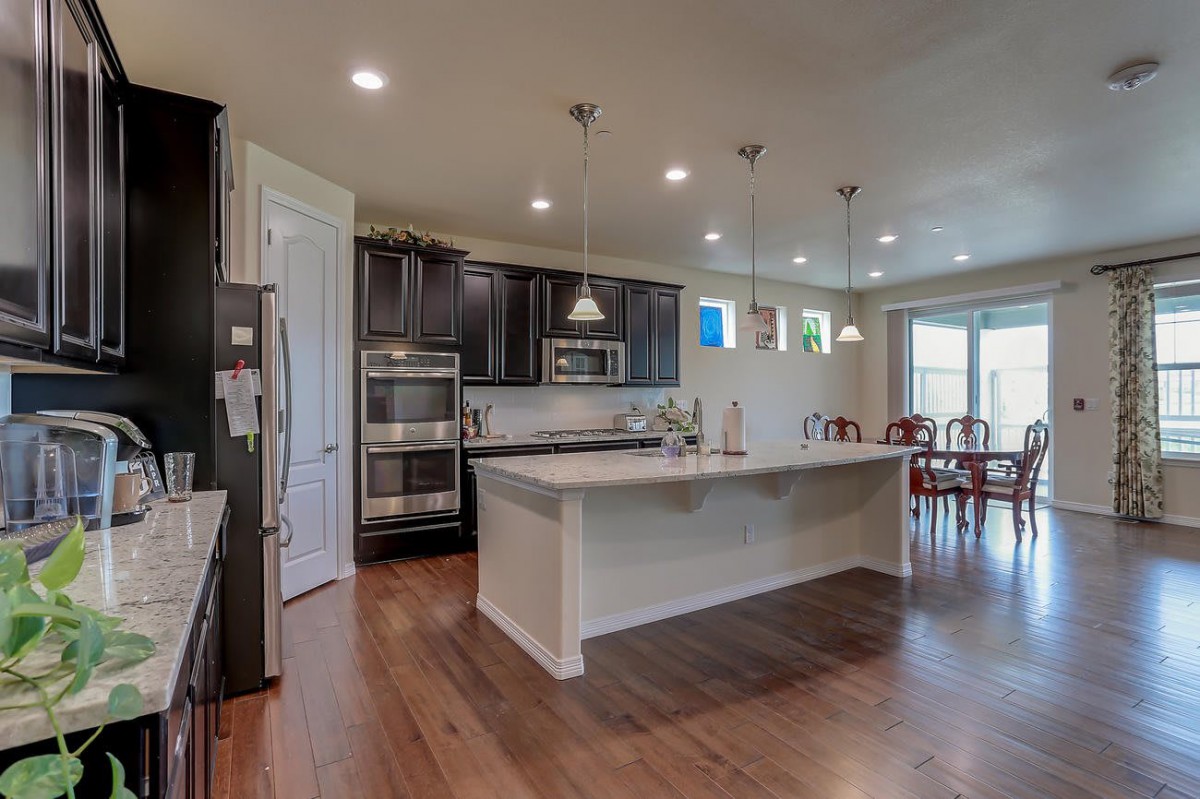
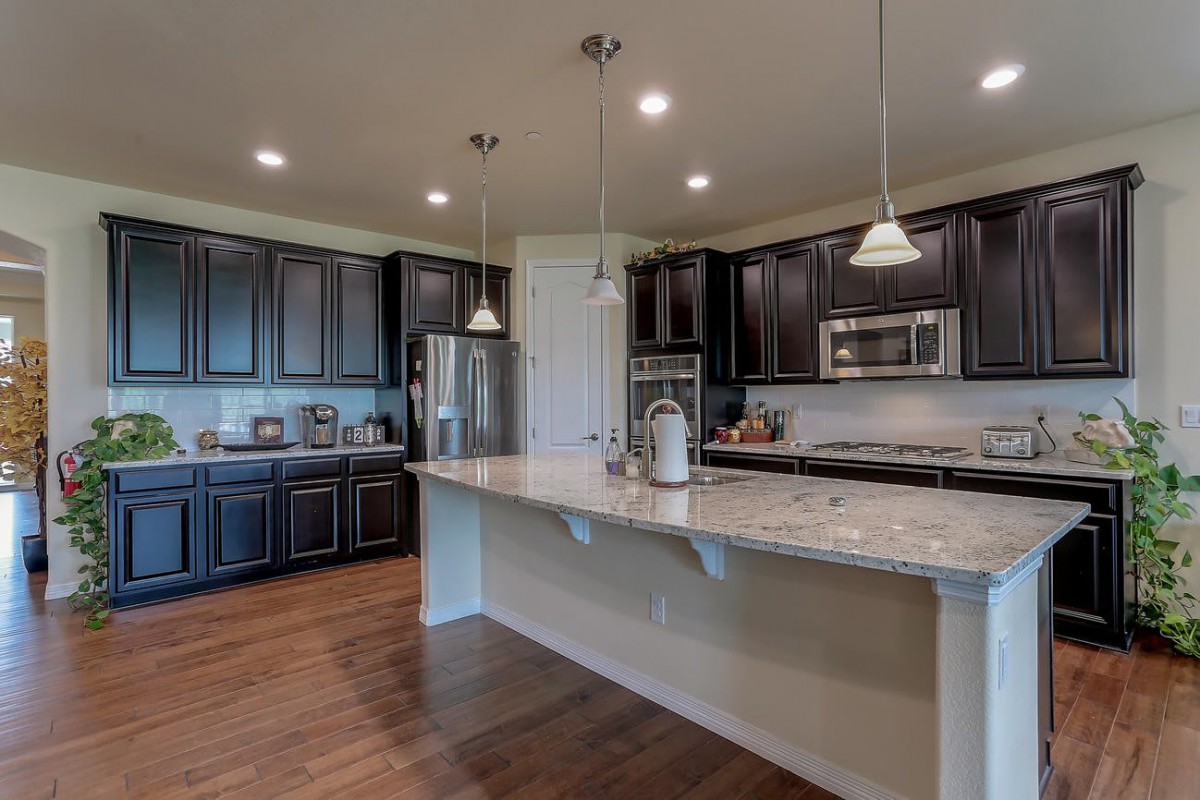
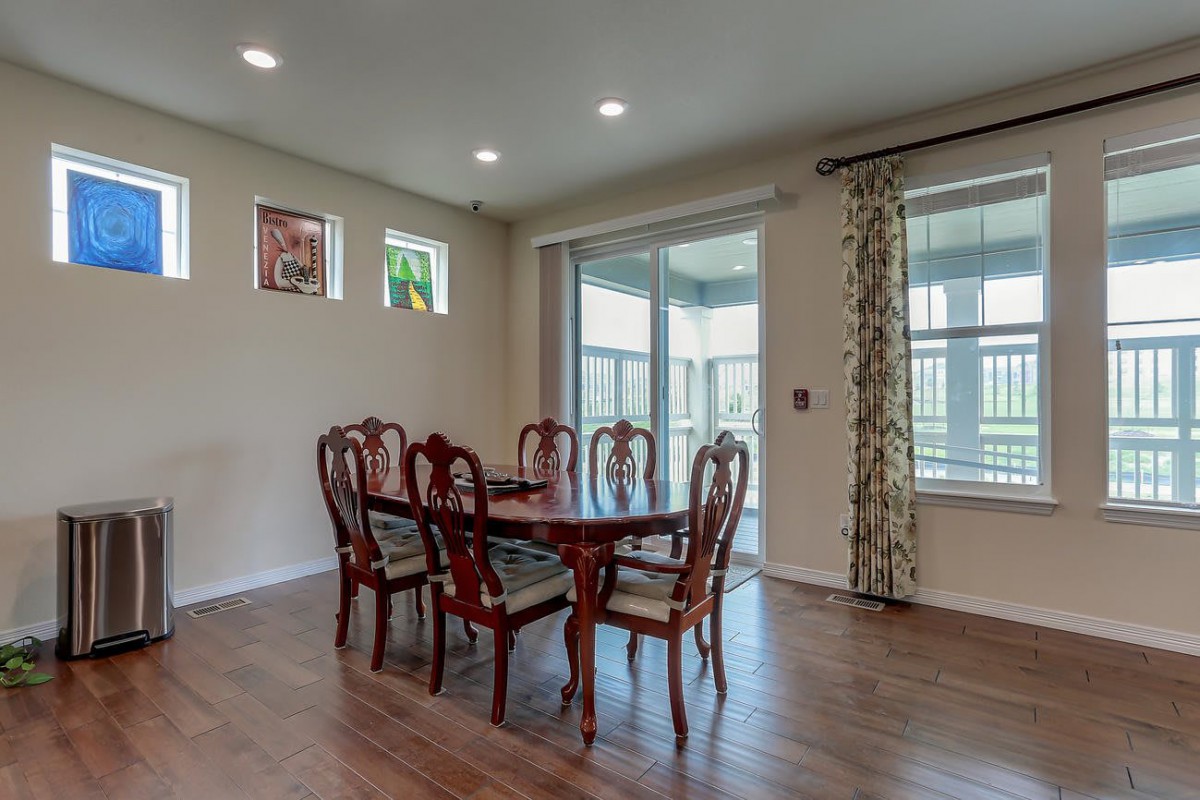
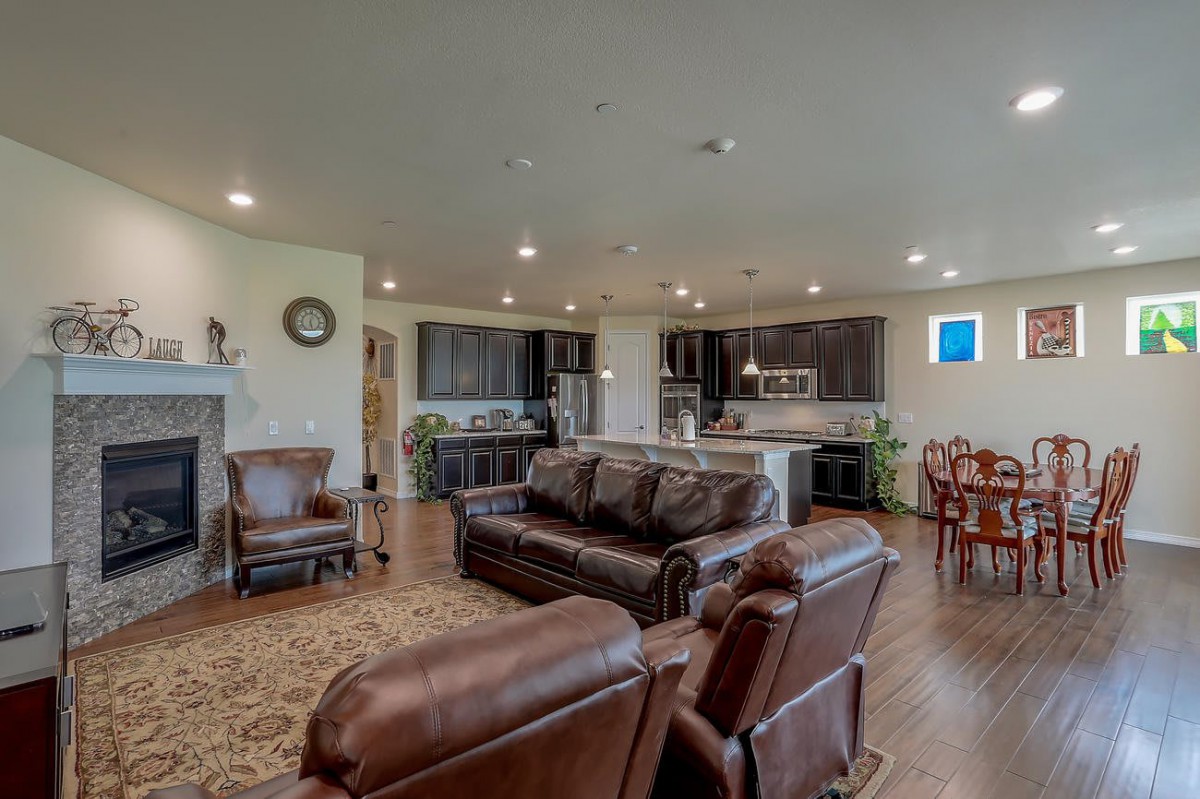
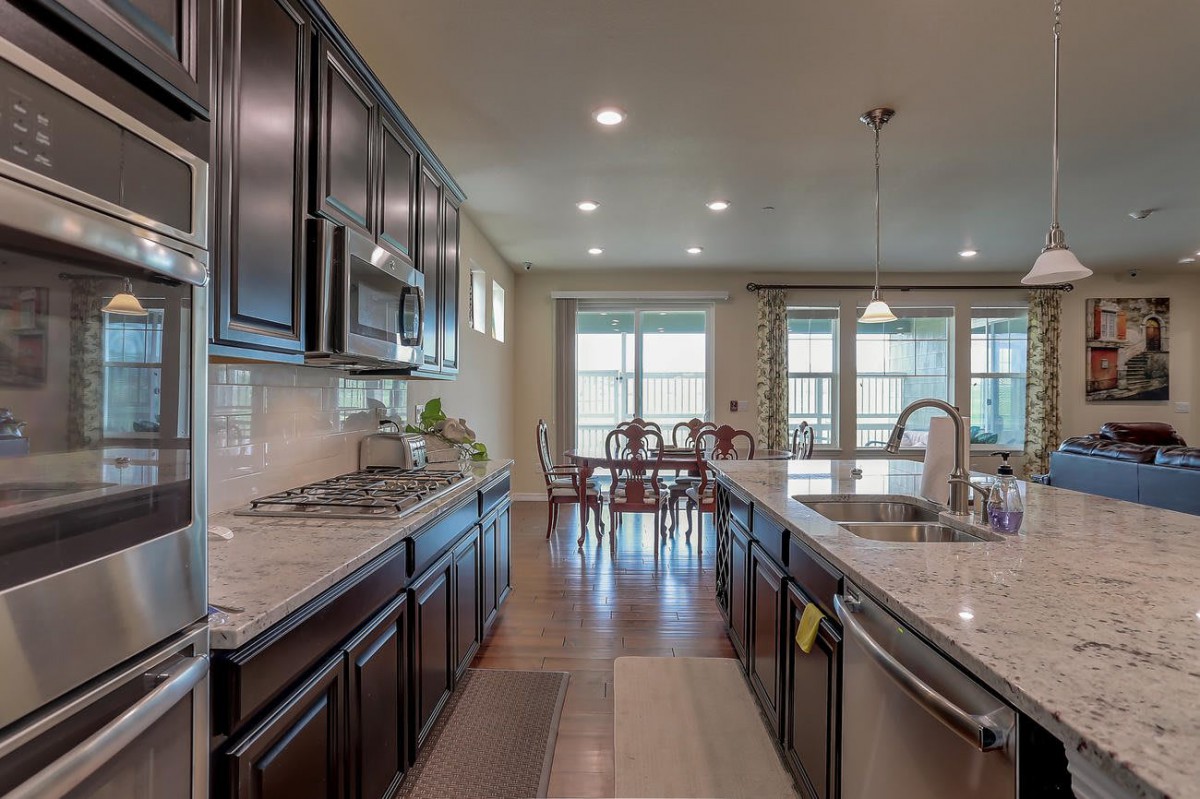
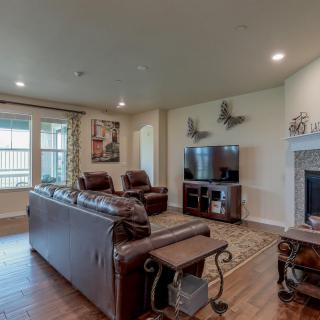
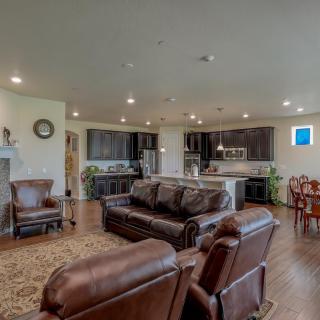
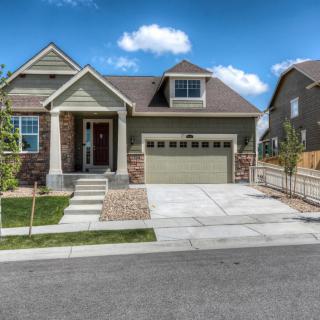
 ILA Senior Living is very nice and a brand-new home.
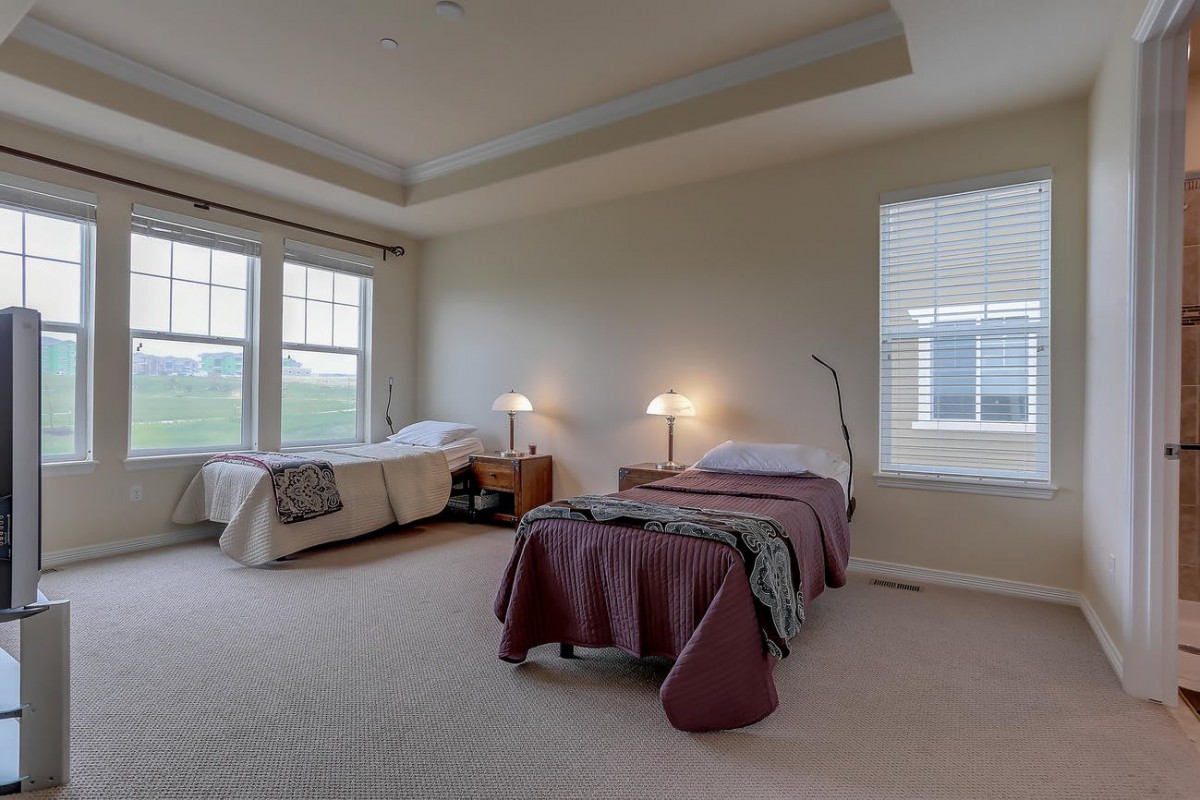
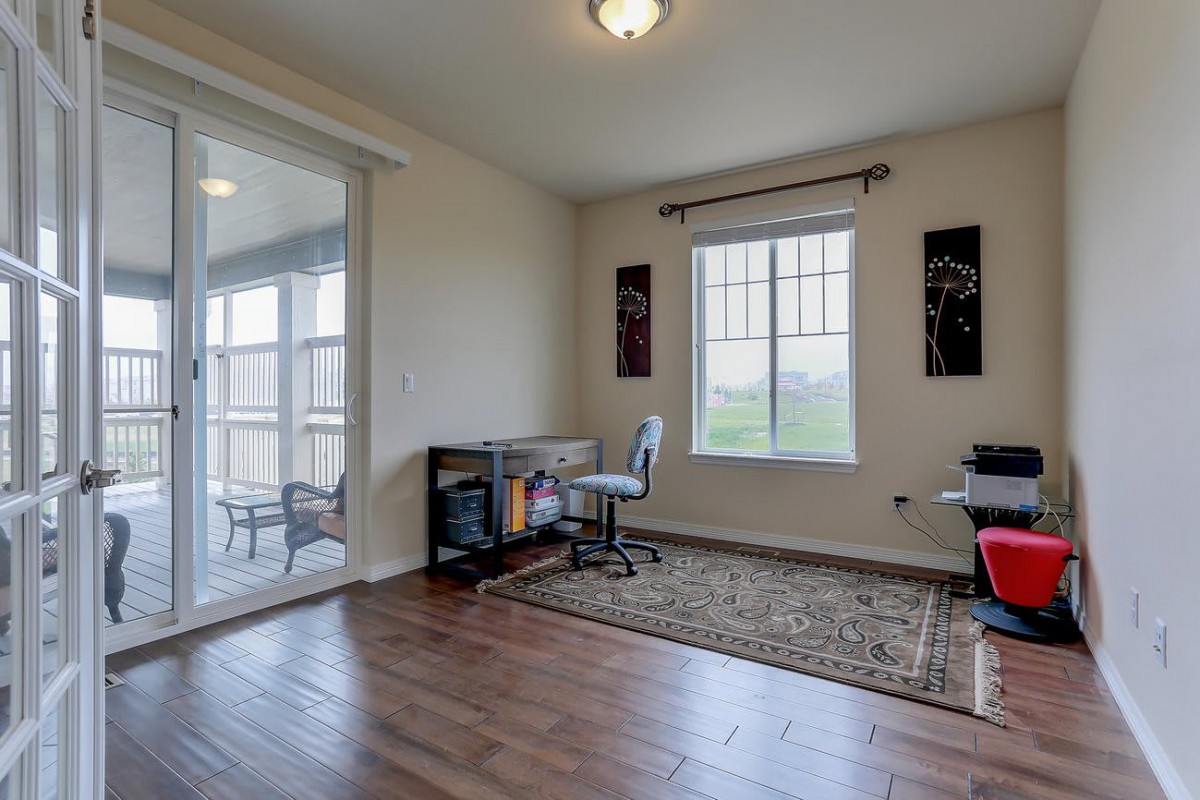
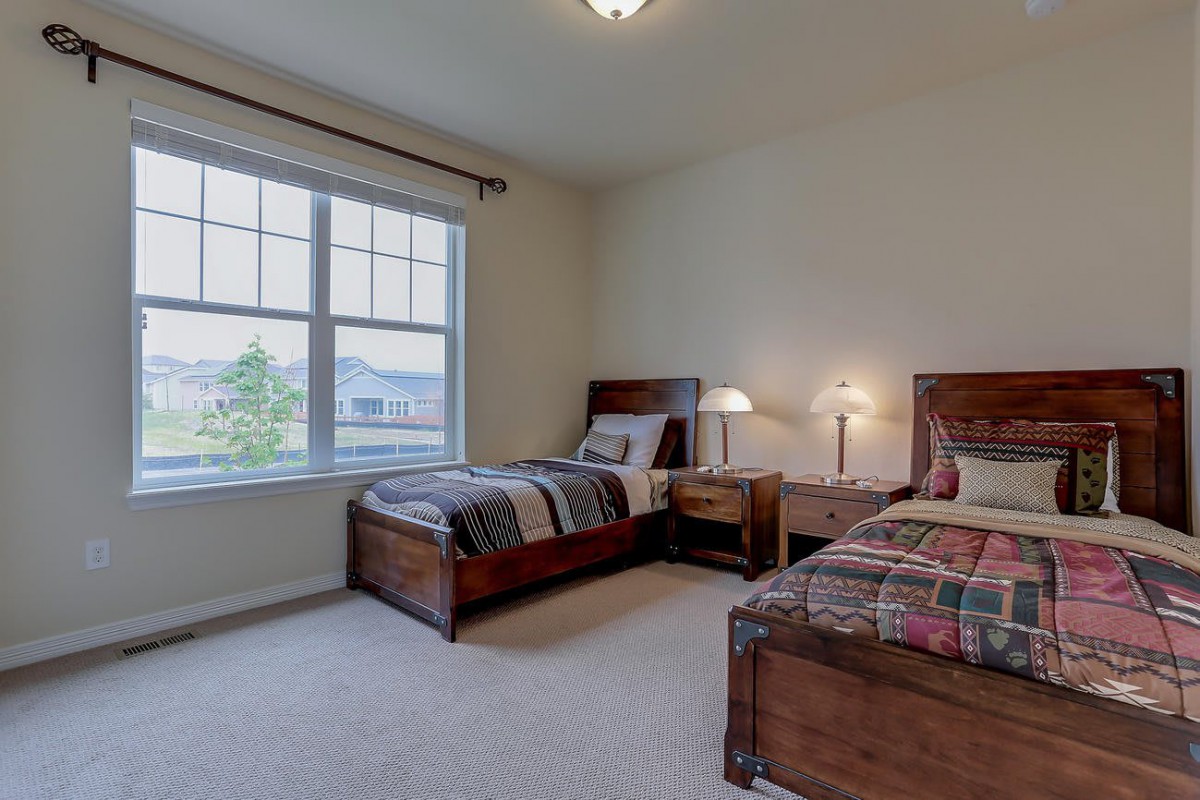
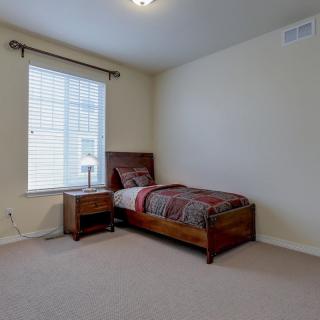
- The rooms are very adequate and exceptionally clean.
- The staff at ILA Senior Living seem good, have a strong energy level, and appear very competent.
Cons
 They don’t have any beeper or buzzer system, which means residents can’t call for emergency assistance.
Review
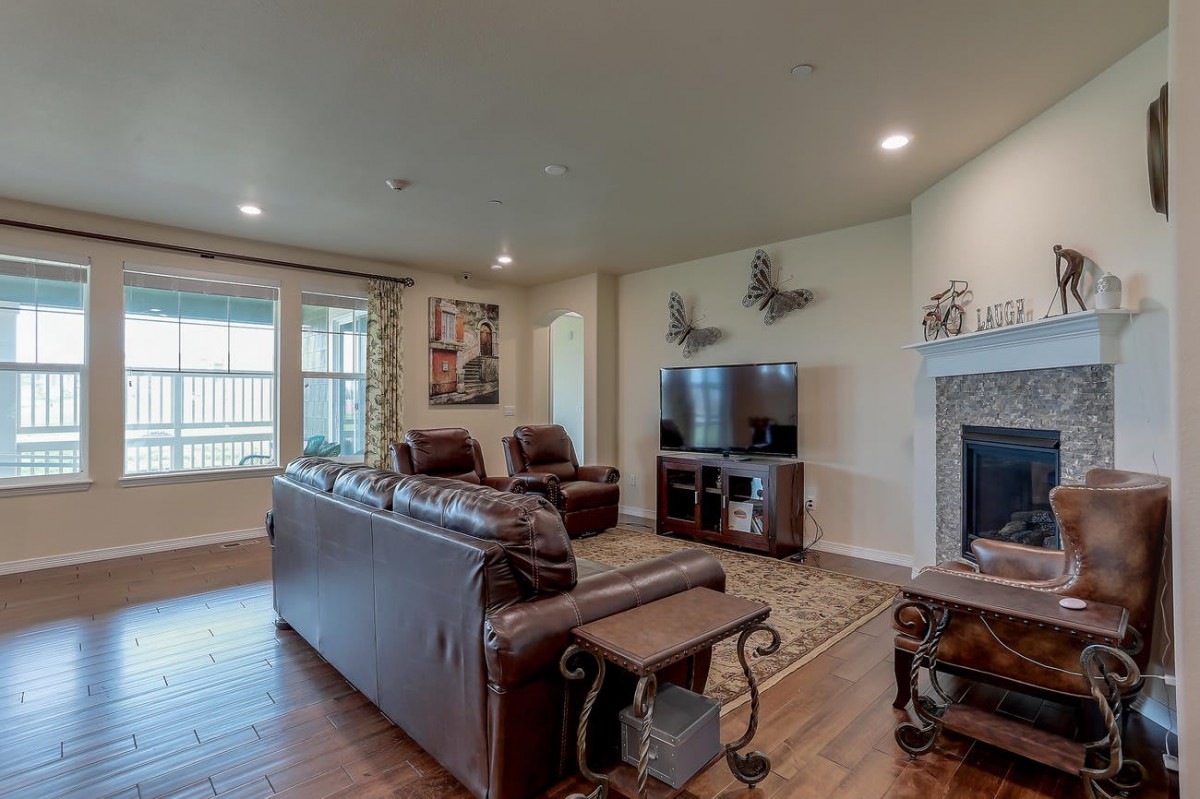
Senior Living At The Sierra Ridge in Parker, Colorado is best suited for families seeking a brand-new, clean, and approachable environment where caregivers are visible, engaged, and ready to respond. The community fits well for residents who prefer a contemporary, less worn setting with a straightforward daily routine and a strong sense of staff presence. It appeals to those who prioritize a fresh facility atmosphere, tidy rooms, and a compact, easier-to-navigate layout over large campus amenities. In short, Sierra Ridge is ideal for seniors who want modern surroundings and a hands-on caregiving culture without requiring highly specialized medical programming.
The standout positives center on the basics done well. The space feels brand-new, which translates into a crisp, uncluttered environment and rooms that are adequate in size yet easy to maintain. Cleanliness is a clear strength, contributing to comfort and a sense of pride in daily life. Additionally, the staffing picture comes across as capable and energized; the team appears competent and ready to engage residents, a quality that can make daily routines smoother and reduce friction during activities or transitions. A stated 7:1 ratio hints at meaningful staff attention, suggesting that residents should not feel abandoned in moments of need, even if the exact interpretation of that ratio can vary by assignment.
Yet a critical safety gap stands out: there is no beeper or buzzer system mentioned for calling for assistance. This omission can be a decisive factor for families that prioritize rapid, guaranteed access to help from a resident’s room or private space. While the on-site staff show competence and seem alert, the absence of an easily invoked alert mechanism creates a potential safety blind spot. For some families, this gap could outweigh other positives, particularly for residents who may need urgent assistance or who prefer a dependable, hands-free call solution as part of daily life.
Those evaluating alternatives should consider whether a robust, clearly defined call-system is non-negotiable. If a reliable nurse call or emergency alert infrastructure is essential, options with a long-standing, proven alert framework, or communities that highlight the technology and response times upfront, may be more suitable. Families weighing Sierra Ridge against others should balance the appealing freshness and intimate staff engagement against the lack of a stated instantaneous call mechanism. In cases where medical complexity or heightened safety monitoring is anticipated, a different setting with explicit call protocols could provide greater peace of mind.
When weighing the pros against the cons, the fresh construction, easy maintenance, high cleanliness standards, and a visibly energetic staff offer meaningful offsets to the potential risk of not having a built-in call system, provided families are comfortable with the current safety approach and plan for contingencies. The positive impression of the staff and the clean, modern environment can translate into daily experiences that feel calm and well-managed, reducing anxiety around transitions. Still, the absence of a dedicated alert system is not a minor detail, it shapes risk tolerance and decision timelines for any senior with mobility or cognitive needs that could require urgent help.
For families leaning toward Sierra Ridge, the prudent next steps are practical and specific. Schedule a detailed tour focused on the emergency response process: how residents call for help, what devices are available, who answers, and how quickly help can be mobilized. Ask for a demonstration of any call features or temporary safety measures until a formal system is in place, and request real-world examples of response times during peak and off-peak hours. In addition, verify staffing shifts and coverage patterns to understand how the 7:1 ratio translates into actual day-to-day attention. Finally, seek candid input from current residents or families about the cadence of assistance and overall safety impressions to confirm that the environment aligns with the level of security desired.
 8 resident community capacity
 Assisted Living
 Board and Care Home
 Memory Care
 Activities off-site
 Bath tubs
 Beautician on-site
 Cable or satellite TV
 Devotional services off-site
 Dining room
 Fully furnished
 Garden
 Housekeeping services
 Indoor common areas
 Move-in coordination
 Outdoor common areas
 Private
 Respite or short term stays offered
 Swimming pool / hot tub
 Telephone
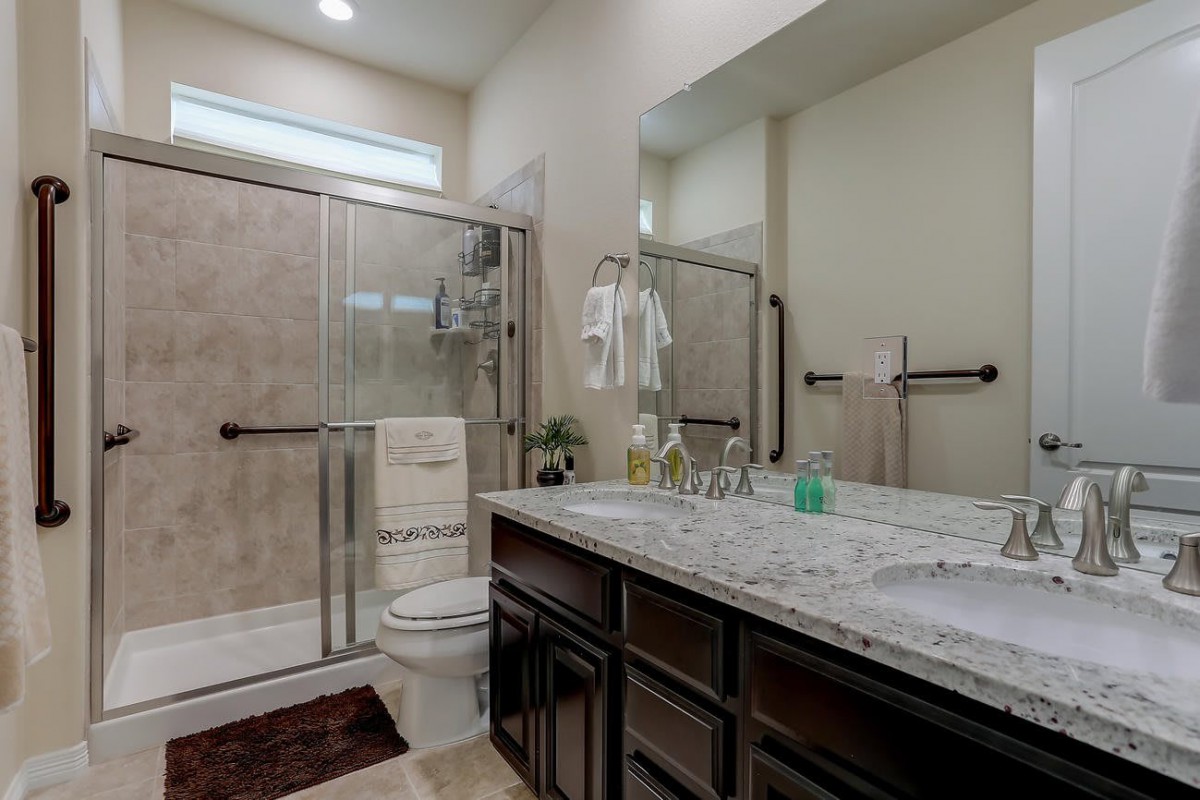
 Wheelchair accessible showers
 Wi-Fi/high-speed internet available
 Denver International (24 miles away)
 24-hour supervision
 Assistance with bathing
 Assistance with dressing
 Assistance with transfers
 Diabetes diet
 Diabetic care
 Incontinence care
 Meal preparation and service
 Medication management
 Special dietary restrictions
 Transportation arrangement (medical)
 Transportation to doctors appointments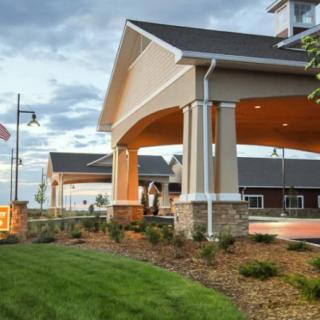

 How to Communicate with a Loved One Living with Dementia: 10 Supportive Strategies
 Comprehensive Guide to VA Nursing Homes: A Crucial Long-Term Care Resource for Veterans
 Estimating the Expenses of At-Home Dementia Care: A Detailed Exploration