
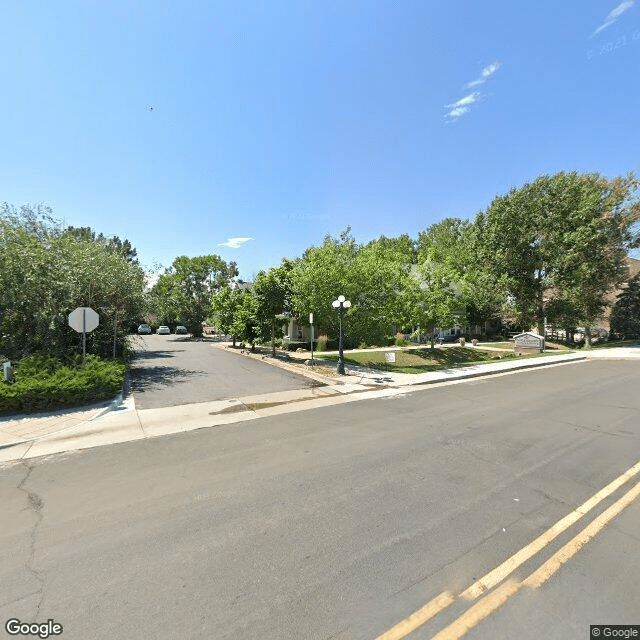
19600 Victorian Dr, Parker, CO 80138
To contact a resident: (303) 805-9866
For more information about senior living options: (866) 208-4318
Overall Review of Castle Country Assisted Living
Pros
 The staff are welcoming and make residents and visitors feel at ease.
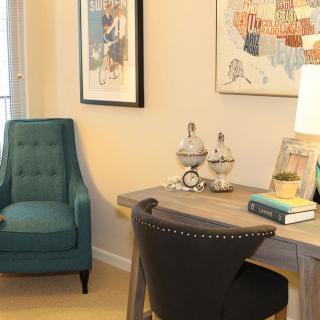
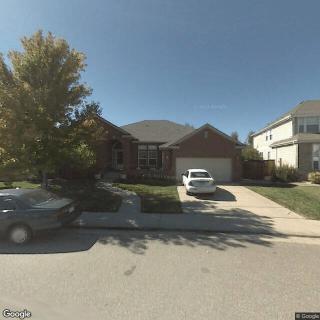
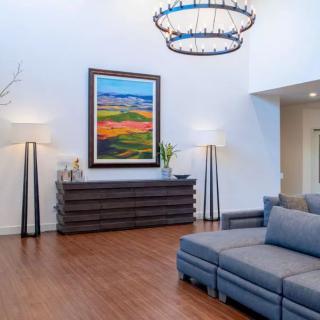
- The homes are beautifully maintained and thoughtfully designed, creating warm, comfortable environments.
- Caregivers go above and beyond, showing genuine kindness and respect for every resident.
- Activities and programs are engaging and varied, keeping residents active and social.
- Meals are nutritious and delicious, and the dining areas feel like true community gathering places.
- Families have peace of mind knowing their loved ones are in caring hands.
- The Castle Country communities are wonderful and quaint, with a family-like atmosphere.
- The smaller size allows staff to really know each resident.
- The staff are knowledgeable, friendly, kind, and compassionate.
- Ongoing improvements and remodeling demonstrate a commitment to better care.
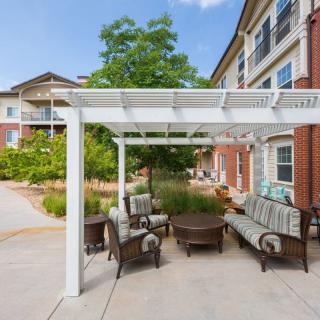
- There are beautiful outdoor areas to enjoy time with family and friends.
- Transitions to Castle Country are smooth, with thoughtful assessments to ensure a good fit.
Cons
 Trying to find a home for Mom is never easy.
Review
Castle Country Assisted Living in Parker, Colorado, and its Victorian House component are best suited for seniors who want a warm, intimate, home-like setting where staff know residents by name and everyday life feels social, meaningful, and safe. This community excels when families are prioritizing personal connections, a small-community atmosphere, and a smooth transition into care without the clinical feel of a large campus. It is especially well-matched for residents who thrive on regular social activities, light to moderate assistance, and a sense of being part of a genuine, caring neighborhood rather than a sterile facility corridor.
Those weighing alternatives should note that this may not be the right choice for families seeking a large-scale campus with expansive medical services or a wide breadth of on-site therapy options. If the priority is robust, hospital-like medical oversight, frequent, advanced rehab services, or highly specialized, highly structured memory-care programming, a bigger operation with more dedicated clinical resources might be a better fit. For seniors who crave ultra-diverse activity calendars or highly specialized medical suites on-site, this smaller setting may feel more limited by comparison.
The strongest takeaways are the consistently high-quality human touch and the lively, engaging culture. Staff are described as friendly, attentive, and genuinely devoted to meeting each resident’s needs, treating individuals with kindness and respect. The environment feels welcoming and well cared for, with careful attention to design, meals, and community spaces. Activities and programs are varied enough to keep residents active and socially connected, and the dining experience reinforces that sense of a real community gathering rather than a clinical dining room. The combination of thoughtful care and nourishing meals contributes significantly to residents’ overall well-being and happiness.
The small, home-like scale is the defining strength that amplifies every positive attribute. With a smaller footprint, staff can truly know residents, their names, preferences, routines, and unique support needs, creating a personalized level of care that often feels impossible in larger facilities. The result is a safety-first culture where caregivers are readily available for mobility help, dressing, social time, and daily tasks, all delivered with a level of warmth that residents and families notice immediately. Reviews consistently highlight the sense that upgrades and improvements are ongoing, and that residents enjoy safe, comfortable living spaces, plus inviting outdoor areas for family time and fresh air.
The main trade-off to watch is the potential constraint that comes with scale. While the intimate setting nurtures personal attention, it can come with a narrower range of on-site amenities, activities, and specialized services when compared with larger communities. Families should verify the available levels of medical oversight, nursing staff coverage, and access to advanced therapies or memory-care resources during evenings and weekends. It is prudent to confirm how the facility handles days when more intensive clinical support is needed, and to visit with a clear list of questions about staffing ratios, emergency procedures, and continuity of care for dementia or other cognitive needs. The positive intake process, where assessments can be done in the comfort of the family home, adds a strong head start, but prospective residents should still confirm alignment with personal medical and social goals.
In the end, Castle Country offers an outstanding match for families seeking a compassionate, neighborly environment where staff know residents well, care deeply, and keep life feeling communal and purposeful. The combination of a warm atmosphere, diligent caregiving, engaging activities, and strong safety practices provides compelling value for those prioritizing quality of relationships and daily meaning over campus size. For households that require a more expansive medical footprint, broader therapy options, or a venue with more anonymity and variety, exploring alternatives will be time well spent. A visit to assess fit, with attention to memory-care supports, staffing patterns, and the cadence of daily life, will seal the decision for most families.
 Assisted Living
 Activities on-site
 Devotional services off-site
 Indoor common areas
 Denver International (24 miles away)
 Ambulatory care
 Diabetic care
 Meals provided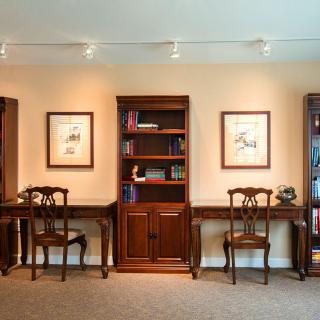



 Funding and Affording Assisted Living: A Thorough Overview
 Assisted Living Expenses and Long-Term Care Insurance: A Comprehensive Exploration
 Securing Financial Support for Assisted Living: A Comprehensive Overview