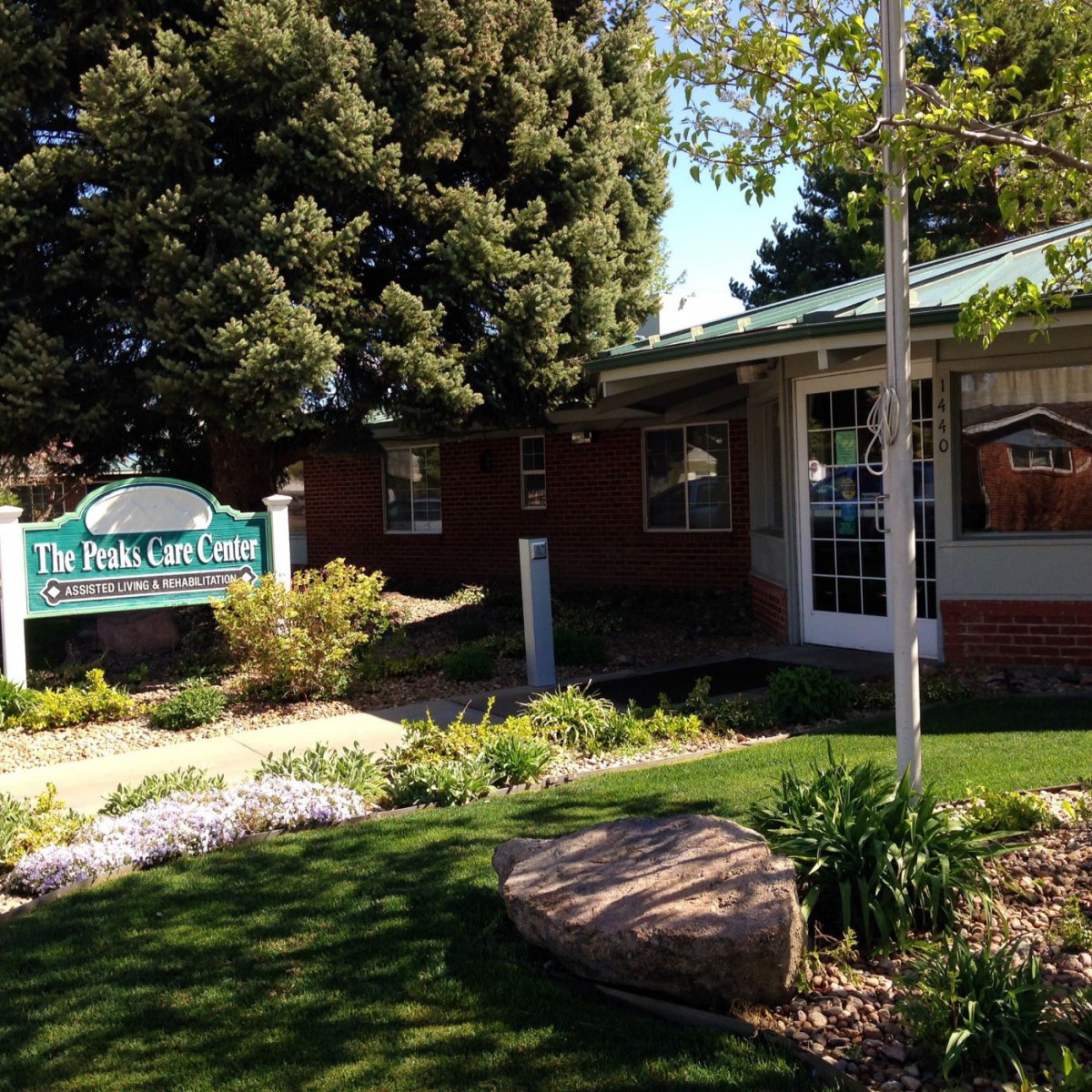
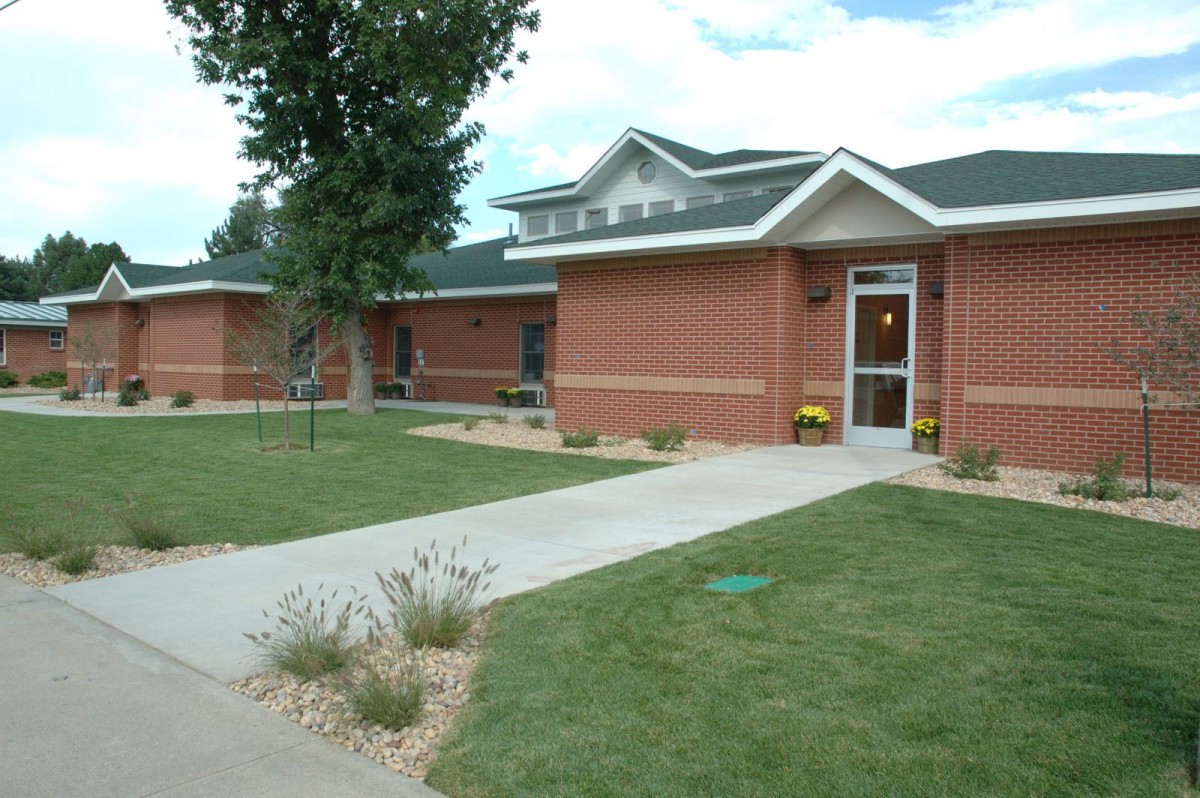


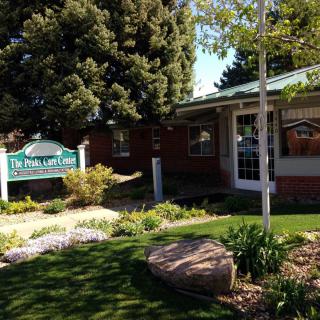
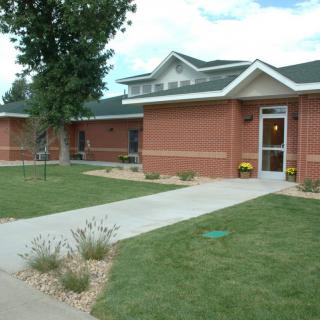
1440 Coffman St, Longmont, CO 80501
To contact a resident: (303) 776-2814
For more information about senior living options: (866) 208-4318
Overall Review of The Peaks Care Center & Frontier Therapy Center
Pros
 The staff were helpful, sensitive, and caring.
- An extra bed was provided so family members could rest, with privacy respected.
- The care, kindness, and compassion of the CNAs, nursing staff, PTs, case workers, and administration were wonderful.
- Staff arranged video chats to keep families connected when in-person visits weren't possible.
- All interactions were positive, reassuring, and helped reduce stress for families.
- The Peaks Care Center is described as homey, loving, and treats residents as people, not just patients.
- The staff cared for residents who became ill and ensured none were ignored, demonstrating heroic dedication.
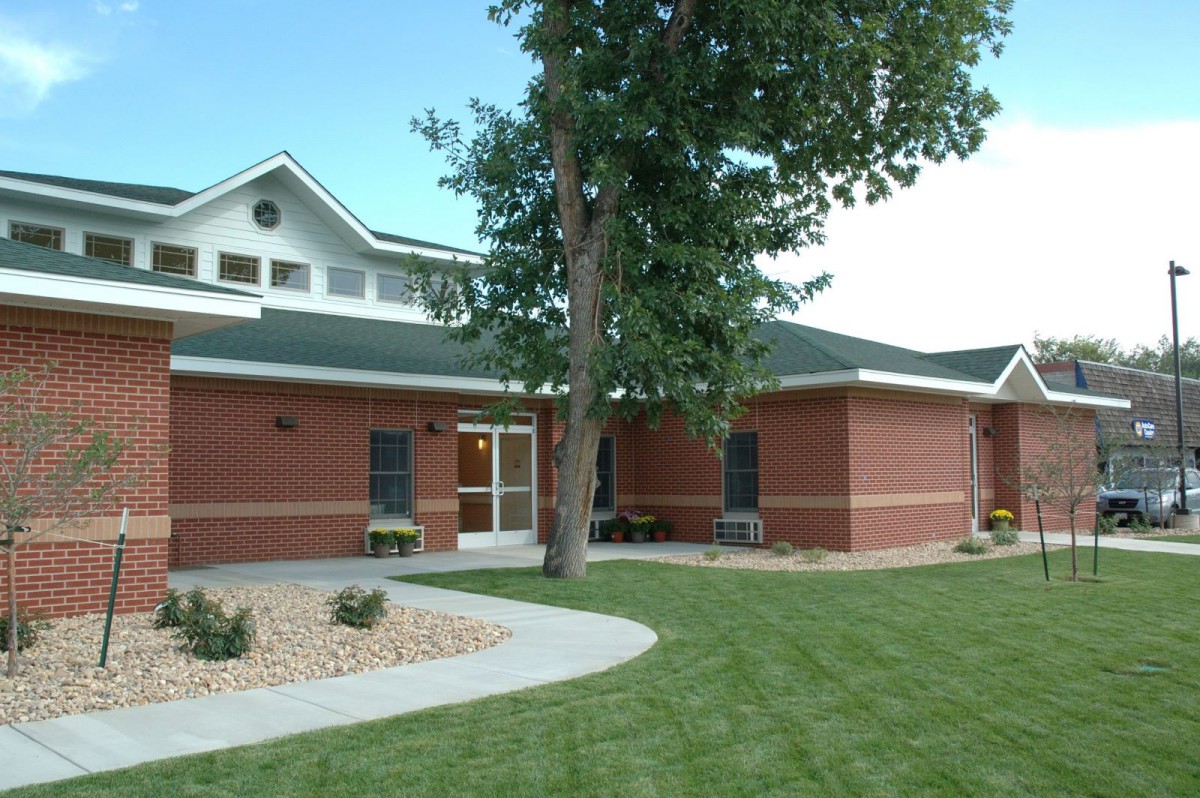
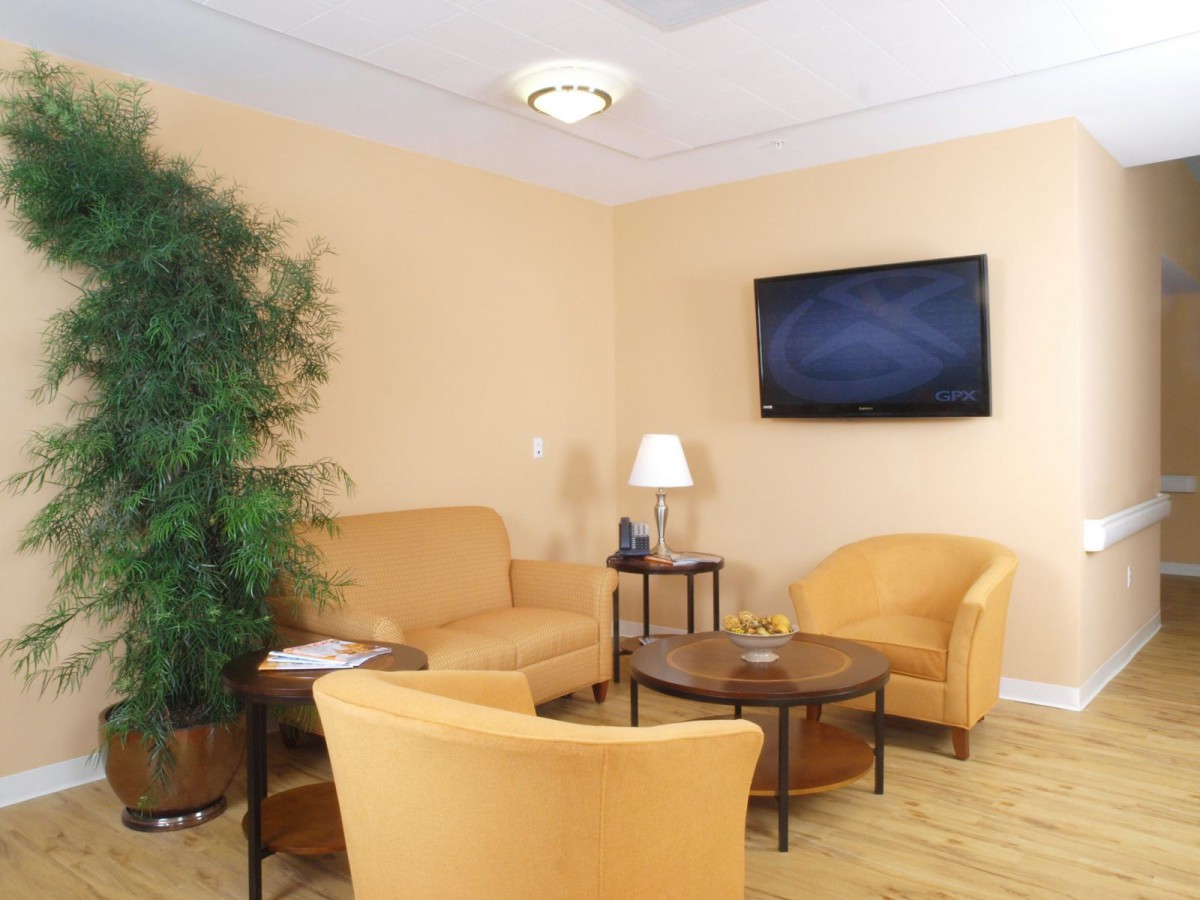
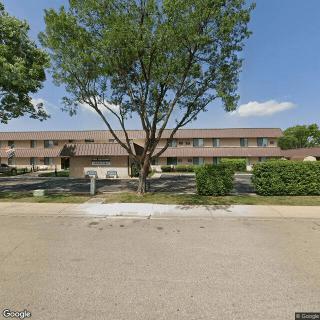
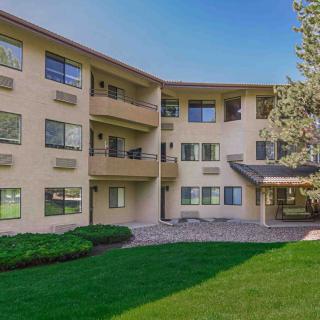
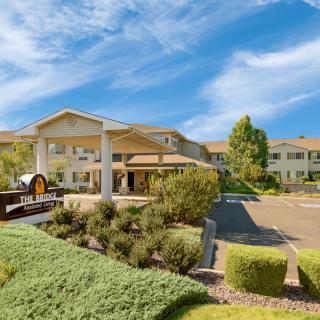
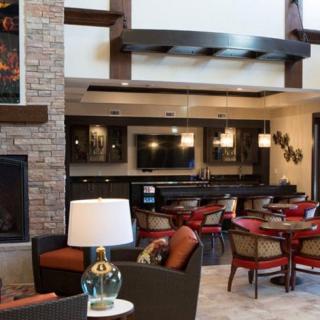
- The community is well maintained, with good food options and engaging activities.
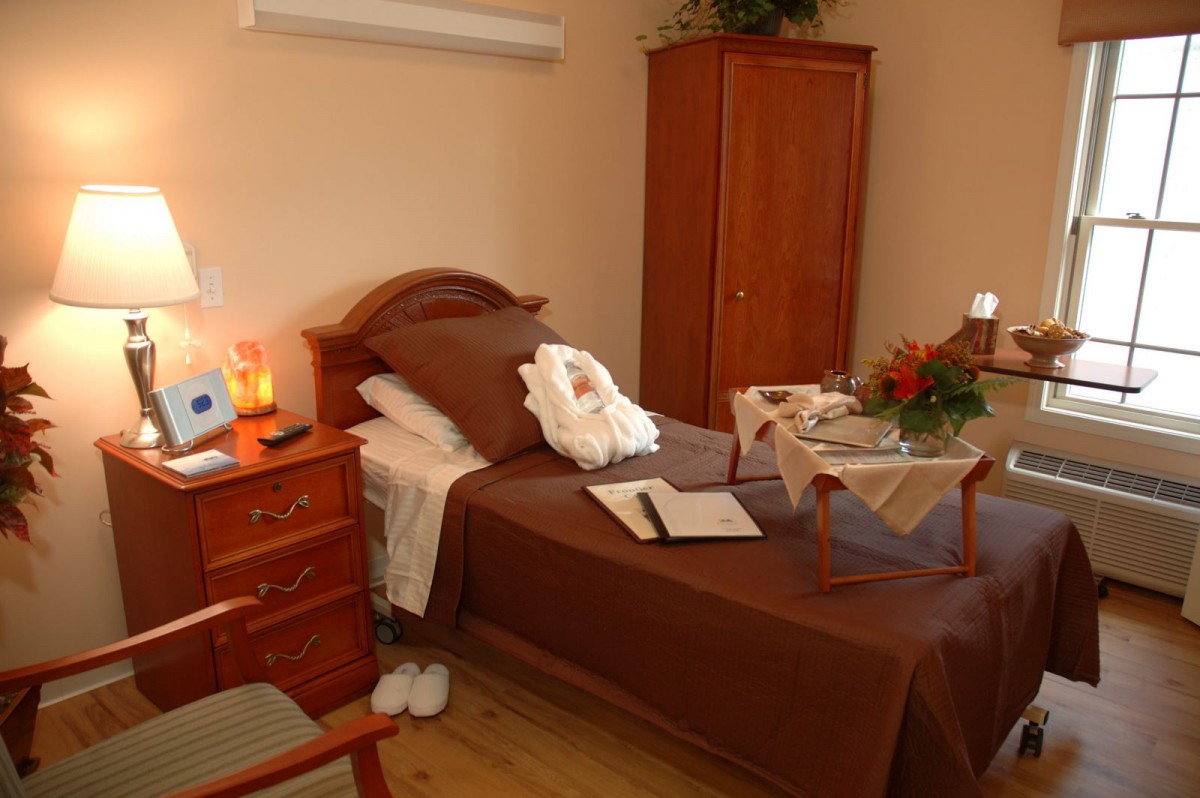
- Rooms are clean and comfortable, with daily linen changes and attentive housekeeping.
- Frontier Rehab Center is praised for care and customer service, with well-trained nurses and caring CNAs, and smooth intake and discharge.
Cons
 The facility released the 88-year-old patient after only 16 days of skilled nursing care, suggesting inadequate care.
- It is impossible to reach staff, especially on weekends, and there is no communication between staff, the patient, and family.
- The call lights went unanswered and the nursing staff and CNAs sat at the desk instead of helping.
- The floors were sticky with urine and smelled, indicating poor housekeeping.
- The director of kitchens was rude and not customer-friendly, not addressing the patient's concerns.
- The reviewer would not recommend Peaks to anyone.
- Don’t go there.
Review
The Peaks Care Center & Frontier Therapy Center is best suited for families seeking a warm, person-centered environment with solid rehabilitation services and long-term care options, especially for residents who benefit from a homey atmosphere and meaningful social engagement. The campus approach, with both Peaks and Frontier Rehab, appears to deliver attentive therapy and a compassionate bedside manner that many families value during recovery, dementia care, or transitions to hospice. For those who prioritize a nurturing, relational culture and a facility that feels like a community, Peaks offers a compelling fit. It is particularly appealing for families who can actively participate in care decisions and who want a facility that emphasizes patient dignity, individualized attention, and a hospice-supportive environment when needed.
At the same time, this community is not the obvious pick for households requiring flawless, day-to-day operational communication. A recurring thread in the feedback is inconsistent messaging and difficulty reaching staff, especially on weekends, with stories that don’t line up between caregivers, case managers, and families. For families that need immediate, transparent updates and a reliably proactive point person handling care planning, the Peaks campus can be challenging. Those who cannot endure gaps in information or who rely on constant, real-time communication to coordinate medical and daily living needs should actively consider alternatives.
The strongest positives center on genuine, compassionate care from the staff and a therapeutic environment that supports recovery and ongoing well-being. Residents repeatedly benefit from attentive CNAs and nurses, skilled therapy teams, and a culture that emphasizes kindness, patience, and personhood. The facility earns praise for its home-like feel, clean and comfortable spaces, varied dining options, and engaging activities that help sustain residents’ social connections. When hospice or end-of-life care enters the picture, the staff’s sensitivity and private, supportive approach can soften transitions and provide meaningful comfort for both residents and families.
Yet the negatives loom as real, concrete concerns that ought to be weighed carefully. Specific examples describe gaps in timely assistance, longer waits for help with calls for help, and in some cases a sense that information was hard to obtain. Episode-specific critiques include a troubling incident where a resident was discharged after a brief stay following hip surgery, with reports of communication breakdowns that left family members unsure about care decisions. Other accounts mention a perceived lack of responsiveness from leadership, including a director and administrator, as well as a handful of experiences where the dining and housekeeping services did not meet expectations. Taken together, these issues highlight a pattern: care can be outstanding, but reliability around day-to-day operations and communication is not consistently dependable.
These strengths and weaknesses must be weighed against one another. The Peaks campus delivers undeniable value where therapy quality, staff warmth, and a comforting environment translate into real improvements in daily life and in recovery trajectories. When the care team is aligned, sharing clear updates, coordinating visits, and providing steady oversight, the cons fade in importance because the core experience remains favorable. For families willing to assign a dedicated contact, insist on structured communication protocols, and actively monitor care plans, Peaks can be a strong match for rehab and dementia care, with hospice supports readily available if needed.
The verdict comes with practical guidance. Prospective residents should plan a thorough in-person tour on multiple days, meet the social worker or care coordinator, and request a written care plan with daily check-ins and weekly progress notes. Ask pointed questions about response times to call lights, weekend coverage, and how families are kept in the loop about changes in medical status. Consider a trial period or short-term stay to test consistency in communication and daily responsiveness before committing long-term. For families whose primary value is exemplary, dependable communication paired with compassionate care, it may be worth exploring alternatives that place a higher emphasis on transparent operations; for others, Peaks offers a credible, compassionate choice that can deliver excellent rehabilitation and meaningful daily living when the care team is aligned and proactive.
 Board and Care Home
 Activities on-site
 Devotional services off-site
 Indoor common areas
 Ambulatory care
 Diabetic care
 Meals provided

 Home Health Care Aides: Understanding Their Role and Supporting Your Family
 Urinary Tract Infections in Older Adults: Comprehensive Insights on Symptoms, Treatment, and Prevention
 California's Form 602A: An In-Depth Examination of Senior Care Assessment