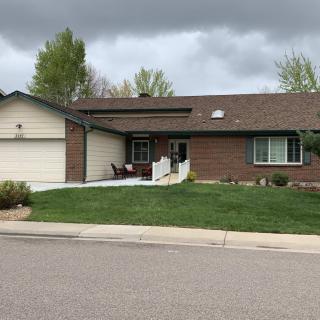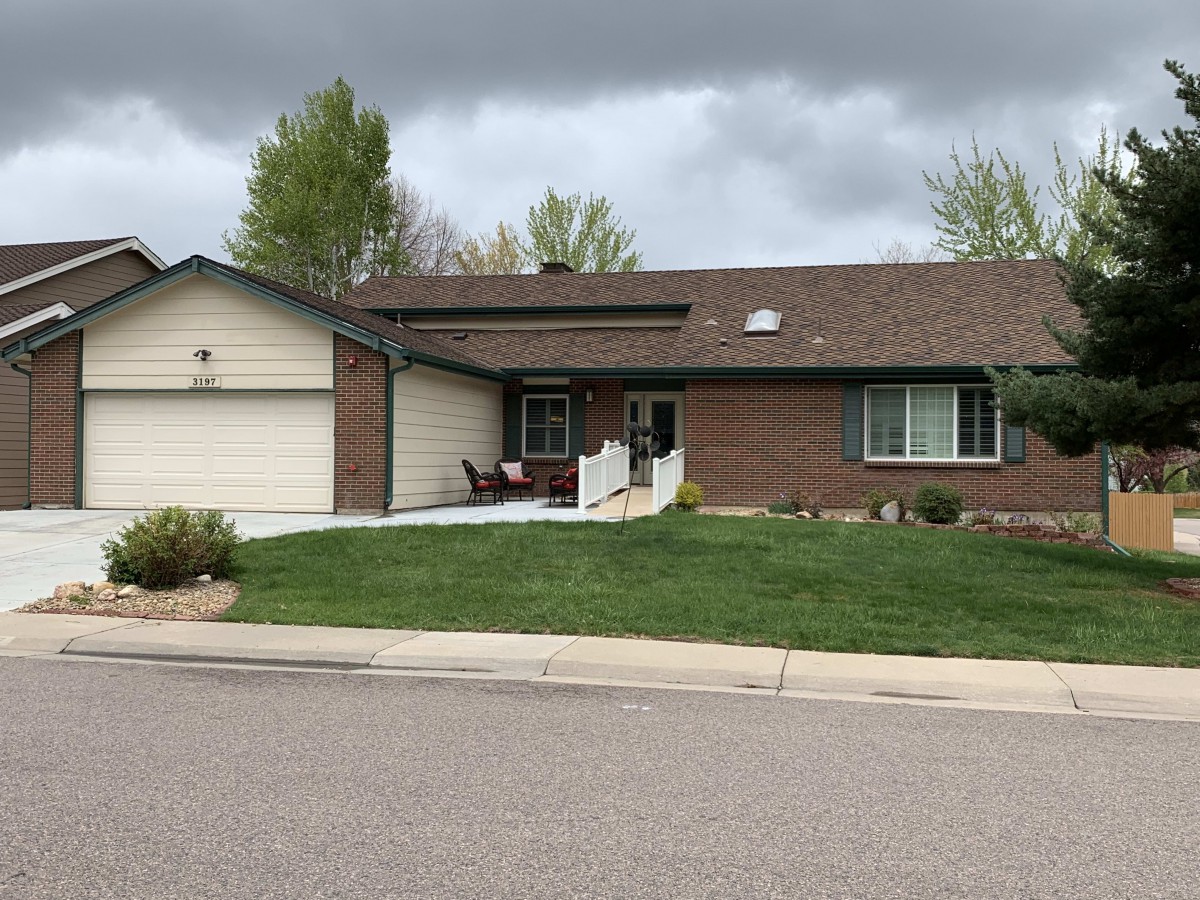
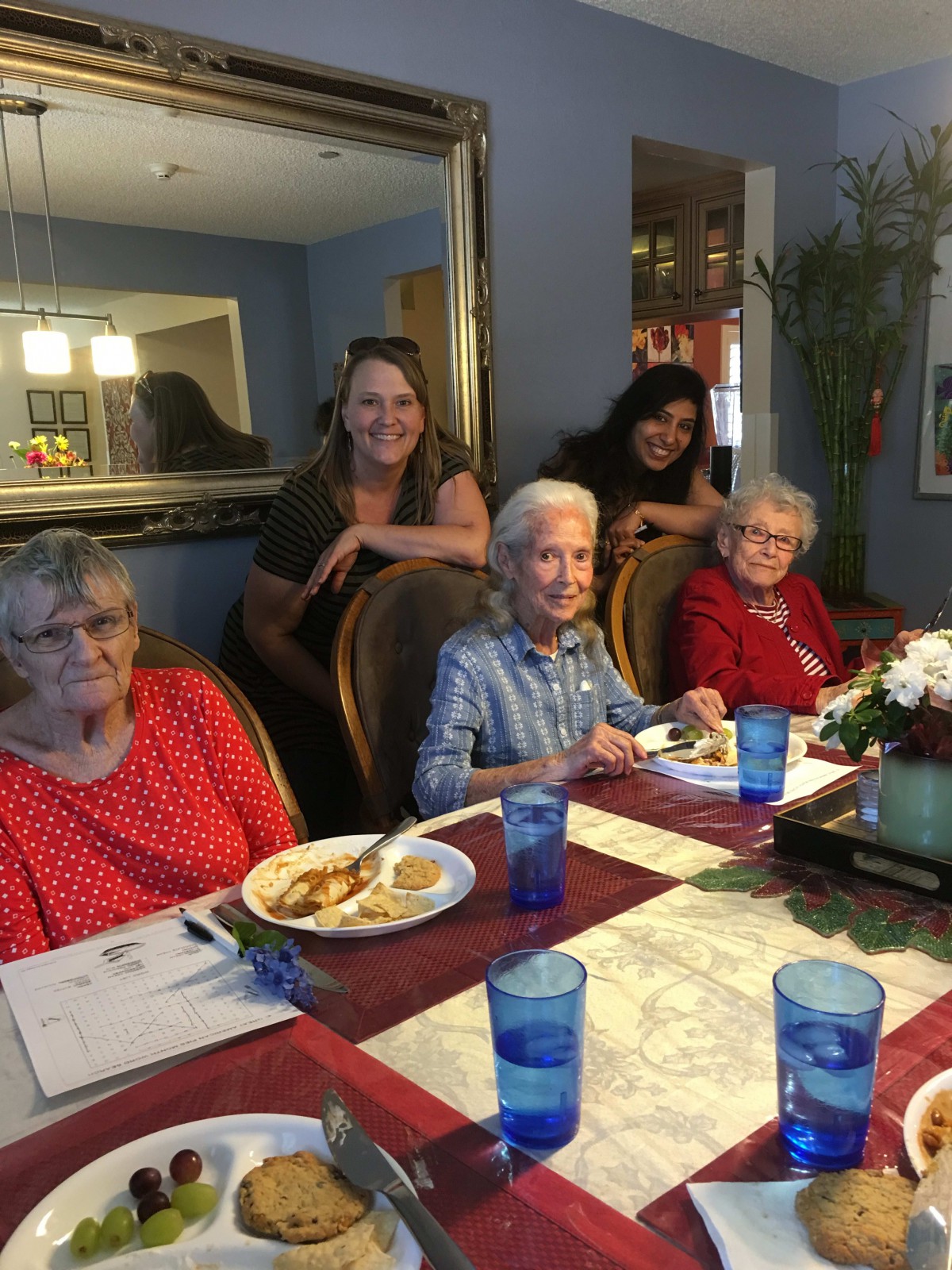
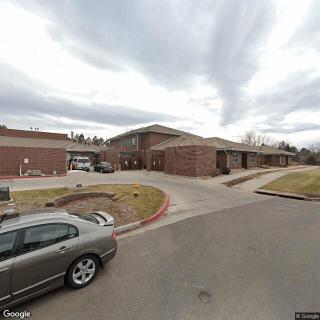
3197 East Hinsdale Avenue, Littleton, CO 80122
For more information about senior living options: (866) 208-4318
Serenity House Assisted Living Hinsdale Costs & Pricing
Serenity House Assisted Living Hinsdale offers competitive pricing for its residents, reflecting the quality of care and amenities provided in a desirable location. The cost for a semi-private room is $5,200 per month, which is notably higher than the average rates in Arapahoe County at $3,797 and across Colorado at $4,009. For those seeking more privacy, the private room option is priced at $6,200, again exceeding both county and state averages of $4,116 and $4,142 respectively. Finally, the one-bedroom accommodations are available for $6,500 per month, surpassing local averages significantly; while Arapahoe County residents pay approximately $4,732 and state-wide costs hover around $4,119. These figures underscore Serenity House's focus on providing an exceptional living environment tailored to meet the needs of its residents despite higher costs compared to the surrounding areas.
| Floor plans | Serenity House Assisted Living Hinsdale | Arapahoe County | Colorado |
|---|---|---|---|
| Semi-Private | $5,200 | $3,797 | $4,008 |
| Private | $6,200 | $4,116 | $4,142 |
| 1 Bedroom | $6,500 | $4,732 | $4,118 |
Memory care communities with a similar price nearby
-
About the same
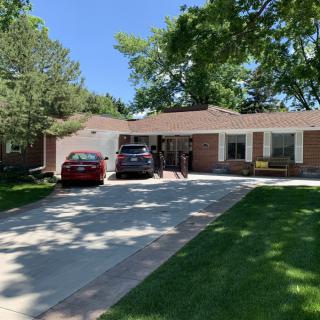
Serenity House Assisted Living Portland Drive
$5,200 to $6,500 / month5.6 miles away -
About the same
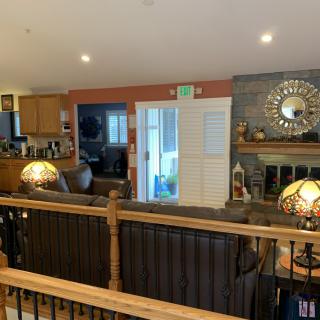
Serenity House Assisted Living Hunters Hill
$5,200 to $6,500 / month3.1 miles away -
from +$250 / mo

MorningStar of Observatory Park
$5,450 to $8,300 / month6.5 miles away -
from -$580 / mo

Garden Terrace Alzheimer's Center Of Excellence - Aurora
$4,620 to $5,940 / month9.8 miles away -
About the same
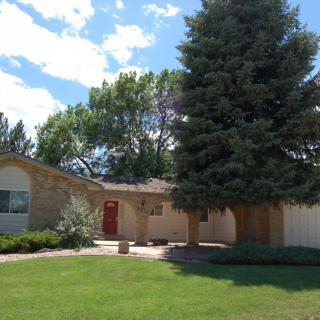
Serenity House Assisted Living Littleton
$5,200 to $6,400 / month5.6 miles away
Overall Review of Serenity House Assisted Living Hinsdale
Pros
 They describe Marvin as the most loving and caring caregiver.
 - They chose Serenity House for its affordable cost and welcoming environment.
- They praise the caregivers and staff as wonderful and going above and beyond.
- They view the group home assisted-living concept as wonderful, especially for Alzheimer’s patients.
- They feel the care creates a family-like atmosphere, and note the staff are caring and keep families informed.
- They appreciate home-cooked meals, snacks, and opportunities to celebrate holidays and birthdays.
- They mention the property features large back patios and yards.
- They report the dad is doing very well in their care, joining activities and enjoying life.
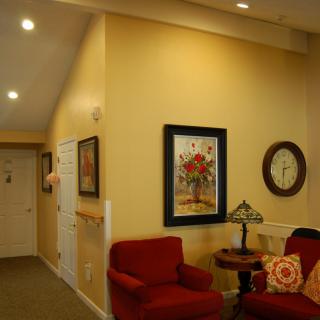
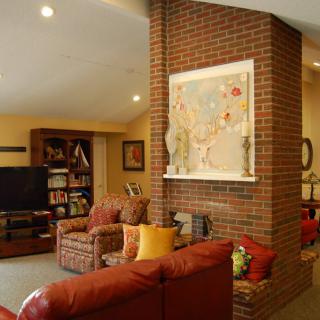
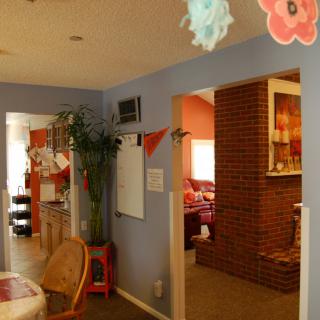
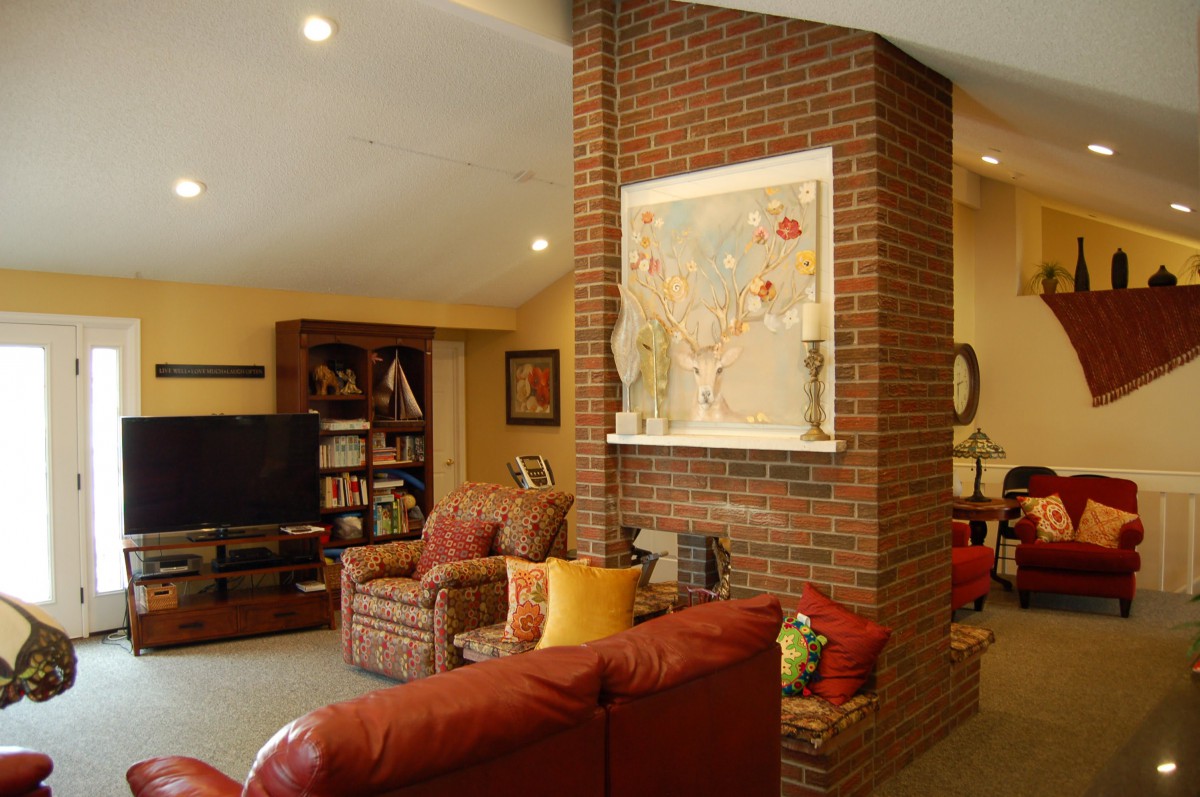
- They describe Serenity House as a well-kept eight-bed home with a live-in caretaker.
Cons
 They have limited walking facilities for her needs.
- He would not do well in a 100+ room type place.
Review
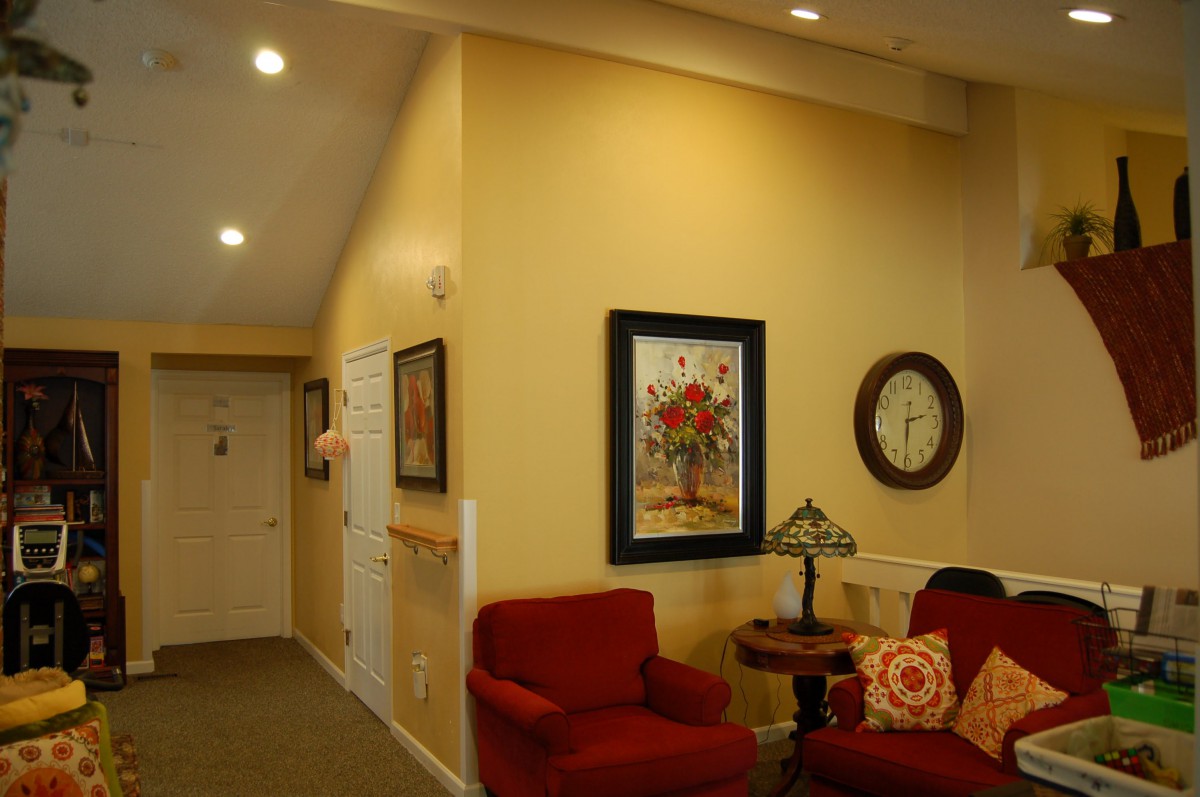
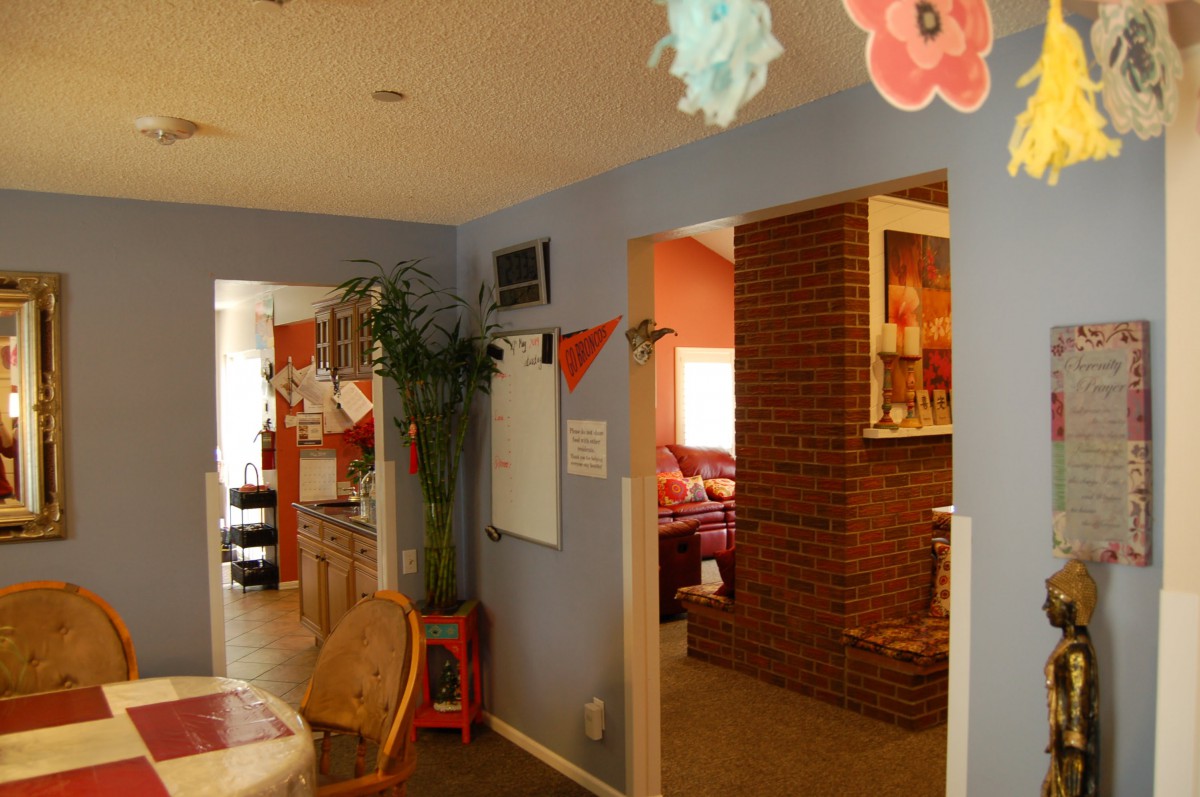
Serenity House Assisted Living Hinsdale is best suited for families seeking an intimate, home-like setting where personalized attention and a sense of family shape daily life. The eight-bed, group-home model creates a warm, low‑density environment that works especially well for residents who benefit from close relationships with caregivers and a routine that feels more like a residence than a campus. It is a practical fit for older adults who want daily meals cooked on site, regular social activities, and an environment that supports memory care needs in a small, manageable setting. The facility’s small footprint, live-in caregiver model, and emphasis on individual connection make it a compelling choice for those who prize stability, predictability, and a familial atmosphere over the buzz and scale of larger communities.
That said, this community isn’t the best match for every senior. Families should consider alternatives if a loved one requires extensive, on‑site medical oversight, more diverse social programming, or mobility features that demand longer corridors and expansive outdoor spaces. The home’s footprint and design prioritize compact living and easy navigation rather than wide walkways or large outdoor amenity areas. For seniors who thrive on the energy of a larger campus, more residents to meet, more on-site specialists, or a broader array of rehabilitation services, another facility may deliver the breadth of services and social variety that Serenity House cannot offer.
The strongest pros, cost advantage, highly engaged caregivers, and a deeply comforting family feel, offset several notable drawbacks. The eight-resident design enables genuinely attentive care, with staff and a live-in caregiver who can adjust quickly to changing needs and keep relatives informed. This setup often translates to more tailored activities, more frequent check-ins, and a sense of belonging that larger communities struggle to replicate. For memory care, the model shines: caregivers know residents well, routines are predictable, and relationships can grow into a supportive, almost familial network. Home-cooked meals, regular celebrations, and accessible social moments further reinforce the feeling of care you can trust over a more institutional environment.
However, the trade-offs matter. The limited physical footprint can be a constraint for residents who value expansive walking spaces or outdoor areas. One review notes restricted walking facilities for a loved one who enjoys longer, more varied routes, and another point of differentiation is the absence of long, hotel-size halls that some seniors expect in larger facilities. While the community offers activities and medical rounds, they are not a substitute for the breadth of services found in bigger campuses. Families should weigh strong personal attention and cost savings against the potential need for more robust medical access, mobility-friendly design, or a wider social calendar.
To navigate a decision, families should verify practical details that determine day-to-day experience. Inquire about staff-to-resident ratios across all shifts and how the live-in caregiver arrangement works during vacations or absences. Ask for a clear schedule of daily activities and how individualized plans are developed, especially for memory care and mobility limitations. Clarify what medical oversight looks like on site, how emergencies are handled after hours, transportation to appointments, and what happens if a resident’s needs outgrow the home’s capacity. Finally, request transparent pricing, including any add-ons or fees that could emerge as care needs evolve.
In contrast to larger campuses, Serenity House excels for households prioritizing intimacy, consistent caregiver relationships, and cost-conscious care in a small, homelike setting. Families weighing options should consider who benefits most from a home-like, tightly knit environment and who would be better served by a facility offering broader medical resources, longer corridors, and more expansive outdoor space. For seniors whose needs align with a close-knit community, memory-support in a small, well-staffed home, and activities that feel personal and inclusive, Serenity House stands out as a prudent, dependable choice. For those seeking extensive medical programming, larger-scale social engines, or extensive mobility infrastructure, alternatives deserve close scrutiny.
 8 resident community capacity
 Assisted Living
 Board and Care Home
 Memory Care
 Respite Care
 Cats allowed
 Dogs allowed
 Activities off-site
 Air-conditioning
 Beautician on-site
 Cable or satellite TV
 Devotional services off-site
 Dining room
 Fully furnished
 Garden
 Ground floor units
 Handicap accessible
 Housekeeping services
 Indoor common areas
 Move-in coordination
 Outdoor common areas
 Private
 Private bathrooms
 Telephone
 Wheelchair accessible showers
 Wi-Fi/high-speed internet available
 Denver International (24 miles away)
 24-hour supervision
 Ambulatory care
 Assistance with bathing
 Assistance with dressing
 Assistance with transfers
 Diabetes diet
 Diabetic care
 High acuity care
 Incontinence care
 Meal preparation and service
 Medication management
 Special dietary restrictions
 Transportation arrangement (medical)
 Transportation to doctors appointments
 Art classes
 Bible study group
 Cooking classes
 Day trips and outings
 Educational speakers / life long learning
 Happy hour
 Live well programs
 Visiting Rabbi
 Wine tasting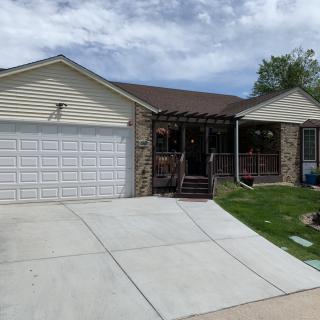


 How and When Medicaid May Cover Assisted Living Costs
 A Detailed Exploration of Assisted Living Medicaid Waivers Across the United States
 Exploring the Contrasts Between Assisted Living and Skilled Nursing