
6271 West Maplewood Place, Littleton, CO 80123
For more information about senior living options: (866) 208-4318
Overall Review of Leawood Assisted Living
Pros
 Loving Care is a special, family-run home where residents are treated with extraordinary love, kindness, and respect.
- The staff provides exceptional, individualized care that thoughtfully engages both residents and their families.
- The facility is clean, cozy, and home-like, with delicious home-cooked meals and tasteful decorations for birthdays and holidays.
- Holidays and birthdays are celebrated in style with decorations, special foods, balloons, and photos shared with families.
- Roxi and Sinica are praised for compassionate leadership and for building strong partnerships with hospice and supportive services.
- Families feel reassured knowing their loved ones are cared for as if they were family.
- The care team is reliable, responsive, and proactive in updating families about residents' needs and concerns.
- The overall environment is warm, respectful, and dignified, making Loving Care feel like an extended family.
Review
This community is best suited for families seeking an intimate, home-like assisted living experience where care feels deeply personal, and where staff know residents by name and treat every moment as family time. It excels for seniors who respond to a warm, cozy setting, hands-on attention, and highly engaged caregivers who celebrate holidays and birthdays with meaningful detail. The model shines when the resident’s needs can be met through personalized daily routines, home-cooked meals, and recommendations that come from a close-knit team. It is not the pick for those craving a large campus atmosphere, formal clinical programming, or extensive on-site medical infrastructure.
Those considering alternatives should note who may want to look elsewhere. If a resident requires robust, hospital-style medical support on-site, rapid access to specialized therapy, or a wide menu of scheduled activities and programming typical of larger facilities, a bigger community may deliver more of that structure. Families seeking extensive memory-care specialization or a dense calendar of events might find a larger operation a better fit. And for residents whose needs evolve toward intensive rehab or highly clinical oversight, a more traditional skilled-nursing environment could be preferable.
The standout pros are hard to overlook. A family-run approach translates into remarkably attentive, individualized care, staff treat residents with genuine warmth and respect, and caregiving feels less transactional and more as if a relative is at the helm. The seven-days-a-week engagement is palpable: meals are home-cooked, the environment is spotless and cozy, and celebrations of holidays and birthdays are elevated with thoughtful touches that reinforce a sense of belonging. Residents appear cherished, and families consistently report peace of mind from regular updates and open access to the care team, including partnerships with hospice teams that smooth transitions during difficult times.
On the flip side, the main trade-off is the limited scale. An eight-bedroom home means fewer staff per shift than in larger communities, and a narrower capacity for formal programming or rapid escalation of medical needs. While the intimate setting fosters deep relationships, it can also constrain the breadth of on-site resources and sometimes limit the diversity of activities and social opportunities. This is a deliberate, privacy-preserving trade-off: what is gained in personal attention can feel like a constraint for families used to a wider array of services and more pronounced clinical facilities.
That trade-off, however, is largely offset by the core strengths. The emotional and practical alignment between leaders and families reduces anxiety about quality of care. The “home first” philosophy translates into consistent routines, meticulous cleanliness, and a genuine sense that the residents are living with extended family, not merely residing in a facility. When a resident declines or requires end-of-life support, the same small-team familiarity tends to yield a compassionate, continuous care experience that families describe as profoundly reassuring. For many, the emotional climate alone justifies choosing this route over larger, more impersonal settings.
In the end, the decision hinges on priorities. If the priority is a deeply loving, small-house environment where care feels personalized to the resident and families want strong, ongoing communication, this community stands out as a premier option. It is highly recommended for those who value meals that taste like home, a spotless, comforting atmosphere, and a caregiving team willing to go beyond the call to celebrate life’s moments. If the resident requires intensive medical staffing, expansive activity calendars, or a larger, more clinical setting, alternatives with broader resources are worth exploring. Schedule a visit, ask about daily rhythms, and verify alignment with the resident’s current and anticipated needs to confirm this is the right fit.
 8 resident community capacity
 Assisted Living
 Board and Care Home
 Cable or satellite TV
 Dining room
 Fully furnished
 Garden
 Housekeeping services
 Move-in coordination
 Outdoor space
 Telephone
 Wi-Fi/high-speed internet available
 24-hour supervision
 Activities of daily living assistance
 Assistance with bathing
 Assistance with dressing
 Assistance with transfers
 Diabetes diet
 Meal preparation and service
 Medication management
 Special dietary restrictions
 Transportation arrangement (medical)
 Transportation to doctors appointments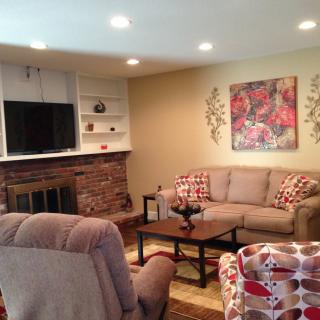





 Securing Financial Support for Assisted Living: A Comprehensive Overview
 Social Security Benefits and Assisted Living: Navigating Options Across the U.S.
 An Extensive Exploration of the VA Aid and Attendance Benefit