
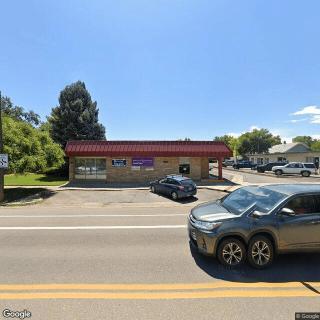
1316 11Th Avenue, Greeley, CO 80631
For more information about senior living options: (866) 208-4318
Overall Review of Kinnick Center RTF
Pros
 It is a safe haven for individuals transitioning to the next step with more freedom and responsibility.
- It is a great place for recovery.
- It is a great place for very old people.
Review
Kinnick Center RTF in Greeley, Colorado is best suited for families seeking a safety-first, recovery-focused environment that serves as a deliberate bridge to greater independence. It functions well as a calm, structured setting where residents can work toward concrete milestones and where post-acute needs are managed with clear oversight. One reviewer described it as a safe haven that supports the transition to the next step with more freedom and responsibility, signaling its strength as a transitional care option. Another observer emphasized its fit for very old residents, suggesting a stable, predictable routine that can accommodate frailty with confidence. Taken together, these signals point to a practical fit when the objective is stabilization and a measured path toward regained autonomy rather than an indefinite residence.
Those who should consider alternatives are families prioritizing ongoing independence, a vibrant social calendar, or care models that accommodate higher medical complexity on a long-term basis. The center’s recovery-centric framing implies a narrower scope: safety, routine, and transition, not a full-service, long-term living solution with expansive programming. If the aim is sustained independence, frequent social engagement, or specialized care beyond the recovery trajectory, other communities with broader service lines will typically deliver stronger value. In short, Kinnick Center RTF functions best as a stepping-stone rather than a destination for permanent residence.
The strongest advantages are practical and tangible: safety, structured routines, and coordinated recovery pathways. The environment emphasizes supervision and professional oversight, which reduces risk during fragile phases of healing or adaptation. That clarity of purpose translates into predictable days, where therapy sessions, daily tasks, and discharge planning can be aligned with specific progress targets. For families, this certainty lowers anxiety about what comes next after an acute event or hospital stay. In recovery terms, these advantages create a firm platform from which residents can regain function and confidence, making the period of residence purposeful and goal-driven rather than purely custodial.
However, the available information leaves room for doubt about long-term fit and day-to-day life beyond the recovery focus. With only two five-star reviews and little detail on activities, dining, or social opportunities, critical questions remain unanswered for families weighing a longer commitment. Questions about staffing ratios, the breadth of therapies, and how flexible the program is in response to evolving goals are prudent. Additionally, families will want to understand how the environment adapts if medical needs intensify or if a resident requires more independence than the setting typically affords. The absence of explicit specifics means visits and direct conversations are essential to verify that expectations align with actual practice.
Yet those same attributes, the emphasis on safety, oversight, and a clear transition plan, can offset potential drawbacks when a staged, goal-driven approach is desired. For families ready to map a sequence: stabilize, progress toward greater independence, and then move toward less supervision, the center’s focus becomes a strength rather than a liability. The structure reduces guesswork and provides a dependable framework for progression, which can be a decisive factor for frail seniors or recovering individuals who benefit from consistent routines and professional coordination. In this view, the Kinnick Center RTF stands as a trustworthy waypoint, offering protection and momentum without pretending to be a one-size-fits-all solution.
When preparing to evaluate this option, pursue targeted, outcome-oriented questions during tours and consultations. Clarify typical stays and discharge criteria, the exact rehabilitation services offered, and how discharge planning is integrated with family input. Probe daily life specifics, meal schedules, activity offerings, opportunities for social engagement, and accommodations for personal routines or cultural preferences, to gauge whether the environment can sustain meaningful engagement post-recovery. Compare these details against communities that emphasize lifelong independence, broader activity programming, and more expansive care ladders. If the priority is a safe, well-structured bridge to greater freedom, Kinnick Center RTF warrants serious consideration; if the goal centers on long-term independence or higher-intensity medical care in a less supervised setting, alternatives should be pursued with urgency.
 12 resident community capacity
 Assisted Living
 Cable or satellite TV
 Dining room
 Fully furnished
 Garden
 Housekeeping services
 Move-in coordination
 Outdoor space
 Telephone
 Wi-Fi/high-speed internet available
 24-hour supervision
 Activities of daily living assistance
 Assistance with bathing
 Assistance with dressing
 Assistance with transfers
 Diabetes diet
 Meal preparation and service
 Medication management
 Special dietary restrictions
 Transportation arrangement (medical)
 Transportation to doctors appointments
 Vibrant Senior Living: A Comprehensive Guide for Active Older Adults
 When to Transition from Assisted Living to Memory Care: Key Indicators, Steps, and Finding the Right Community
 Assisted Living and Memory Care: Understanding Their Core Differences