
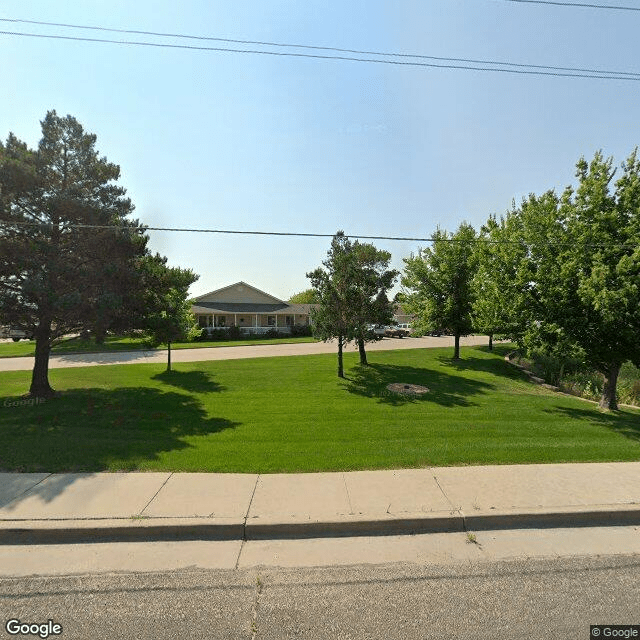
1620 Riverview Avenue, Fort Morgan, CO 80701
To contact a resident: (970) 520-0434
For more information about senior living options: (866) 208-4318
The Bee Hive - Ft. Morgan Costs & Pricing
The Bee Hive in Ft. Morgan offers a competitive monthly rate for its private rooms at $2,750, aligning closely with the average costs in Morgan County, which also stand at $2,750. In contrast, the broader state of Colorado reflects a significantly higher average cost of $4,142 for similar accommodations. This positioning not only highlights The Bee Hive as an affordable option within the local market but also underscores its value in providing quality care without straining residents' finances compared to statewide averages.
| Floor plans | The Bee Hive - Ft. Morgan | Morgan County | Colorado |
|---|---|---|---|
| Private | $2,750 | $2,750 | $4,142 |
Senior living communities with a similar price nearby
-
from +$440 / mo

Aladdin Assisted Living - Brush
$3,190 / month8.6 miles away -
About the same

The Bee Hive - Ft. Morgan II
$2,750 / month0.0 miles away
Overall Review of The Bee Hive - Ft. Morgan
Pros
 Harmony Home, formerly The Bee Hive, is recognized for its great staff that sets the tone for the housing community.
- The staff are outgoing, positive, helpful, and caring.
- They love the mother, and the mother loves them.
- Because the staff are so great, the residents are happy and outgoing, creating a pleasant atmosphere.
- The reviewers are excited to have found this place.
- The mother came for a short recovery and ended up loving Harmony Home and staying.
Review
Harmony Home in Fort Morgan is best suited for families seeking a warm, person‑centered assisted-living option where a dedicated staff drives daily life and creates a lively, social atmosphere. This community shines when residents value authentic caregiver relationships and a cheerful, outgoing peer group. The staff’s evident investment, described as outgoing, positive, helpful, and genuinely caring, translates into a living environment where residents appear happy, engaged, and comfortable with the routine. The setting benefits from a smaller, community-minded footprint that fosters familiarity, consistent interactions, and a sense of belonging, which can be especially meaningful for seniors who thrive on personal attention and immediate responsiveness from caregivers.
That sense of intimacy and warmth, however, is not a universal fit. For families facing significant medical complexity, high-level rehabilitation needs, or individuals requiring robust on-site clinical oversight, alternatives with larger campuses, more extensive in-house therapies, or specialized memory care options may be a better match. The Bee Hive/Harmony Home’s strengths, staff bonding with residents, a social, low‑stress atmosphere, and a perception of genuine care, do not automatically translate into the broad clinical resources some residents require. In short, this community is an excellent fit for those who prioritize caregiving relationships and daily sociability over clinical programming, and less ideal for cases demanding aggressive medical management or highly structured therapeutic services.
The primary advantages, the remarkable staff engagement and the resulting resident happiness, significantly offset potential downsides in this setting. When caregivers are described as loving and actively involved in daily life, families gain confidence that phone calls, updates, and personalized assistance will be timely and thoughtful. The result is a pleasant, outgoing resident population where social activities feel natural rather than perfunctory, and where a resident who fractures an arm during recovery can still find a supportive, family-like environment that accelerates a comfortable healing process. In such a climate, a temporary stay can evolve into a long-term home because the social fabric and trust become sturdy enough to outweigh the usual transitional tensions.
That said, the review landscape is modest, one heartfelt account with a perfect rating does not establish a long track record. The rename from The Bee Hive to Harmony Home signals a branding shift that deserves verification from prospective families: consistency in services, staffing levels, and the current care philosophy can fluctuate with leadership changes or branding refreshes. While the narrative of outstanding staff and happy residents is compelling, it should be corroborated through updated visits, conversations with multiple staff members, and direct discussions with residents and their families. The absence of negative feedback in a single review should invite cautious optimism rather than complacency about ongoing quality.
For families evaluating options, practical steps make the most of Harmony Home’s strengths while guarding against overreliance on a single viewpoint. Schedule a thorough tour focused on day-to-day life: observe how caregivers interact with residents, note the cadence and quality of meals, activities, and transportation, and ask about how medical needs are managed, how medication is supervised, and how emergency situations are handled. Inquire about the current staffing mix, turnover rates, and the availability of rehab services or partnerships with local clinicians. Speak with residents privately about their routines and whether they feel heard, seen, and respected. These steps help determine whether the community’s warmth and sociability align with the resident’s medical and personal needs.
Ultimately, Harmony Home is a strong option for families prioritizing a supportive, people-forward environment in a small-town setting, where staff affinity with residents translates into daily life that feels heartfelt and authentic. It aligns well with seniors who value companionship, routine, and a low-stress atmosphere over robust clinical programming. If, however, the plan hinges on extensive medical oversight, specialized dementia care, or a campus with diverse on-site therapies, it is prudent to compare with larger assisted living communities or skilled nursing facilities offering those services. In the right match, Harmony Home delivers a compelling blend of care, character, and community that can feel like a family extension rather than an institution.
 Board and Care Home
 Activities on-site
 Bath tubs
 Devotional services off-site
 Indoor common areas
 Outdoor common areas
 Private
 Respite or short term stays offered
 Ambulatory care
 Diabetic care
 High acuity care
 Incontinence care
 Medication management
 Meals provided



 Comprehensive Approaches for Arthritis: A Detailed Guide to Symptoms, Causes, and Care
 Comprehensive Insights and Practical Strategies to Help Older Adults Avoid Falls
 6 Crucial Ways an Elder Law Attorney Assists Families