

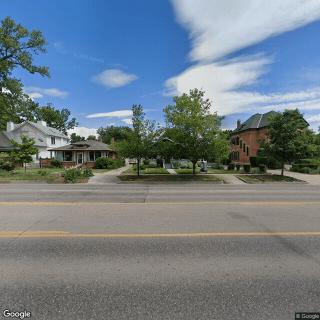
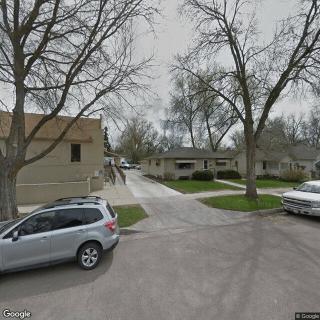
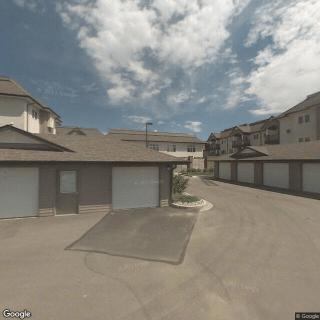
826 Blondel St, Unit 101, Fort Collins, CO 80524
To contact a resident: (970) 631-8251
For more information about senior living options: (866) 208-4318
Overall Review of Seniors Helping Seniors
Pros
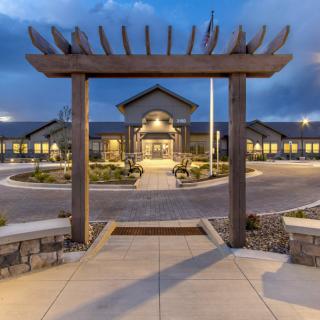
 The tour of the facility was very informative.
- The staff seemed friendly.
- All spaces were very clean.
- Residents seemed engaged in activities.
- Seniors Helping Seniors has gone above and beyond to provide ideal caregivers.
- The caregivers who come out are very compassionate.
- They are dedicated to meeting clients' needs and always respond quickly.
- They put their heart and soul into the care they provide.
- The service they provide is very satisfactory.
- They bend over backward for clients and provide excellent caregivers.
Review
This community is best suited for families seeking highly personalized, in-home style senior support delivered with warmth, reliability, and clear accountability. It fits seniors who prize social engagement, day-to-day safety oversight, and help with meals and activities without a formal, institutional feel. The model hinges on careful caregiver matching, strong coordinator involvement, and rapid responsiveness, producing a relational, family-like atmosphere where residents are known and cared for. For families juggling caregiving duties from afar, the consistent presence of trusted caregivers and a responsive team can dramatically reduce worry and improve day-to-day quality of life.
That said, some may want to consider alternatives. For anyone requiring formal dementia-specific programming with robust clinical oversight, or a traditional assisted-living environment with on-site nursing and medical round-the-clock coverage, this model may not meet expectations. Those who prefer a fixed, single-caregiver assignment per shift rather than a rotating pair might also encounter early volatility until scheduling stabilizes. Additionally, prospective plans with precise dementia-training credentials or institutional oversight should verify exactly what constitutes credentialing and ongoing education.
The strongest positives hinge on the caregivers’ compassion, rapid responsiveness, and the deliberate matching process. Reviews repeatedly highlight caregivers who “bend over backward” to meet needs, with fast communication and dependable availability. The coordinator stands out as a critical asset, personally meeting families, staying involved, and ensuring continuity by bringing out the same two caregivers over time. This continuity translates into genuine rapport: the same caregivers build trust with the senior, others observe the caregiver’s approach, and relatives gain confidence that the daily routine will be consistently carried out with care and attentiveness.
Operationally, the experience reads as well-organized and resident-centered. Tours emphasize clean spaces, engaged residents, and staff who are approachable and friendly, with a culture of responsiveness to concerns. The combination of socialization opportunities, safety oversight, and regular meals is presented as a coherent, well-rounded support system. The references to Linda and the organization suggest a leadership dynamic that values personal touch, responsiveness, and the ability to adapt plans as family needs evolve. This alignment between family expectations and service delivery is a practical strength in real-world decision-making.
For families weighing this option, several practical questions sharpen the decision. Seek specifics on dementia training: what modules exist, who delivers them, and how ongoing refreshing is implemented. Inquire about caregiver-to-resident ratios and the process for substituting caregivers while maintaining continuity. Request a meet-and-greet with the coordinator and a clear outline of how scheduling works, including what happens when a primary caregiver is unavailable. Clarify cost structures, trial periods, and the process for escalating concerns. Consider requesting a short-term arrangement to observe how well the caregiver match performs in real life, and insist on documented milestones for safety, nourishment, and social engagement. The pattern of responsiveness and proven caregiver fit strongly supports a decision for those prioritizing personalized, compassionate support over a more clinical, facility-driven model.




 A Detailed Exploration of Living Wills and Advance Directives
 Comprehensive Guide to Medicare Coverage for Hospice Care
 Caring for Those Who Care: Recognizing, Understanding, and Overcoming Caregiver Burnout