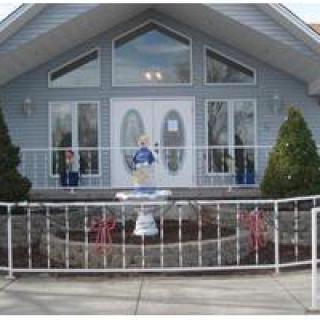
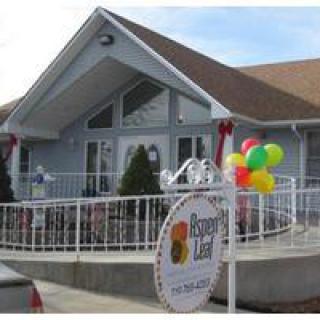

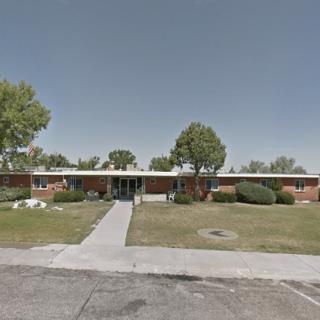
419 Pawnee Avenue, Flagler, CO 80815
For more information about senior living options: (866) 208-4318
Overall Review of Aspen Leaf Assisted Living Residence
Pros
 Kathy and Dan went above and beyond to make his dad comfortable and address his ever-increasing needs.
- The meals were delicious.
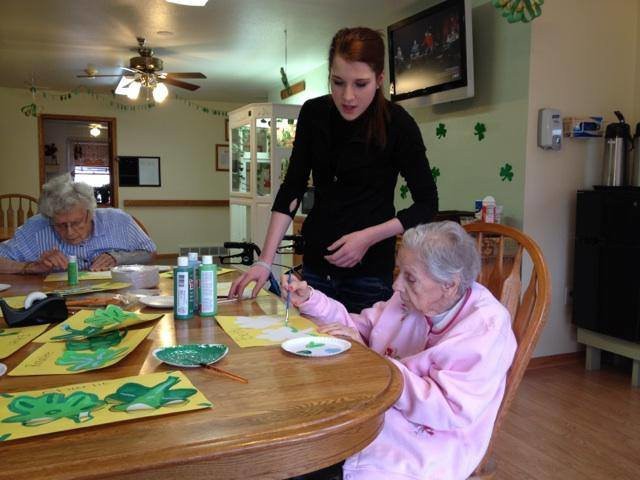
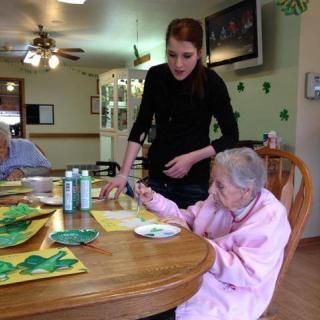
- The activities were interesting.
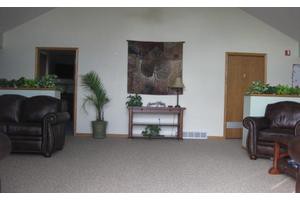
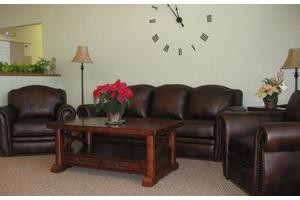
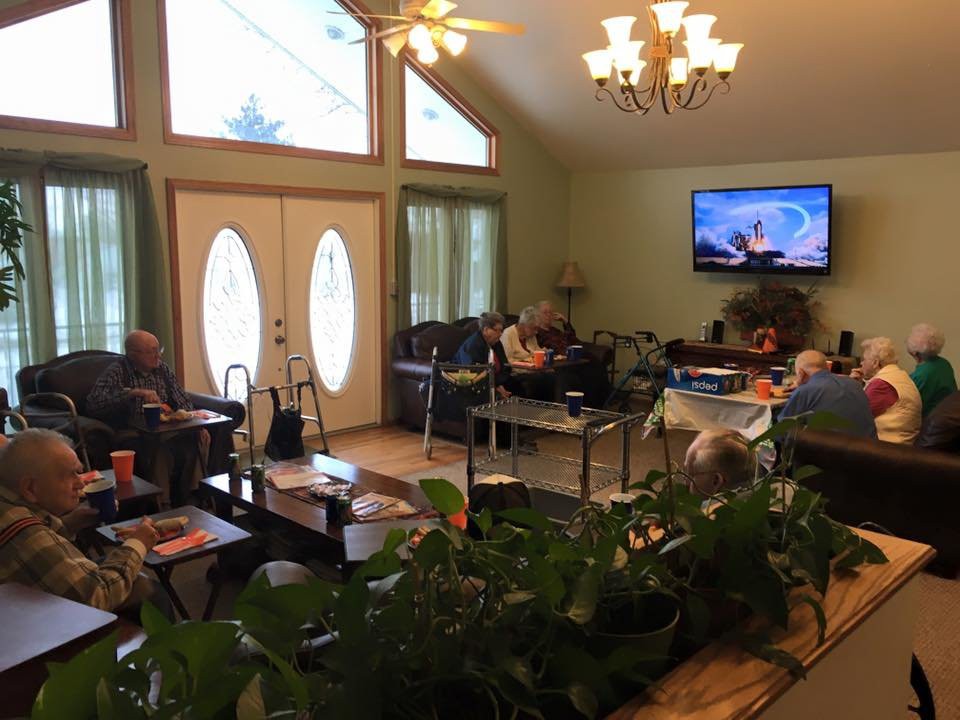
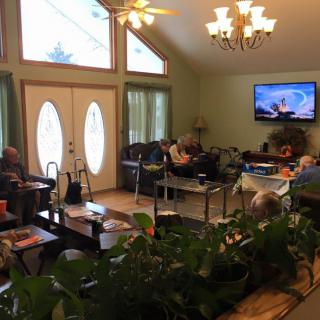
- The feeling of home at Aspen Leaf makes it highly recommendable for a loved one.
Review
Aspen Leaf Assisted Living Residence in Flagler, Colorado is best suited for seniors who value a warm, home-like environment and steady, relationship-first care delivered by a small, tightly knit team. The community excels for residents who thrive on consistent, proactive attention from caregivers who treat daily needs, medication reminders, mobility assistance, meal preferences, with patience and respect. The enduring takeaway from the reported experience is a life that feels anchored in routine, with familiar faces and a sense of belonging that makes daily living smoother and more enjoyable. For families seeking a true “home away from home” where staff know habitual preferences and respond with genuine care, Aspen Leaf stands out as a practical and comforting choice.
That said, some may want to consider alternatives, particularly when medical complexity or the desire for a larger, more hospital-like operation is a priority. If a resident requires constant skilled nursing, advanced wound care, IV therapies, or specialized memory care with tightly structured programming, a bigger campus or a facility dedicated to memory support may provide the necessary scale and clinical depth. Aspen Leaf’s strengths, personal attention, homelike atmosphere, and staff continuity, may not align with situations needing intensive medical oversight or highly specialized services. Families should be candid about current and anticipated care needs to determine whether a small, intimate setting will continue to meet evolving requirements.
The most compelling pros center on the staff’s devotion and the resulting relationship-based care. Kathy and Dan emerge as exemplary caregivers, described as going above and beyond to ensure comfort and to manage increasing care needs. That level of responsiveness translates into tangible benefits: residents feel seen, safety is reinforced through consistent attention, and family members gain confidence that daily life is managed with both competence and warmth. Meals are highlighted as delicious and appealing, while the activities program offers intellectual and social engagement that counters isolation and promotes a sense of purpose. The combination of good food, meaningful activity, and a homey environment creates a high quality of daily life that compounds the value of steady caregiving.
These strengths offset typical constraints associated with smaller residences by delivering continuity, trust, and a low-stress atmosphere. In many communities, staff turnover or impersonality can erode a resident’s sense of home; Aspen Leaf’s six-year example, where a family could rely on stable caregiving, mitigates that risk. The homelike ambiance, coupled with predictable routines and attentive companionship, helps residents maintain mood, appetite, and cognitive engagement. While facilities with broader medical capabilities may offer more on paper, the practical impact of strong, consistent caregiving often translates into better overall well-being and fewer disruptive moves, an important consideration for families prioritizing stability over breadth of services.
For families weighing decisions, practical criteria should guide the next step. Focus on three questions: how does the staff handle rising care needs as they occur, what does the evolving care plan look like, and how does the environment sustain a home-like feel while maintaining safety and dignity? A tour should probe daily interactions, visit during various times of the day to observe how caregivers connect with residents, how communication flows with families, and whether the same caregivers are visible across shifts. It’s prudent to meet multiple staff members beyond the primary caregivers to gauge consistency. Clarify who coordinates medical visits and how often, and request a transparent sense of cost, what’s included, and what might change if care needs intensify.
In the end, Aspen Leaf Assisted Living Residence represents a strong choice for families seeking an intimate, person-centered setting where care teams know residents well, meals delight, and daily life feels like home. It is not the ideal option for those requiring intensive clinical supervision or expansive, hospital-style services. For residents who flourish with stability, personal attention, and meaningful routine, Aspen Leaf delivers notable value that can make the difference between a stressful transition and a comfortable, well-supported aging-in-place. Prospective residents should engage directly with the caregivers who carry daily responsibilities, verify that the level of medical oversight matches current and anticipated needs, and arrange visits that reveal how life on a typical day actually unfolds.
 16 resident community capacity
 Assisted Living
 Board and Care Home
 Respite Care
 Cable or satellite TV
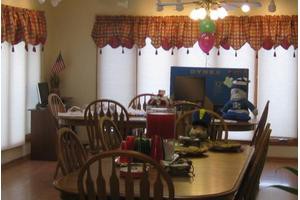
 Dining room
 Fully furnished
 Garden
 Housekeeping services
 Move-in coordination
 Outdoor space
 Telephone
 Wi-Fi/high-speed internet available
 24-hour supervision
 Activities of daily living assistance
 Assistance with bathing
 Assistance with dressing
 Assistance with transfers
 Diabetes diet
 Meal preparation and service
 Medication management
 Special dietary restrictions
 Transportation arrangement (medical)
 Transportation to doctors appointments

 Social Security Benefits and Assisted Living: Navigating Options Across the U.S.
 An Extensive Exploration of the VA Aid and Attendance Benefit
 Senior Transition Services: Understanding Their Role, Cost, and Importance