
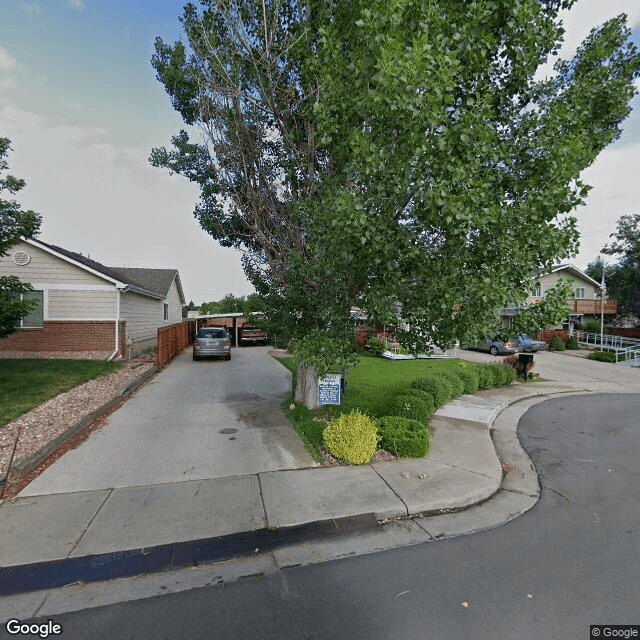
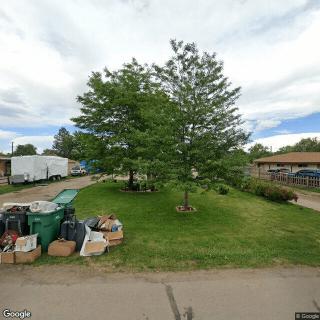
431 S Fenton, Lakewood, CO 80226
To contact a resident: (303) 937-3473
For more information about senior living options: (866) 208-4318
The Rising Sun Senior Home Costs & Pricing
The Rising Sun Senior Home offers competitive monthly rates for its residents compared to both Jefferson County and the broader state of Colorado. For those seeking semi-private accommodations, The Rising Sun charges $2,500 a month, which is significantly lower than the county average of $4,114 and the state average of $4,009. Similarly, for private rooms, residents pay $3,000 per month at The Rising Sun, again undercutting the county's average of $4,253 and the state's average of $4,142. These cost structures not only reflect an appealing option for prospective residents but also highlight The Rising Sun's commitment to providing quality care at an accessible price within a market that typically sees much higher expenses.
| Floor plans | The Rising Sun Senior Home | Jefferson County | Colorado |
|---|---|---|---|
| Semi-Private | $2,500 | $4,114 | $4,008 |
| Private | $3,000 | $4,253 | $4,142 |
Senior living communities with a similar price nearby
-
from +$400 / mo
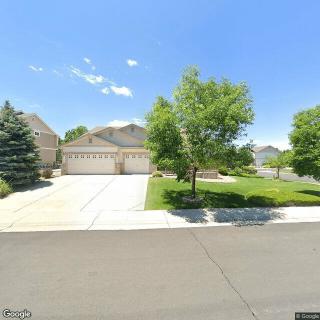
Rose Of Sharon Weaver Assisted Living
$2,900 to $4,000 / month16.5 miles away -
About the same
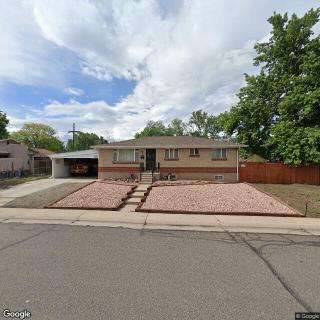
Spring Cove Care Home
$2,485 to $3,685 / month1.6 miles away -
from +$440 / mo
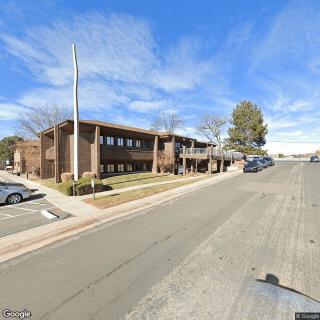
Visiting Angels
$2,940 / month9.2 miles away -
from -$300 / mo

V-Esprit
$2,200 to $2,700 / month14.4 miles away -
from -$240 / mo
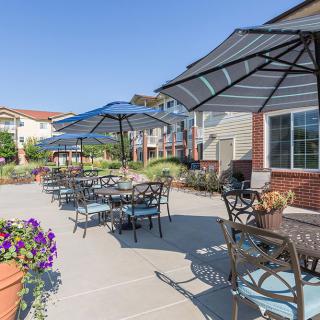
Lakeview Senior Living
$2,260 to $3,795 / month3.6 miles away
Overall Review of The Rising Sun Senior Home
Cons
 The mother was coaxed to move here.
- The food is sub-standard and minimal.
- There is almost zero care.
- The mother was willing to go to the "Y" just to get out of here.
Review
The Rising Sun Senior Home in Lakewood, Colorado is best suited for a senior who truly requires minimal daily care and who prioritizes affordability and independence over robust service quality. The limited firsthand accounts available portray a setting where staff responsiveness and meal quality are not core strengths, implying that only residents who can largely self-manage and tolerate basic, uncertain dining experiences would fit. For families watching costs closely, and willing to accept a lower level of caregiving, this community may seem like a bare-bones option. However, the price of that trade-off is the risk that safety, dignity, and daily comfort are not reliably supported.
Those who should actively consider alternatives include families with loved ones who need regular help with activities of daily living, medication management, mobility assistance, or fall prevention. If dining quality or the attentiveness of caregivers is important, this is not a place that delivers on those expectations. Prospective residents who require consistent supervision and quick, compassionate responses to needs should look elsewhere. The recurrent assertion that a move-in was coaxed raises additional concerns about consent, transparency, and whether the staff truly has residents’ best interests at heart.
From a practical decision-making perspective, no credible positives rise to counter the dominant negatives. The reviews provide no clear evidence of reliable staffing, engaging activities, safe environments, or meaningful wellness supports. Substandard, minimal meals paired with “almost zero care” create an unsustainable baseline for long-term health and well-being. Without demonstrable strengths in basic care, safety, or quality of life, any potential cost savings quickly evaporate when considering risk, health outcomes, and peace of mind for families.
Safety and governance concerns are the most compelling reasons for caution. The claim of “almost zero care” implies gaps in essential tasks, delayed responses to emergencies, and potential neglect of medications or mobility needs. The suggestion that residents are coaxed into moving there compounds distrust and indicates a troubling dynamic between staff and residents. These aren’t minor complaints; they signal systemic issues that could jeopardize a resident’s health and dignity. Any evaluation should prioritize transparent governance, verifiable staffing practices, and a history of regulatory compliance before considering admission.
Decision-making steps should be concrete and disciplined. Request current state inspection reports and any enforcement actions, and scrutinize staffing ratios by shift to understand real-time coverage. Seek a sample weekly menu, inquire about dietary accommodations, and verify whether a dedicated dietary supervisor exists. Schedule thorough tours at different times, speak with front-line caregivers, and, most critically, talk with residents about daily routines, responsiveness, and overall satisfaction. If possible, arrange a trial stay and compare promised services with on-the-ground experiences. Confirm all costs, contract terms, and what happens if care needs intensify.
Bottom line: the reported experiences place Rising Sun Senior Home outside the realm of reliable choices for most families. The lack of positive indicators, combined with strong red flags around care quality, nutrition, autonomy, and transparency, makes this facility a high-risk option. In Lakewood, aim for communities with demonstrated positive ratings, transparent staffing, consistent caregiver engagement, and clear, nutritious dining programs. The prudent course is to favor options that prioritize dependable care and resident dignity, rather than pursuing cost as the sole differentiator. Families deserve placements where safety, responsiveness, and quality of life are clearly and consistently delivered.
 Board and Care Home
 Private
 Denver International (23 miles away)
 Diabetic care
 High acuity care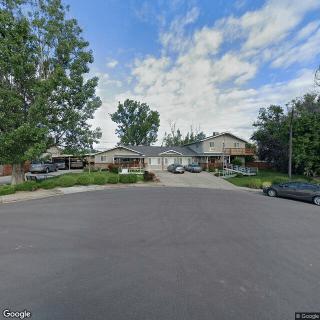
 Home-like atmosphere with caring ownership and strong community.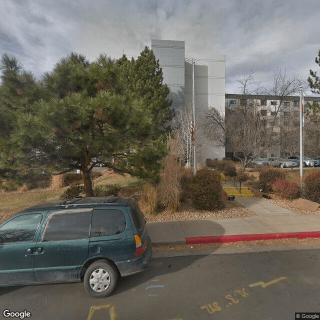


 Home Health Care Aides: Understanding Their Role and Supporting Your Family
 Urinary Tract Infections in Older Adults: Comprehensive Insights on Symptoms, Treatment, and Prevention
 California's Form 602A: An In-Depth Examination of Senior Care Assessment