
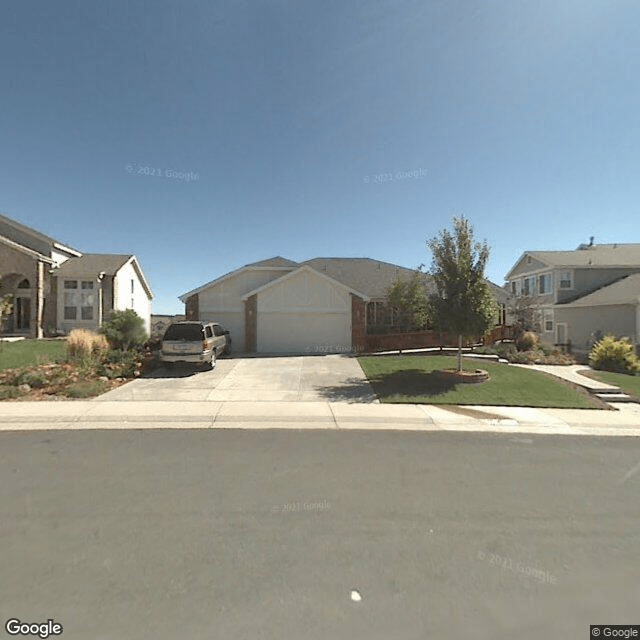
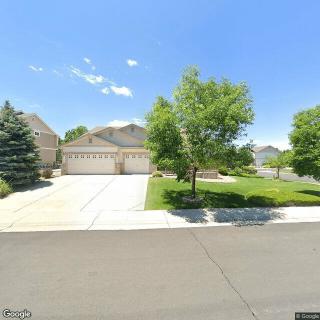
1640 Wild Rye Court, Castle Rock, CO 80109
For more information about senior living options: (866) 208-4318
Castle Rock Assisted Living 1 Costs & Pricing
Castle Rock Assisted Living 1 offers competitive pricing for its residents compared to the broader market in Douglas County and across Colorado. For a semi-private room, the cost at Castle Rock is $3,600 per month, significantly more affordable than the county average of $4,298 and the state average of $4,009. Similarly, those seeking a private room will find rates at Castle Rock to be $5,000 monthly; while this is higher than both the county's average of $4,485 and Colorado's state average of $4,142, it reflects the unique amenities and personalized care that Castle Rock provides. Overall, these pricing dynamics suggest that Castle Rock Assisted Living 1 offers a compelling choice for those considering assisted living options in the area.
| Floor plans | Castle Rock Assisted Living 1 | Douglas County | Colorado |
|---|---|---|---|
| Semi-Private | $3,600 | $4,298 | $4,008 |
| Private | $5,000 | $4,485 | $4,142 |
Assisted Living communities with a similar price nearby
-
from -$600 / mo

A Loving Hand Assisted Living
$3,000 / month19.4 miles away -
About the same
Castle Rock Assisted Living II
$3,600 to $4,100 / month0.3 miles away -
About the same
Auburn View Assisted Living
$3,500 to $5,600 / month22.1 miles away -
About the same
Legacy House Elder Care on Berry
$3,500 to $4,000 / month20.4 miles away -
from -$700 / mo
Rose Of Sharon Weaver Assisted Living
$2,900 to $4,000 / month15.8 miles away
Overall Review of Castle Rock Assisted Living 1
Pros
 The caregivers provide very personal and considerate care, with little turnover so families get to know them.
- The setting feels like a home, with welcoming staff and open visiting hours.
- Meals are homemade, varied, and nicely presented.
- Families receive regular updates with photos and videos, and changes are communicated promptly.
- Weekly activities like music, chair exercise, and crafts keep residents engaged.
- Hospice is arranged when needed and care is adjusted appropriately.
- The owner and staff are compassionate, attentive, and highly dedicated to residents' well-being.
Cons
 The facility does not take residents out for outings due to lack of transportation, which disappointed a reviewer.
- Some meals are so-so and could be better.
- It was the most expensive option among those looked at.
Review
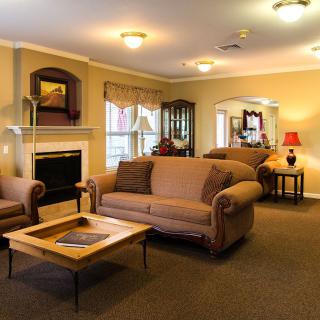
Castle Rock Assisted Living 1 is best suited for families seeking a small, intimate, home-like setting where caregivers stay long-term and residents receive highly personal attention. The community shines for seniors who want private rooms, homemade meals, and a daily rhythm built around in-house activities, with staff who know the resident well and communicate consistently. It’s a strong fit for elders who do not require high-acuity medical oversight every day and who value a family-like atmosphere over a clinical, institutional environment. In short, this is a solid match for families prioritizing relationship-driven care, dependable updates, and a warm, less “institutional” experience.
For those who may want to consider alternatives, the caveats are clear. Any family prioritizing frequent outings, transportation for activities, or highly structured external programming may find the offerings here limiting. Those with complex medical needs, memory-care requirements, or the expectation of on-site 24/7 nurse supervision may be better served by communities designed for higher acuity or specialized dementia care. Budget-conscious buyers should also compare price points, as some families encounter care marshalling costs that are harder to sustain over time, despite the strong quality of care on offer.
The strongest positives center on staffing stability, personalized attention, and transparent communication. Caregivers at CRAL are described as sincere, consistent, and long-tenured, delivering daily routines that keep residents engaged and feeling at home. Regular updates, often with photos or videos, help families stay connected, and the team’s attentiveness extends to health changes, with timely guidance when adjustments are needed. The in-house model yields meaningful daily interaction, with meals prepared on-site, a sense of routine, and a home environment that reduces the stress of transition. For families, this combination translates into genuine peace of mind.
Complementing the staff strengths are practical care supports: in-house physician input on a weekly basis and access to physical therapy, alongside activities such as music, crafts, and light exercise. Private bedrooms are highlighted as a meaningful perk, and the owner’s visible involvement reinforces a sense of accountability and hands-on leadership. The ability to coordinate hospice and other support services within the same setting further enhances overall continuity of care. These advantages help offset drawbacks that inevitably surface in a smaller, home-anchored operation, providing a stable core of daily life that many families value when a loved one’s safety and comfort are paramount.
Where the model shows its limits, the absence of organized outings and transportation stands out. Some families express a desire for more external excursions, which CRAL does not consistently provide, relying instead on in-house programming. Meal quality is not uniformly perfect in every review, with a few comments noting opportunities for menu variety or refinement. Price sensitivity also arises in comparisons with other options in the area, especially when higher rates accompany the intimate, family-like environment. Yet these cons are largely contained by the tangible benefits: the consistent, loving care, open communication, and a home-style setting that can outweigh the desire for frequent external activities and a lower price tag.
In decision terms, Castle Rock Assisted Living 1 delivers a compelling value for families prioritizing stable relationships, a home-centered ambiance, and proactive, involved ownership. It excels when the goal is dependable daily care, intimate caregiver-resident dynamics, and clear, ongoing family updates. Alternatives are worth considering for those who must have transportation for outings, require higher medical acuity coverage, or seek aggressively lower costs. The questions to ask now center on specific needs: Can the community provide the level of medical oversight required? Are outings and transportation available or affordable elsewhere? How flexible is the pricing as care needs evolve? With the right alignment of needs and expectations, this CRAL location offers a reassuring, people-first setting that often proves to be the right home for a loved one.
 9 resident community capacity
 Assisted Living
 Board and Care Home
 Respite Care
 Cats allowed
 Dogs allowed
 Cable or satellite TV
 Dining room
 Fully furnished
 Garden
 Housekeeping services
 Move-in coordination
 Outdoor space
 Private
 Telephone
 Wi-Fi/high-speed internet available
 24-hour supervision
 Activities of daily living assistance
 Assistance with bathing
 Assistance with dressing
 Assistance with transfers
 Diabetes diet
 Diabetic care
 High acuity care
 Meal preparation and service
 Medication management
 Special dietary restrictions
 Transportation arrangement (medical)
 Transportation to doctors appointments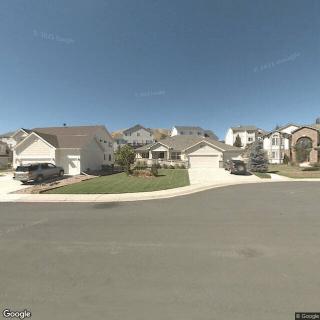


 Understanding the Distinctions: Assisted Living and Memory Care Explained
 Guiding Elderly Parents Who Refuse Assisted Living: 6 Practical Steps
 Your Comprehensive Guide to Luxury Assisted Living: Elevated Facilities, Amenities, and Costs