
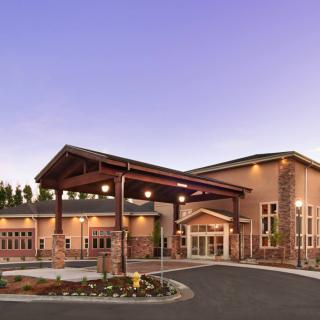
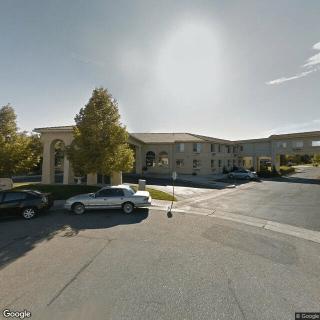
9423 West 64Th Avenue, Arvada, CO 80004
For more information about senior living options: (866) 208-4318
Wildflower Assisted Living Arvada Costs & Pricing
Wildflower Assisted Living Arvada offers competitive pricing for its studio accommodations, with a monthly cost of $2,695. This rate stands in stark contrast to the average costs in Jefferson County, which are approximately $4,174, and the broader state of Colorado, where the average is around $4,090. By providing a more affordable option without compromising on quality care and amenities, Wildflower Assisted Living Arvada presents an appealing choice for families seeking supportive living environments that fit within their financial plans. This strategic pricing not only makes it a viable alternative but also ensures residents receive the necessary assistance in a comfortable setting.
| Floor plans | Wildflower Assisted Living Arvada | Jefferson County | Colorado |
|---|---|---|---|
| Studio | $2,695 | $4,174 | $4,088 |
Assisted Living communities with a similar price nearby
-
from +$305 / mo

A Loving Hand Assisted Living
$3,000 / month14.3 miles away -
from +$205 / mo
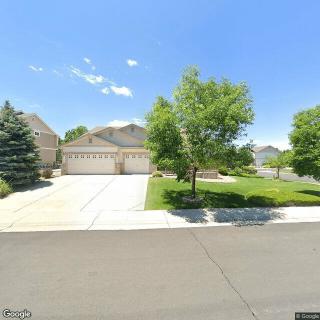
Rose Of Sharon Weaver Assisted Living
$2,900 to $4,000 / month22.4 miles away -
from -$225 / mo

Someren Glen Retirement Community
$2,470 to $3,975 / month17.8 miles away -
from +$305 / mo
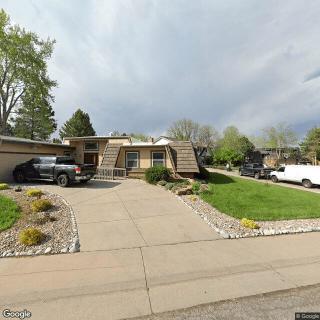
Meadow Vista Assisted Living At Walden
$3,000 to $3,500 / month16.4 miles away -
from -$156 / mo
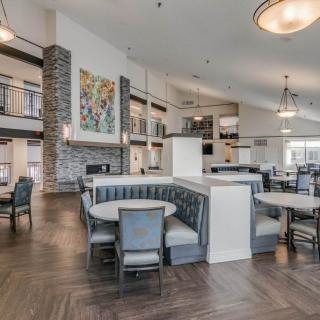
San Marino Retirement Community
$2,539 to $4,348 / month3.0 miles away
Overall Review of Wildflower Assisted Living Arvada
Pros
 The staff and residents quickly became Steve's family, providing love and companionship.
- Steve's last years at Harmony were filled with joy and love thanks to the care and support he received.
- The environment is loving, peaceful, and inclusive, with residents looking out for one another.
- The staff are described as real heroes—gentle, caring, selfless, and dedicated to safety and dignity.
- The owner is attentive and solution-oriented, listening to concerns and making thoughtful accommodations.
- Harmony welcomes meaningful activities and even service dogs, creating a welcoming atmosphere.
- The owner personally helped tailor experiences by furnishing a room, adding a piano and a bird feeder, and arranging transportation to dialysis.
Cons
 The reviewer criticized that Harmony has only one relatively small public space, forcing residents to spend time in each other’s company or in their rooms.
- The reviewer questioned the validity of the preceding review, implying its description may not accurately reflect Harmony.
- The reviewer asserted that there is no resident as described in the previous review, suggesting the earlier praise could be inaccurate.
Review
This community is best suited for families and residents who want a warm, home-like environment where care feels personal, hands-on, and deeply compassionate. The testimonials describe an intimate setting in which staff and ownership become like family, and where residents’ daily lives, activities, pets, favorite pastimes, are folded into a caregiving plan. It shines for someone who values dignity, steady emotional support, and flexible, resident-centered problem solving over a polished, institutional feel. For a senior who thrives with frequent staff interaction, meaningful individual attention, and a sense of belonging, this would be a strong match.
Those seeking a larger campus with expansive common areas, a formal activities calendar, and a more traditional, clinical ambiance should consider alternatives. The strongest critiques in the feedback point to a space that functions like a remodeled house with limited public areas. If a bustling social scene, multiple gathering spots, or a wide-ranging program of group outings is non-negotiable, this setting may fall short. Families weighing options should be clear about their loved one’s tolerance for smaller gathering spaces and the trade-off for that intimate, homey atmosphere.
The core strengths rise from remarkable staff engagement and owner accessibility. Reviews consistently credit the caregivers with providing safety, dignity, and genuine warmth, even in challenging moments. One heartening thread is the willingness to tailor the environment to individual needs, adding a piano, installing a bird feeder, and furnishing a room at no charge, demonstrating a practical commitment to comfort and stimulation. The ability to accommodate a beloved service dog reinforces a welcoming, inclusive culture and signals a readiness to support meaningful routines outside strictly medical care.
Flexibility and proactive problem-solving emerge as standout advantages. The owner’s involvement in logistics, from coordinating transportation for regular dialysis to smoothing house-rule tweaks to fit a resident’s needs, illustrate a caregiving philosophy that prioritizes what works for families and residents, not rigid policy. This can translate into better safety, smoother transitions, and more effective coordination with outside services. However, this same flexibility can create a perception of inconsistency if expectations aren’t clearly aligned from the outset, so prospective families should confirm how decisions are made and who provides day-to-day guidance.
One notable constraint mentioned is the limited common space, a direct consequence of the remodeling that gives the home-like feel. For residents who value “being in the mix”, a constant social hub or a bustling dining room, this may feel constraining over time. Yet for others, especially those who prize quiet companionship, the small, intimate footprint can be a comfort, reducing overstimulation and promoting meaningful connections in a more manageable setting. The trade-off between warmth and activity density is the defining practical hinge for decision-making here.
For families evaluating this option, a structured set of questions will clarify fit: How does staff-to-resident time break down across shifts? What exact supports are available for end-of-life care and daily living tasks? How are special requests coordinated, and who approves exceptions? How does ownership visibility translate into daily routines and consistency? What steps are taken to ensure meaningful daily activities within the limited public space? By anchoring the decision to these specifics, the choice becomes clear: prioritize deeply personal, flexible care and a family atmosphere, or opt for a larger, more structured setting with more club-like programming. A visit with a prepared list of questions will help determine whether this intimate, owner-driven model aligns with the loved one’s priorities and the family’s expectations.
 8 resident community capacity
 Assisted Living
 Board and Care Home
 Cable or satellite TV
 Dining room
 Fully furnished
 Garden
 Housekeeping services
 Move-in coordination
 Outdoor space
 Telephone
 Wi-Fi/high-speed internet available
 Denver International (23 miles away)
 24-hour supervision
 Activities of daily living assistance
 Assistance with bathing
 Assistance with dressing
 Assistance with transfers
 Diabetes diet
 Meal preparation and service
 Medication management
 Special dietary restrictions
 Transportation arrangement (medical)
 Transportation to doctors appointments


 Assisted Living Expenses and Long-Term Care Insurance: A Comprehensive Exploration
 Securing Financial Support for Assisted Living: A Comprehensive Overview
 Social Security Benefits and Assisted Living: Navigating Options Across the U.S.