
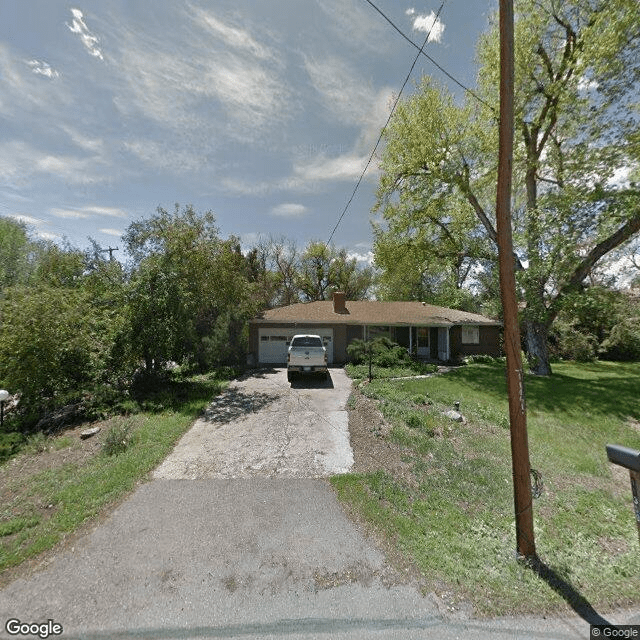
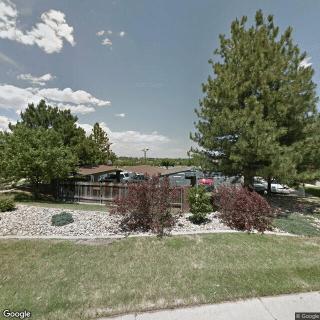
11340 W. 38th Ave., Wheat Ridge, CO 80003
To contact a resident: (303) 422-0871
For more information about senior living options: (866) 208-4318
Senior Villa Costs & Pricing
Senior Villa offers competitive pricing for its residents, with costs significantly lower than the average market rates in Jefferson County and across Colorado. For a one-bedroom unit, the monthly fee at Senior Villa is just $575, a stark contrast to the county's average of $4,076 and the state's average of $4,119. Similarly, two-bedroom accommodations are priced at $675, while residents in Jefferson County typically pay around $4,881 on average and those throughout Colorado face a slightly lower average of $4,580. This pricing structure not only makes Senior Villa an attractive option for seniors but also highlights its commitment to providing affordable housing solutions within the community.
| Floor plans | Senior Villa | Jefferson County | Colorado |
|---|---|---|---|
| 1 Bedroom | $575 | $4,076 | $4,118 |
| 2 Bedrooms | $675 | $4,881 | $4,580 |
Senior living communities with a similar price nearby
-
from -$30 / mo
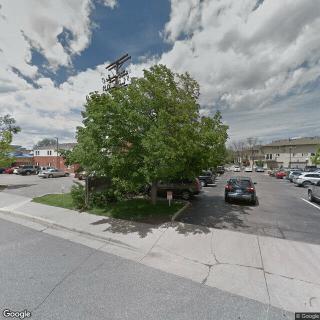
Kentucky Circle Village
$545 / month11.4 miles away -
from -$47 / mo
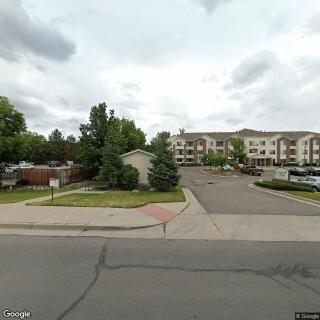
Columbine Village at Arvada
$528 to $631 / month2.7 miles away -
from +$76 / mo
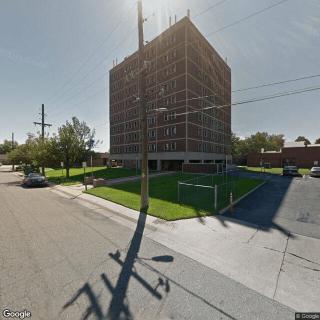
Liggins Tower
$651 to $813 / month10.5 miles away -
About the same
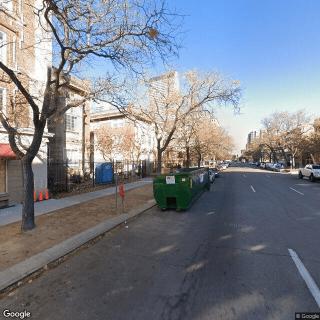
The Argonaut El Tovar
$567 to $3,000 / month7.7 miles away -
from +$22 / mo
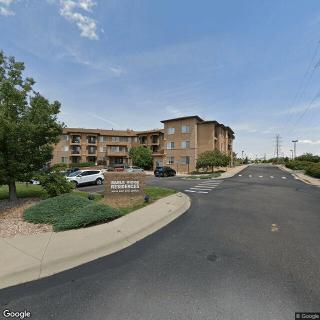
Sable Ridge Apartments
$597 to $720 / month16.7 miles away
Overall Review of Senior Villa
Pros
 The property is quiet, clean, and well-maintained, with thorough, accommodating, and professional management in a nice neighborhood.
 - The place is great, and residents' families are happy living there.
- Residents have lived there for years and enjoy renovated interiors, spacious apartments, and modern amenities.
- The maintenance staff is excellent and responds promptly to work orders.
- The administrative staff adheres to government regulations regarding low-income housing.
- Residents enjoy a million-dollar view and would not consider living elsewhere.
- The area is enjoyable and the apartments meet residents' needs.
Cons
 The reviews describe Archway Management as harassing, intimidating, and retaliatory toward residents, and as interfering with council business.
 - They allege residents are told not to contact HUD and are directed to reach a specific staff member, Laura.
- They claim council members are publicly shamed during town hall meetings, causing disrespect to a vulnerable community.
- The Senior Villa Apartments manager is characterized as tyrannical, prone to yelling, and issuing eviction or towing threats over minor issues.
- There are reports that rent delays due to Social Security issues trigger eviction notices and late fees, fostering fear among seniors.
- Safety concerns are raised about sidewalks iced over, creating fall risks for seniors with mobility aids.
- Some reviewers allege schemes involving the manager and a longtime tenant, including evictions, deposits, and housing changes, with accusations of organized crime.
Review
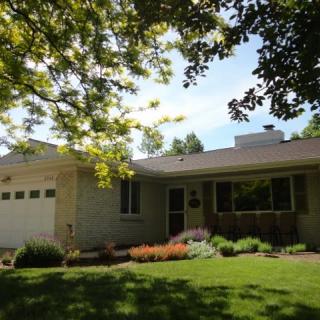
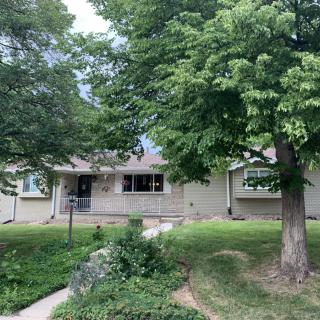
Senior Villa in Wheat Ridge is best suited for independent seniors who need an affordable, low-cost housing option and are prepared to navigate a management climate that is anything but uniformly supportive. The community operates as a senior-only, income-conscious setting with renovated apartments and a quiet neighborhood vibe that some residents genuinely value. For residents who prize a straightforward, maintenance-responsive environment and can tolerate a housing culture that emphasizes rules and documentation, this can be a workable, budget-conscious choice.
That said, this property is not a fit for everyone. Families and individuals who require consistent warmth from management, predictable policies, and a culture of empathy may want to consider alternatives. The most salient red flags revolve around management conduct and how disputes with tenants are handled, including eviction threats and highly charged interactions. Parking frustrations, uneven handling of late notices, and serious concerns about outdoor safety, especially icy sidewalks, also weigh heavily against the upside of cost savings and renovated units. In short, if respectful, resident-centered supervision is non-negotiable, this community merits a different review.
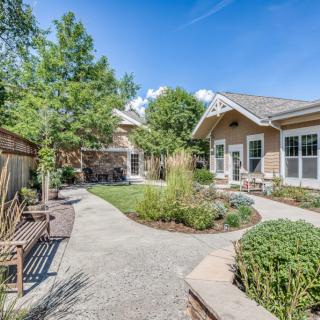
The strongest positives are tangible: recently renovated interiors, spacious apartments, reliable maintenance, and a neighborhood setting that feels calm and manageable for independent living. One resident highlights a “million dollar view,” and multiple notes point to the upkeep of facilities and adherence to applicable low-income housing regulations. For residents who measure value in comfort and modernized living space, these elements can translate into real daily satisfaction. The maintenance team is frequently praised for responsiveness, which matters when there are routine repairs or updates needed in aging units.
Yet the negatives are persistent and potentially mission-critical. A pattern emerges of residents describing a management style that feels punitive or controlling, with repeated accounts of harsh interactions and threats of eviction for minor or administrative missteps. Reports of harassment, intimidation, and interference with tenant councils create a climate of fear rather than safety. The impact of these leadership dynamics extends beyond disputes, shaping how residents interact with staff, how confidently they can advocate for themselves, and even how security deposits, notices, and leases are handled. When fear replaces collaboration, the overall quality of life chips away at what the renovated interiors promise.
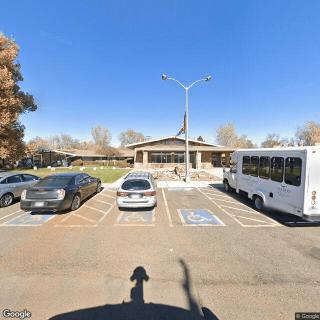
Safety and accessibility concerns further tilt the calculus. Independent seniors who use walkers, oxygen, or other assistive devices may find the outdoor conditions treacherous due to ice on sidewalks, with one particularly alarming account of an officer slipping while a body was being removed. Parking and handicap access are described as problematic, with some residents feeling constrained or threatened by enforcement practices. Deposit disputes and the suggestion of inconsistent or punitive financial penalties add another layer of risk for households on tight budgets. These factors collectively erode the perceived value of the modern conveniences inside the apartments.
For families evaluating options, the prudent approach is to verify several practical realities before committing: how management handles late notices and deposits, what contingent policies exist for emergency or temporary absences, and whether there is a clear, fair process for grievances. A tour at various times, conversations with current residents about daily life, and a concrete plan for ice and sidewalk maintenance are essential. Also, assess whether alternative communities offer stronger on-site safety features, more predictable management behavior, and a culture that prioritizes resident dignity over administrative maneuvering. If these are non-negotiable, it is wise to look elsewhere.
Ultimately, Senior Villa presents a divergent value proposition: affordable, renovated living space in a quiet, amenity-friendly setting, paired with a management dynamic that can undermine the resident experience. For some, the financial relief and quality of the apartments will justify the tradeoffs; for others, the risk of harsh treatment, eviction pressures, and safety hazards is too great. The responsible conclusion is clear: this community can work for independent, budget-minded seniors who can tolerate a demanding management stance and are prepared to stay vigilant about safety and fairness. Those who refuse to compromise on compassionate management, predictable rules, and consistently safe surroundings should pursue alternatives promptly.
 Active Adult Communities (55+)


 Home Health Care Aides: Understanding Their Role and Supporting Your Family
 Urinary Tract Infections in Older Adults: Comprehensive Insights on Symptoms, Treatment, and Prevention
 California's Form 602A: An In-Depth Examination of Senior Care Assessment