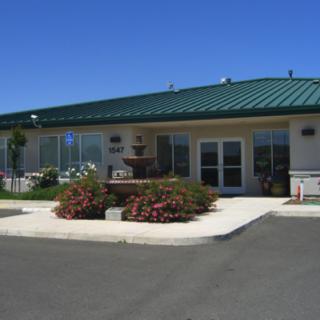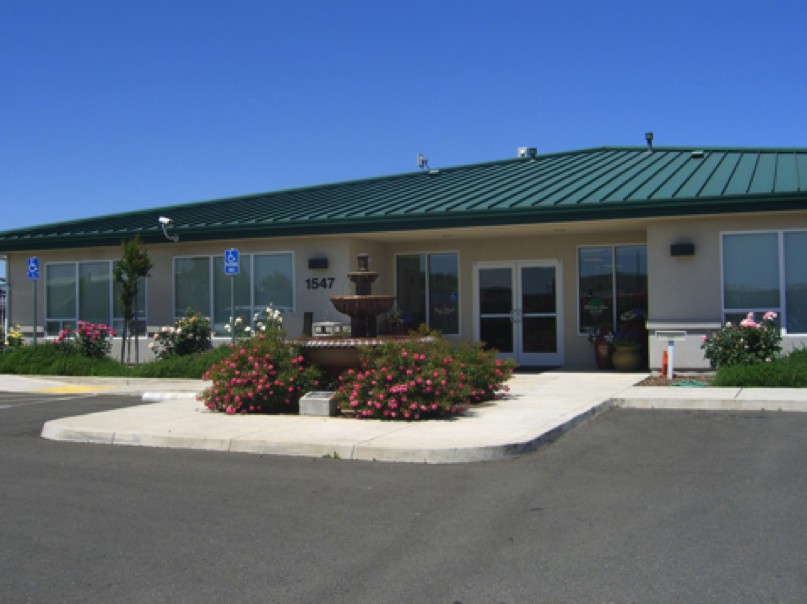
1547 Plumas Court, Yuba City, CA 95991
For more information about senior living options: (866) 208-4318
Overall Review of Willow Glen Care Center
Pros
 The niece is described as happy at the center, with a nice roommate and good meals.
- Willow Glen’s staff keep the facility clean and well maintained.
- Line staff build positive relationships with residents.
- Activity therapy staff are upbeat and friendly, leading classes and community outings.
- Residents enjoy meals for their variety and quality, with snacks provided.
- The buildings and grounds are well maintained and newer.
- The staff are described as great, and the coordinator is fantastic, with regular updates to families.
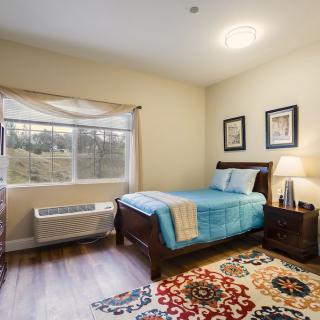
- Resident rooms are spacious and feature private bathrooms.
Cons
 The facility is locked and residents are confined inside, with inadequate supervision and insufficient trained staff to oversee their care.
- There are not enough caregivers for many residents with significant cognitive deficits.
- The result is chaos and unacceptable neglect and abuse of the residents.
- The doors are locked and the windows are blacked out from the outside, leaving the public unaware of conditions.
- The medical complications and high death rate are telltale evidence of poor care.
- There is witnessed poor hygiene and personal care, with residents sleeping in filthy, soiled sheets that are changed infrequently despite incontinence.
- The overall care is described as inhumane.
Review
Willow Glen Care Center in Yuba City is best suited for families seeking a structured, program-driven residential setting where adults with cognitive or mental health needs can engage in routine-based care, therapeutic classes, and social activities within a newer, clean environment. The core appeal rests on consistent daily rhythms, relation-focused staff, and an emphasis on activity therapy that can keep residents engaged throughout the day. Families report meals of good quality and variety, a clean, well-kept campus, and a staff culture that makes an effort to form positive connections with residents. The facility presentations, private rooms shared with a roommate and generally modern amenities, support a sense of dignity within a supervised setting. This combination makes Willow Glen a practical choice for those who prioritize programming and social engagement in a controlled environment.
Those considering alternatives should note several red flags that are repeatedly echoed by reviewers. For families who need non-locked, non-restrictive living arrangements with transparent oversight and robust licensing, Willow Glen may not fit. The most decisive caution comes from concerns about safety and governance in a locked setting designed for dementia or cognitive disabilities, where questions about staff sufficiency and supervision surface strongly. If a resident requires frequent, licensed clinical oversight and a less restrictive atmosphere, alternatives such as non-locked memory care or traditional assisted living with explicit dementia care units may offer more reliable reassurance. In short, this community makes sense when safety and routine are primary, but not when unambiguous, open supervision and broad family access are non-negotiable.
On the positive side, the strongest attributes are the staff’s warmth, the upbeat atmosphere of activity therapy, and the visible effort to maintain meaningful engagement. Families consistently praise front-line caregivers, counselors, and activity staff for building relationships and facilitating classes, outings, and practical routines that help residents feel involved. Dining is a highlight, with residents appreciating menu variety and mid-afternoon snacks, while the facilities’ upkeep, cleanliness, newer buildings, and spacious common areas, receives steady commendation. The ability to stay informed through direct calls to staff and a coordinator who keeps families in the loop also stands out as a real value, especially for those managing care from a distance.
However, significant concerns temper the otherwise favorable impressions. The negative feedback centers on a perception of understaffing and insufficient licensed personnel to manage residents with substantial cognitive needs. The description of doors being locked and the environment being restricted raises questions about freedom of movement and the level of supervision. Claims of poor hygiene practices and infrequent linen changes in some resident rooms, paired with reports of chaos and high death rates, are serious inferences that cannot be dismissed lightly. These points create a risk-sensitive calculus: the positives may ease daily life, but the alleged gaps in oversight and care quality could undermine safety and dignity over time.
The critical tension here is whether the reliable, pleasant daily program can truly offset the concerns about supervision, staffing, and safety. For some residents, particularly those who thrive on routine, social activities, and consistent meals, Willow Glen’s strengths can meaningfully improve mood, engagement, and overall satisfaction. Yet the counterweight of potential neglect, restricted freedom, and inconsistent clinical oversight means the gains may not hold for residents with higher care needs or for families seeking clear, unambiguous safeguards. In practice, the decision hinges on whether the care plan can be fully supported by a staffing model that is consistently sufficient and transparent.
For families narrowing options, proceed with due diligence and concrete expectations. Insist on a transparent staffing breakdown, including ratios for different shifts, and demand a current, written plan addressing supervision for residents with dementia or cognitive disabilities. Request a tour focused on safety features, access control, and hygiene protocols; ask to speak with front-line staff, nursing, and therapy teams; and seek contact with multiple families currently using the community to gauge consistency over time. If Willow Glen is pursued, secure a commitment to regular updates and a clear process for escalating concerns. If those assurances cannot be obtained, or if the resident requires more open, licensed, and thoroughly supervised care, alternatives that provide stronger oversight and fewer restrictions deserve serious consideration.
 60 resident community capacity
 Assisted Living
 Respite Care
 Air-conditioning
 Beauty salon
 Cable or satellite TV
 Computer center
 Dining room
 Fitness room
 Fully furnished
 Gaming room
 Garden
 Housekeeping services
 Kitchenette
 Move-in coordination
 Outdoor space
 Private bathrooms
 Restaurant-style dining
 Small library
 Telephone
 Wellness center
 Wi-Fi/high-speed internet available
 Community operated transportation
 12-16 hour nursing
 24-hour call system
 Activities of daily living assistance
 Assistance with bathing
 Assistance with dressing
 Assistance with transfers
 Diabetes diet
 Medication management
 Mental wellness program
 Special dietary restrictions
 Concierge services
 Planned day trips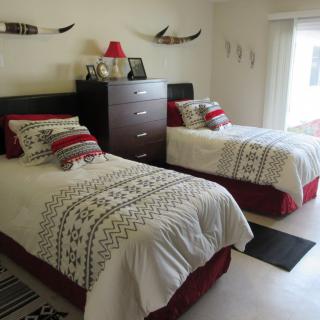


 Beyond the Bingo Hall: 50+ Enriching Activities for Seniors in Assisted Living
 Understanding the Distinctions: Assisted Living and Memory Care Explained
 Guiding Elderly Parents Who Refuse Assisted Living: 6 Practical Steps