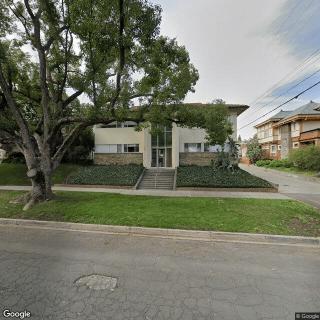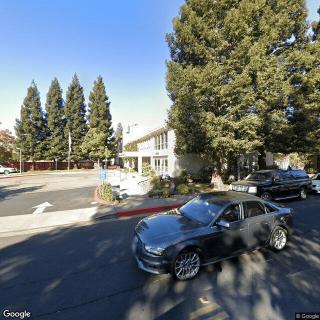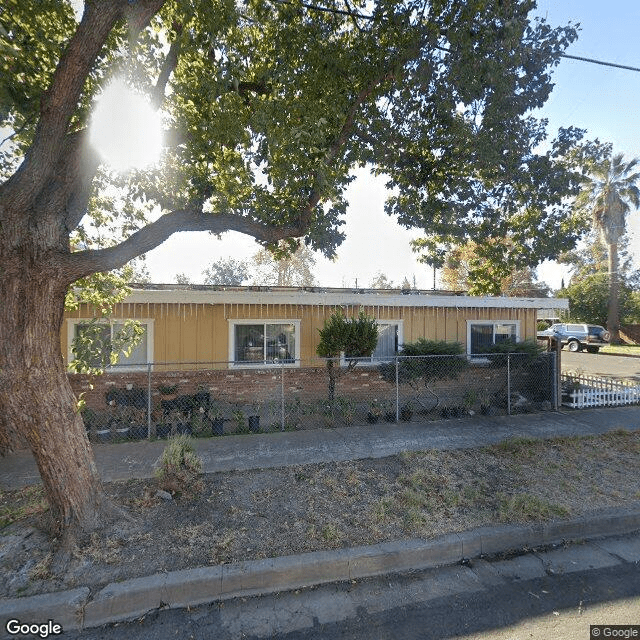
Clover Home in Woodland, CA

Save
Clover Home

Clover Home in Woodland, CA

Information last verified:

412 Clover Street, Woodland, CA 95695

For more information about senior living options: (844) 490-3973

3 from 2 reviews

Clover Home Costs & Pricing

Clover Home offers competitive pricing for its residential options, particularly in comparison to both Yolo County and the broader California market. For a semi-private room, residents at Clover Home pay $1,500 per month, significantly lower than the average costs of $3,388 in Yolo County and $3,333 statewide. Similarly, those seeking a private room will find Clover Home's rate of $3,000 to be more affordable than the county's average of $3,381 and the state's average of $3,939. These favorable pricing structures position Clover Home as an attractive option for families seeking quality care without the higher financial burden often associated with assisted living facilities in the region.

Floor plansClover HomeYolo CountyCalifornia
Semi-Private$1,500$3,388$3,333
Private$3,000$3,381$3,939

Overall Review of Clover Home

Pros

  • pro The community offers meals and a place to stay.
  • pro The facility provides meals and lodging for residents.
  • pro Residents have access to meals within the facility.
  • pro This assisted living setting includes meals and housing for residents.
  • pro The arrangement ensures meals and a place to stay are available.

Cons

  • pro The facility is short-handed and understaffed.
  • pro They only have a couple of staff for the whole place.
  • pro It is not easy to get service.
  • pro They do not provide any individual attention.
  • pro The staff are slow to respond.

Review

Best suited for budget-conscious seniors who want a basic, predictable living arrangement with meals included, Clover Home in Woodland is a no-frills option within assisted living. The primary value lies in having a safe place to stay with meals rather than a robust care program. The hitch is staffing levels: the facility operates with only a small team, and that translates into slower service and less individualized attention. For residents who can manage most daily tasks on their own or with light family involvement, this yields a straightforward, affordable baseline option. Those needing frequent assistance or rapid response should look elsewhere.

Care needs beyond basic lodging are the key reason to consider alternatives. If a resident requires consistent help with bathing, dressing, mobility, medication administration, or timely reminders, Clover Home's staffing constraints become a major risk. Families should compare with communities that guarantee more hands-on coverage, even if that means higher cost. In addition, if social programming and proactive engagement matter for quality of life, this community may under-deliver. Alternatives with higher staff-to-resident ratios, dedicated CNAs on each shift, and more responsive management will better support residents who rely on steady, attentive care.

Meals and a place to stay are the concrete benefits that create a foundation. For a resident who is mostly self-sufficient, these features can offset a portion of the care gap by controlling costs and offering predictable routines. However, the absence of frequent, individualized attention means daily needs, prompt assistance for a spill, a late-night call for pain, or a simple check-in, often go unmet for longer periods. The result is a compromise: affordability without the assurance that basic caregiving will be there when needed. In other words, the core advantages barely compensate for the fundamental service shortfalls.

The repeated observation across reviews is staff scarcity: “a couple of people over the whole place.” That dynamic yields slow responses, limited one-on-one care, and a sense of being forgotten in the rush of routine tasks. Safety considerations surface: residents waiting for help after a fall or assistance with transfers may face delays. Meal times can proceed smoothly, but help with feeding or mobility during the day may lag. In an environment where the floor plan can be large and spread out, a lean crew struggles to cover rooms, bathrooms, and activity areas, amplifying the perception of neglect even among well-intentioned staff.

Before choosing Clover Home, verify the latest staffing model and actual response times. Visit during midday and evening hours to observe how quickly assistance requests are honored. Speak with current residents about wait times, and review recent incidents or complaint logs, if available. Ask about medication management, dressing assistance, and help with mobility, who handles these tasks and what is the expected response window? Inquire about any supplemental caregiver options or partnerships with external agencies, and whether family members can coordinate outside aides conveniently. Finally, compare total monthly cost versus alternatives that offer more robust care and ask for a transparent breakdown of what is included.

If the priority is keeping costs predictable while accessing meals, Clover Home can be a reasonable fit for a self-reliant senior or one with strong external caregiving support. For those who value dependable, timely assistance and a more proactive care environment, alternatives with higher staffing levels should be pursued. The decision hinges on daily care needs, safety expectations, and tolerance for delayed response. Schedule structured visits, demand clear commitments on staffing and response times, and stack Clover against two other communities that promise higher-touch care. In short, Clover Home serves a specific niche, and families should honor that niche only if the trade-offs align with the resident’s care expectations and budget.

Features

Housing

  • 14 resident community capacity 14 resident community capacity

Types of Care

  • Assisted Living Assisted LivingAssisted living facilities provide crucial support and care for seniors who may need help with daily tasks such as medication management, bathing, and meal preparation. These communities offer a safe and comfortable environment where seniors can maintain their independence while receiving the assistance they need to thrive in their golden years.
  • Board and Care Home Board and Care HomeBoard and care homes provide a smaller, more intimate setting for seniors who require assistance with daily tasks but do not need the level of care offered by a nursing home. They offer personalized care, meals, and social activities in a homelike environment, ensuring that seniors receive individualized attention and support in their golden years.

Amenities

  • Activities off-site Activities off-siteEngaging in off-site activities is crucial for seniors to maintain social connections, stay active, and stimulate their minds. It promotes overall well-being and helps combat feelings of isolation and loneliness.
  • Activities on-site Activities on-siteActivities on-site are important for seniors because they provide opportunities for socialization, mental stimulation, physical activity, and overall well-being. Engaging in activities can help seniors stay active, maintain their independence, and improve their quality of life.
  • Cable or satellite TV Cable or satellite TVCable or satellite TV is important for seniors because it provides entertainment, news, and companionship, helping to combat loneliness and boredom. It also offers a wide range of programming options tailored to different interests and preferences.
  • Devotional services off-site Devotional services off-siteDevotional services off-site are important for seniors as they provide spiritual nourishment, social engagement, and a sense of community outside of the senior living facility. This can enhance overall well-being and help combat feelings of isolation and loneliness often experienced by older adults.
  • Dining room Dining roomDining rooms are important for seniors as they provide a space for socialization, connection, and nutritious meals. They offer opportunities for residents to bond over shared meals, foster a sense of community, and promote healthy eating habits. Dining rooms also ensure that seniors have access to well-balanced meals tailored to their dietary needs and preferences.
  • Fully furnished Fully furnishedFully furnished senior living communities are important for seniors because they provide convenience, comfort, and a hassle-free moving experience. Seniors can easily settle into their new living space without the stress of having to buy and move furniture. This allows them to focus on enjoying their new home and community.
  • Garden GardenGardens are important for seniors as they provide a peaceful and therapeutic environment for relaxation, physical activity, and socialization. Being in nature has been shown to reduce stress, improve mood, and promote overall well-being. Gardens also offer opportunities for seniors to engage in gardening activities, which can improve mobility, flexibility, and cognitive function. Additionally, gardens create a sense of community and connection with others who share a passion for plants and outdoor spaces.
  • Housekeeping services Housekeeping servicesHousekeeping services are important for seniors because they help maintain a clean and safe living environment, promote independence, and reduce the risk of accidents or illnesses. Additionally, having assistance with household chores can alleviate physical strain and allow seniors to focus on other aspects of their well-being.
  • Indoor common areas Indoor common areasIndoor common areas are crucial for seniors as they provide a space for socialization, recreation, and community engagement, promoting overall well-being and reducing feelings of isolation and loneliness.
  • Move-in coordination Move-in coordinationMove-in coordination is important for seniors because it helps ease the transition into their new living environment. It ensures that all logistics, such as packing, organizing movers, and setting up utilities are taken care of, allowing seniors to focus on settling in and adjusting to their new home. Having a smooth move-in process can alleviate stress and anxiety, making the transition smoother and more enjoyable for seniors.
  • Outdoor common areas Outdoor common areasOutdoor common areas are important for seniors as they provide a space for socialization, physical activity, and relaxation. Being outside in nature can improve mood and overall well-being, while also encouraging movement and engagement with others. These spaces can help combat feelings of isolation and promote a sense of community among residents.
  • Outdoor space Outdoor spaceOutdoor spaces are important for seniors as they provide opportunities for physical activity, social interaction, exposure to natural light and fresh air, and a sense of connection to nature. Having access to outdoor spaces can improve overall well-being and quality of life for older adults living in senior communities.
  • Private PrivatePrivacy is important for seniors as it allows them to maintain their independence, dignity, and sense of control over their own lives. It also gives them the space and freedom to relax, reflect, and engage in activities that bring them joy and fulfillment. Creating private spaces within senior living facilities is crucial for promoting overall well-being and quality of life.
  • Private bathrooms Private bathroomsPrivate bathrooms are important for seniors in senior living communities because they provide independence, dignity, and comfort. Having a private bathroom allows seniors to maintain their personal hygiene routines without the need for assistance, promoting a sense of autonomy and privacy. Additionally, private bathrooms help prevent the spread of infections and provide a safe and clean environment for seniors to navigate safely.
  • Telephone TelephoneTelephones are important for seniors as they provide a lifeline for communication with loved ones, emergency services, and healthcare providers. They offer a sense of security and independence, enabling seniors to stay connected and access assistance when needed.
  • Wheelchair accessible showers Wheelchair accessible showersWheelchair accessible showers are crucial for seniors as they provide a safe and independent bathing option for those with mobility challenges. These showers help prevent falls and allow seniors to maintain their dignity and autonomy while ensuring they can bathe comfortably.
  • Wi-Fi/high-speed internet available Wi-Fi/high-speed internet availableWi-Fi/high-speed internet is important for seniors to stay connected with loved ones, access online resources, and participate in virtual activities to combat feelings of loneliness and isolation. It also allows them to easily manage healthcare needs, access entertainment, and engage in lifelong learning opportunities.

Transportation

  • Sacramento International (10 miles away) Sacramento International (10 miles away)

Care Services

  • 24-hour supervision 24-hour supervision24-hour supervision is important for seniors to ensure their safety, well-being, and access to immediate assistance in case of emergencies or health issues. This constant support provides peace of mind for both seniors and their loved ones, allowing them to age in place with dignity and security.
  • Activities of daily living assistance Activities of daily living assistanceActivities of daily living assistance are important for seniors because they provide essential support with tasks such as eating, bathing, dressing, and mobility. This assistance helps seniors maintain their independence, dignity, and overall quality of life as they age.
  • Ambulatory care Ambulatory care"Ambulatory care services provide essential medical support and treatment to seniors without requiring hospitalization, allowing them to maintain their independence and quality of life while managing chronic conditions or receiving routine medical care."
  • Assistance with bathing Assistance with bathingAssistance with bathing is crucial for seniors as it helps maintain personal hygiene, prevents infections, and ensures their overall well-being and comfort. It also provides a sense of dignity and independence for seniors who may struggle with this task on their own.
  • Assistance with dressing Assistance with dressingAssistance with dressing is important for seniors because it helps maintain their independence, promotes personal hygiene, prevents accidents and injuries, and improves overall quality of life. This service ensures that seniors can continue to dress comfortably and confidently, despite any physical limitations they may have.
  • Assistance with transfers Assistance with transfersAssistance with transfers is crucial for seniors as it helps prevent falls and injuries, maintains their independence, and ensures they can safely navigate their living environment. It also provides peace of mind for both seniors and their loved ones.
  • Coordination with health care providers Coordination with health care providersCoordination with health care providers is crucial for seniors to ensure proper medical care, medication management, and overall well-being. This collaboration helps prevent overlapping treatments, track progress more effectively, and provide comprehensive support tailored to individual needs.
  • Diabetes diet Diabetes dietA diabetes diet is crucial for seniors as it helps manage blood sugar levels, reduce risks of complications, and improve overall health and well-being. By following a balanced and nutritious diet tailored to their specific needs, seniors can better control their diabetes and enhance their quality of life.
  • Meal preparation and service Meal preparation and serviceMeal preparation and service are crucial for seniors as they may have limited mobility or energy to cook nutritious meals. Having access to healthy and convenient food options can ensure they are getting the proper nutrition needed to maintain their overall health and well-being.
  • Medication management Medication managementMedication management is crucial for seniors to ensure they are taking the right medications at the correct dosages and times. This helps prevent adverse drug interactions, reduces the risk of medication errors, and promotes overall health and well-being. Proactive management also allows for adjustments as needed based on changing health conditions or new prescriptions.
  • Special dietary restrictions Special dietary restrictionsSpecial dietary restrictions are important for seniors because age-related changes in metabolism and health conditions can make it difficult for their bodies to process certain foods. By following a diet tailored to their specific needs, seniors can maintain their overall health and well-being, manage chronic conditions, and reduce the risk of complications such as malnutrition or food interactions with medications.
  • Transportation arrangement (medical) Transportation arrangement (medical)Transportation arrangements for medical purposes are essential for seniors as they may have difficulty driving themselves to appointments or accessing public transportation. Having reliable and safe transportation options ensures that seniors can receive timely medical care and maintain their health and well-being.
  • Transportation to doctors appointments Transportation to doctors appointmentsTransportation to doctors' appointments is crucial for seniors as it ensures they have access to necessary medical care and support for their health needs. Without reliable transportation, seniors may struggle to attend important appointments, leading to potential delays in treatment and health complications. Providing transportation services helps seniors maintain their overall well-being and quality of life.
Dining

  • Diabetes diet Diabetes dietA diabetes diet is crucial for seniors as it helps manage blood sugar levels, reduce risks of complications, and improve overall health and well-being. By following a balanced and nutritious diet tailored to their specific needs, seniors can better control their diabetes and enhance their quality of life.
  • Meals provided Meals provided"Meals provided" are crucial for seniors in assisted living communities as it ensures they have access to nutritious, balanced meals without the stress of meal planning and preparation. This can help promote overall health and well-being for seniors who may have limited mobility or cognitive abilities.
  • Special dietary restrictions Special dietary restrictionsSpecial dietary restrictions are important for seniors because age-related changes in metabolism and health conditions can make it difficult for their bodies to process certain foods. By following a diet tailored to their specific needs, seniors can maintain their overall health and well-being, manage chronic conditions, and reduce the risk of complications such as malnutrition or food interactions with medications.

Activities

  • Activities off-site Activities off-siteEngaging in off-site activities is crucial for seniors to maintain social connections, stay active, and stimulate their minds. It promotes overall well-being and helps combat feelings of isolation and loneliness.
  • Activities on-site Activities on-siteActivities on-site are important for seniors because they provide opportunities for socialization, mental stimulation, physical activity, and overall well-being. Engaging in activities can help seniors stay active, maintain their independence, and improve their quality of life.
  • Community-sponsored activities Community-sponsored activitiesCommunity-sponsored activities are important for seniors as they provide opportunities for social interaction, mental stimulation, and physical activity. These activities can help improve overall well-being, combat loneliness and isolation, and promote a sense of belonging and purpose among older adults.
  • Devotional activities offsite Devotional activities offsiteDevotional activities offsite are important for seniors because they provide social engagement, spiritual growth, and a sense of community outside of their living environment. This can improve overall well-being, mental health, and combat feelings of isolation or loneliness.
  • Scheduled daily activities Scheduled daily activitiesScheduled daily activities are important for seniors because they provide structure, socialization, mental stimulation, and physical activity. Engaging in regular activities can improve overall well-being and quality of life for seniors living in a community setting.

Description

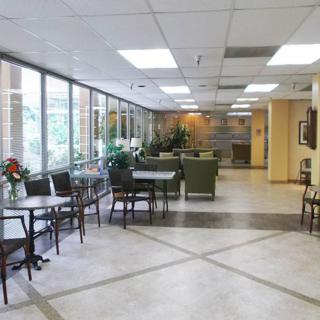
Clover Home in Woodland, CA is a board and care home that provides a comfortable and supportive environment for seniors in need of assistance with daily activities. Our community offers a range of amenities to enhance the quality of life for our residents. These include on-site activities, cable or satellite TV, devotional services off-site, a spacious dining room, and fully furnished private rooms.

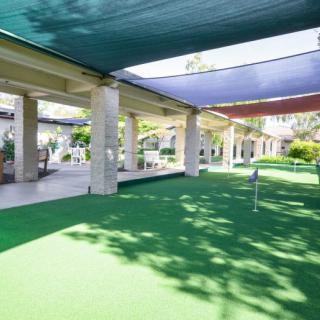
Our beautiful garden and outdoor common areas provide a serene setting for residents to relax and enjoy nature. The indoor common areas offer space for socializing and engaging in community activities. Additionally, our staff provides housekeeping services to ensure a clean and tidy living environment.

At Clover Home, we understand the importance of personalized care. Our dedicated team assists with activities of daily living such as bathing, dressing, and transfers. We also coordinate with health care providers to ensure comprehensive care for our residents. For those with special dietary needs, we provide diabetes diet management and meal preparation tailored to individual preferences.

Transportation arrangements are available for medical appointments, ensuring that residents can easily access necessary healthcare services. In terms of nearby amenities, there are three cafes, one park, four pharmacies, nine physicians' offices, seven restaurants, one theater nearby, and three hospitals within close proximity.

We strive to create an engaging and vibrant community by offering various scheduled daily activities along with opportunities for participation in community-sponsored events. Whether it's enjoying delicious meals together or engaging in devotional activities off-site, residents have numerous options to socialize and stay active.

At Clover Home in Woodland, CA, we aim to provide compassionate care while promoting an enriching lifestyle for our valued residents.

Nearby Places of Interest

This part of Woodland, California offers a variety of amenities that may be appealing for seniors looking to settle down in a convenient and bustling area. With theaters, pharmacies, restaurants, cafes, physicians, hospitals, parks, places of worship, and transportation options all within close proximity, residents can enjoy easy access to essential services and activities. The presence of healthcare facilities such as Woodland Healthcare and Kaiser Permanente ensures that seniors have access to quality medical care. Additionally, the nearby parks provide opportunities for outdoor recreation and relaxation. Transportation options like Amtrak and Sacramento International Airport make it convenient for seniors to travel or receive visitors. Overall, this area offers a well-rounded community with everything seniors need for comfortable living.

Theaters

  • State Theatre (0.4 miles)

Pharmacies

  • Corner Drug Co. (0.4 miles)
  • Health Mart Pharmacy (0.4 miles)
  • Walgreens (0.6 miles)
  • Rite Aid (1.2 miles)
  • CVS Pharmacy (8.4 miles)
  • Save Mart Supermarkets (8.5 miles)
  • Rite Aid (9.4 miles)

Restaurants

  • Blue Note Brewing Company (0.4 miles)
  • Carl's Jr. (0.8 miles)
  • The Habit Burger Grill (1 miles)
  • McDonald's (1.4 miles)
  • Denny's (1.5 miles)
  • Sonic Drive-In (1.5 miles)
  • In-N-Out Burger (2.7 miles)

Cafes

  • Dutch Bros Coffee (0.5 miles)
  • Starbucks (1.6 miles)
  • Dutch Bros Coffee (2.6 miles)
  • Starbucks (8.3 miles)
  • Panera Bread (9.7 miles)
  • Temple Coffee (9.7 miles)
  • Peet's Coffee and Tea (9.7 miles)

Physicians

  • Woodland Family Medical Association (0.6 miles)
  • Woodland Nephrology Medical Group (1.1 miles)
  • McDonald's Hearing Aid Center (1.5 miles)
  • Woodland Healthcare - Kathy Glatter MD (1.6 miles)
  • Kieu Luc, DO (1.6 miles)
  • Marcia Gollober, MD (1.6 miles)
  • Clayton Hodges, MD (1.6 miles)

Hospitals

  • Woodland Skilled Nursing Facility (0.7 miles)
  • Cottonwood Healthcare Center (1.1 miles)
  • Woodland Healthcare (1.5 miles)
  • Obstetrics/Gynecology: Sutter Davis Hospital (8.3 miles)
  • Infusion Center: Sutter Davis Hospital (8.3 miles)
  • Cowell Student Health Center (9.6 miles)
  • Kaiser Permanente (10.1 miles)

Parks

  • Pioneer Park (2.6 miles)
  • Covell Greenbelt Area 3 (8.3 miles)
  • Rainbow City (8.6 miles)
  • Community Park (8.7 miles)
  • Slide Hill Park (9 miles)
  • Central Park (9.6 miles)

Places of Worship

  • Davis Korean Church (9.4 miles)

Transportation

  • Sacramento Jet Centers (9.7 miles)
  • Amtrak (9.8 miles)
  • TSA Security - Terminal B (9.9 miles)
  • Southwest Airlines (9.9 miles)
  • Sacramento International Airport (SMF) (10 miles)
  • Baggage Claim (10.1 miles)
  • Delta Air Lines (10.1 miles)

Frequently Asked Questions

How much does it cost to live at Clover Home in Woodland, CA?
Where is Clover Home?

Nearby Communities

  • Alderson Convalescent Hospital

    Alderson Convalescent Hospital

    Woodland, CA

    3.6 from 40 reviews
     

    pro Some compassionate staff and a clean, attentive environment.

  • Golden State Community Homes

    Golden State Community Homes

    Woodland, CA


    pro Strong access to nearby healthcare, dining, and recreational amenities.

  • Home Instead - Woodland,  CA

    Home Instead - Woodland, CA

    Woodland, CA

     
    $4,410 to $4,890 / month

    pro Prime Woodland location with abundant nearby amenities and accessible healthcare.

  • St. John's Retirement Village/Manor

    St. John's Retirement Village/Manor

    Woodland, CA

    3.9 from 16 reviews
    $3,303 to $4,792 / month

    pro Dedicated dementia and Alzheimer's buildings with open social spaces and visible, around-the-clock staff.

  • Fair Plaza Senior Apartments

    Fair Plaza Senior Apartments

    Woodland, CA

    4.5 from 19 reviews
    $798 / month

    pro Very affordable 1-bedroom pricing with close access to healthcare and amenities.

  • Palm Gardens

    Palm Gardens

    Woodland, CA

    4.1 from 20 reviews
     

    pro Attentive caregiving, clean housekeeping, engaging activities, and more affordable pricing for semi-private and studio options compared to local averages.

  • Acacia Glen Senior Apartments

    Acacia Glen Senior Apartments

    Woodland, CA

    5 from 7 reviews
    $1,071 to $1,265 / month

    pro Active community with friendly staff and engaging activities at a good value.

  • Ivy Ridge Retirement Home

    Ivy Ridge Retirement Home

    Sacramento, CA

    3.9 from 22 reviews
    $1,800 to $2,500 / month

    pro Cozy, home-like environment with attentive staff and affordable pricing.

  • Mercy McMahon Terrace

    Mercy McMahon Terrace

    Sacramento, CA

    4.6 from 22 reviews
    $3,650 to $4,900 / month

    pro Quality care with friendly staff and engaging activities.

Related Resources

  • assisted living vs nursing homeChoosing the Right Senior Care: A Detailed Exploration of Assisted Living and Nursing Homes

    Choosing between assisted living and nursing homes involves evaluating emotional and financial factors, with assisted living offering independence and support for daily activities at a lower cost, while nursing homes provide intensive medical care for individuals with significant health needs. The decision is influenced by personal preferences, health status, cognitive function, and varying Medicaid coverage across states.

  • assisted living costUnderstanding the True Cost of Assisted Living in 2025: A Comprehensive Guide

    Assisted living in 2025 offers a crucial balance of independence and support for seniors, with costs varying from $2,500 to over $7,000 per month based on factors such as location and care level. Understanding pricing complexities, including regional differences and potential hidden fees, is essential for families to plan financially while ensuring quality care for their loved ones.

  • does medicaid pay for assisted livingUnderstanding Medicaid Coverage for Assisted Living: A Comprehensive Guide

    The guide outlines the complexities of Medicaid coverage for assisted living, highlighting significant state-to-state variations, limited coverage often restricted to personal care services, and the existence of specialized waivers for certain needs like memory care. It advises families to consult local Medicaid offices for options while emphasizing the importance of understanding state-specific regulations and facility policies.