
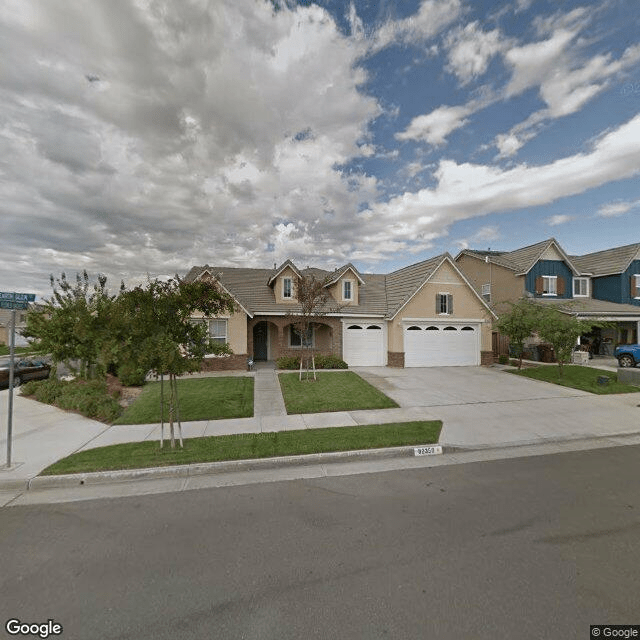
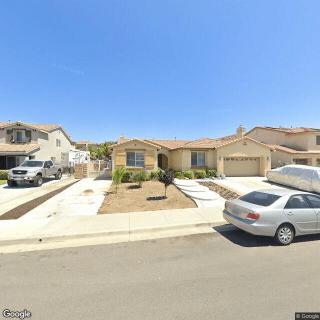
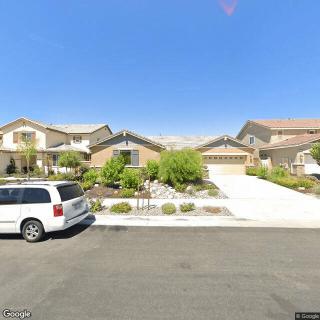
32350 Hearth Glen Ct, Winchester, CA 92596
For more information about senior living options: (866) 208-4318
Mercy Home Costs & Pricing
Mercy Home offers competitive pricing for its accommodations compared to the broader market in Riverside County and across California. For a semi-private room, residents at Mercy Home pay $2,700 per month, which is notably lower than the county's average of $2,844 and significantly under the state's average of $3,333. Similarly, for those seeking more privacy, Mercy Home's private rooms are priced at $3,500 - affordable when contrasted with Riverside County's rate of $3,474 and California's average of $3,939. These cost-effective options reflect Mercy Home's commitment to providing quality care while ensuring financial accessibility for its residents.
| Floor plans | Mercy Home | Riverside County | California |
|---|---|---|---|
| Semi-Private | $2,700 | $2,844 | $3,333 |
| Private | $3,500 | $3,474 | $3,939 |
Assisted Living communities with a similar price nearby
-
from +$100 / mo
Pebble Brook Senior Home Care
$2,800 to $4,000 / month7.5 miles away -
from +$200 / mo
Agate Manor
$2,900 to $3,800 / month4.3 miles away -
from +$100 / mo
Temecula Valley Assisted Living
$2,800 to $4,000 / month9.0 miles away -
from -$150 / mo

Integrated Care Communities B1
$2,550 to $4,050 / month22.8 miles away -
from +$495 / mo

Vineyard Ranch at Temecula
$3,195 to $5,295 / month4.6 miles away
Overall Review of Mercy Home
Pros
 Mercy Home provides wonderful care for residents, earning gratitude from families.
- The staff are amazing, always ready to help and treating residents like family.
- The facility is spotless and well-maintained, creating a safe and hygienic environment.
- The meals are fresh, healthy, and delicious, with residents looking forward to mealtimes.
- There are plenty of activities that keep residents engaged, active, and social.
- Mercy Home offers affordable care for the level of services provided.
- The administrator is kind and caring, ensuring residents are happy and comfortable.
- Mercy Home is a truly special place with excellent care, compassion, and respect.
Cons
 They felt the facility did not offer enough skilled services to meet their needs.
Review
Mercy Home in Winchester is best suited for seniors who want a small, homelike setting where staff treat residents like family, with reliable daily care, clean surroundings, satisfying meals, and an active social calendar, all at a cost that remains reasonable. The community particularly serves families seeking steady, attentive care from a nurse-led operation, the owner is a registered nurse, and the administrator runs the home with hands-on involvement. For residents who prioritize comfort, personal connection, and predictable routines over extensive medical programming, Mercy Home offers a credible, value-focused option that tends to feel like a second home.
The strongest positives center on the human element. Caregivers are described as consistently attentive, warm, and respectful, creating a genuine, family-like environment. Cleanliness is repeatedly highlighted, with spotless rooms and common areas that provide peace of mind about safety and hygiene. The dining experience is a standout, with meals that residents enjoy and look forward to, which reinforces overall satisfaction and well-being. A robust activities lineup keeps residents engaged, helping maintain social ties and daily energy. The administrator’s approachable, caring leadership reinforces trust and communication, contributing to a sense that the home is well run and resident-centered.
Yet several important caveats temper the optimism. A notable portion of reviews flag that Mercy Home may not deliver enough skilled services for residents with higher medical or rehabilitation needs. That gap matters to families weighing whether a loved one requires extensive therapy, complex wound care, or frequent advanced nursing interventions. Another consideration is the resident mix, some reviews note a predominance of male residents, which may influence social dynamics for certain individuals. Finally, the appeal of Mercy Home often hinges on preferences for a smaller, intimate setting; those seeking the breadth and resources of a larger campus could find the fit less ideal.
Despite these potential drawbacks, the pros often outweigh the cons for the right resident. The intimate, dependable atmosphere translates into lower stress for families and steadier days for residents. The meticulous upkeep, coupled with high-quality meals, supports dignity and comfort on a daily basis. The nurse-led ownership and the administrator’s active involvement provide a steadier oversight than many smaller facilities, which can translate into quicker problem-solving and clearer communication. In short, Mercy Home delivers a compelling blend of warmth, reliability, and value that can make a meaningful difference in quality of life when clinical intensity is not the central requirement.
When evaluating Mercy Home, families should scrutinize how well the facility’s skilled services align with the resident’s current and anticipated needs. Verify the on-site nursing coverage, the availability of therapies, and what constitutes “skilled” care in practice. Inspect the dining experience and the activity calendar to ensure ongoing engagement and nutrition meet expectations. Clarify visiting practices and the administrator’s responsiveness to questions, including during emergencies, to gauge how well communication will function day to day. Compare costs with nearby options, ensuring the affordability that reviewers emphasize persists over time and reflects true value for the level of care provided.
Bottom line: Mercy Home is a solid match for families seeking a warm, nurse-led, value-conscious home where residents are treated with kindness, meals satisfy, and daily life centers on companionship and routine. It is less suitable for seniors requiring intensive skilled nursing or expansive rehab services on a large campus. For those with moderate care needs who prize a home-like atmosphere, transparent leadership, and predictable costs, Mercy Home delivers meaningful results that make it a preferred choice over more impersonal settings. The decisive factor remains whether the desired balance between social engagement and medical intensity aligns with the resident’s current and anticipated needs.
 6 resident community capacity
 Assisted Living
 Board and Care Home
 Respite Care
 Dogs allowed
 Activities off-site
 Bath tubs
 Cable or satellite TV
 Devotional services off-site
 Dining room
 Fully furnished
 Garden
 Housekeeping services
 Indoor common areas
 Move-in coordination
 Outdoor common areas
 Private
 Private bathrooms
 Telephone
 Wi-Fi/high-speed internet available
 24-hour supervision
 Ambulatory care
 Assistance with bathing
 Assistance with dressing
 Assistance with transfers
 Diabetes diet
 Diabetic care
 High acuity care
 Incontinence care
 Meal preparation and service
 Medication management
 Special dietary restrictions
 Transportation arrangement (medical)
 Transportation to doctors appointments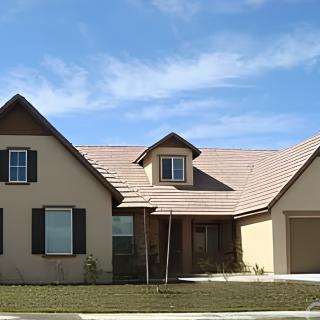



 Funding and Affording Assisted Living: A Thorough Overview
 Assisted Living Expenses and Long-Term Care Insurance: A Comprehensive Exploration
 Securing Financial Support for Assisted Living: A Comprehensive Overview