
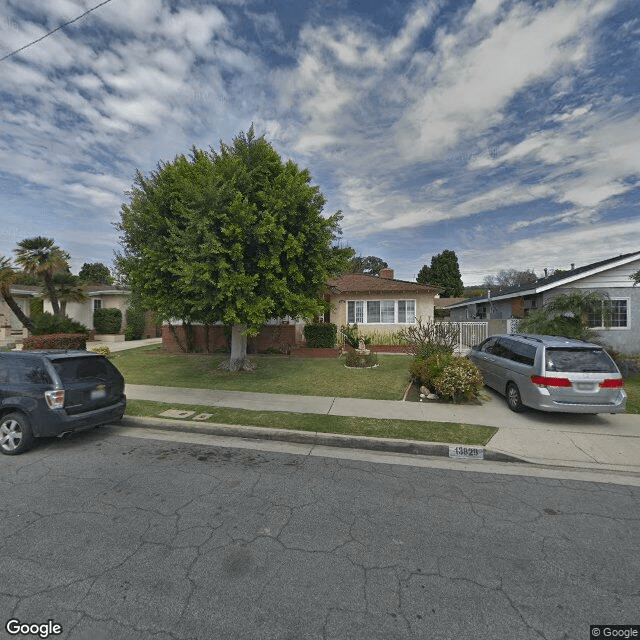
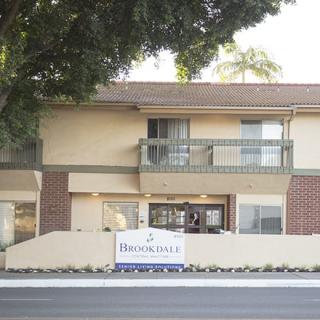
13829 East Russell Street, Whittier, CA 90605
For more information about senior living options: (866) 208-4318
Jasmine's Home Care Costs & Pricing
Jasmine's Home Care offers competitive pricing that is notably lower than both Los Angeles County and the broader state averages. For a semi-private room, Jasmine's costs $2,500 per month, significantly less than the county average of $3,349 and the state average of $3,333. Likewise, their private rooms are priced at $3,000 per month, compared to Los Angeles County's average of $4,197 and California's average of $3,939. This positioning not only underscores Jasmine's commitment to affordability but also enhances its appeal for families seeking quality care without the financial strain often associated with long-term residential options.
| Floor plans | Jasmine's Home Care | Los Angeles County | California |
|---|---|---|---|
| Semi-Private | $2,500 | $3,349 | $3,333 |
| Private | $3,000 | $4,197 | $3,939 |
Assisted Living communities with a similar price nearby
-
from +$300 / mo
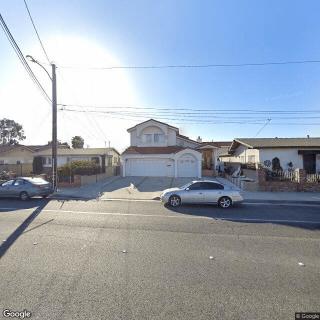
Leah Loving Elderly Care
$2,800 to $3,000 / month18.2 miles away -
from +$200 / mo
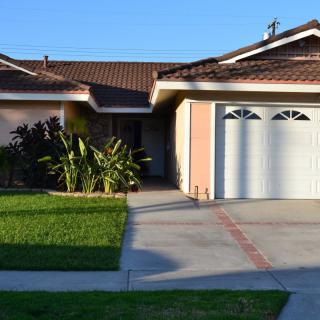
Loving Care Senior Home
$2,700 to $3,500 / month19.0 miles away -
About the same
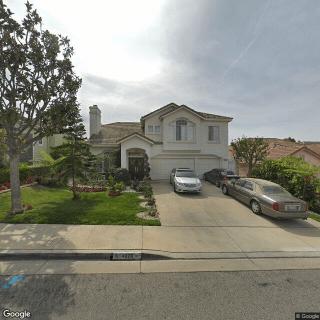
Eleanor's Residential Home
$2,500 to $6,000 / month20.0 miles away -
from +$300 / mo
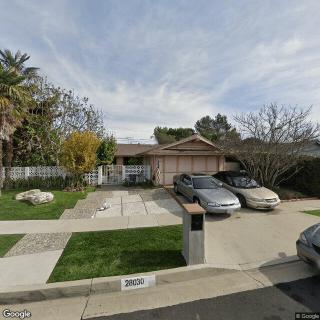
Angels Home Care
$2,800 to $3,800 / month24.7 miles away -
from +$350 / mo
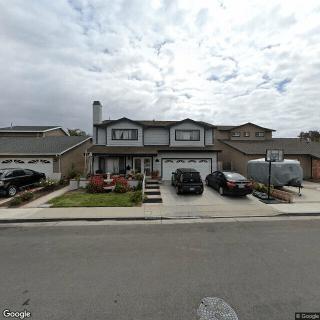
Alternative Senior Care - Freshwater
$2,850 to $3,250 / month18.4 miles away
Overall Review of Jasmine's Home Care
Pros
 The staff at Jasmine's Home Care are really friendly.
- The home is very nice and clean.
- The ladies there are happy and well looked after.
- Overall, the experience has been positive.
Cons
 There are a few areas where they could improve.
- The meals do not seem to be the best quality.
- They were told that mom was not drinking enough and not eating all her food, suggesting care gaps.
- They need to have more activities; currently, there are few or none.
Review
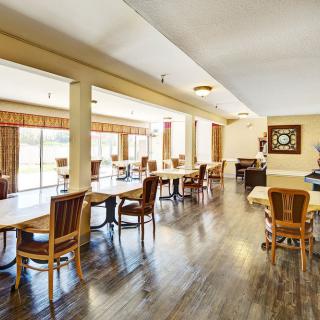
Jasmine’s Home Care in Whittier is best suited for families seeking a small, home-like environment where warmth from staff and a clean, comfortable living space take priority over Hallmark-level programming. This community shines for residents who thrive on personal attention and close daily oversight rather than formal, structured activity calendars. The setting is intimate enough to foster genuine relationships between caregivers and residents, which can translate into reliable monitoring and a sense of safety for loved ones who do not require extensive medical intervention.
Those weighing alternatives should consider if high-end meals, a robust schedule of activities, and stronger nutrition management are non-negotiables. If the priority is top-tier dining, frequent social programming, or enhanced dementia care with a busy calendar, bigger facilities with broader resources may deliver more consistent options. Families facing complex medical needs or demanding cognitive support may prefer a community with a deeper, more formalized care protocol and a fuller activity line-up. Jasmine’s Home Care earns high marks for atmosphere and staff attentiveness, but it does not market itself as a comprehensive activity-centric or medically intensive setting.
On the upside, the most compelling pros center on the human element. The staff’s friendliness and the overall pleasant, clean appearance create an immediately reassuring impression. The small, home-like footprint tends to yield stronger staff-resident rapport, which translates into more reliable day-to-day care and easier family communication. Reviews consistently note residents are happy and well looked after, suggesting a stable, attentive routine that can be especially comforting for seniors who value dignity and personal connection in daily life.
However, the main drawbacks are tangible and worth weighing against the positives. Food quality emerges as the clearest area for improvement; several observers describe meals as not meeting expectations, a factor that can influence appetite, hydration, and overall satisfaction. Relatedly, hydration and food intake were explicitly flagged as concerns in at least one account, with staff reaching out to families to flag risks around adequate fluids and nutrition. Activity offerings appear limited, with some families perceiving a lack of structured stimulation that can matter for social engagement and cognitive function. These gaps can erode daily vibrancy for residents who crave regular, varied programming.
The key question becomes whether the benefits offset the drawbacks for a given resident. For seniors who prioritize a calm, respectful environment and rely on steady daily presence from caregivers, Jasmine’s Home Care delivers a credible, compassionate home setting where relationships and security matter more than polish in programming. The trade-off is meaningful for those who value consistent meals, exciting activities, and proactive nutrition/fluids management as core components of daily life. If a loved one is already content with a simple routine and benefits from direct caregiver oversight, the balance tilts in favor of this option.
Practical steps help families decide with confidence. Schedule a visit to observe mealtime service and the cadence of daily activities, and request a candid tour of the menu and food sourcing. Ask to see the activity calendar and inquire about dementia-appropriate programming, if relevant. Speak with care staff about how hydration and nutrition are monitored day-to-day, and request examples of care plans for residents with appetite or fluid intake concerns. Finally, request references from current families and, if feasible, arrange a trial stay or short-term respite to evaluate fit before committing long-term. Jasmine’s Home Care offers a solid, reassuring home base for the right resident; for households seeking more robust meals and a busier activity slate, exploring alternatives remains prudent.
 6 resident community capacity
 Assisted Living
 Board and Care Home
 Respite Care
 Cable or satellite TV
 Dining room
 Fully furnished
 Garden
 Housekeeping services
 Move-in coordination
 Outdoor space
 Private
 Telephone
 Wi-Fi/high-speed internet available
 Long Beach (Daugherty) (12 miles away)
 24-hour supervision
 Activities of daily living assistance
 Assistance with bathing
 Assistance with dressing
 Assistance with transfers
 Diabetes diet
 Meal preparation and service
 Medication management
 Special dietary restrictions
 Transportation arrangement (medical)
 Transportation to doctors appointments




 Understanding the Distinctions: Assisted Living and Memory Care Explained
 Guiding Elderly Parents Who Refuse Assisted Living: 6 Practical Steps
 Your Comprehensive Guide to Luxury Assisted Living: Elevated Facilities, Amenities, and Costs