
1031 Fountain Drive, West Sacramento, CA 95605
For more information about senior living options: (866) 208-4318
Alexis Guest Home Costs & Pricing
At Alexis Guest Home, the monthly costs for accommodations present a competitive advantage compared to both Yolo County and the broader state of California. For semi-private rooms, residents pay $2,500, which is significantly lower than the county average of $3,388 and the state average of $3,333. Similarly, private rooms at Alexis are offered at $3,000, also more affordable than Yolo County's average of $3,381 and California's average cost of $3,939. This pricing structure reflects a commitment to providing quality care while maintaining accessibility for families seeking supportive living environments for their loved ones.
| Floor plans | Alexis Guest Home | Yolo County | California |
|---|---|---|---|
| Semi-Private | $2,500 | $3,388 | $3,333 |
| Private | $3,000 | $3,381 | $3,939 |
Assisted Living communities with a similar price nearby
-
About the same
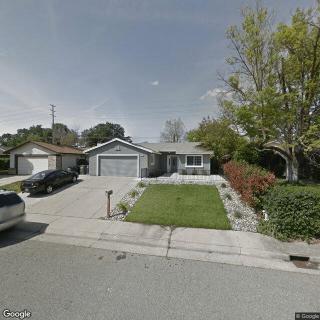
Sunrise Senior Care
$2,500 to $3,500 / month15.1 miles away -
About the same

Gina's Home Care
$2,500 / month12.5 miles away -
About the same

Eastern Manor
$2,500 to $3,000 / month8.8 miles away -
About the same
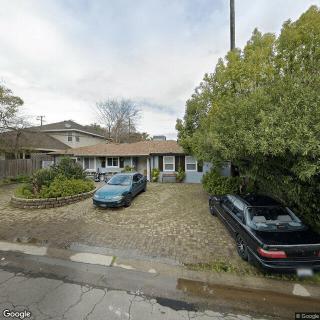
Hempstead Home
$2,500 to $6,930 / month7.5 miles away -
About the same

A.R.C. Manor of Folsom
$2,500 to $3,500 / month19.1 miles away
Overall Review of Alexis Guest Home
Pros
 They were very happy with the level of care their mom received.
- The home is exceptionally clean, and they would recommend it.
- The food is good, and staff do their best to get it for her when asked.
- The staff are really nice, the place is clean, and there is no odor.
- They are very attentive and very helpful with her.
- The meals are very good.
Cons
 They were concerned that mom was really sick and they did not think the staff were accustomed to her type of care.
Review
Alexis Guest Home in West Sacramento is best suited for seniors who prioritize a warm, house-like atmosphere, consistent daily routines, and hands-on staff attention over institutional scale. The setting feels like a small, well-kept home rather than a large facility, supporting gentle senior living with easy access to daily help, meals, and supervision. Families chasing reliability in caregiving, clear house rules, and a high standard of cleanliness will find this community aligns with those expectations. The emphasis on personal touch and predictable rhythms makes it a practical match for residents who value dignity, comfort, and dependable service over expansive programming.
However, for loved ones with needs beyond everyday assistance, complex medical conditions, specialized wound care, high fall risk requiring constant clinical oversight, or memory-care with structured programming, alternatives should be on the table. The reviews acknowledge care was handled well even when the mother had atypical needs, but there is no clear evidence of robust clinical capabilities or healthcare partnerships. The small-home model shines in warmth and attentiveness, yet that same scale can limit access to on-site clinical resources or advanced therapies. Prospective residents should verify what medical oversight, medication management processes, and care coordination look like for higher-acuity scenarios.
On the positive side, cleanliness stands out as a genuine strength. Both reviewers repeatedly note an exceptionally clean environment with no noticeable odor, translating into a more comfortable, dignity-preserving living space. The staff comes across as genuinely nice, attentive, and easy to work with; they respond to requests promptly and stay engaged with the resident’s daily needs. Food quality is consistently praised, described as good and flexible enough to accommodate special requests. This combination, cleanliness, approachable staff, reliable nutrition, creates a foundation where residents feel secure, respected, and well cared for in routine daily living.
Crucially, the main caveat raised is whether the team can handle a type of care that falls outside ordinary assisted living tasks. The initial concern that staff might be unfamiliar with a more complex care profile did not materialize into a failure; reviewers say the level of care was very good and the team did their best to meet her needs. That dynamic matters: it signals a willingness to adapt and a commitment to resident comfort. When care teams show readiness to learn and adjust, while maintaining a clean, orderly home and dependable meals, the potential downside of a narrower scope of expertise is mitigated, even if it remains prudent to confirm specific capabilities for a given condition or treatment plan.
Practical due diligence should include verifying staffing coverage, the availability of ongoing clinical oversight, and any resident-specific care protocols. Prospective families should inquire about staff-to-resident ratios during day and night shifts, whether a licensed clinician or caregiver with specialized training handles medical tasks, and how changes in a resident’s condition are communicated with families. The absence of detailed information in these reviews about activities programming, transportation, or memory-care amenities means reliance on firsthand tours and written policies becomes essential. Yet the consistent warmth, cleanliness, and responsiveness observed are meaningful indicators of a well-run home that champions daily dignity.
In decision terms, Alexis Guest Home is a solid recommendation for families seeking a compact, attentive, hygienic, and food-forward living option in West Sacramento. It fits best for seniors who want predictable routines, personal attention, and a home-like environment without the need for intensive medical services at a facility level. Those prioritizing extensive medical oversight, complex chronic care, or highly structured memory-care programming should consider alternatives or plan explicit negotiations about care capabilities. The prudent path is to tour, ask targeted questions, and align expectations with the resident’s care plan. When readiness to adapt, warmth, and a clean, well-run home are the priority, Alexis Guest Home earns confidence as a sound choice.
 6 resident community capacity
 Assisted Living
 Board and Care Home
 Cable or satellite TV
 Dining room
 Fully furnished
 Garden
 Housekeeping services
 Move-in coordination
 Outdoor space
 Private
 Private bathrooms
 Telephone
 Wi-Fi/high-speed internet available
 Sacramento International (7 miles away)
 24-hour supervision
 Activities of daily living assistance
 Assistance with bathing
 Assistance with dressing
 Assistance with transfers
 Diabetes diet
 Diabetic care
 Meal preparation and service
 Medication management
 Special dietary restrictions
 Transportation arrangement (medical)
 Transportation to doctors appointments






 Vibrant Senior Living: A Comprehensive Guide for Active Older Adults
 When to Transition from Assisted Living to Memory Care: Key Indicators, Steps, and Finding the Right Community
 Assisted Living and Memory Care: Understanding Their Core Differences