














2130 Dorsch Road, Walnut Creek, CA 94598
For more information about senior living options: (866) 208-4318
Overall Review of Tender Touch Residential Care Home III
Pros
 The place made a great first impression.
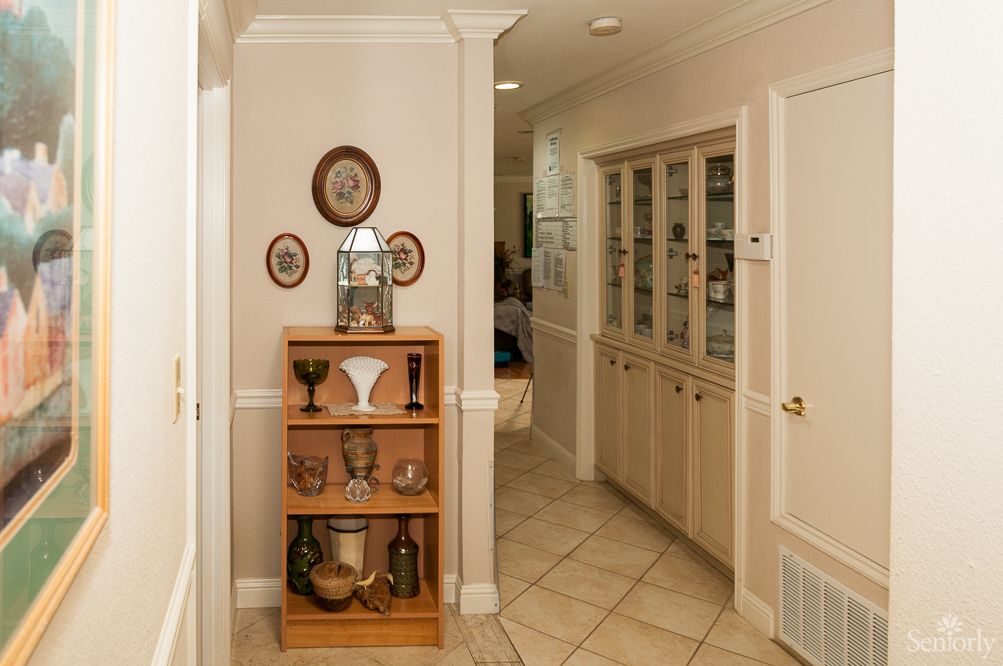
- The house is pleasant.
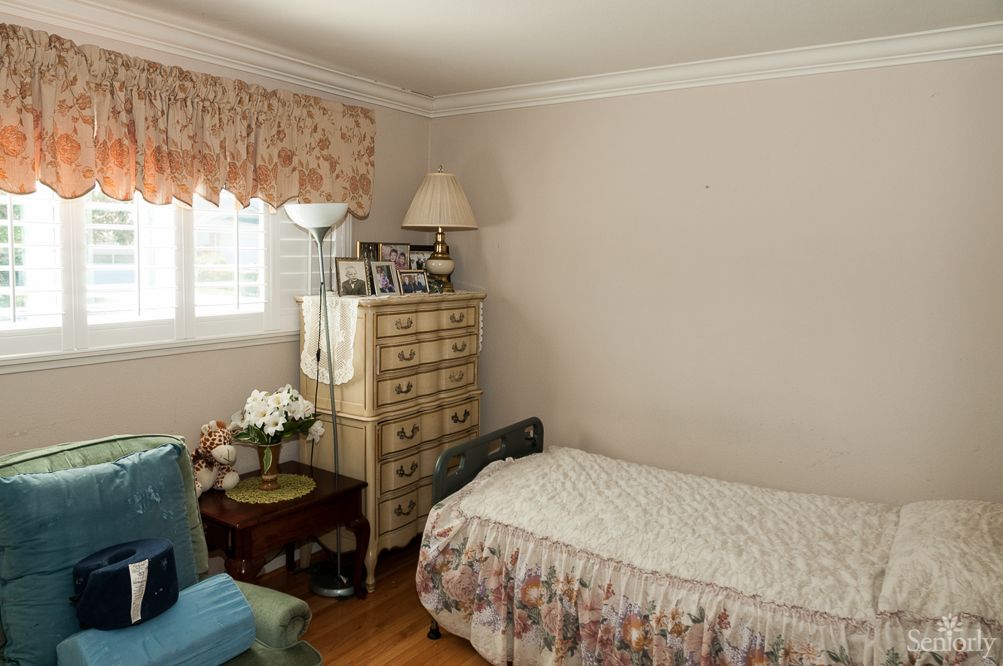
- The rooms are nice and bright.
- The cleanliness and hygiene were excellent.
Cons
 The service was negligent.
- The meals had poor nutritional value and relied too much on processed and fried foods for the elderly.
- They faced prejudice and a lack of empathy while caring for their father.
- Some staff displayed bias toward people from a different country.
- The overall experience suffered from inadequate care and empathy.
Review
Tender Touch Residential Care Home III in Walnut Creek is best suited for seniors who prize a small, home-like atmosphere with clean, bright living spaces and an emphasis on hygiene. This community appears to deliver a calm, comfortable environment where rooms feel welcoming and the overall setting can reduce environmental stress for residents who thrive in intimate, house-like care arrangements. It works best when families are actively involved, ready to supervise day-to-day needs, and prepared to supplement meals or advocate for consistent attention to care. In short, this is a practical option for households seeking a low-key residential vibe rather than a larger, clinical campus, provided there is ongoing family engagement to shore up standard care.
Those who may want to consider alternatives are primarily families seeking highly reliable caregiving with immediate responsiveness, robust nutritional programs, and consistently empathetic staff. If a resident requires strong, on-demand assistance, rapid response to daily needs, or complex medical coordination, this setting may fall short. Prospective residents who expect culturally sensitive, bias-free interactions should also look elsewhere, as the experience reported here includes perceived prejudice and uneven empathy from some staff. For families prioritizing culinary quality, menus that emphasize fresh, minimally processed options, and a structured nutrition plan, exploring other options with documented, stable meal programs would be prudent.
The most concrete positives are undeniable: a pleasant, tidy house with bright rooms and excellent hygiene. Those environmental strengths create a sense of safety and comfort that reduces daily stress and supports a resident’s dignity. Such qualities matter, particularly for aging adults who value consistency of the living space and cleanliness as a baseline for well-being. When combined with a clearly caring intent from staff, these factors can form a solid foundation for daily routine, social contact, and predictable surroundings. Yet, in this case the environment alone cannot compensate for the gaps that eventually determine overall satisfaction and safety in care.
The chief drawbacks undermine the overall value proposition. There are credible concerns about negligence in service delivery that can translate into missed routines, lagging responses, and fragmented daily care. Nutrition presents a more explicit red flag: meals were reported as poor in nutritional value and overly reliant on processed and fried items, with family members resorting to bringing meals from home. Compounding these issues are reports of prejudgment and lack of empathy from staff, including bias tied to cultural background. Such dynamics erode trust and threaten the resident’s emotional well-being, creating a troubling mismatch between an inviting physical setting and the lived experience of care. These weaknesses are not minor; they directly affect health, satisfaction, and long-term comfort.
Practically, families leaning toward this community should insist on a detailed, enforceable care plan before move-in, including a weekly menu with nutritional targets, a written meals protocol, and a clear escalation path for any care gaps. Request transparent staffing information: ratios, shifts, on-call availability, and ongoing training in elder care ethics and culturally competent communication. Arrange firsthand conversations with current residents and their families about responsiveness, empathy, and daily routines. Consider a two-week trial period during which meal quality, responsiveness, and social engagement are monitored, with a formal review at the end. If results remain uneven or if the care team cannot demonstrate consistent attention, pivot toward facilities with stronger nutrition programs and more reliable, compassionate staffing.
Ultimately, Tender Touch III offers a clean, comfortable shell that can serve as a decent fit for a select group of seniors, those who can compensate for gaps with active, involved family oversight and a preference for a small, intimate setting. It is not the right choice for families seeking unwavering staff reliability, superior meal quality, and a culture of consistently empathetic care. When alternatives exist, they should be weighed against the clear need for dependable caregiving and nutrition, with a bias toward facilities that demonstrate a sustained track record in both. For families prepared to apply rigorous oversight and to advocate for ongoing improvements, this community can work; for those unwilling to monitor care closely, stronger options are advisable.
 6 resident community capacity
 Assisted Living
 Board and Care Home
 Respite Care
 Cable or satellite TV
 Dining room
 Fully furnished
 Garden
 Housekeeping services
 Move-in coordination
 Outdoor space
 Small library
 Telephone
 Metropolitan Oakland International (18 miles away)
 24-hour supervision
 Activities of daily living assistance
 Assistance with bathing
 Assistance with dressing
 Assistance with transfers
 Diabetes diet
 Meal preparation and service
 Medication management
 Special dietary restrictions








 Vibrant Senior Living: A Comprehensive Guide for Active Older Adults
 When to Transition from Assisted Living to Memory Care: Key Indicators, Steps, and Finding the Right Community
 Assisted Living and Memory Care: Understanding Their Core Differences