
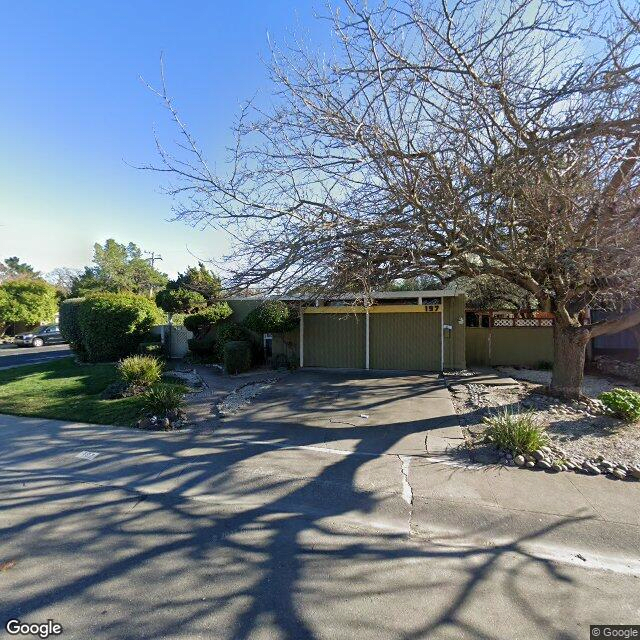
197 Los Cerros Avenue, Walnut Creek, CA 94598
For more information about senior living options: (866) 208-4318
Paradise Gardens Care Home II Costs & Pricing
Paradise Gardens Care Home II offers competitive pricing for its private rooms at $3,000 per month, which is significantly lower than the average costs in Contra Costa County and across California. In Contra Costa County, the typical monthly rate for a private room stands at approximately $4,088, while statewide averages hover around $3,939. This positions Paradise Gardens Care Home II as an attractive option for individuals seeking quality care without the financial burden often associated with similar facilities in the area. The affordability of this care home makes it a compelling choice for families looking to balance budgetary considerations with the need for supportive living arrangements.
| Floor plans | Paradise Gardens Care Home II | Contra Costa County | California |
|---|---|---|---|
| Private | $3,000 | $4,088 | $3,939 |
Assisted Living communities with a similar price nearby
-
About the same
Laylor Care Home For The Elderly
$3,000 to $4,000 / month12.6 miles away -
from -$500 / mo
Brentwood Care Home
$2,500 to $4,000 / month17.7 miles away -
About the same

Palm Garden Home Care
$3,000 to $4,000 / month6.4 miles away -
from -$500 / mo
Ava Bella Care Home
$2,500 to $3,000 / month21.7 miles away -
from +$195 / mo
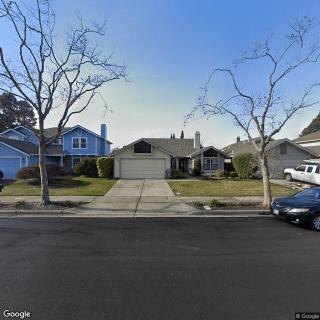
Harbor Bay Assisted Living
$3,195 to $5,000 / month16.5 miles away
Overall Review of Paradise Gardens Care Home II
Pros
 Paradise Gardens is clean and well-staffed with full-time helpers.
- Paradise Gardens offers a perfect balance of professional organization and warmth.
- Paradise Gardens provides beautiful scenery and a warm, caring staff.
- Paradise Gardens makes residents feel happy and well cared for.
Cons
 The gate was left open.
Review
Paradise Gardens Care Home II in Walnut Creek is best suited for seniors who want a small, home-like environment where daily care is delivered with personal attention and warmth. In a six-room house, residents receive hands-on support from a steady, two-person caregiver presence, which tends to translate into consistent routines and visible caregiver familiarity. The setup rewards families that value intimate, low-profile living arrangements over large, impersonal communities. The reviews point to a setting that is clean, aesthetically pleasing, and staffed by people who show genuine care, making it possible for relatives who live far away to trust the day-to-day experience and still feel connected during monthly visits.
Those who should consider alternatives are seniors who require robust, hospital-grade medical oversight, have complex skilled-nursing needs, or rely on a bustling calendar of activities and social programs. The small footprint inherently limits the breadth of on-site services and specialized memory-care options. Security and safety are practical concerns too; one review notes the gate was left open, signaling that access control in this exact setup may be looser than in larger facilities with formal entry systems. Families prioritizing strict safety protocols, advanced medical management, or dementia-focused environments may prefer a larger, more regulated setting with enhanced security measures and comprehensive programming.
The strongest advantages, professional organization paired with warmth, plus an evident emphasis on beauty and atmosphere, offset several drawbacks in meaningful ways. The combination of a structured approach to care and a homelike, well-kept environment creates predictability and comfort for residents, while staff are described as warm and attentive. For families, this translates into peace of mind when visiting from out of state: the resident appears happy and well-cared-for during monthly check-ins, and the intimate scale makes observation straightforward. The trade-off is clear: the same close-knit dynamic that fosters trust can also limit the breadth of activities and the level of medical specialization available on site. When a resident thrives on personal connections and predictable routines, these pros can more than compensate for a smaller activity menu.
To make a well-reasoned decision, prospective families should verify how the daily routine actually unfolds. Inquire about staff turnover, response times to call bells, medication administration, and the process for handling emergencies. Ask for a candid tour of living spaces, dining, and outdoor areas to assess safety and accessibility, particularly around entrances and exits. If possible, request a trial stay or time-limited visit to observe how residents respond to routine, how caregivers interact, and whether the setting remains calm and supportive during varied moments of the day. The openness of the gate, noted as a concern, warrants concrete reassurance, discover whether a simple fix, such as improved door alarms or a stricter entry protocol, has been implemented.
From a practical decision-making perspective, Paradise Gardens II offers a compelling value for families seeking a warm, intimate atmosphere with attentive care. It serves best those who prize a homelike ambiance, steady caregiver presence, and the ability for regular, meaningful family visits. It is less suitable for residents needing heavy medical management, diverse on-site activities, or advanced security controls. The right next steps are a focused tour that probes safety systems, a discussion of caregiver-to-resident ratios during peak hours, and a firm understanding of how medical needs are supported, whether through in-house staff or external partnerships. When these pieces align, Paradise Gardens II stands out as a thoughtful, practical option in Walnut Creek for families prioritizing connection, comfort, and consistent daily care.
In sum, Paradise Gardens II delivers a sincere, well-organized, caregiver-centered environment that resonates with families valuing warmth and a home feel. Its intimate scale is a strength for personalized attention and family involvement, yet it requires careful scrutiny of safety controls and limits on medical services. For seniors whose needs fit a small-community model and who place a premium on atmosphere and consistent staff, this community can be a legitimate, well-suited home. Those with higher medical demands or stringent security expectations should compare alternatives that offer more extensive nursing support and stronger access controls before deciding.
 6 resident community capacity
 Assisted Living
 Board and Care Home
 Respite Care
 Cats allowed
 Dogs allowed
 Activities off-site
 Bath tubs
 Cable or satellite TV
 Devotional services off-site
 Dining room
 Fully furnished
 Garden
 Housekeeping services
 Indoor common areas
 Move-in coordination
 Outdoor common areas
 Private
 Private bathrooms
 Telephone
 Wheelchair accessible showers
 Wi-Fi/high-speed internet available
 Metropolitan Oakland International (17 miles away)
 24-hour supervision
 Assistance with bathing
 Assistance with dressing
 Assistance with transfers
 Diabetes diet
 Diabetic care
 High acuity care
 Incontinence care
 Meal preparation and service
 Medication management
 Special dietary restrictions
 Transportation arrangement (medical)
 Transportation to doctors appointments


 Beyond the Bingo Hall: 50+ Enriching Activities for Seniors in Assisted Living
 Understanding the Distinctions: Assisted Living and Memory Care Explained
 Guiding Elderly Parents Who Refuse Assisted Living: 6 Practical Steps