



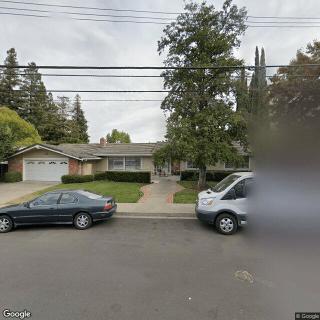
2832 Filbert Avenue, Walnut Creek, CA 94598
For more information about senior living options: (866) 208-4318
Overall Review of Abraham Rest Home
Pros
 The staff go above and beyond to care for residents and support families.
- The environment is small and feels like home.
- Victor and the staff loved residents and treated them like family.
- The people are kind and genuinely care about the residents and the care they provide.
- They give the best of themselves in caregiving.
Cons
 For families who do not speak Spanish, communicating with the caregiver in charge is not easy.
Review
Abraham Rest Home in Walnut Creek is best suited for families seeking a compact, home-like setting where a loved one can receive intensely personal attention, especially when dementia or other memory challenges require hands-on, constant care. The facility’s small scale creates an intimate atmosphere that many families equate with “home” rather than a clinical environment. For those who value warmth, visible affection from caregivers, and a staff culture that prioritizes close relationships with residents, this setting can feel like a lifeline, less institutional, more like a family you can trust.
The core audience for Abraham Rest Home is clearly demonstrated by the strongest praise in the reviews: staff who treat residents with remarkable kindness and dedication. Families report that the caregivers “go above and beyond,” with staff members who love and care for loved ones as if they were their own. The sentiment is reinforced by repeated characterizations of the team as the kindest people, who truly invest themselves in the well-being of residents. In dementia care, where the day-to-day tone can drain a family’s energy, this level of personal warmth and attentiveness often translates into calmer days for the resident and much-needed reassurance for relatives.
Nevertheless, practical drawbacks emerge alongside the strengths. A notable caveat centers on language. One review points out that unless a loved one and their family speak Spanish, communicating with the caregiver in charge can be difficult. That single factor can create friction in care planning, day-to-day routines, and responsiveness to evolving needs. In a setting that relies on close, frequent conversations about minute changes in behavior or mood, even a small communication mismatch can feel disruptive. This is not a universal barrier, but it is a material consideration for families where language compatibility is a priority.
The pros and cons here do not cancel each other out; they co-exist in a way that will determine fit for different families. The advantages, small size, a home-like vibe, and staff who genuinely invest in residents, offset many concerns by delivering emotional security, continuity, and visible affection that can be transformative for a person with dementia. The intimate environment tends to foster trust quickly, which is invaluable when care needs are high and family proximity is limited. Yet for households that require robust, multilingual communication, or who desire a more structured program with broader activity options, these strengths may not fully compensate for the potential mismatch in language accessibility or the desire for more expansive daily programming.
In deciding whether Abraham Rest Home is the right match, families should weigh the central importance of personalized, affectionate care against the practical need for seamless communication. If the primary goal is a setting where a resident is treated like family, where staff demonstrate consistent warmth, and where a tranquil, non-institutional atmosphere can ease dementia symptoms and caregiver stress, the positives align strongly with those aims. Conversely, if language accessibility or a wider array of activities and formal supports are non-negotiable, alternatives deserve serious consideration to ensure the care plan remains coherent and responsive.
The actionable takeaway is clear: prospective families should visit with a concrete checklist focused on communication dynamics, language availability among the key caregivers, and the daily rhythm of care. Clarify who will be the lead on the resident’s plan, how information is shared, and how rapidly staff can adapt to changes in health status. If Spanish is not a shared language, ask about bilingual staff or interim translation solutions and observe how care partners introduce themselves, explain routines, and respond to questions. For families prioritizing intimate, compassionate dementia care in a small, home-like setting, Abraham Rest Home stands out as a compelling, trustworthy option. For those whose happiness in care hinges on multilingual communication or a broader spectrum of coordinated services, it may be prudent to explore alternatives that align more precisely with those needs.
 6 resident community capacity
 Assisted Living
 Board and Care Home
 Cable or satellite TV
 Dining room
 Fully furnished
 Garden
 Housekeeping services
 Move-in coordination
 Outdoor space
 Small library
 Telephone
 Metropolitan Oakland International (18 miles away)
 24-hour supervision
 Activities of daily living assistance
 Assistance with bathing
 Assistance with dressing
 Assistance with transfers
 Diabetes diet
 Meal preparation and service
 Medication management
 Special dietary restrictions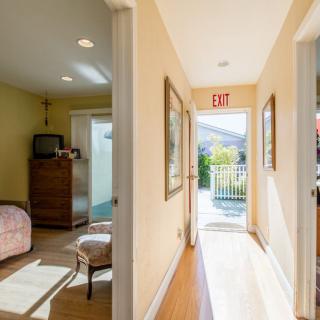




 Exploring the Path to Senior Living: A Comprehensive Look at Independent Living and Assisted Living
 Is Assisted Living Deductible on Your Taxes? Understanding the Complexities of Assisted Living Expenses and Deductions
 Assisted Living Support for Veterans: A Complete and Detailed Overview